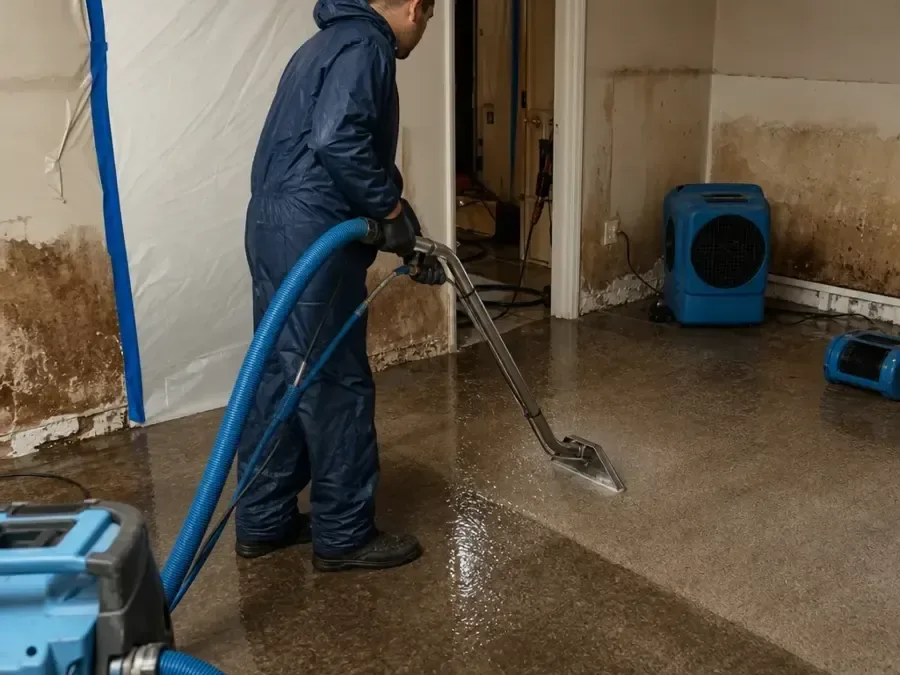
Water Damage Restoration Roslindale, MA
Water damage restoration in Roslindale starts with the source and the materials it reached. The restoration team extracts standing water, checks concealed moisture and documents structural drying for the affected property.
(888) 480-6221Discuss the wet rooms nowA plumbing repair stops the source. Extraction and measured drying address the water left inside the building.
A water-loss plan built around the property
A dry-looking finish can hide a wet assembly. The drying technician records material and air conditions, selects equipment for the moisture load and follows repeat readings before deciding that the work is complete.
Assess the source
The team identifies active entry, safety concerns and contamination before choosing the removal sequence. The appropriate trade controls the plumbing, roof or equipment failure.
Expose the wet layers
Extraction removes free water. The contractor evaluates selected openings where insulation, coverings or cabinet bases prevent access to moisture that the surface conceals.
Manage the dry-out
Air movers and dehumidifiers support evaporation from retained materials. The technician checks the same locations and adjusts equipment when progress requires a different arrangement.
Record the end point
Final readings describe the retained structure. The contractor identifies remaining repairs and any separate substrate test required before a replacement finish can return.
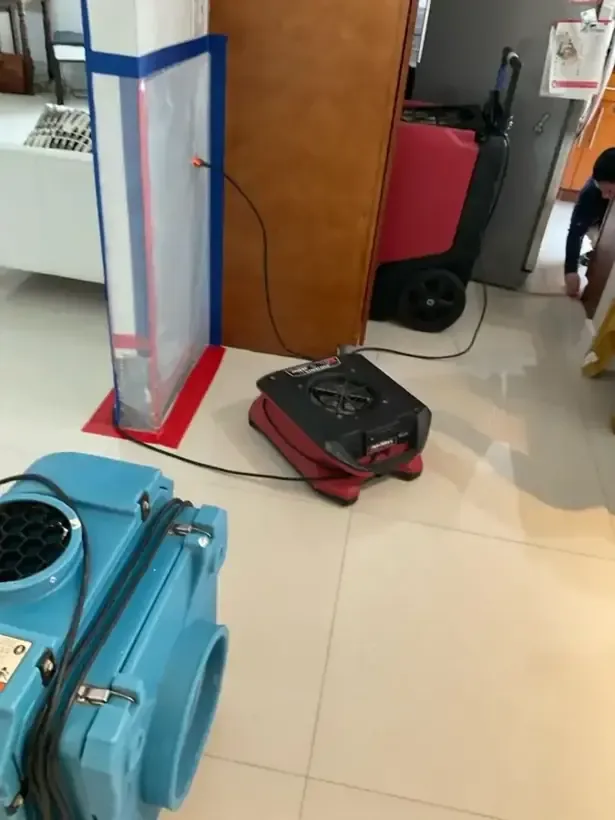
Water Damage Restoration Services in Roslindale, MA
The source changes the cleanup. Each service follows a distinct water path, from a supply pipe inside the wall to runoff entering a lower-level room.
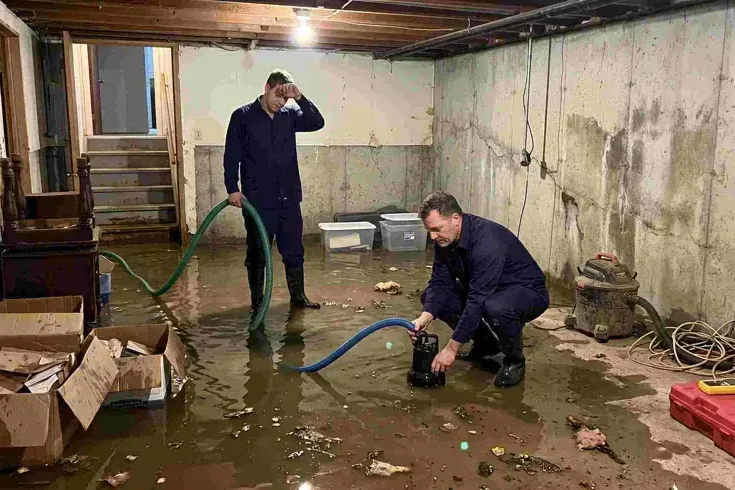
Water Extraction and Removal
Standing water comes out first so the crew can assess what remains inside floor and wall layers.
View service details ›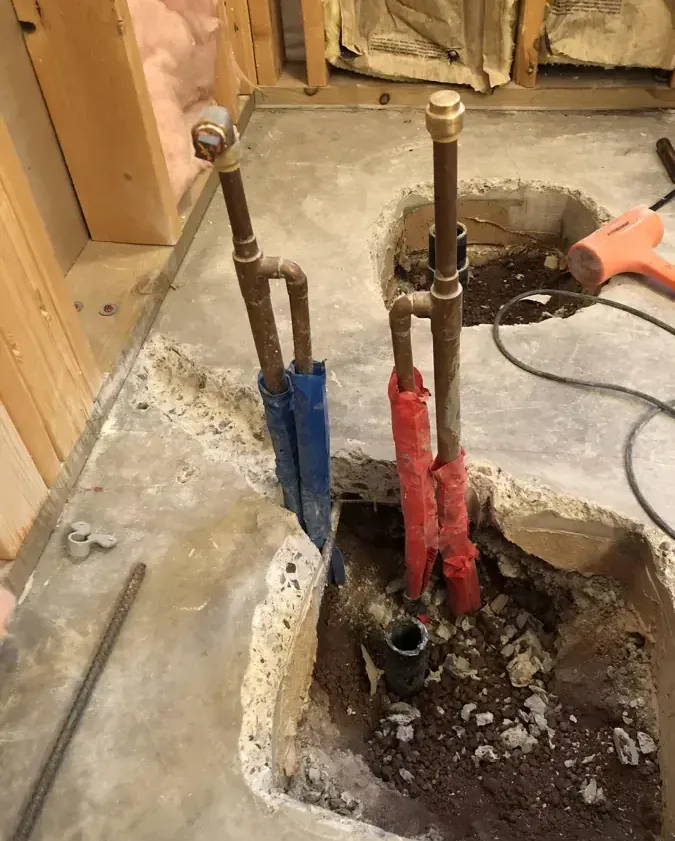
Slab Leak Water Damage
Wet concrete and coverings need separate source tracing, access decisions and a recorded drying goal.
View service details ›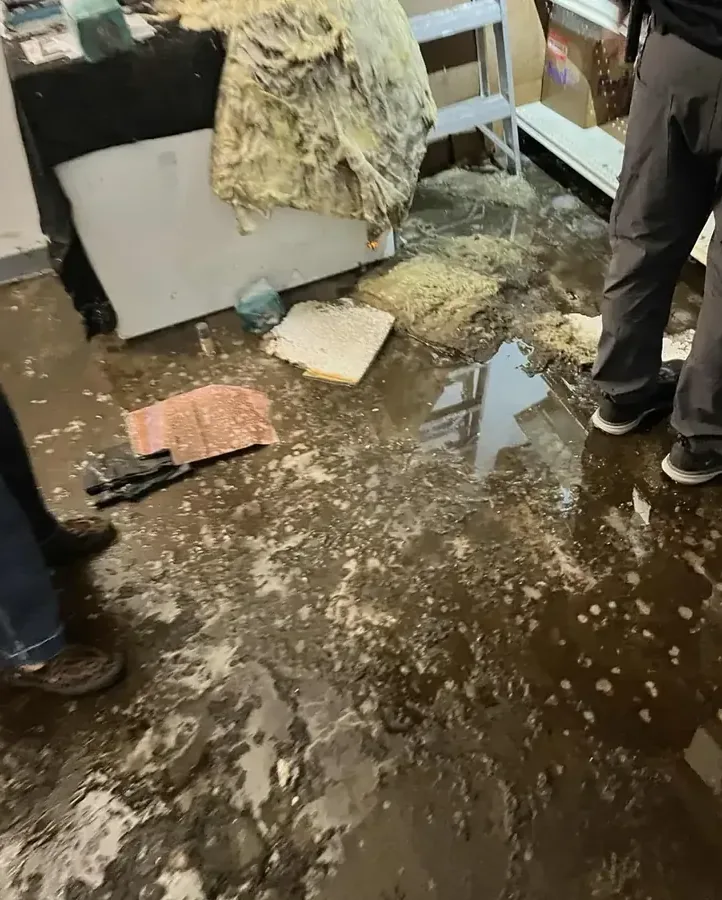
Sewage Backup Cleanup
Category 3 cleanup starts with containment and the removal of contaminated porous finishes.
View service details ›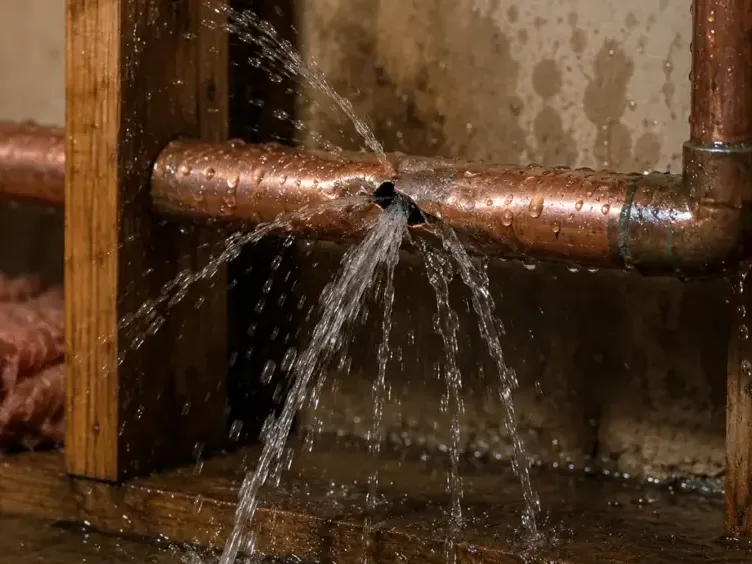
Burst Pipe Water Damage
A closed supply valve leaves another task: following released water through connected rooms and cavities.
View service details ›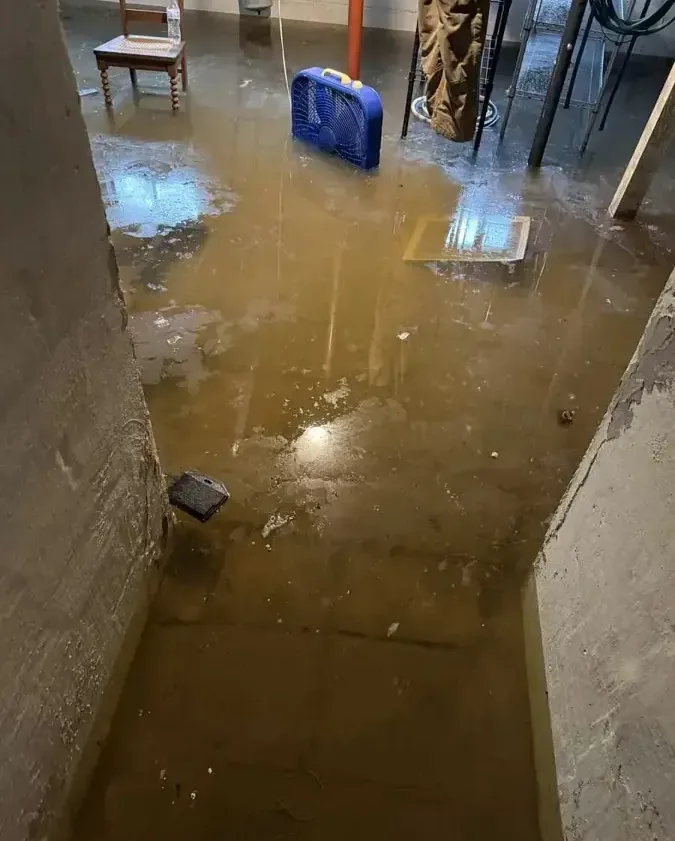
Storm and Flood Cleanup
Outside entry requires a contamination assessment before the retained interior receives drying equipment.
View service details ›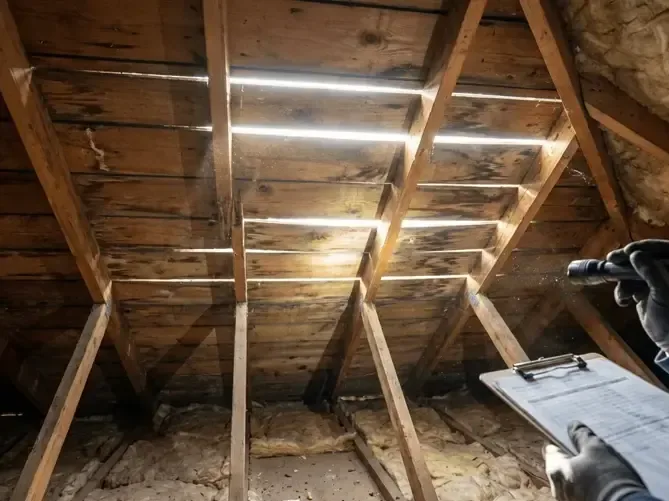
Roof Leak Water Damage
Rain can follow attic framing beyond a visible stain, leaving insulation and ceilings wet along the route.
View service details ›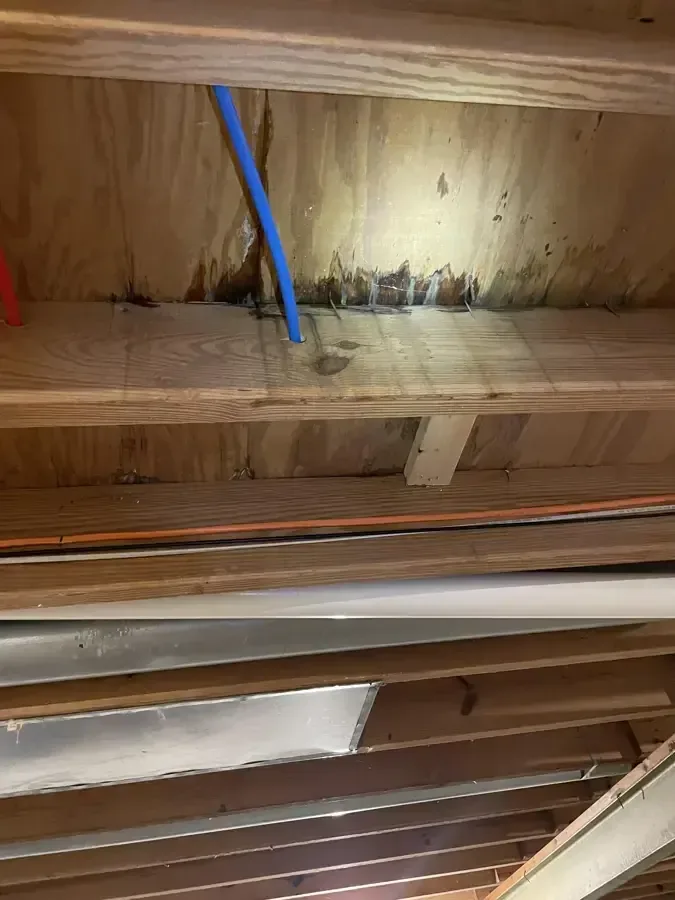
Ceiling Leak Water Damage
The inspection checks above the damaged finish and keeps the area beneath unstable material clear.
View service details ›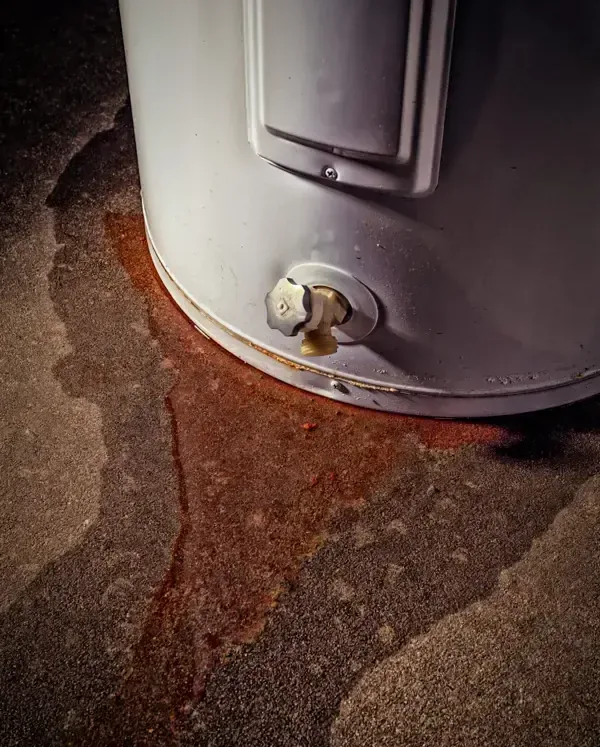
Water Heater Leak Cleanup
The tank repair and surrounding floor moisture receive separate attention during a heater loss.
View service details ›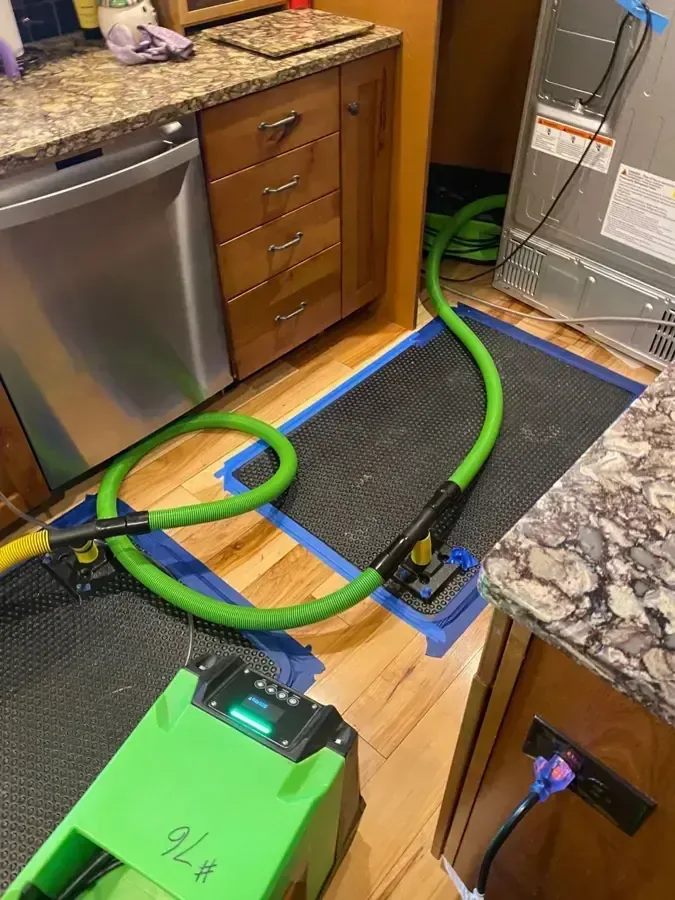
Appliance Leak Water Damage
Cabinet bases and underlayment can conceal the water left by a kitchen or laundry leak.
View service details ›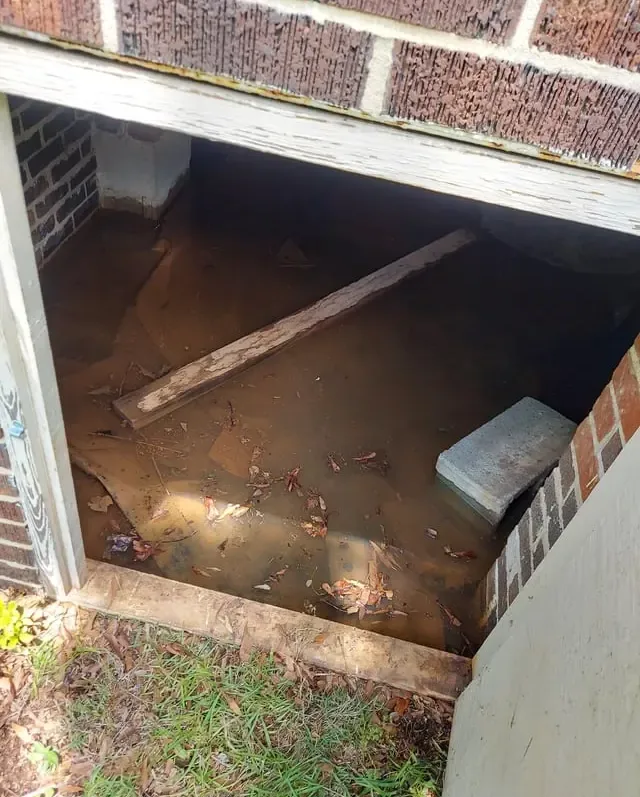
Crawl Space Water Removal
Where a crawl space exists, safe access comes before pumping and checks of underfloor insulation.
View service details ›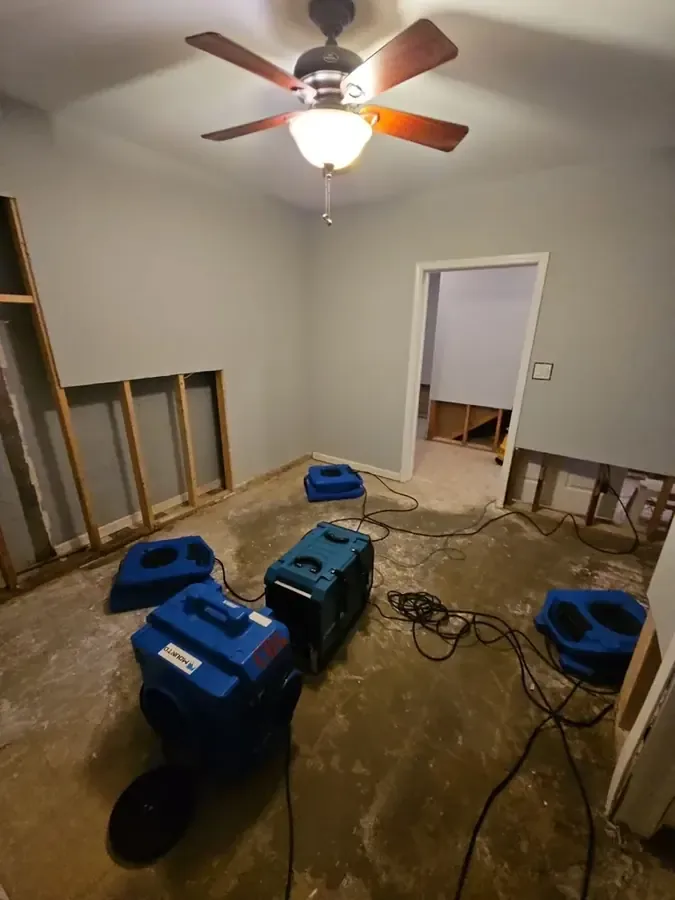
Structural Drying
Airflow, humidity control and comparable material readings shape the dry-out of the retained assembly.
View service details ›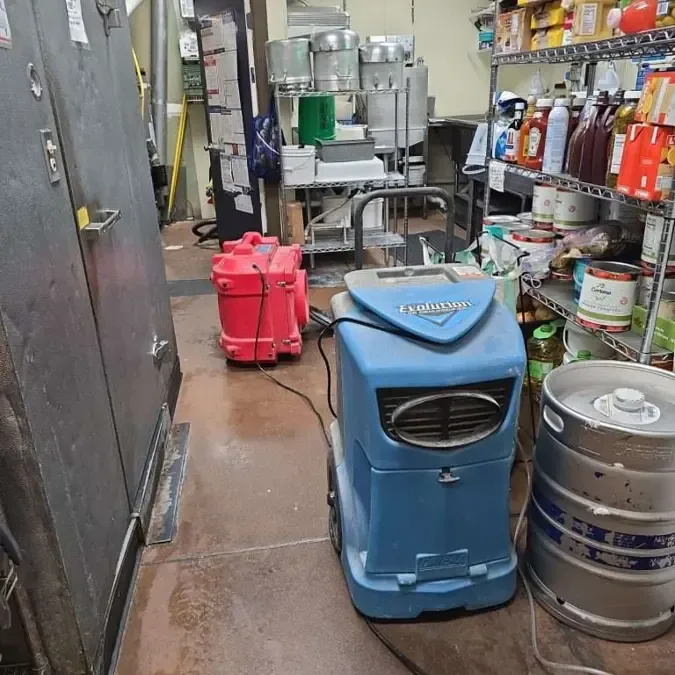
Commercial Water Damage
Business interiors need defined work zones, access coordination and records tied to each affected area.
View service details ›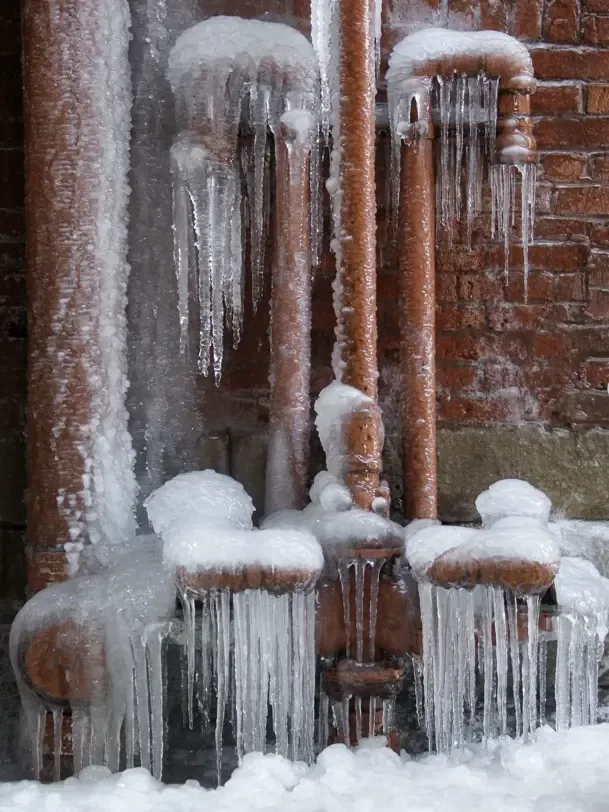
Frozen Pipe Water Damage
A thaw can reveal a split supply section and water inside finishes that previously looked intact.
View service details ›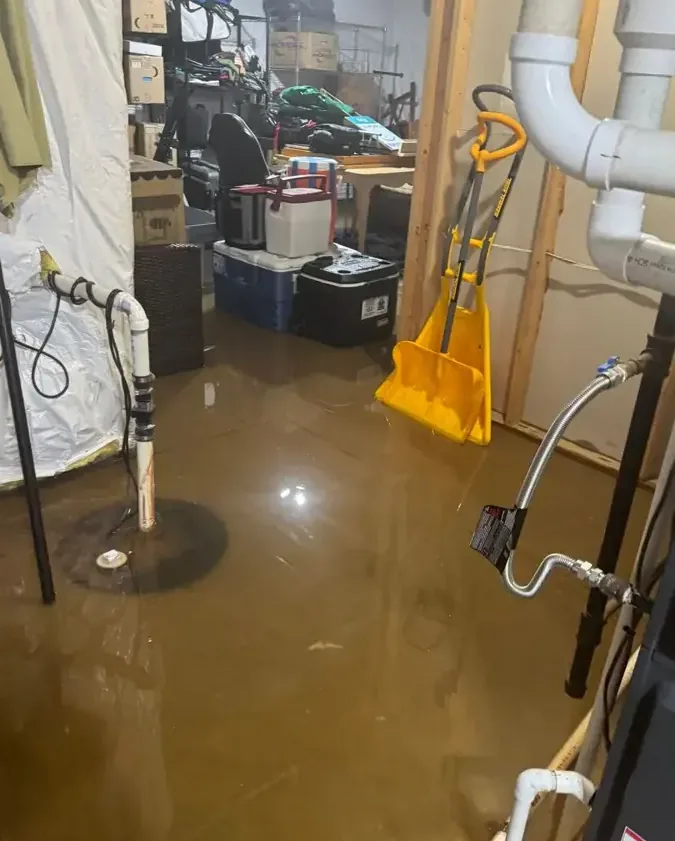
Basement Water Removal
Below-grade pumping depends on the source, electrical safety and the condition of the surrounding structure.
View service details ›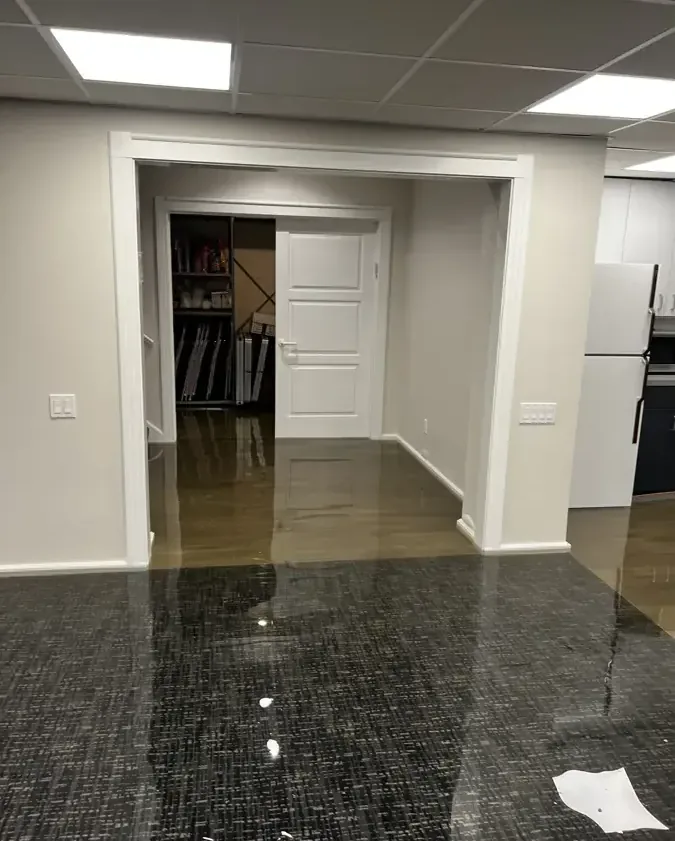
Sump Pump Failure Cleanup
Restoring pump operation does not dry water trapped beyond the pit in floors and wall bases.
View service details ›Roslindale water damage assessment, any hour
The response team organizes extraction and drying for wet homes and business interiors. The first details should identify the source, affected floors and any unsafe access.
Coverage extends to nearby towns and Boston neighborhoods. The property assessment determines the actual work, including any shared rooms or concealed assemblies that need access.
A water-loss plan built around the property
The restoration scope follows source, contamination, material condition and access. Those findings explain the sequence more clearly than the size of the visible puddle alone.
Rapid local response
Emergency dispatch operates 24/7. The response plan treats active water as urgent while accounting for safe access, continuing entry and the conditions reported at the property.
IICRC S500 drying standard
The drying team maps retained moisture and compares suitable reference materials. Equipment placement follows the inspected assembly and changes when measurements show that the current setup needs adjustment.
Claim-ready documentation
The record includes source observations, initial photographs, removal decisions and daily measurements. The insurer receives evidence of the work while retaining responsibility for policy and coverage decisions.
Local water experts
The assessment accounts for varied residential buildings and commercial interiors. Shared ceilings, attic access and lower-level finishes receive checks when the actual water path makes them relevant.
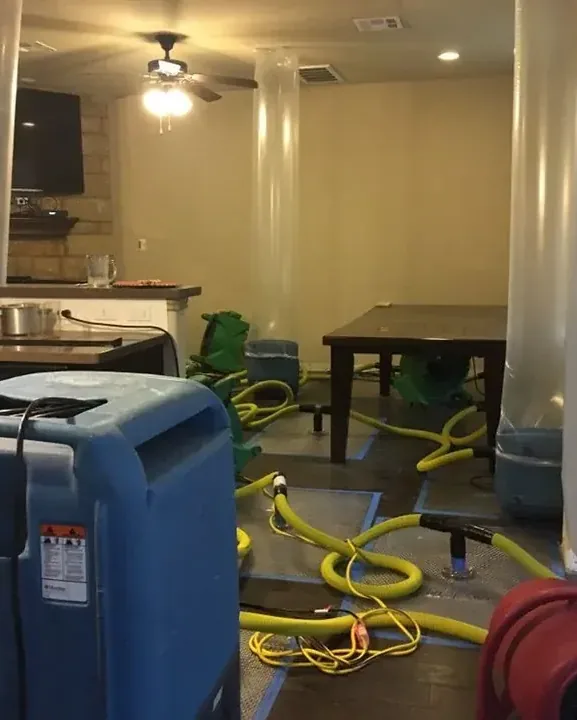
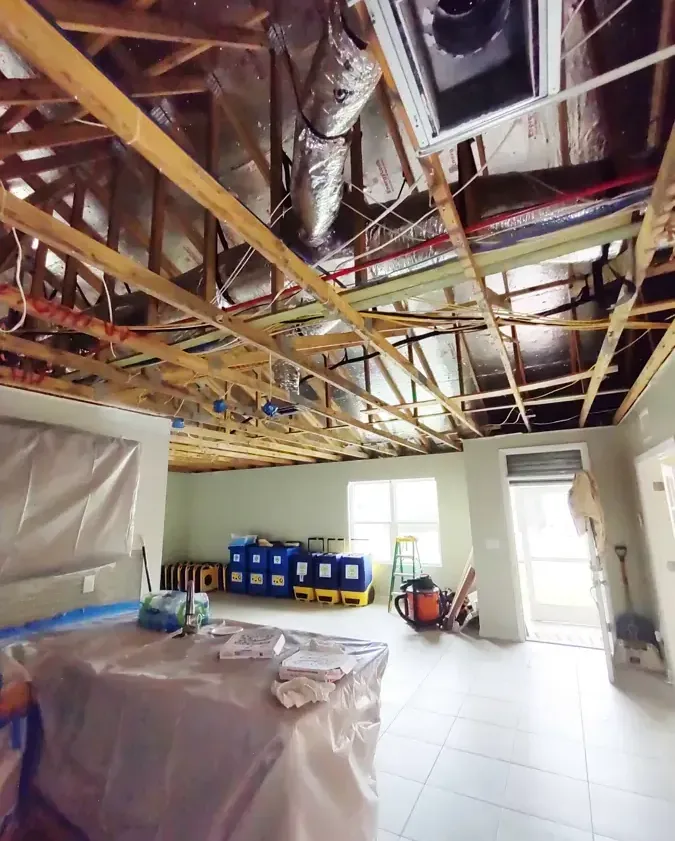
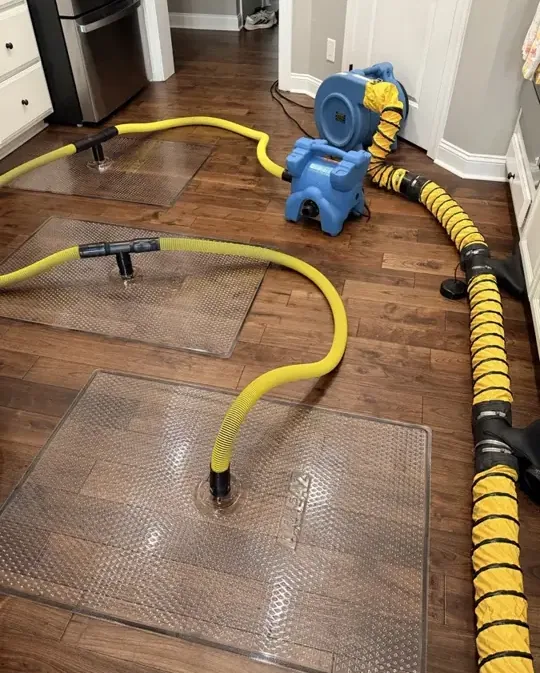
The gear a real dry-out runs on
- Extraction before evaporation
- LGR humidity control
- Repeat material measurements
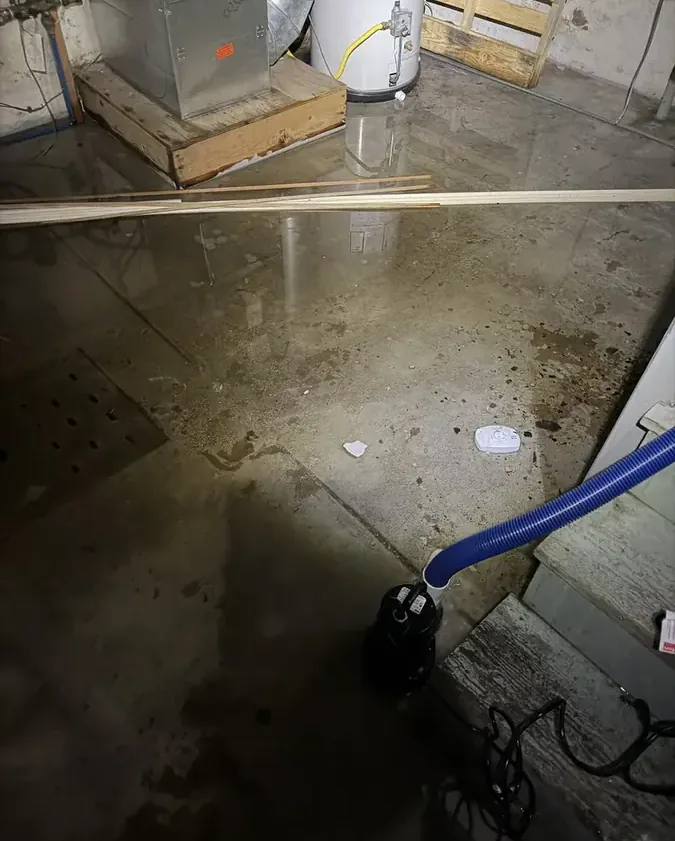
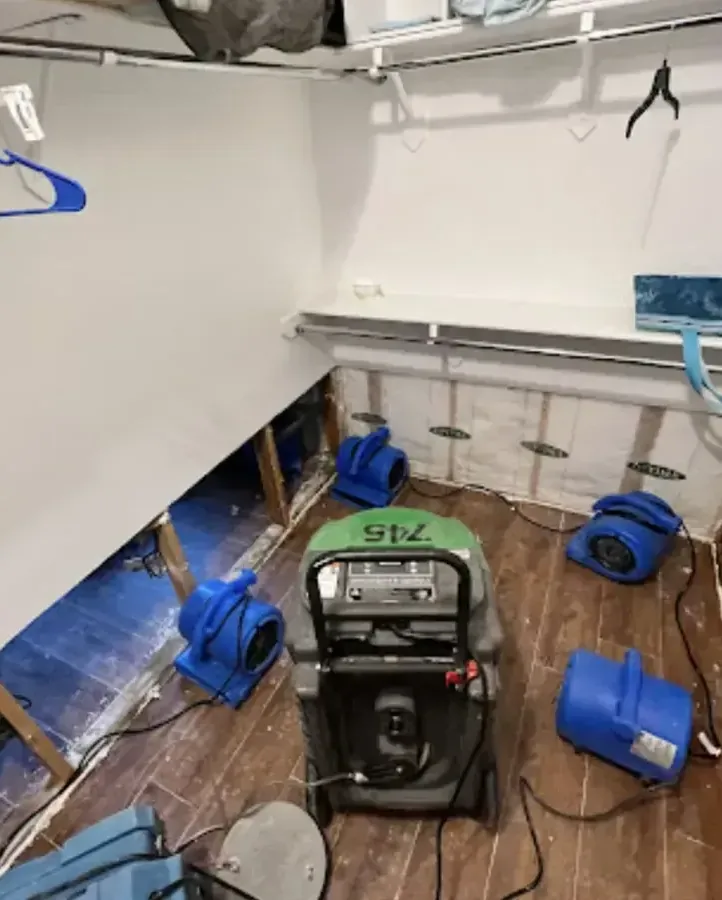
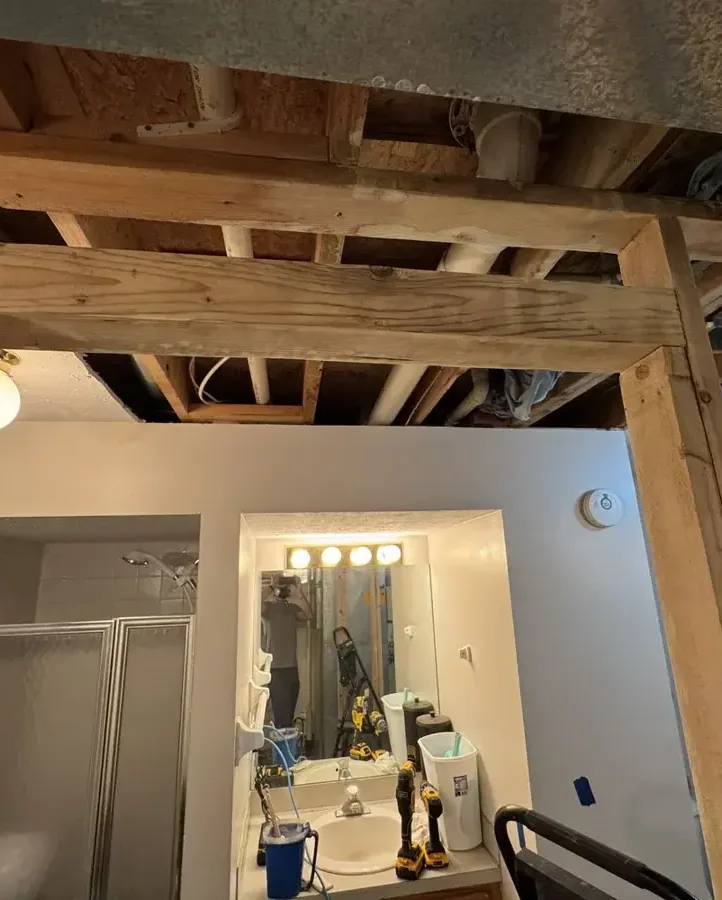
What a water damage dry-out looks like in Roslindale
What does water damage restoration cost in Roslindale, MA?
A contained residential cleanup may range from $1,000 to $3,000, while broader or contaminated losses can reach $3,000 to $10,000 or more. Category, square footage, material class and delay before drying drive the scope.
Contained water loss
$1,000 to $3,000
- Limited extraction area
- Accessible wet materials
- Focused drying equipment
Several affected rooms
$3,000 to $6,000
- More floor and wall layers
- Selected material access
- Broader daily monitoring
Contaminated or complex loss
$6,000 to $10,000+
- Controlled removal and cleaning
- Multiple work areas
- Extended material documentation
Ranges are estimate only, not a quote. Source repairs and rebuilding may add separate costs. The water damage cost calculator compares the main scope variables before an on-site assessment.
Water damage coverage across the neighborhood
All water damage categories covered in Roslindale, MA
Category 1: clean source
A fresh supply release can start clean. The contractor still checks contacted materials and changing conditions before deciding what stays and how the assembly dries.
Explore supply-water extractionCategory 2: contaminated water
Used appliance water and similar losses need source-specific cleaning decisions. The crew assesses porous finishes and prevents uncontrolled airflow from spreading affected material into clean rooms.
Review appliance-loss cleanupCategory 3: sewage and floodwater
Sewage receives Category 3 handling immediately. The cleanup plan includes containment, removal of contaminated porous material and cleaning of suitable retained surfaces before drying.
Read about sewage cleanupWater damage dried to the IICRC S500 standard
- Extraction before evaporation
- LGR humidity control
- Repeat material measurements
Documentation for your insurance claim
The restoration record explains what the crew found and why the work proceeded. The insurer evaluates the policy and cause independently of the equipment schedule.
- Timestamped photos before material removal changes the scene
- Moisture map identifying each affected room and assembly
- Daily psychrometric readings and comparable material measurements
- Water category and material-class observations supporting the scope
- Itemized removal, cleaning and equipment records for review
Coverage follows the policy
A sudden plumbing release, outside flooding and sewer backup can receive different treatment. The owner should ask the insurer about the actual cause, applicable limits and any separate coverage.
The drying crew supplies observations and work records without deciding coverage or promising payment. Source repair, mitigation and rebuilding should remain clear parts of the project file.
What to do while the water is still moving
Avoid wet power
Keep clear of outlets, appliances and panels reached by water. A qualified professional handles electrical isolation when access is unsafe.
Stop the source safely
Use an accessible supply valve only from a dry route. Leave uncertain plumbing or appliance disconnection to the appropriate repair professional.
Protect the room below
Keep people away from bulging ceilings or loose overhead finishes. Do not puncture a water pocket or pull saturated material down.
Preserve visible evidence
Take photographs from a safe position before moving items. Record when water appeared and which rooms show damage without guessing at the cause.
Describe the affected space
Report continuing entry, wet floor levels and access concerns. The restoration team uses those details to organize the initial assessment.
Roslindale water losses need a property-level view
The neighborhood contains varied homes, apartments and commercial spaces. Local context helps frame an inspection, while the source and construction found at the property determine the actual drying plan.
Several residential forms
Western areas include one- and two-family residences, while the northern area includes two- and three-family buildings. An upper-floor release can require coordinated access to another occupied space.
A mixed-use center
Roslindale Square has shops and apartment buildings around Adams Park. The restoration assessment distinguishes business access, stored goods and shared building assemblies when the inspected loss involves them.
Attic and room access
The portion of the Arnold Arboretum south of Bussey Street lies in the neighborhood. At nearby homes, the inspection follows ceiling stains into accessible attic spaces and checks the roof-to-room water path.
Named routes, individual buildings
Washington Street, Belgrade Avenue and Cummins Highway help describe coverage. The first visit checks the plumbing, lower-floor access and wet materials inside the affected building.
Utility and private-source questions
Boston Water and Sewer Commission provides the city’s water and sewer services. A particular loss still needs source investigation before anyone assigns a cause or repair responsibility.
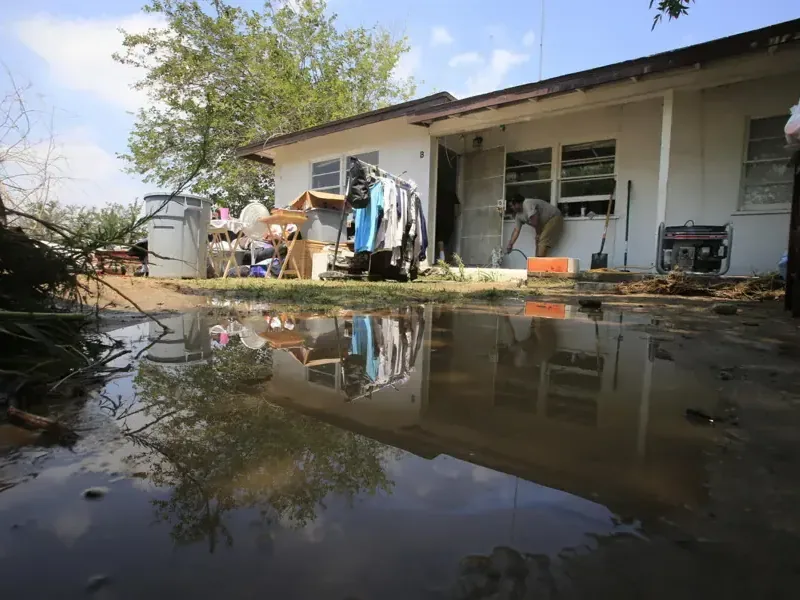
October 15, 2017: A documented water main break flooded Cliftmont Street. A present-day cleanup starts by locating the water entry point, checking safe access and recording the rooms reached by the release.
Water damage restoration questions in Roslindale
What should happen before extraction starts?
The restoration team checks safe access, continuing water entry and the source category. A plumber, roofer or other appropriate professional may need to control the cause. The crew then selects removal equipment and records the affected materials before movement or demolition changes the scene.
Does a repaired pipe mean the room is dry?
No. The repair stops new supply water, while moisture can remain in flooring, insulation and wall cavities. The drying team checks those assemblies and records progress. Source repair and structural drying solve separate parts of the event.
Why does the technician check another floor?
Water can follow framing and service penetrations into a room below. The inspection considers that route when the loss occurs above occupied space. In a multi-unit building, the owner or manager may need to coordinate access before the full extent can be established.
Can every wet finish stay in place?
The source, contamination and material condition determine retention. A covering that blocks drying access or has lost its bond may need removal. Sewage-contacted porous finishes require a different decision from a small clean supply spill. The contractor explains the evidence behind the scope.
How long does structural drying take?
A contained loss may dry within several days, while dense materials or inaccessible layers take longer. The technician follows comparable material readings and air conditions. A calendar estimate helps planning, but equipment removal depends on the drying goal and any remaining source concern.
What does IICRC S500 mean for the work?
IICRC S500 provides the industry framework for water damage restoration. The contractor still assesses the actual source and materials before choosing equipment. The practical record should show moisture mapping, drying goals and monitoring rather than present the standard as a fixed completion promise.
Does insurance cover water removal and drying?
Coverage depends on the policy and cause. Sudden interior water, outside flooding and backup may receive different treatment. The owner should ask the insurer about the specific event. The crew provides photographs and work records without deciding coverage or promising reimbursement.
Why is sewage cleanup different from ordinary extraction?
Sewage receives Category 3 handling from discovery. The cleanup team separates the affected area, removes contaminated porous material and cleans suitable retained surfaces. Drying then addresses the remaining structure. Contamination cleanup needs a separate review of material removal, cleaning and treatment alongside moisture readings.
Is emergency dispatch available overnight?
Emergency dispatch operates 24/7. The response plan considers active entry, safe access and the conditions reported at the property. Residents should keep clear of wet electricity and unstable ceilings while arranging help. The household should report continuing water entry and any blocked access when requesting assistance.
Reach Roslindale water damage help, 24/7
The restoration team assesses the source, removes accessible water and records the condition of materials throughout the drying process.
(888) 480-6221Arrange the water-loss assessment