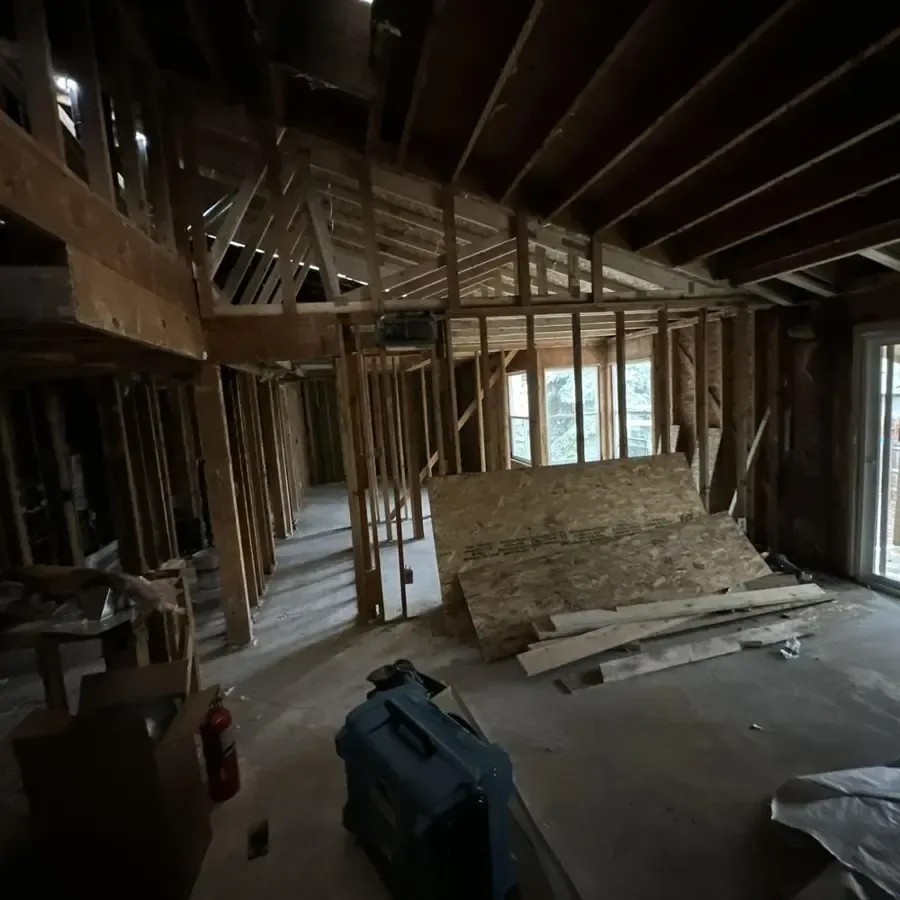
Water Damage Restoration Allston, MA
A wet floor can hide a much larger problem beneath cabinets or behind plaster. Water damage restoration in this Boston neighborhood starts by locating the source and mapping affected materials.
(888) 480-6221Discuss the wet roomsDescribe the affected rooms, whether water continues entering, and any unsafe conditions before discussing the cleanup.
A clear scope for wet interiors
Repair readiness depends on moisture readings within the affected assembly, including layers concealed beneath a dry surface. Drying should follow a documented plan that compares affected materials with appropriate reference conditions and records progress over time.
Define the wet boundary
Initial readings extend past the obvious stain to floor edges, adjacent partitions and accessible cavities. The resulting map sets the limits of the drying work.
Prepare the assembly
Water extraction and necessary material removal give equipment access to retained surfaces. Damaged or contaminated finishes receive separate handling before the remaining structure is dried.
Adjust the environment
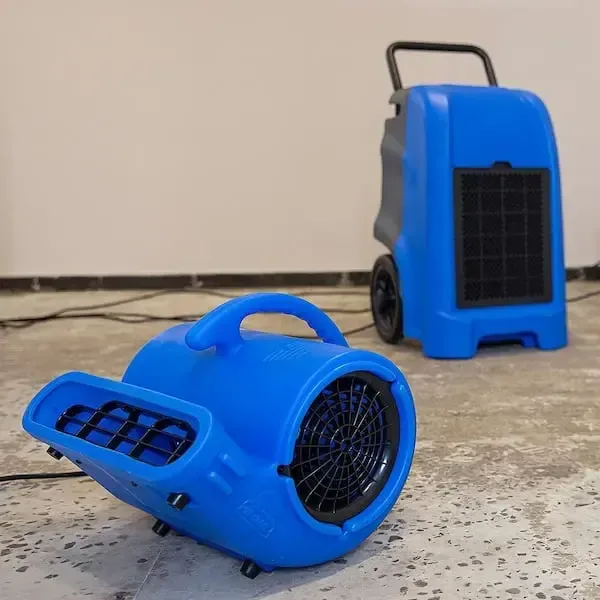
Air movement and dehumidification work together inside the drying area. Equipment placement changes when measurements show uneven progress or moisture persists behind an obstruction.
Document the endpoint
Final observations and moisture readings show which materials reached their targets. Remaining repair needs are described before the space moves into finish replacement.
Water Damage Restoration Services in Allston, MA
Different sources require different cleanup decisions. Select the service that matches the leak, damaged room or building use to understand what the inspection should cover.
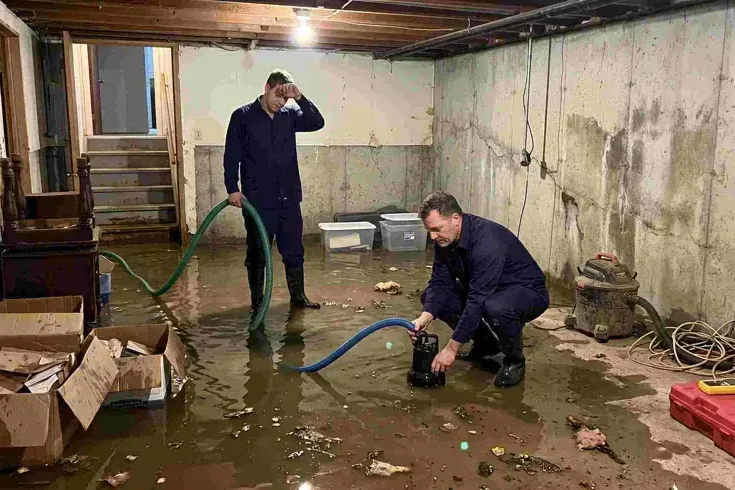
Water Extraction and Removal
Standing water comes out first so hidden moisture at floor edges can receive a closer inspection.
View service details ›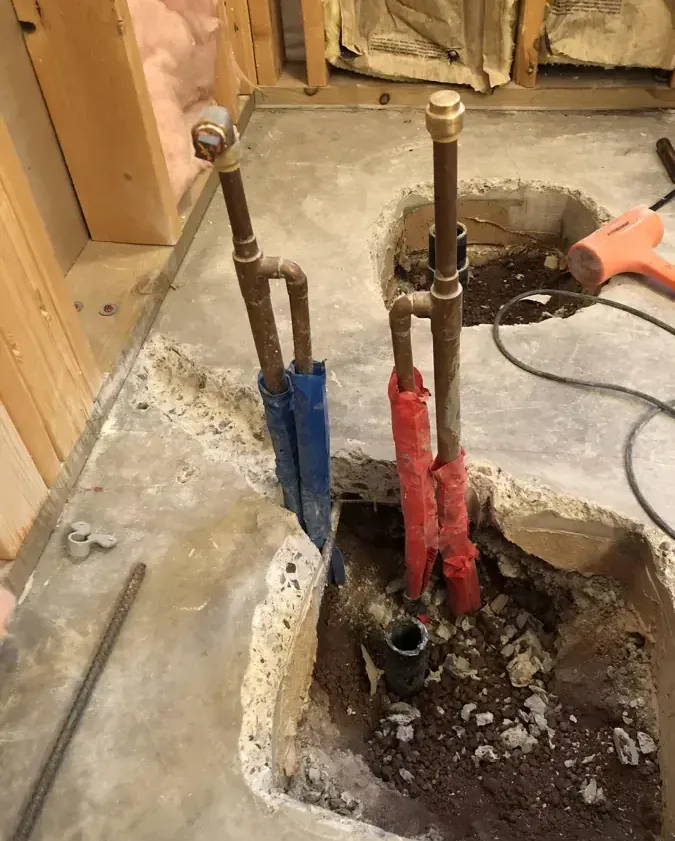
Slab Leak Water Damage
Damp flooring over concrete needs a measured investigation before unnecessary demolition exposes the wrong area.
View service details ›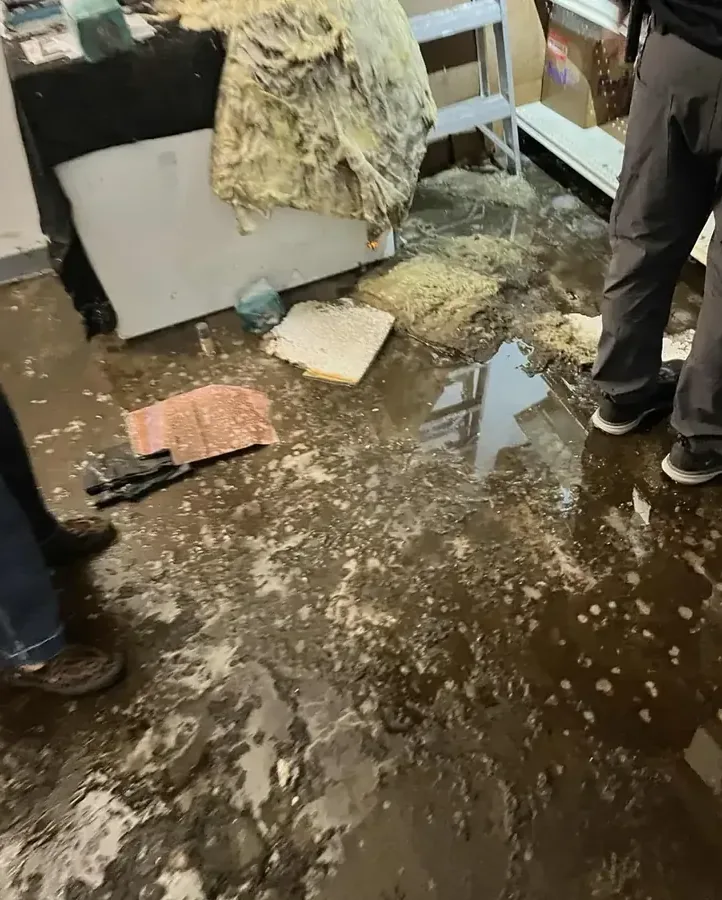
Sewage Backup Cleanup
Wastewater affects both cleaning methods and decisions about porous materials touched by the backup.
View service details ›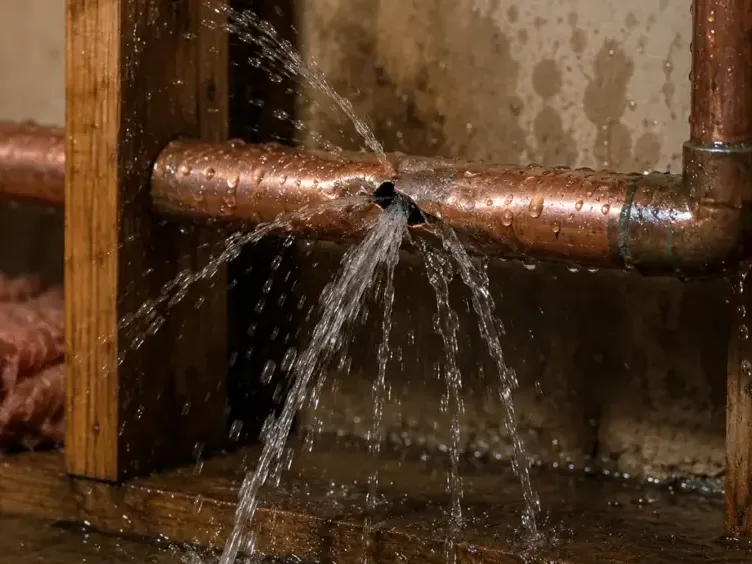
Burst Pipe Water Damage
A broken supply pipe can soak adjoining rooms long before the visible puddle stops growing.
View service details ›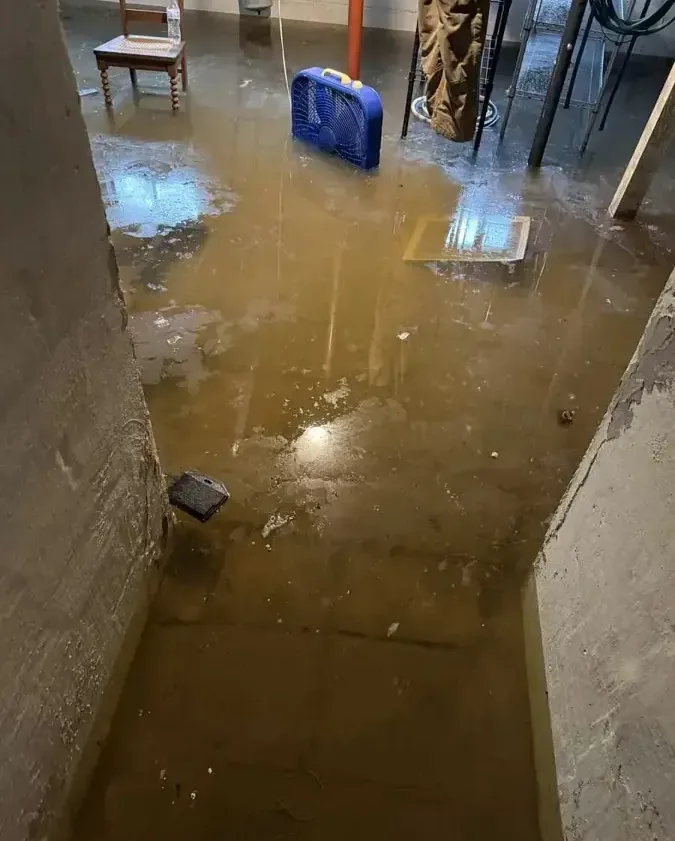
Storm and Flood Cleanup
Outside water brings a different cleanup challenge when sediment crosses thresholds and reaches interior finishes.
View service details ›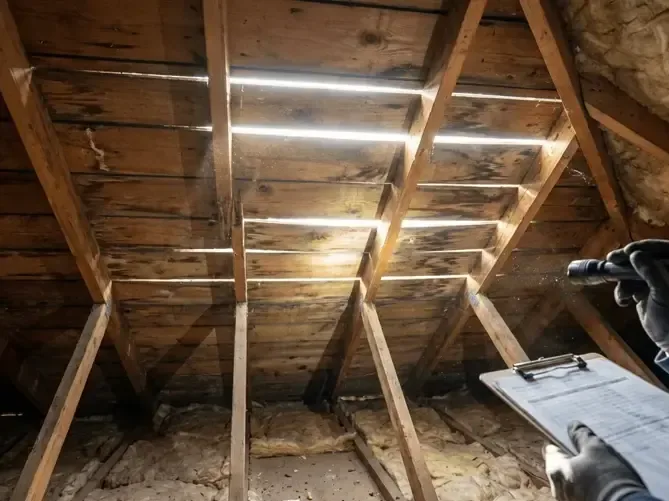
Roof Leak Water Damage
Rain entering overhead can travel along framing before leaving a stain on the ceiling below.
View service details ›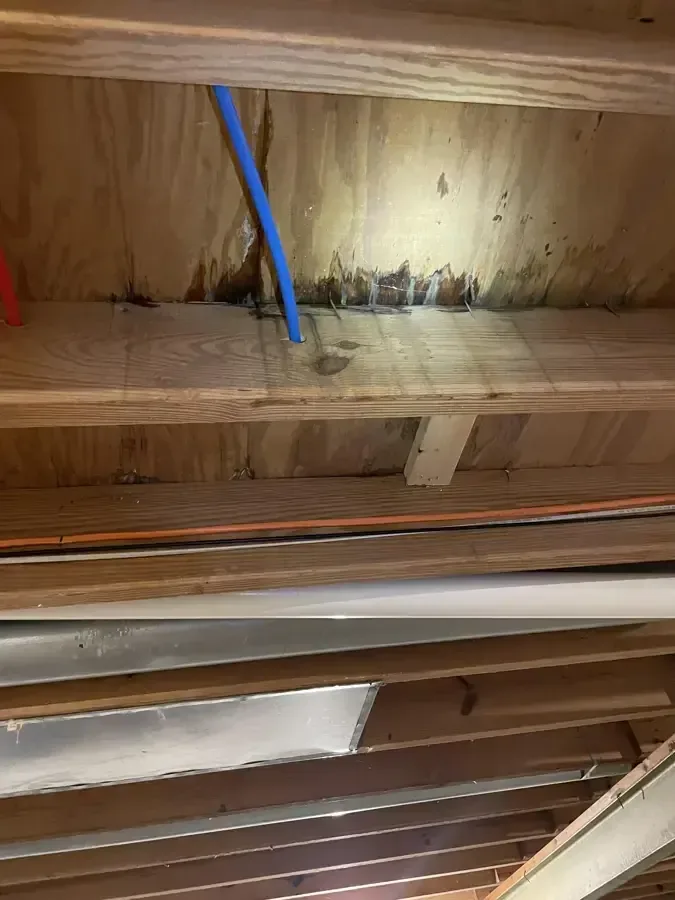
Ceiling Leak Water Damage
Soft overhead finishes need a safety assessment and a source investigation above the stained surface.
View service details ›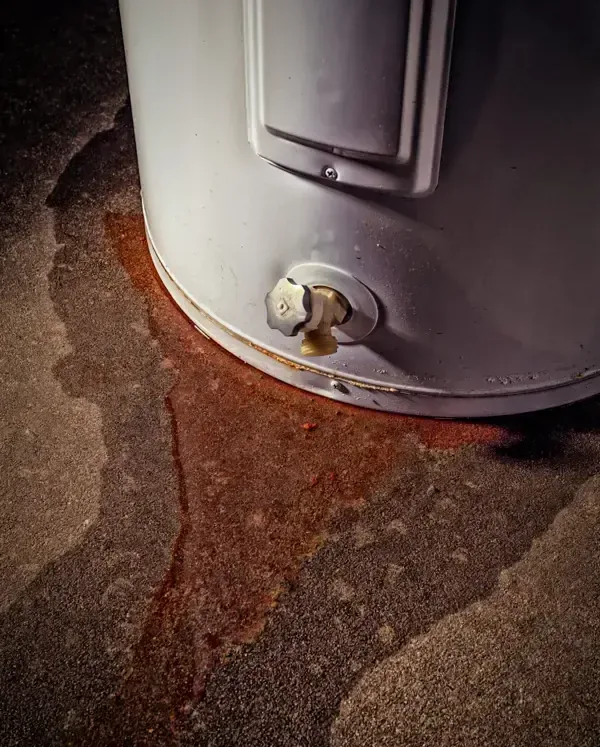
Water Heater Leak Cleanup
Water around a tank may extend beneath utility partitions and into flooring in neighboring rooms.
View service details ›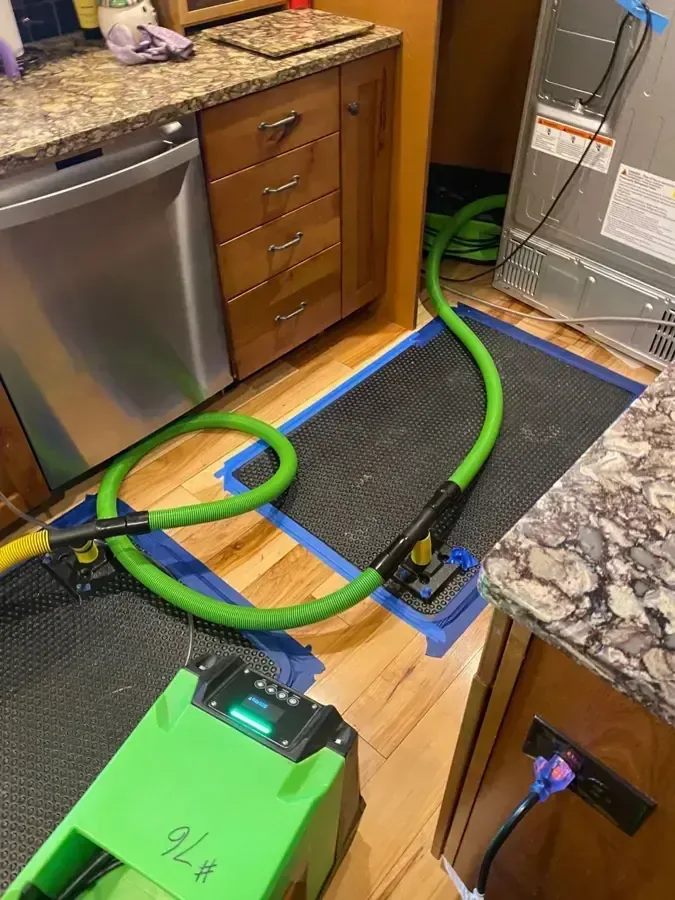
Appliance Leak Water Damage
Dishwasher or laundry leaks can leave cabinet bases wet after the open floor looks dry.
View service details ›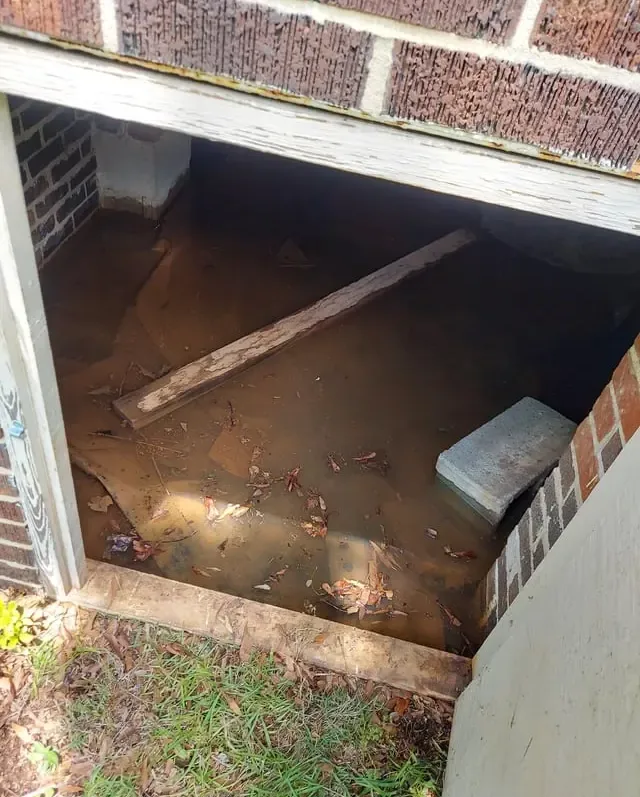
Crawl Space Water Removal
Underfloor water removal starts with safe access and a look at the materials above the pooling.
View service details ›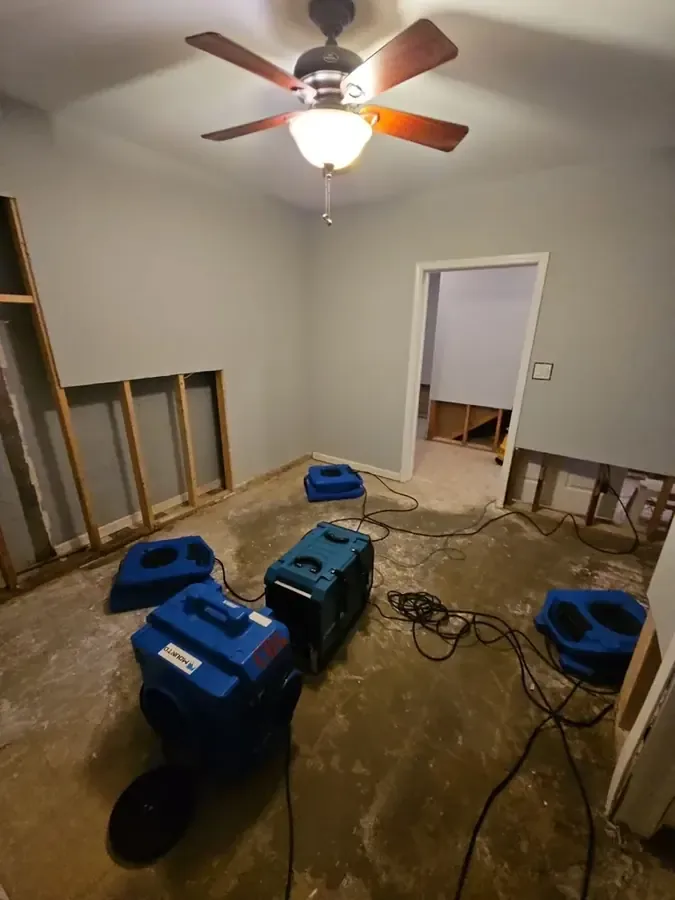
Structural Drying
Moisture readings show whether exposed framing and concealed layers are progressing toward their drying targets.
View service details ›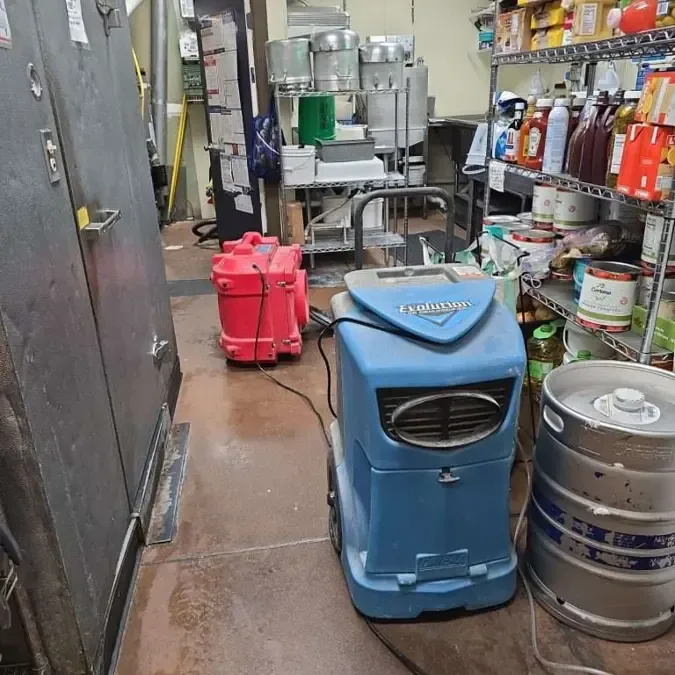
Commercial Water Damage
Cleanup planning separates affected stock, public access and wet building assemblies during a business interruption.
View service details ›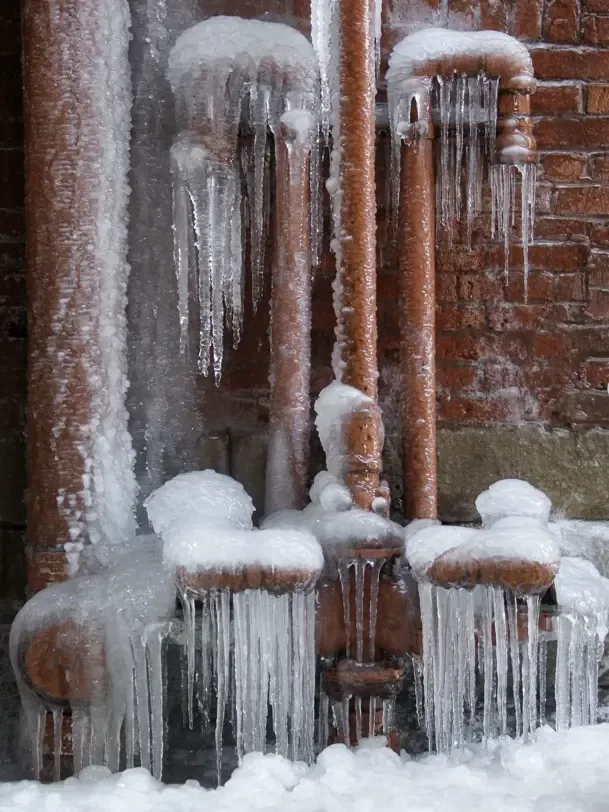
Frozen Pipe Water Damage
A thawing split can release water into an enclosed wall before a room shows obvious damage.
View service details ›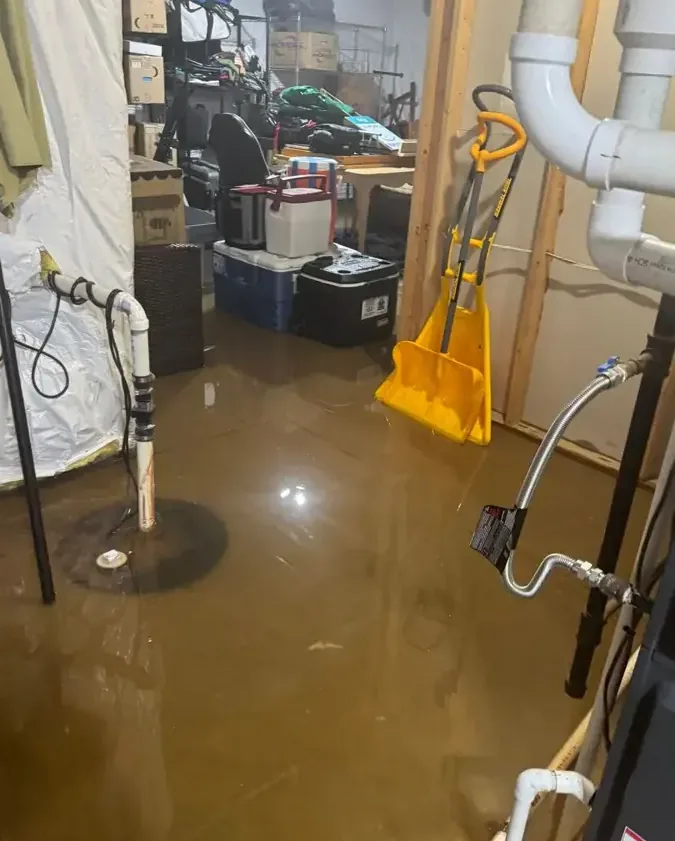
Basement Water Removal
Occupied lower rooms require careful attention to belongings, wall cavities and the route water followed.
View service details ›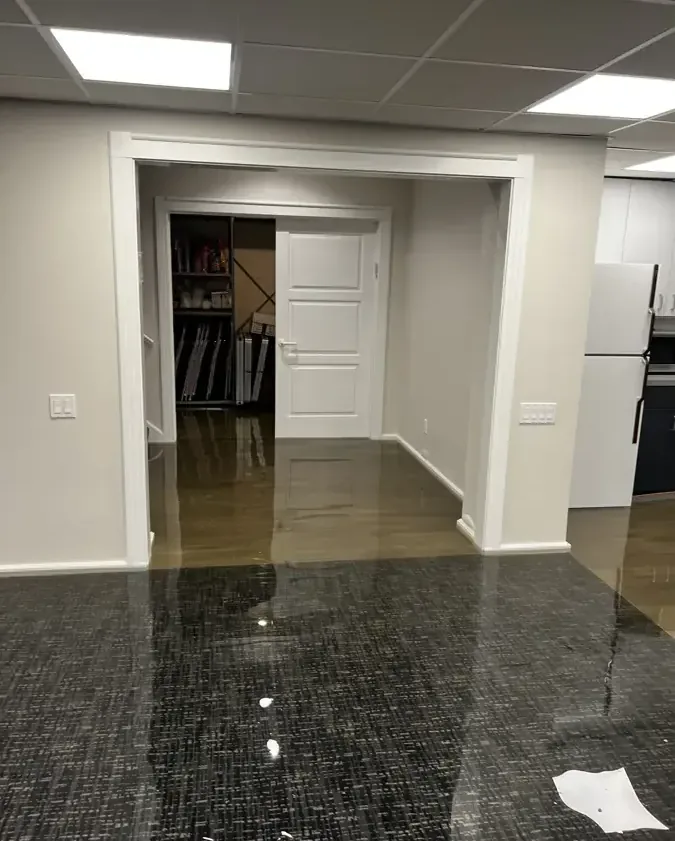
Sump Pump Failure Cleanup
Overflow cleanup addresses accumulated floor water while the failed pumping system receives separate mechanical attention.
View service details ›Describe the building entrance and affected floor
Allston is a neighborhood of Boston in Suffolk County. Its ZIP areas include 02134 and 02163, with 02163 associated with the Harvard Business School area.
A useful access description identifies the entrance, affected level and building contact. For shared properties, mention whether adjoining rooms or apartments also show water damage.
A clear scope for wet interiors
Good restoration connects each removal or drying decision to the material involved, the water source and the conditions found inside the affected assembly.
Rapid local response
The first conversation establishes the affected spaces and current hazards. Access arrangements matter in apartments, especially when a wet ceiling points toward another occupied unit.
IICRC S500 drying standard
The drying plan follows the water source, material condition and measured moisture. Repeated readings help evaluate progress and identify areas that need different equipment placement.
Claim-ready documentation
Room photographs, material notes and drying records describe the work performed. Clear distinctions between source repair and water damage cleanup help organize an understandable project record.
Local water experts
Brick apartments along Commonwealth Avenue and wooden triple-deckers toward Brighton present different interior assemblies. Inspection focuses on the actual finishes and cavities at the affected property.
The gear a real dry-out runs on
- Inspect materials
- Track changes
- Verify completion
What a water damage dry-out looks like in Allston
What does water damage restoration cost in Allston, MA?
Estimated cleanup costs depend on the amount of wet material, access and contamination. A small accessible loss requires less work than water spreading through occupied rooms, concealed cavities and multiple layers of flooring.
Limited wet interior
$1,000 to $3,000
- Accessible water removal
- Focused material checks
- Small drying area
Several affected rooms
$3,000 to $6,000
- Broader moisture mapping
- Selective finish removal
- More equipment placement
Extensive concealed damage
$6,000 to $10,000+
- Complex access needs
- Contaminated material handling
- Multiple drying zones
These ranges describe typical project sizes rather than a property quote. Source repair, replacement finishes and unusual access conditions should be identified separately in the written estimate.
Arrange an inspection in the neighborhood
Areas to mention when calling
ZIP areas
Other service areas
Explore the wider service areaAll water damage categories covered in Allston, MA
Fresh supply release
A supply leak still requires prompt attention to absorbed moisture. Time, contacted surfaces and conditions inside the building influence the final cleanup approach.
Remove pooled supply waterUsed appliance water
Water discharged during an appliance cycle can carry residues into flooring and cabinetry. The source and exposed materials determine cleaning and removal decisions.
Inspect appliance overflow damageSewage entering occupied space
A drain backup calls for controlled access and deliberate handling of contaminated finishes. Porous materials need evaluation before any drying equipment spreads air.
Plan wastewater cleanupWater damage dried to the IICRC S500 standard
- Inspect materials
- Track changes
- Verify completion
Documentation for your insurance claim
The cause of the leak, photographs of damage and a clear work description help the policyholder explain the loss when contacting the insurance company.
- Photograph the first visible water from a safe position.
- Keep the plumber's findings about the failed component.
- List affected belongings with their room locations.
- Retain cleanup invoices and equipment progress records.
- Record conversations about access, authorizations and repair scope.
When payment is handled directly
A property owner paying directly can still request an itemized scope. Extraction, removal, drying and reconstruction should be distinguishable so the estimate explains what each stage accomplishes.
Changes discovered after opening an assembly should be discussed before additional work proceeds. A clear written record helps keep decisions understandable throughout the restoration.
Make the affected rooms safer first
Keep people outside the wet area
Standing water, loose ceiling material and affected electrical equipment require separation from occupants. Children and pets should remain in a dry space.
Identify a safe shutoff
An accessible supply valve may stop a plumbing leak. Nobody should cross water or approach energized equipment to reach a valve or switch.
Notify the responsible building contact
Apartment occupants should report the location and visible spread to management. Shared ceilings and walls can require entry into an adjoining unit.
Record damage from dry ground
Photographs should show the water source, room surfaces and affected belongings. Wet equipment and unstable materials should remain untouched during documentation.
Describe what happened when calling
Useful details include whether the leak continues, which floor is affected and whether water contains sewage. These observations help define the initial inspection.
Building layout shapes the cleanup
Lower Allston has single-family and multifamily Victorian homes, while Commonwealth Avenue has brick apartment buildings. These different settings make careful room and assembly inspections essential after water enters.
Rooms below surrounding ground
The documented main break reached basement apartments. In any occupied lower room, inspection should include floor coverings, low outlets, stored belongings and the bases of interior partitions.
Shared walls and stacked rooms
Apartments can share concealed routes for water. A ceiling stain may require coordination with the occupant above before cleanup can address both the source and the wet assembly.
Wooden interior layers
The Brighton Avenue area toward Brighton includes wooden triple-deckers. Where wood flooring or framing becomes wet, surface cleanup should be followed by checks beneath finishes and around enclosed edges.
Busy commercial interiors
Harvard Avenue has restaurants and resale businesses. Water damage in these spaces may affect stock, cabinets or customer areas, requiring a cleanup plan suited to the actual contents.
Outside entry during wet conditions
The Charles River borders the neighborhood on the north and east. At an affected property, the inspection should trace the actual entry point and identify what the water contacted.
December 8, 2017: A construction-related water main break at Brighton Avenue and Linden Street flooded streets and basement apartments. Nearby homes and businesses also lost their water service during the incident.
Questions about cleanup and drying
What happens before drying equipment is installed?
The initial assessment identifies hazards, the likely source and the extent of wet material. Standing water is removed where safe, and damaged finishes are evaluated. Equipment placement then follows the exposed materials and the moisture map rather than the size of the visible puddle.
Can an apartment ceiling require access upstairs?
Yes. A leak can originate above the stained ceiling or travel through a shared cavity. Building management may need to coordinate access to another apartment. Repairing the source and checking adjoining assemblies helps prevent a ceiling repair from hiding continuing water entry.
Is the neighborhood a separate municipality?
Allston is a neighborhood of Boston, Massachusetts, within Suffolk County. Property details should identify the affected building and unit when arranging cleanup. Boston Water and Sewer Commission provides water and sewer services in Boston, while interior restoration addresses the resulting building damage.
Does water removal finish the restoration?
Removing puddles addresses only the accessible water. Moisture can remain under flooring, inside insulation or at the base of a wall. Those materials need inspection and, where appropriate, controlled drying. Damaged finishes may need removal before retained framing can dry effectively.
Can belongings stay inside a wet room?
Their location, condition and exposure determine the answer. Dry items may be moved to a protected space if access is safe. Wet contents should be documented before handling, and contaminated items need separate evaluation. Heavy furniture should not obstruct equipment or conceal wet floor edges.
Why might the scope change after opening a wall?
An opening can reveal wet insulation or a wider water path than surface readings suggested. The project record should describe the discovery and explain additional removal or drying needs. An updated scope helps the owner understand the work before newly discovered areas are addressed.
How are drying results evaluated?
Readings are repeated at comparable locations and considered alongside the type of material and its condition. The goal is a documented endpoint for the affected assembly. Equipment noise, room warmth or a surface that feels dry cannot substitute for those material checks.
What should a tenant report first?
Useful details include the affected room, the apparent source and whether water continues to spread. The tenant should notify the responsible building contact and avoid unsafe areas. Photographs taken from a dry location can help explain the problem without disturbing wet electrical equipment or unstable finishes.
What belongs in a written cleanup estimate?
The estimate should describe extraction, material handling, equipment use and monitoring. Source repairs and replacement finishes should be identified separately when they are outside the cleanup scope. Access restrictions and concealed damage can affect the work, so any assumptions should be clear before authorization.
Start with the source and wet materials
Discuss the affected property, arrange safe access and establish the next practical step for water removal and drying.
(888) 480-6221Request a property assessment