Basement Water Removal Allston, MA
A flooded lower room can put belongings, wall finishes and utility equipment in the same wet area. Basement restoration needs a safe access plan before pumping, followed by inspection of the materials that remain after removal.
(888) 480-6221Assess the wet basement rooms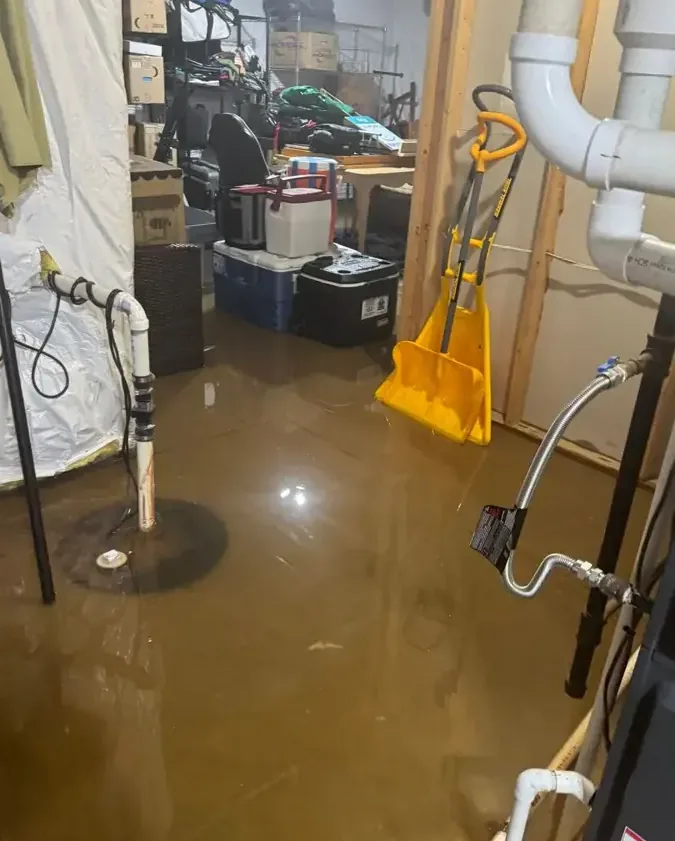
Basement apartments were flooded during the December 8, 2017 water main break at Brighton Avenue and Linden Street. Residents of eight units in a Commonwealth Avenue building stayed elsewhere after that event. For an occupied lower room in Allston, water removal therefore needs to account for people and everyday belongings alongside the floor, wall assemblies and utility equipment within the wet space.
How basement water removal proceeds
Assess the source, use and access
The first inspection establishes current entry conditions and any utility concerns. Occupancy and room layout help determine the removal approach while the affected surfaces and contents are documented before work proceeds.
Remove water with appropriate controls
Extraction follows the safety assessment and actual accumulation. The water source and exposure inform handling, while newly accessible floor edges are checked for wet materials hidden below the original pool.
Prepare wall and floor assemblies
Affected finishes and contents receive evaluation before retained surfaces are cleaned and dried. Necessary openings provide access to wet backing, insulation or framing at the base of the occupied lower room.
Assess drying and remaining room repairs
Measurements and observations establish the condition of retained assemblies. The handoff identifies utility work, contents decisions and replacement finishes still required so the property contact can coordinate the return to ordinary use.
Establish safe entry before planning the pump
The inspection should identify the water source, depth conditions and any electrical or structural concerns before selecting a removal approach. A basement may contain equipment and connections below the visible water surface. The property contact can describe those locations from a safe position while qualified help determines when the area can be entered and how extraction should proceed.
- Report whether the room is used for living space, storage or equipment and whether occupants have left the wet area.
- Identify a dry entrance route without attempting to cross water to open another door or window.
- Describe continuing entry and any known plumbing, outside-water or drainage problem connected with the accumulation.
A finished lower room can conceal wet backing behind an intact wall face. Furniture against a partition may hide water marks or block access to the floor edge. The initial record should show the arrangement and damage before contents are moved, making later removal and handling decisions easier to understand.
Separate contents recovery from the building assembly
Wet bedding, rugs, boxes and furniture require individual evaluation based on exposure and condition. Their handling should keep dry items protected and create access to the affected surfaces. A simple pile of belongings in the next room can transfer moisture or contamination while making it harder to identify what was originally wet.
Floor coverings and low wall materials deserve separate checks after extraction. The remaining moisture can sit beneath a finish or wick into a partition above the former pool. Selective openings may be needed to reach retained framing and insulation, with each proposed removal explained through the condition found at the property.
- Inspect partition bases and door frames where water can enter concealed layers at floor level.
- Evaluate the underside of removable floor coverings and the condition of any absorbent backing.
- Record wet utility-area surfaces separately from occupied-room finishes so repair responsibilities remain clear.
Describe the lower room's use, visible water and any affected equipment. An assessment can establish safe removal and identify the wall, floor and contents work that follows.
(888) 480-6221Discuss the lower-room waterAvoid entering a flooded basement for possessions
Standing basement water can conceal electrical equipment, sharp objects and unstable footing. Occupants should not enter to collect belongings, unplug appliances or place a household pump. Qualified assessment is needed when water has reached utilities or the building's condition is uncertain. Children and pets should stay away from stairs leading into the affected area. If the water contains sewage or outside debris, the cleanup approach must address that exposure before ordinary air movement begins. The responsible building contact should coordinate access and any temporary restrictions for residents.
Document the room before it is put back into use
Removal should lead into cleaning and drying suited to the source and retained materials. The final handoff identifies the affected boundary, contents decisions and measured condition of wall and floor assemblies. It should also describe utility concerns and replacement finishes still needing separate work, allowing the owner to make the next occupancy and repair decisions with a complete account of the lower room.
For general household precautions, see Ready.gov flood safety and the EPA household leak checks.
What does basement water removal cost in Allston, MA?
Basement water removal in Allston varies with access, room finishes and the source. These estimates increase as wet assemblies and contents expand; utility repairs and replacement belongings should be described separately from restoration.
Limited accessible water
$1,500 to $3,000
- Reachable lower floor
- Small affected footprint
- Initial material checks
Finished lower-level damage
$3,000 to $5,500
- Wet interior finishes
- More contents handling
- Wall cavity access
Deep or extensive spread
$5,500 to $8,000+
- Complex removal planning
- Broader material exposure
- Expanded drying arrangement
These ranges are estimates only. Water category, square footage, material class and the delay before drying affect the scope. The water damage cost calculator compares those variables before a property assessment.
What shapes the basement water removal plan
Occupancy shapes the initial plan
A lower bedroom or living area presents different contents and access needs from storage. The inspection records how the space is used so residents, belongings and restoration equipment can be considered together.
Utilities receive separate attention
Water near equipment or electrical components changes the access decision. Qualified evaluation of those hazards is coordinated with the removal plan before occupants or restoration activity return to the affected basement area.
Concealed wall bases are checked
The assessment extends beyond the open floor to backing, trim and partition edges. These locations can retain moisture after pumping, so their condition helps define the necessary removal and subsequent drying work.
Contents decisions stay traceable
Photographs and notes preserve the condition of wet belongings before movement or disposal. The owner can distinguish contents handling from building restoration and organize the remaining replacement decisions after the water is removed.
Basement water removal coverage in Allston
Basement assessments include properties around Brighton Avenue, Linden Street and Commonwealth Avenue. Explain whether the lower room is occupied, the apparent water source and any utility equipment or access route affected by the accumulation.
The same service nearby: basement water removal in Roslindale, Brookline, Hyde Park.
Related water damage services in Allston
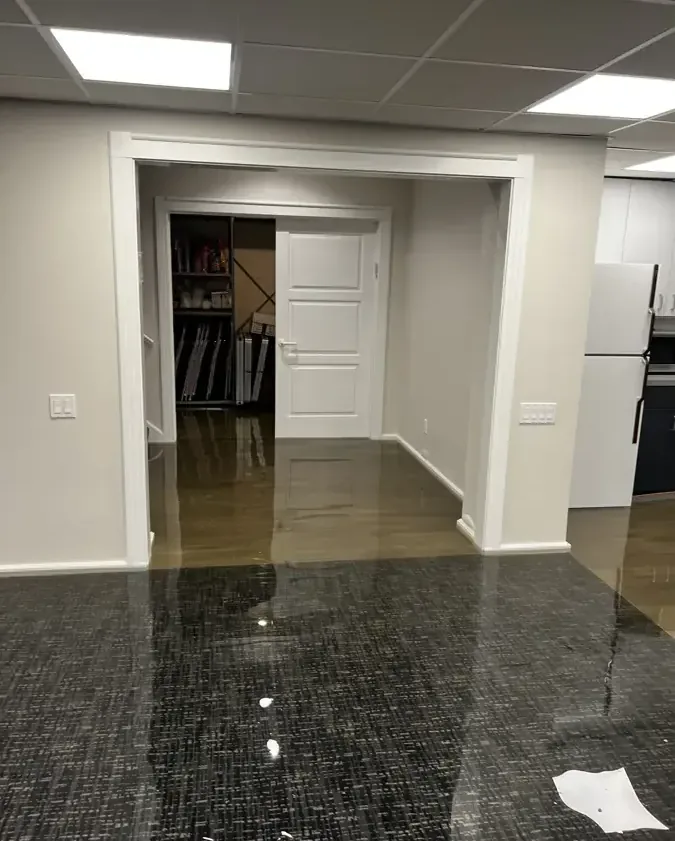
Sump Pump Failure Cleanup
Pump recovery and floor drying address separate parts of a rising-water problem.
Service details ›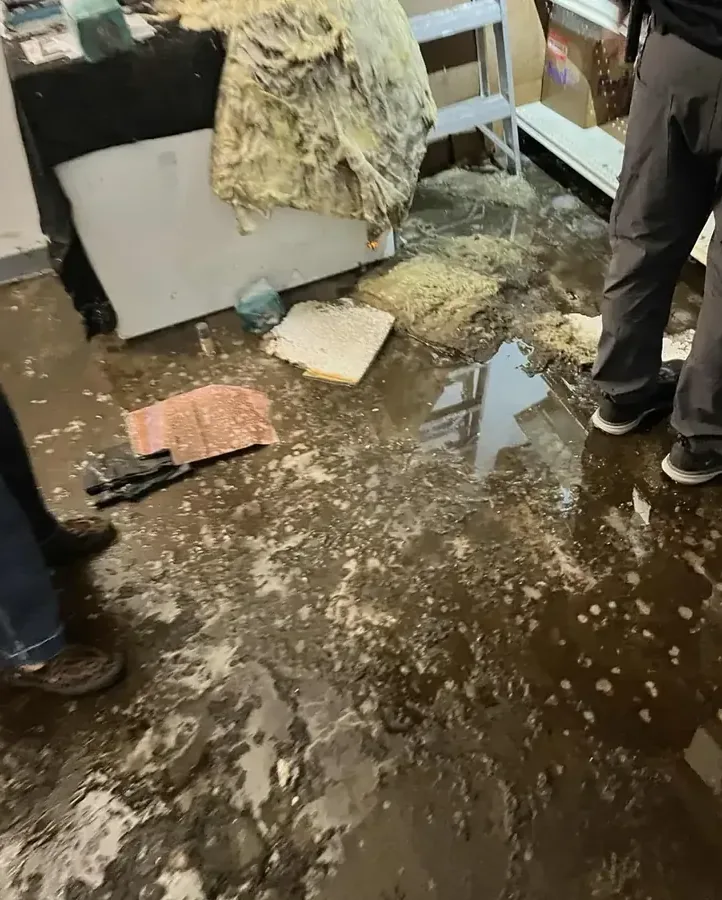
Sewage Backup Cleanup
Containment separates contaminated rooms while crews remove sewage-soaked porous finishes.
Service details ›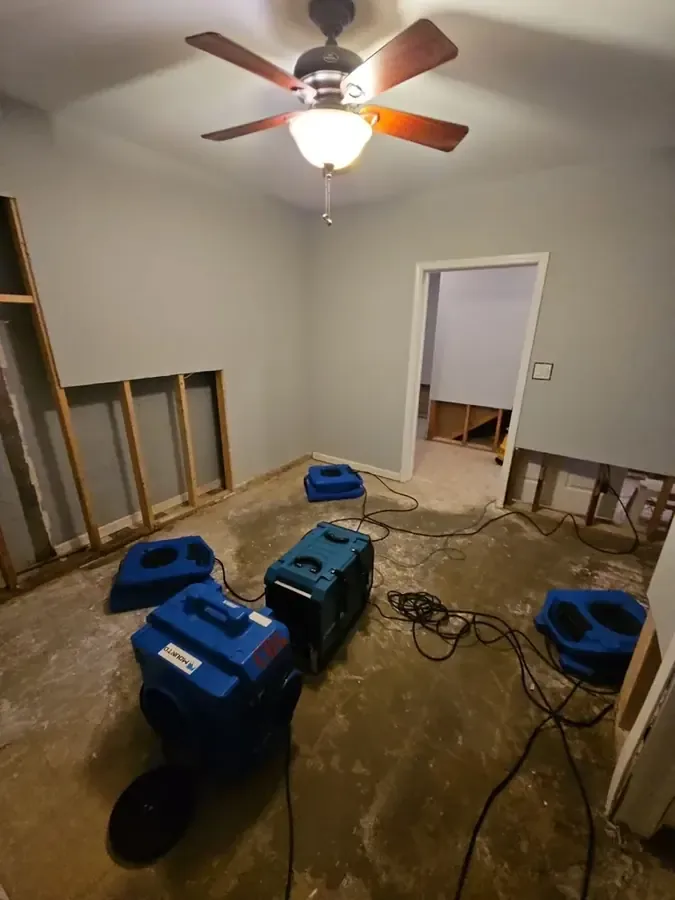
Structural Drying
Material readings determine equipment placement and the end of the drying phase.
Service details ›Basement Water Removal questions
Should a resident enter a wet basement to unplug equipment?
No. Water around electrical components requires qualified assessment, and an occupant should not cross standing water to reach a plug or switch. The area should remain restricted while the responsible building contact arranges help. A description of the equipment location can be provided from a safe dry position outside the affected space.
How does an occupied basement differ from a storage room?
Living areas can contain bedding, furniture and finished partitions that require separate contents and material decisions. The removal plan must also account for residents and safe access. Recording the room's use helps organize handling, inspection and drying around the actual occupied space instead of treating the entire loss as an empty-floor pumping task.
Is pumping enough when the lower floor is concrete?
The exposed concrete may be only part of the affected assembly. Wall bases, contents, floor coverings and adjoining utility spaces can retain moisture or contamination after the pool disappears. Inspection should evaluate those surfaces and the water source, then establish the cleaning and drying work needed for the materials left in place.
Why are wall openings sometimes needed after a basement flood?
Water can enter through low gaps and soak material behind the finished wall. An opening may be needed to evaluate or remove affected insulation and reach retained framing. The scope should explain the reason, document newly exposed conditions and identify how the remaining assembly will be dried before a replacement finish closes it.
Can dry belongings stay on shelves in the room?
Their protection needs depend on the water exposure, access and cleanup method. Some items may need relocation to keep them dry and permit inspection behind shelving. The handling plan should distinguish protected contents from affected belongings, while avoiding movement that carries moisture or contamination into an otherwise unaffected part of the building.
What source information is useful before water removal?
The property contact should report whether water continues entering and whether a plumbing failure, outside entry or drain backup has been observed. Available repair findings also help. The source and contacted materials influence access, handling and cleaning decisions, so the removal plan should not rely solely on how clear the water appears.
What should be resolved before the room is occupied again?
The responsible parties need a clear account of source correction, utility conditions and the state of the affected building materials. Restoration records should identify completed cleaning, drying observations and remaining repairs. Those details support the owner's occupancy decisions and help prevent wet or damaged assemblies from being concealed by an early return of contents.
Recover more than the open basement floor
A complete plan follows pumping with material checks and a clear account of the repairs still needed inside the room.
(888) 480-6221Arrange basement damage assessment