Roof Leak Water Damage in Roslindale, MA
A ceiling stain can sit below a much longer rain path. The restoration team traces roof leak water damage in Roslindale through attic materials, wet insulation and ceiling cavities after the roof source receives attention.
(888) 480-6221Discuss the rain-damaged interior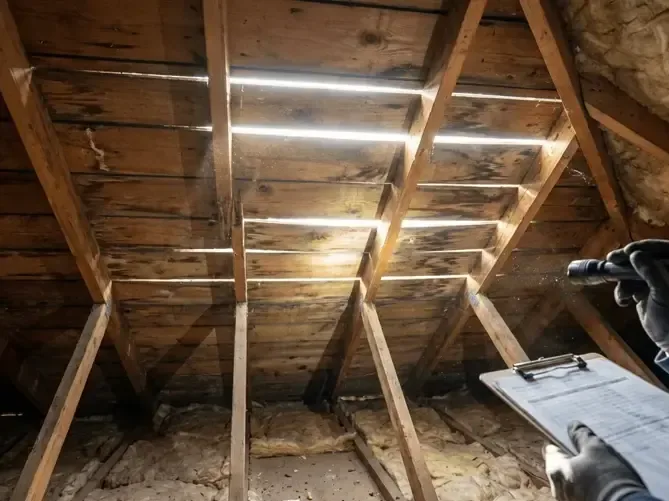
Rain can follow sheathing and framing before it reaches an interior ceiling. A stain near the wall may therefore sit away from the roof opening. In homes around Bussey Street, the Arnold Arboretum and Belgrade Avenue, the crew checks attic access, follows wet sheathing and records the ceiling areas reached below. Roof repair and interior drying require separate scopes, even when both respond to the same rainfall.
How roof leak water damage proceeds
Identify safe attic access
The contractor checks ceiling stability, access openings and electrical concerns. The initial record distinguishes the room with visible damage from the attic areas that still require direct inspection.
Coordinate roof source control
The roofing professional addresses entry from outside. The restoration crew maps the interior path and records which insulation, framing and ceiling materials remain wet after that source work.
Expose suitable drying surfaces
The agreed scope removes damaged or obstructing materials where needed. Equipment targets the retained assembly, with air movement and humidity control suited to the actual enclosed space and access.
Confirm progress before closing
Successive readings track the same framing and finish locations. The team investigates renewed moisture, documents the final drying condition and identifies separate insulation and ceiling repairs that remain.
Looking beyond the stain after a roof leak
The roofing professional identifies exterior defects and suitable temporary or permanent source control. The restoration technician checks the attic and ceiling assembly from a safe access point. Insulation can hide wet sheathing or hold water against a finish, so visible discoloration is only one part of the assessment. The crew records accessible material readings before deciding what needs removal.
- Check the path from the apparent entry toward rafters, insulation and the ceiling below rather than opening only the center of the stain.
- Record wet materials around roof penetrations or wall junctions when the actual inspection identifies those routes.
- Separate roof-covering work from interior extraction, insulation removal, drying and replacement finishes in the written scope.
- The roof and interior contractors should identify which access remains open during monitoring. Covering a cavity before the retained framing reaches its goal can remove the drying path and obscure renewed rain entry.
Roslindale includes multi-family residences as well as one-family homes. An upper-level leak can require coordination with the building owner for attic access even when the damage appears inside a single apartment. The contractor should establish who can authorize openings and how equipment reaches the work zone without blocking shared exits.
Drying the attic assembly without trapping moisture
Wet insulation can limit airflow and conceal saturated material behind it. The contractor evaluates its condition and whether removal gives necessary access to retained framing and ceiling surfaces. Air movement and dehumidification then support evaporation from those surfaces. The drying plan accounts for the enclosure and conditions rather than assuming that attic ventilation alone removes every pocket of moisture.
A roof repair may stop new rain while moisture remains in dense wood or behind a ceiling finish. The technician records repeated readings at the same locations and checks progress after weather changes. If water returns, the roof source needs reassessment; extending equipment use without investigating renewed entry does not address the cause.
- Photograph wet insulation before moving it so the initial condition stays in the record.
- Identify remaining inaccessible sections that prevent a complete moisture assessment.
- Keep ceiling replacement separate from the decision that framing has reached its drying goal.
Rain may have wetted insulation beyond the ceiling mark. Describe active dripping, attic access and any sagging finish so the contractor can assess the interior safely.
(888) 480-6221Review attic and ceiling damageOverhead water requires a clear room below
Residents should not climb onto a wet roof or enter an attic with uncertain footing and wiring. A bulging ceiling can release water and heavy finish material without warning, so the space beneath it should stay clear. The restoration contractor assesses safe access and coordinates electrical concerns before opening the assembly. Household occupants should avoid puncturing the ceiling or pulling saturated insulation themselves. Even a small stain warrants inspection of the cavity, surrounding framing and overhead safety. The professional assessment identifies the wet path and the work boundary while the roofing trade addresses continuing entry from outside.
Ready.gov storm precautions support staying clear of hazardous weather exposure. OSHA electrical safety information explains the importance of controlling electrical hazards around wet work.
Keeping the roof and interior records together
The loss file benefits from the roofer’s findings as well as photographs of wet insulation, ceiling damage and framing readings. Those records describe different parts of the event. The insurer evaluates the policy and cause, including any maintenance issue or sudden damage. The drying crew documents the restoration work and remaining interior repairs without promising a coverage outcome.
What does roof leak water damage cost in Roslindale, MA?
Interior roof leak cleanup and drying commonly range from $1,000 to $6,000. Attic access, wet insulation and ceiling spread influence the total, while roof repair and replacement interior finishes carry separate scopes.
Small interior wet area
$1,000 to $2,000
- Ceiling moisture checks
- Limited material access
- Focused drying
Attic and ceiling spread
$2,000 to $4,000
- Insulation assessment
- Framing access
- Equipment monitoring
Several rooms below
$4,000 to $6,000+
- Multiple ceiling areas
- Difficult attic access
- Expanded drying record
These ranges are estimates only. Water category, square footage, material class and the delay before drying affect the scope. The water damage cost calculator compares those variables before a property assessment.
What shapes the roof leak water damage plan
Rain path before patch size
The technician follows water across the assembly rather than using the visible stain as the entire scope. That approach helps identify wet material offset from the eventual ceiling opening.
Access through the right authority
A tenant may see damage without controlling attic access. The contractor coordinates with the owner or manager before opening common areas or arranging equipment through shared circulation space.
Insulation gets its own decision
Saturated insulation can hide moisture and interfere with evaporation. The crew assesses its condition, contact and accessibility instead of assuming that a room fan dries the material above the ceiling.
Weather changes remain relevant
New rain after source work can expose an unresolved opening. The contractor separates renewed entry from slow drying so the next action addresses the actual reason readings remain elevated.
Roof leak water damage coverage in Roslindale
The service area includes ZIP 02131, Roslindale Square, Adams Park, Washington Street, Belgrade Avenue, Cummins Highway, Canterbury Street and homes near the Arnold Arboretum. Crews assess each building's access and affected floors before placing equipment.
Coverage also includes Brookline, Hyde Park, Allston, Norwood and Holbrook.
Related water damage services in Roslindale
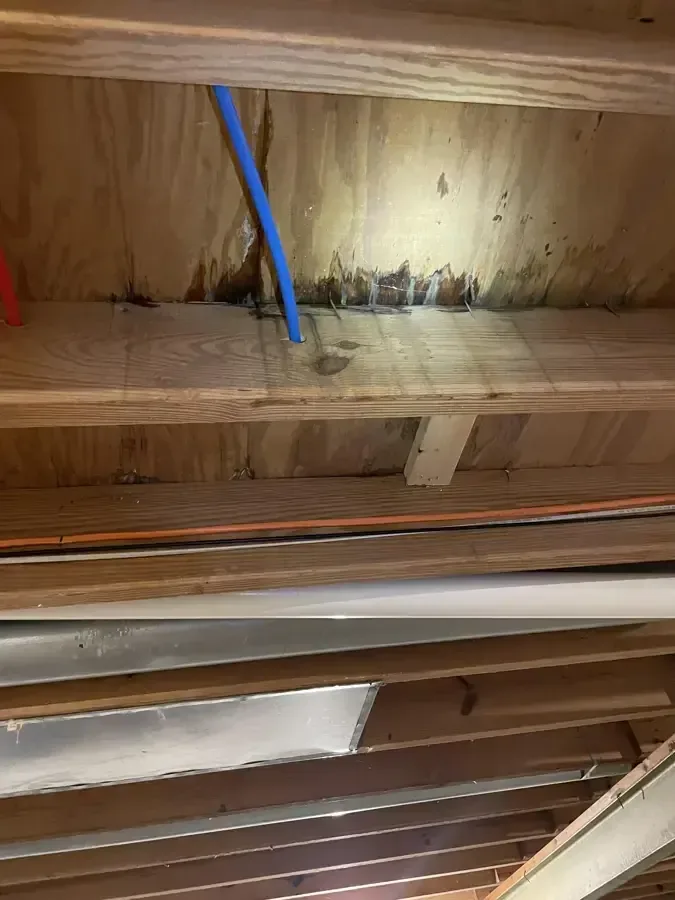
Ceiling Leak Water Damage
Overhead saturation calls for safe access and checks above the damaged finish.
Service details ›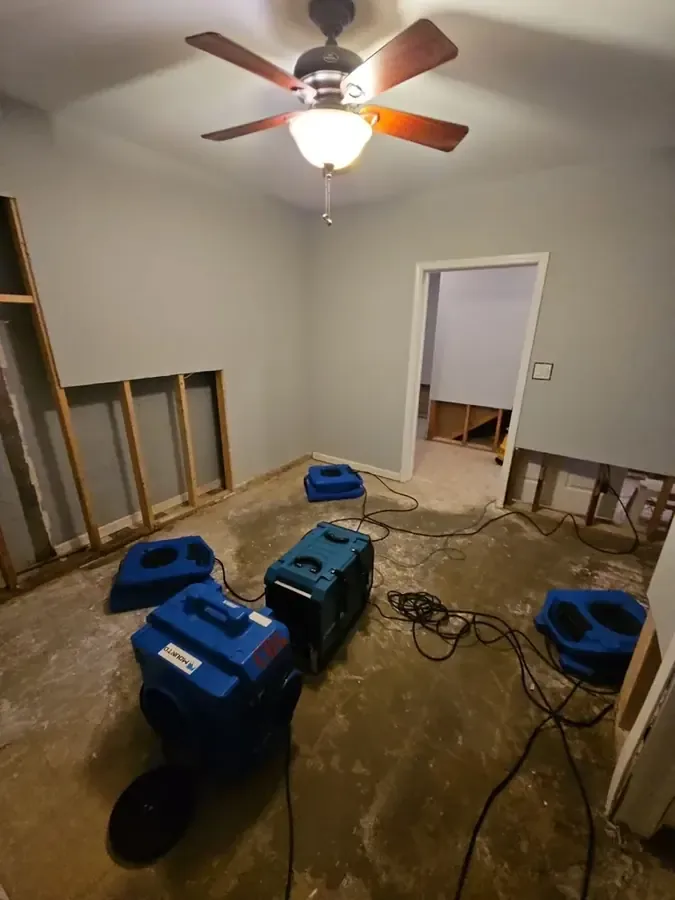
Structural Drying
Material readings determine equipment placement and the end of the drying phase.
Service details ›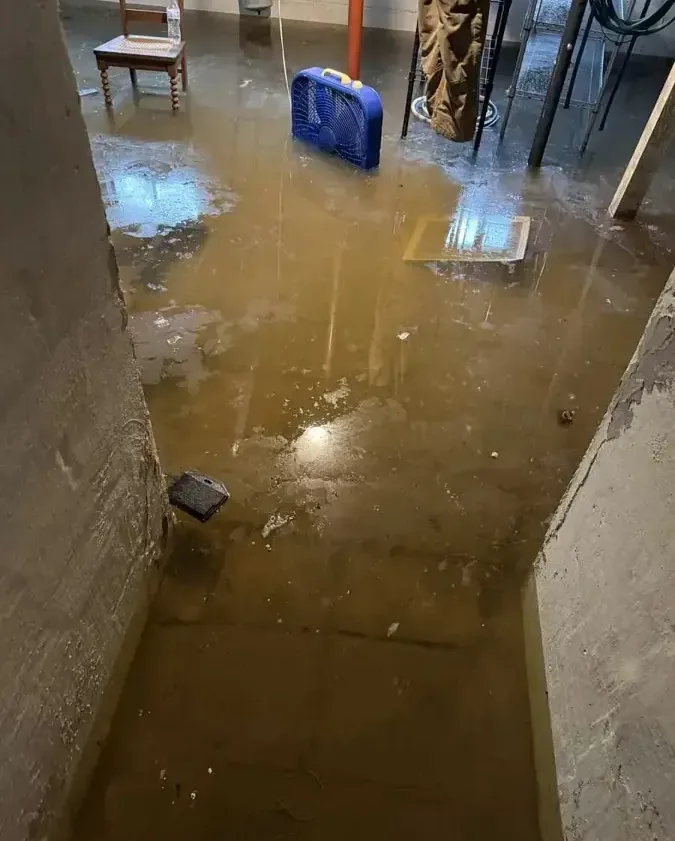
Storm and Flood Cleanup
Runoff brings a different cleaning problem from water released by a household pipe.
Service details ›Roof Leak Water Damage questions
Does the ceiling stain show the roof leak location?
Not necessarily. Rain can travel along sheathing, rafters and other surfaces before reaching the ceiling finish. The roofer investigates the exterior source while the restoration technician maps the interior damage. Opening the stain alone may miss wet insulation or framing farther along the route. The actual inspection determines the access and drying boundary.
Can interior drying start before permanent roof repairs?
The project needs suitable control of continuing entry before drying can progress reliably. A roofing professional determines whether temporary protection is appropriate while permanent work is arranged. The restoration team can assess safe interiors and document damage, but recurring rain into the same cavity can undo drying. The scopes should identify how that continuing exposure is managed.
Must all attic insulation be removed?
The contractor evaluates the affected material, contamination and access needed for drying. The inspection may support selective removal rather than treating an entire attic identically. Insulation that holds water or blocks access to wet surfaces needs specific attention. The crew should record the reason and extent before disposal, then explain what replacement work remains after the structure dries.
Why should a bulging ceiling remain untouched?
A saturated ceiling can conceal water weight, weakened fasteners and electrical components. Puncturing it without controlling the area can release water and finish material suddenly. Residents should keep clear and describe the condition to the response team. The contractor establishes a safe opening method and coordinates electrical concerns before working on the overhead assembly.
How does the crew know the roof leak interior is dry?
The technician follows material readings at repeat locations, compares suitable dry references and checks the enclosure conditions. Framing and concealed layers need moisture checks before the repaired finish closes the cavity. If readings remain elevated, the crew checks access and possible renewed entry. The final record should distinguish restoration drying from any separate requirements for replacement finishes.
What does the insurer need after rain enters the roof?
The owner should retain the roof findings, photographs of affected interiors and the restoration scope. Removal records and daily moisture logs help explain the drying work. Coverage depends on the policy and cause, including how the insurer treats maintenance and sudden damage. The contractor documents observations and itemizes the interior work so the owner can submit a clear record for the insurer's review.
Is roof leak cleanup available during an active storm?
Emergency dispatch operates 24/7, but safe access and the weather govern the work that can proceed. The household should report continuing entry and overhead hazards from a safe location. Roof access belongs to the appropriate professional. Residents should not climb onto a wet roof or enter an unsafe attic to prepare for restoration work.
Roslindale rain entry needs interior moisture checks
The restoration crew follows the attic water path and records the retained materials through drying after roof source control.
(888) 480-6221Arrange rain-loss drying