Water Extraction and Removal in Roslindale, MA
Standing water keeps feeding the building materials around it. The extraction crew removes pooled water in Roslindale, checks the source and maps the wet area before the drying team positions equipment.
(888) 480-6221Get pooled water assessed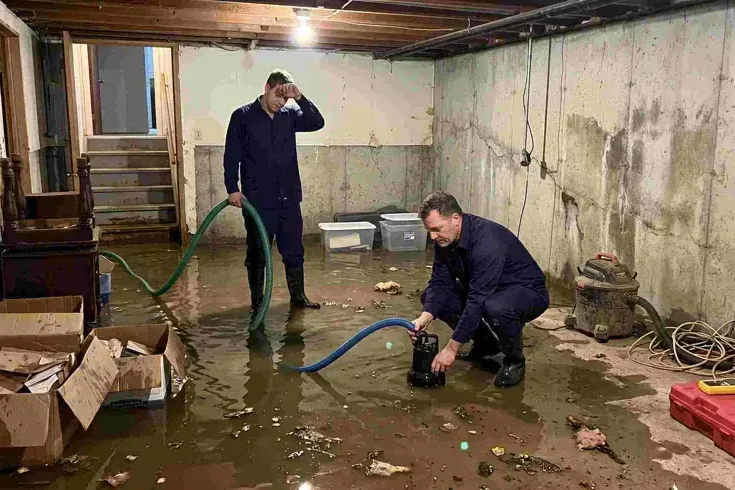
A puddle in one room can conceal a larger wet area beneath a threshold or floor covering. Water extraction in Roslindale starts with source control and a safe route to the affected space. Homes near Adams Park, Washington Street and Bussey Street receive an assessment of the actual floor assembly, including rooms beside and below the visible water. The crew chooses pumping or surface extraction according to depth, access and contamination.
How water extraction and removal proceeds
Confirm the entry route
The assessment identifies incoming water, available shutoffs and safe room access. The team records the visible extent before moving furnishings or running hoses through the property.
Choose removal equipment
Depth and surface type determine whether the crew uses a pump, a portable extractor or a floor tool. The operator also plans a suitable discharge path and checks electrical safety.
Work the concealed edges
Extraction follows room edges, transitions and accessible floor layers. The technician checks whether pad, wall bases or adjoining rooms hold water that the first pass could miss.
Hand over to drying
The crew records the remaining moisture and prepares an equipment layout for the wet materials. Continued readings, rather than a clear-looking floor, determine when restoration drying is complete.
Removing free water before it travels farther
Air movers do not replace bulk water removal. A pump handles pooled water where depth permits, while a suitable extraction tool draws liquid from accessible flooring. Carpet may need weighted extraction or removal depending on its backing, pad and water category. The operator works methodically around wall edges and room transitions rather than stopping when the center looks clear.
- The crew notes where the source entered and whether a valve, plumbing repair or outside condition has stopped the flow.
- The assessment records the affected flooring, wall bases and furniture contact points before movement changes the visible water pattern.
- Extraction equipment follows a safe power and discharge arrangement, keeping hoses away from the household's remaining access route.
- The extraction record should distinguish the free water removed from the material moisture left for drying. The technician notes inaccessible floor layers rather than treating the cleared walking surface as the entire affected assembly.
The residential mix matters. Northern parts of the neighborhood include two- and three-family buildings, so a loss may need access to more than the room where someone first notices it. The crew follows water through floor openings and checks lower ceilings, documenting each adjoining space that needs cleanup.
Matching extraction to the water source
Fresh supply water and water that has crossed a contaminated surface need different decisions. The restoration professional identifies the source, contact materials and time conditions before choosing a cleaning and drying scope. Sewage and outside floodwater require contamination controls; ordinary carpet extraction does not make a contaminated porous material suitable to keep.
A wall base can absorb water before a visible puddle reaches it. Moisture checks around partitions, cabinets and door frames help define the boundary for drying. The team marks repeat measurement points and compares them with unaffected materials of the same type. That record helps explain a drying plan that extends beyond the obvious wet spot.
- Protect unaffected belongings from wet contact instead of pushing them into another damp corner.
- Record any floor covering that must lift for access to trapped liquid underneath.
- Identify contamination concerns before directing air across an affected room.
Standing water can reach floor joints and wall bases before the surface looks worse. Describe the depth, source and affected rooms so the assessment starts with the right concerns.
(888) 480-6221Discuss the pooled-water scopeWhat makes standing water unsafe
Electrical uncertainty takes priority over recovering belongings. Residents should stay out of water near receptacles, appliances or a service panel and should not plug a household vacuum into a wet area. The response team checks safe access before extraction starts. A sagging ceiling, unstable floor or sewage odor adds reasons to keep the space clear. Concealed wiring and contaminated materials may sit below the surface even when water looks shallow. Qualified electrical and plumbing professionals address their respective hazards while the restoration contractor plans removal. Children and pets should remain outside the work zone.
The Ready.gov flood safety information covers standing-water precautions. The EPA leak-check information explains why stopping a supply leak is a separate first priority.
From an empty puddle to a dry assembly
Extraction ends the bulk removal phase, not the entire loss. Wall cavities, pads and subfloors can retain water after the surface clears. The drying team selects air movement and dehumidification for those materials, records initial readings and checks progress at the same points. Photos, equipment records and the moisture map document the transition from removal to drying for the property owner and insurer.
What does water extraction and removal cost in Roslindale, MA?
Water extraction commonly costs $500 to $3,500 for a contained residential area, with drying or contaminated material removal adding to the total. Depth, access, floor layers and the duration of wetting shape the scope.
Small accessible spill
$500 to $1,200
- Surface extraction
- Initial moisture checks
- Source review
Several wet rooms
$1,200 to $2,500
- Larger extraction area
- Floor edge inspection
- Equipment access planning
Deep or difficult water
$2,500 to $3,500+
- Pumping where suitable
- Difficult access labor
- Detailed wet-area mapping
These ranges are estimates only. Water category, square footage, material class and the delay before drying affect the scope. The water damage cost calculator compares those variables before a property assessment.
What shapes the water extraction and removal plan
A useful first assessment
The restoration professional distinguishes free water from moisture held in the assembly. That difference determines which equipment removes liquid and which equipment supports evaporation from materials afterward.
Attention to adjoining floors
A leak in a multifamily building can cross floor levels. Access coordination allows the technician to check the lower ceiling and avoids treating the visible room as the complete loss.
A category-specific scope
The cleaning plan follows the source and the materials contacted. The crew does not treat sewage-soaked carpet like a clean supply spill merely because both look wet.
Documentation while evidence remains
Photos before extraction show depth and affected contents. Later readings show what remains inside materials, giving the owner a record of why further drying or removal is necessary.
Water extraction and removal coverage in Roslindale
The service area includes ZIP 02131, Roslindale Square, Adams Park, Washington Street, Belgrade Avenue, Cummins Highway, Canterbury Street and homes near the Arnold Arboretum. Crews assess each building's access and affected floors before placing equipment.
Coverage also includes Brookline, Hyde Park, Allston, Norwood and Holbrook.
Related water damage services in Roslindale

Structural Drying
Material readings determine equipment placement and the end of the drying phase.
Service details ›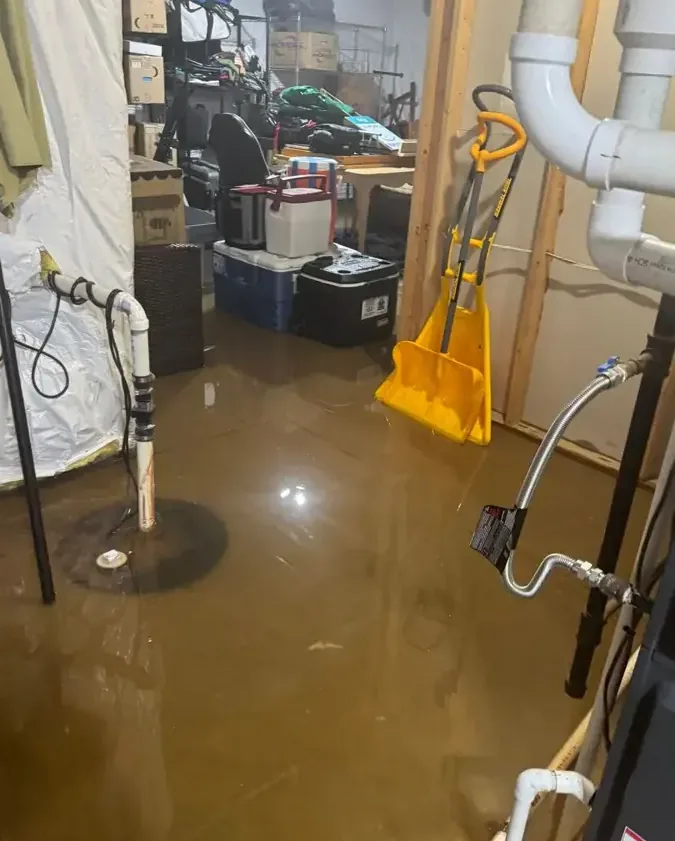
Basement Water Removal
Below-grade extraction starts with electrical clearance and the actual water entry route.
Service details ›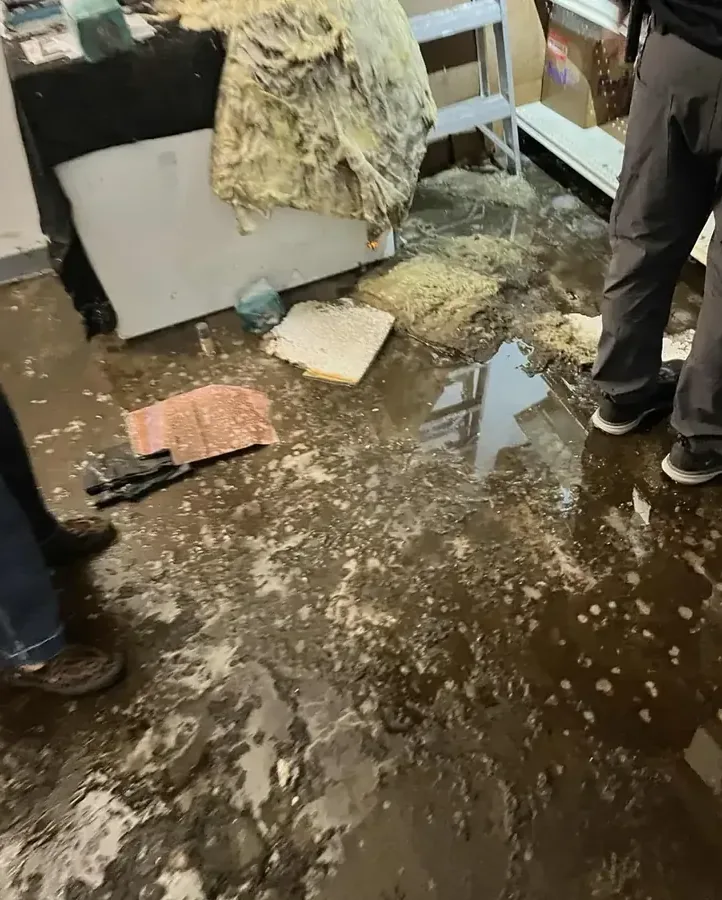
Sewage Backup Cleanup
Containment separates contaminated rooms while crews remove sewage-soaked porous finishes.
Service details ›Water Extraction and Removal questions
Can a wet vacuum handle the whole water loss?
A small clean spill may be manageable only when the area and power supply are safe, but a household machine does not assess trapped moisture or contamination. The restoration crew checks the full assembly. Water near electricity, sewage or an unstable ceiling requires professional assessment before any attempt to recover belongings or start equipment.
Why does extraction happen before fans?
Removing liquid directly is different from evaporating it. The extraction crew pulls accessible water first so the drying equipment can address moisture held in materials. Running fans over a puddle leaves much of that liquid in place and can spread contamination when the source requires containment. The sequence follows the conditions found during the assessment.
Does carpet always need removal?
The water source, exposure, backing and pad condition determine the answer. Clean water caught early may allow a different approach from sewage or outside floodwater. The technician checks underneath and explains whether removal creates necessary access or addresses contamination. A carpet that feels dry on top can still conceal a saturated pad or subfloor.
How does the crew find water beyond the puddle?
The technician checks neighboring rooms, wall bases, thresholds and any accessible space below the loss. Instruments support a moisture map, and direct inspection resolves areas where readings need context. Comparing wet and unaffected examples of the same material is more useful than treating every high reading as proof of the same amount of damage.
What happens after all visible water is gone?
The drying team records residual moisture and sets equipment for the affected structure. Floor layers, drywall and framing can stay wet after extraction. Repeat checks show whether the plan works and whether another opening is necessary. Equipment removal depends on the agreed drying goal, while rebuilding or replacing finishes remains a separate decision.
What documents help with an insurance claim?
Photos before removal, source observations, a room-by-room moisture map and equipment logs help explain the work. The owner should also keep the plumbing repair details when a supply leak caused the problem. The insurer determines coverage under the policy. Neither extraction nor emergency dispatch creates a promise that every associated cost is covered.
Can extraction be requested at night?
The service has 24/7 emergency dispatch for active water damage. The initial details should include whether water still enters, the rooms affected and any electrical or access hazards. The response plan depends on those conditions and available access. Residents should keep unsafe areas clear rather than enter standing water to speed up the work.
Roslindale water extraction starts with safe access
The extraction crew removes accessible liquid and records the moisture left in floors and walls for the drying plan.
(888) 480-6221Arrange standing-water removal