Structural Drying in Roslindale, MA
A room can look dry while its floor and wall layers still hold moisture. The drying team assesses retained materials in Roslindale, controls evaporation and documents progress toward an appropriate drying goal.
(888) 480-6221Discuss the remaining moisture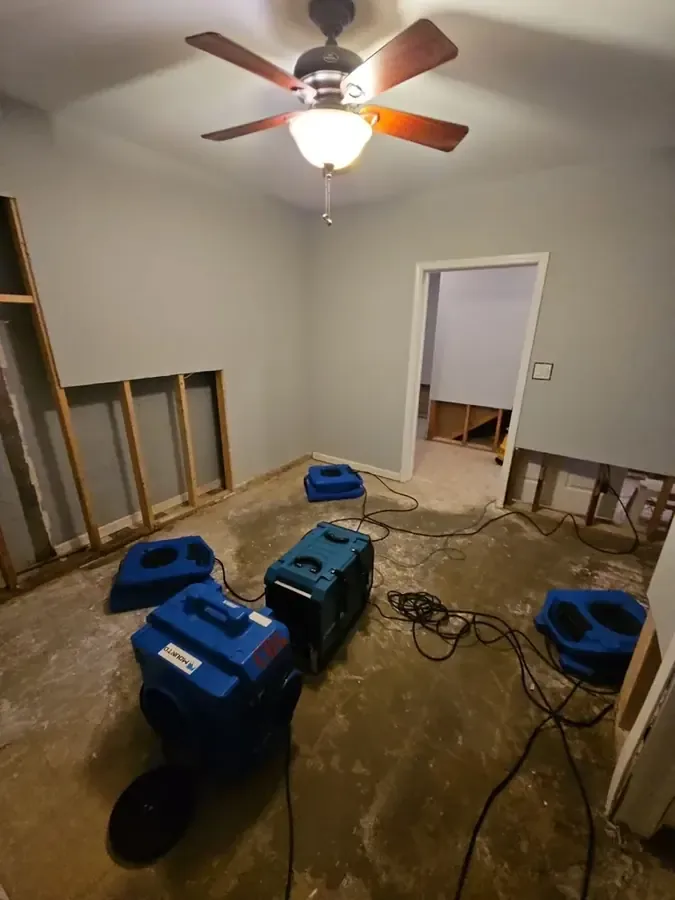
Structural drying addresses the water left inside materials after extraction. Around Adams Park, Bussey Street and Washington Street, the technician assesses the actual wood, plaster, wallboard or concrete at the property. Roslindale's range of residential buildings supports that material-by-material approach. A single room humidity reading cannot show whether a covered floor layer or wall cavity has reached an appropriate condition.
How structural drying proceeds
Define the retained assembly
The team confirms source control and the removal or cleaning already completed. The technician identifies the materials that remain wet and records access limitations before equipment selection.
Set goals and equipment
Comparable dry references and material requirements inform the drying goal. The contractor chooses air movement and dehumidification for the exposed moisture load, room conditions and safe electrical capacity.
Measure and adjust
Monitoring follows the same locations and notes air conditions. The crew changes access or equipment placement when readings indicate stalled progress, checking first for continued entry or a concealed wet layer.
Document the closing condition
The final record identifies materials that reached the goal and any remaining specialist testing or repairs. Equipment removal follows those findings rather than a preset rental period or surface appearance.
Building a moisture map with a useful reference
The technician records wet locations and compares them with suitable unaffected examples of the same material. Instruments and settings matter, because readings from different substrates are not automatically interchangeable. The map gives the crew repeat points for later checks and helps explain why one area needs access while another can remain intact.
- Identify the material and instrument at each measurement point so later readings support a meaningful comparison.
- Separate a surface observation from a cavity or substrate condition that requires direct access or another test.
- Record the drying goal and any manufacturer requirements relevant to a replacement finish before the room is closed.
- A change in meter, scale or measurement location should appear in the log. Without that context, an apparent drop may reflect a different method rather than actual progress in the same retained material.
IICRC S500 provides the industry framework for water damage restoration. The practical plan still depends on the inspected building. The drying team accounts for wet surface area, density and access rather than treating a standard as a fixed equipment count or a promise that every loss ends on the identical schedule.
Air movement and dehumidification work together
Air movers support evaporation from exposed wet surfaces. Dehumidifiers remove moisture from the air so that evaporation can continue under controlled conditions. Equipment placement considers safe power, room layout and the material load. A closed cabinet base or floor covering can prevent airflow from reaching the actual moisture, regardless of how many fans run in the room.
The technician checks temperature, humidity and material trends during monitoring. A plateau prompts investigation of access, equipment performance or a remaining source. Dense materials may release water more slowly than thin finishes. Changes to the setup should have a recorded reason, allowing the owner to understand why equipment moved or remained in place.
- Keep intake and discharge paths clear and avoid moving equipment without discussing the change.
- Use the same measurement locations to follow progress instead of comparing unrelated wet and dry spots.
- Investigate renewed wetting separately from ordinary slow drying in a dense assembly.
A dry-looking room can still hold moisture in the assembly. Describe the affected materials, prior extraction and any equipment already operating in the space.
(888) 480-6221Review the material drying planDrying does not replace removal or safety work
The crew does not use airflow to avoid necessary contamination cleanup or to repair weakened material. Sewage-contacted porous finishes need a removal assessment before drying the retained structure. Wet electrical systems, unstable ceilings and unresolved source leaks also require attention before equipment can operate safely. Occupants should keep cords and air paths undisturbed and report any new water or equipment interruption. A quieter machine or a dry touch is not a reason to disconnect the setup. The contractor explains safe access and equipment operation while measurements determine the remaining work and the eventual drying completion.
EPA indoor air information provides context for managing indoor conditions. OSHA electrical safety material supports appropriate power and access planning around equipment.
A drying log that explains the decision
The record includes initial moisture mapping, room conditions, equipment placement and successive material readings. Final measurements show the condition at the time equipment leaves and identify any separate flooring test or rebuild requirement. The insurer assesses that documentation with the policy and cause. The contractor should describe what the readings establish without treating structural drying as a warranty against every future moisture problem.
What does structural drying cost in Roslindale, MA?
Structural drying commonly ranges from $1,000 to $6,000 for equipment and monitoring after water removal. Wet material volume, access, density and drying duration drive the scope; source repair and reconstruction are separate.
Small exposed assembly
$1,000 to $2,000
- Focused equipment setup
- Initial moisture map
- Progress monitoring
Several rooms or cavities
$2,000 to $4,000
- Expanded dehumidification
- Multiple reading points
- Equipment adjustments
Dense or complex materials
$4,000 to $6,000+
- Special access needs
- Longer monitored drying
- Detailed completion record
These ranges are estimates only. Water category, square footage, material class and the delay before drying affect the scope. The water damage cost calculator compares those variables before a property assessment.
What shapes the structural drying plan
A reference before a number
A moisture value means more when the technician identifies the substrate and compares it with a suitable dry example. The record should make the comparison understandable to the owner.
Access before extra machines
Equipment cannot dry a sealed wet layer effectively without a path for evaporation. The contractor assesses coverings and cavities before assuming that another fan solves a stalled drying trend.
Monitoring supports changes
Daily observations show whether the current setup works. The team records equipment adjustments and their reasons so the scope follows measured conditions instead of an unexplained extension of runtime.
Clear limits at completion
Drying completion and rebuilding readiness are related but distinct. A floor installer may need a specific substrate test, and the contractor identifies that requirement rather than implying every finish can immediately return.
Structural drying coverage in Roslindale
The service area includes ZIP 02131, Roslindale Square, Adams Park, Washington Street, Belgrade Avenue, Cummins Highway, Canterbury Street and homes near the Arnold Arboretum. Crews assess each building's access and affected floors before placing equipment.
Coverage also includes Brookline, Hyde Park, Allston, Norwood and Holbrook.
Related water damage services in Roslindale
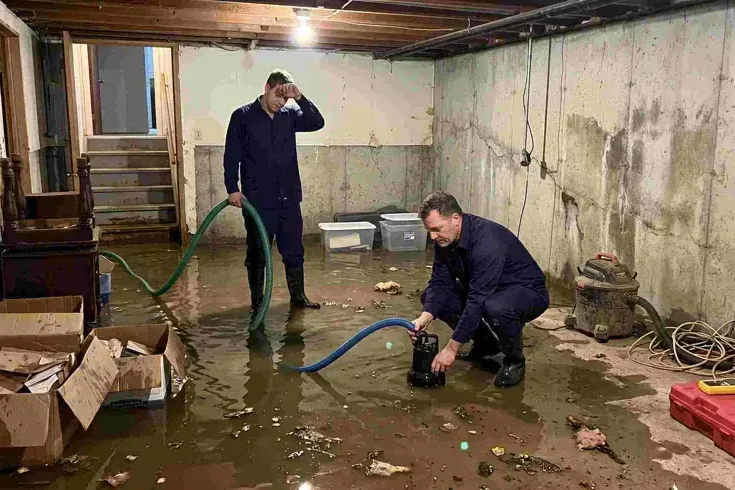
Water Extraction and Removal
Pumps remove pooled water while extraction tools reach carpet, floor joints and low spots.
Service details ›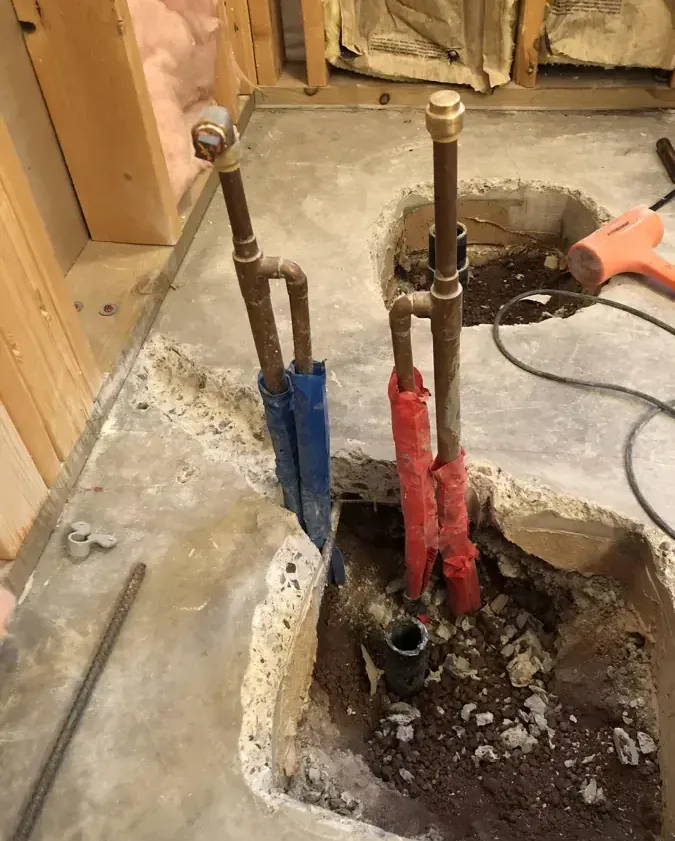
Slab Leak Water Damage
Moisture beneath floor coverings needs source tracing and measured concrete drying.
Service details ›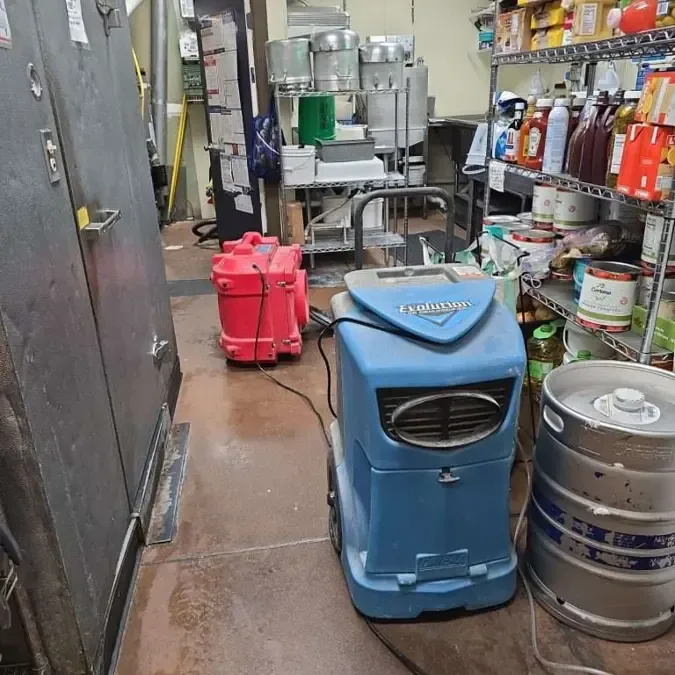
Commercial Water Damage
Documented work zones separate affected stock and interiors from safe access routes.
Service details ›Structural Drying questions
Why does a floor that feels dry still need equipment?
The surface can lose moisture before the substrate or layers beneath it. The technician checks retained materials at consistent locations rather than relying on touch. A covering may also prevent direct observation of the wet layer. Equipment remains when the measured condition and drying plan support it, with any need for better access explained separately.
What is the role of IICRC S500?
IICRC S500 is the industry standard framework for water damage restoration. It informs assessment and drying practices, but it does not assign one universal timeline or equipment count to every building. The contractor applies the approach to the actual source, materials and conditions, then documents the decisions and measurements that support the particular drying scope.
Do all materials use the same moisture percentage?
No. Instrument scales, substrate properties and testing methods differ. A useful record identifies the material and measurement method and compares suitable like-for-like conditions. The technician should explain the goal rather than quote a single number for wood, concrete and wallboard alike. Replacement flooring may also have manufacturer-specific tests beyond ordinary restoration monitoring.
Can windows replace a dehumidifier?
Outdoor conditions may help or hinder drying, and an uncontrolled opening can change the planned environment. The drying professional evaluates temperature and humidity before choosing ventilation or dehumidification. Occupants should discuss changes to windows, doors or equipment rather than assume outside air is always drier. Material readings show whether the chosen approach supports progress in the assembly.
What happens when readings stop improving?
The crew checks for a remaining water source, blocked airflow, insufficient access or an equipment issue. A dense material may also need a revised method. The response should have a documented reason. Simply leaving the same equipment longer without investigating the plateau can miss the condition that prevents the wet layer from releasing moisture.
Does drying make sewage-soaked material suitable to keep?
Drying alone does not resolve contamination. The contractor first assesses removal and cleaning needs, including porous finishes contacted by sewage. Structural drying then targets the appropriate retained assembly. The cleanup record and the drying record answer different questions, so the scope should not substitute a low moisture reading for completion of contamination-related work.
What should the owner receive when equipment leaves?
The completion record should identify the monitored materials, final readings and any remaining access limitation or specialist test. Equipment records and photographs help explain the work. The contractor also lists rebuilding needs separately. That documentation describes the condition at completion; the insurer still decides coverage, and a future leak requires a new source assessment.
Roslindale structural drying follows the readings
The technician maps retained moisture, controls evaporation and records the condition that supports equipment removal.
(888) 480-6221Arrange measured drying assessment