Storm and Flood Cleanup in Roslindale, MA
Water entering from outdoors brings soil and contamination into the cleanup decision. The restoration team assesses storm and flood damage in Roslindale, removes affected materials and dries the retained structure after safe access.
(888) 480-6221Discuss outside-water entry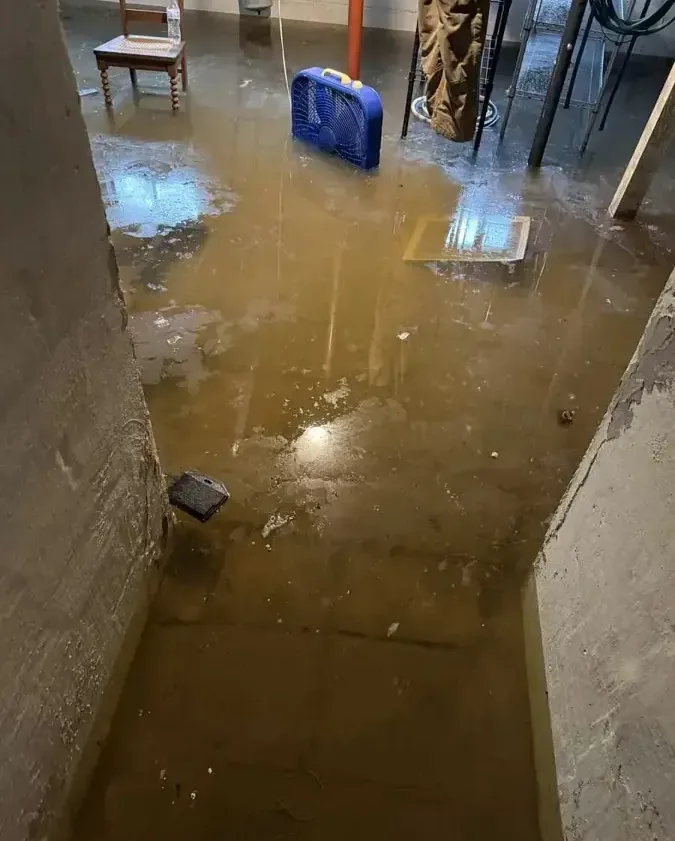
Water at a doorway, stairwell or foundation opening needs a different assessment from a clean supply spill. The cleanup crew identifies how it reached the building and whether entry continues. Near Canterbury Street, Cliftmont Street and Cummins Highway, a property inspection must distinguish rainfall runoff from damaged infrastructure or indoor plumbing. The documented Cliftmont Street main break in October 2017 shows why not every flooded street or room has a storm source.
How storm and flood cleanup proceeds
Check safe access and continuing entry
The response team identifies standing water, electrical concerns and exterior conditions before movement through the property. The owner reports whether the water is still rising or entering.
Record the water pathway
The inspection notes residue, openings and connected rooms. Photographs preserve the source evidence before extraction or removal changes the visible pattern along the floor and wall bases.
Remove contaminated material
The contractor defines the cleaning boundary and handles affected porous finishes accordingly. Suitable retained surfaces receive cleaning before the drying layout introduces controlled air movement through the structure.
Measure retained moisture
The drying team tracks exposed framing, floors and walls at repeat points. Records show progress, equipment changes and remaining repair needs after the standing water and contamination have been addressed.
Establishing the outside entry path
The contractor records openings, visible residue and affected interior surfaces before cleanup removes that evidence. A basement window, low doorway and roof opening are different routes and may require different source-control trades. The restoration team handles the wet interior while the appropriate professional addresses drainage, building-envelope damage or a public utility concern.
- The assessment asks whether outdoor water remains against the building and whether structural or electrical hazards prevent safe entry.
- The crew photographs the interior water path, residue and affected openings before removal changes their appearance.
- The cleanup plan distinguishes contamination carried from outdoors from water released by a fixture inside the property.
- The property record identifies observed entry points and the rooms reached during the current water loss. Exterior conditions and interior residue give the contractor a more useful basis for source coordination.
A map can support planning, but the actual building condition governs the immediate work. For a property near Adams Park, the first visit checks ground-level openings and follows visible water marks into affected rooms. The crew records safe access, ongoing entry and trapped moisture so drainage repairs and interior cleanup can proceed in the right order.
Cleaning before the structure dries
Outside floodwater can carry contamination into porous finishes. The contractor assesses removal of affected carpet, pad, insulation and wallboard rather than assuming that dry material is clean material. Debris handling follows a controlled route, and suitable retained surfaces receive physical cleaning before drying equipment spreads air through the work area.
The technician then checks the exposed structure for retained moisture. Floodwater can travel beneath floor coverings and into partitions beyond the obvious residue. Daily readings and photographs show the difference between bulk removal, cleaning and drying, so each stage has a defined purpose and a visible record.
- Separate wet contents from clean access routes and document their contact with water before movement.
- Record material removal boundaries, including wicking above the visible water mark.
- Recheck hidden edges when cleanup exposes a new cavity or flooring layer.
Outside water needs a source and contamination assessment. Describe the entry point, affected level and whether water remains against the building before cleanup begins.
(888) 480-6221Review the flood cleanup needsSafe re-entry and pumping decisions
Residents should not enter a flooded room while electricity, unstable finishes or contaminated water creates uncertainty. Deep water against a below-grade structure also requires a considered pumping plan; removing it without understanding exterior pressure can introduce structural concerns. The restoration contractor assesses the conditions and involves appropriate specialists where necessary. The household should keep children and pets out, avoid contact with residue and leave damaged electrical equipment untouched. The room needs a safety inspection after the puddle recedes. The work area remains restricted until the relevant hazards and cleanup stages have received attention.
Ready.gov flood preparation and recovery explains safe behavior around floodwater. The FEMA flood map information describes mapping tools without replacing a property inspection.
Separate the cause from the insurance decision
Storm damage, overland flooding, sewer backup and a supply break can receive different policy treatment. The contractor records observed entry and affected materials without promising which coverage applies. The owner should ask the insurer about the specific cause. Timestamped photographs, removal records and psychrometric logs explain the mitigation work, while drainage or building repairs remain distinct from drying the interior.
What does storm and flood cleanup cost in Roslindale, MA?
Storm and flood cleanup typically ranges from $2,500 to $12,000, with contamination, affected area and access producing wide variation. Exterior repairs, extensive contents work and rebuilding can increase the overall project.
Limited outside entry
$2,500 to $4,500
- Water removal
- Contact-area cleaning
- Initial drying checks
Several affected interiors
$4,500 to $8,000
- Porous material removal
- Controlled work zones
- Broader drying layout
Extensive flood exposure
$8,000 to $12,000+
- Complex extraction access
- Large removal scope
- Extended monitoring
These ranges are estimates only. Water category, square footage, material class and the delay before drying affect the scope. The water damage cost calculator compares those variables before a property assessment.
What shapes the storm and flood cleanup plan
A cause-specific assessment
Rainfall, public-main failure and indoor plumbing can all leave a wet room. The team records the observed route rather than using the appearance of standing water to decide its origin.
Contamination-aware handling
The cleanup scope follows what the water contacted before and inside the building. Porous finishes require a retention decision before fans start circulating air across the affected area.
Building conditions before pumping
The contractor considers safe power, access and below-grade pressure concerns. A quick removal plan should not ignore structural conditions simply because occupants want the visible water gone.
Clear records for review
Initial photos and daily drying notes serve different purposes. Keeping both allows the claim file to show the event and the later work without presenting cleanup as proof of coverage.
Storm and flood cleanup coverage in Roslindale
The service area includes ZIP 02131, Roslindale Square, Adams Park, Washington Street, Belgrade Avenue, Cummins Highway, Canterbury Street and homes near the Arnold Arboretum. Crews assess each building's access and affected floors before placing equipment.
Coverage also includes Brookline, Hyde Park, Allston, Norwood and Holbrook.
Related water damage services in Roslindale
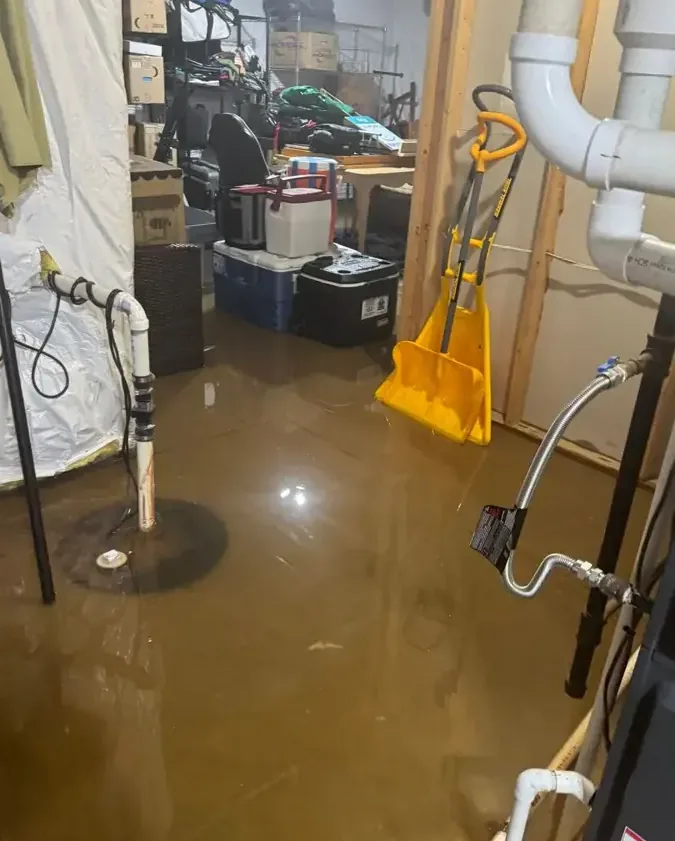
Basement Water Removal
Below-grade extraction starts with electrical clearance and the actual water entry route.
Service details ›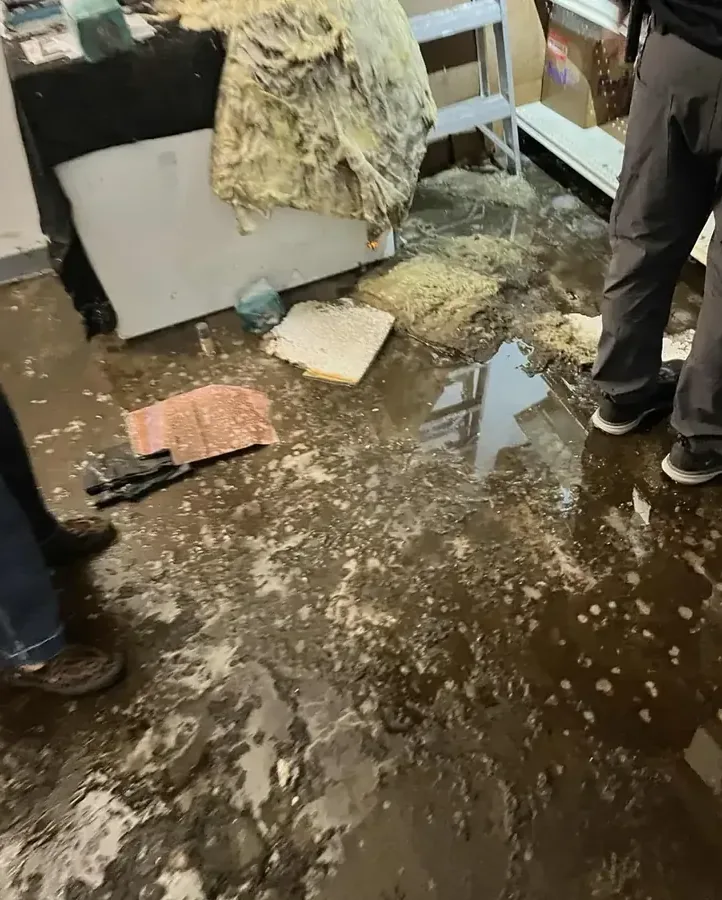
Sewage Backup Cleanup
Containment separates contaminated rooms while crews remove sewage-soaked porous finishes.
Service details ›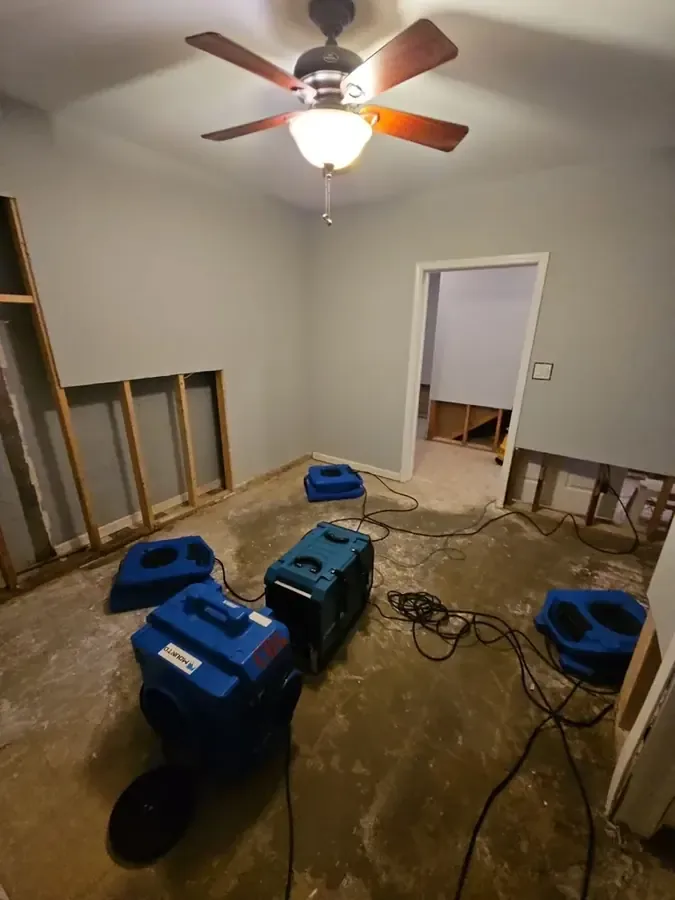
Structural Drying
Material readings determine equipment placement and the end of the drying phase.
Service details ›Storm and Flood Cleanup questions
Is stormwater inside a home treated like a pipe leak?
No. Water that travels over ground or through contaminated material requires a different assessment from clean supply water. The contractor identifies the route and contact before deciding which finishes can remain. The visible amount does not determine the cleaning category, and drying alone does not resolve contamination brought into the room.
Can a household enter after floodwater recedes?
Receding water can leave electrical hazards, slippery residue and weakened materials. Residents should keep the area clear until the relevant conditions have been assessed. Appliances and outlets that contacted water need qualified attention. The restoration team establishes a safe work route and explains access restrictions while cleanup, removal and drying continue.
Does a flood map establish how this room got wet?
A flood map is a planning tool, not a diagnosis of the specific loss. The inspection considers the actual entry route, residue and building openings. Rainfall runoff, a public main break and indoor plumbing can produce different evidence. The contractor records the entry route and source findings alongside photographs of the affected materials.
Why might drywall above the water mark need removal?
Porous material can wick water and contamination above the visible level. The crew assesses the actual extent rather than cutting only at the stain. Removal also exposes cavities that may retain moisture or residue. The contractor should explain the boundary, document the condition and separate cleaning needs from the later work of rebuilding the finish.
What determines the drying duration after a flood?
Material density, water exposure, access and remaining contamination affect the sequence. Cleaning and necessary removal precede structural drying. The technician follows moisture trends at repeat locations, checks room humidity and changes the equipment arrangement when progress slows. A predicted number of days is a planning estimate, insufficient evidence that the structure meets its drying goal.
Does a standard homeowners policy cover all storm water?
Coverage depends on the policy and the cause of entry. Overland flooding, sewer backup and sudden interior damage may fall under different terms or separate coverage. The owner should ask the insurer about the event directly. The restoration file documents the observed damage and work for the insurer to review alongside the policy terms.
What information helps with emergency storm cleanup?
The first discussion should identify whether water still enters, which levels are affected and whether anyone has noticed electrical or structural hazards. Emergency dispatch operates 24/7. Photos taken from a safe location can help describe the loss. No household should enter dangerous water or climb onto a damaged roof to collect more detail.
Roslindale storm water needs a defined cleanup scope
The restoration team records the water path, removes contaminated finishes and measures the retained structure through drying.
(888) 480-6221Arrange outside-water cleanup