Ceiling Leak Water Damage in Roslindale, MA
An upstairs fixture or supply leak can saturate a ceiling before a drip appears. The restoration team assesses ceiling leak water damage in Roslindale, secures the area below and checks the hidden assembly.
(888) 480-6221Discuss overhead water damage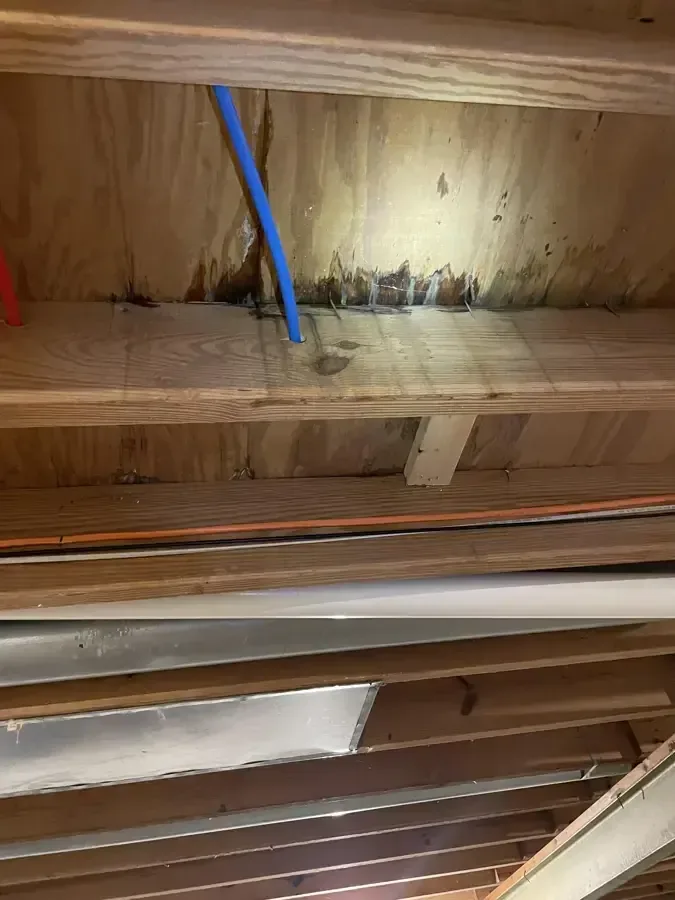
A ceiling leak is an interior pathway problem until the source investigation proves otherwise. A bathroom, supply connection or appliance above may release water that travels along framing before emerging below. Roslindale's northern residential areas include two- and three-family buildings, making access between occupied floors particularly relevant. Near Washington Street, Roslindale Square and Cummins Highway, the assessment checks the real building arrangement rather than assuming that the stain sits directly below the failed fixture.
How ceiling leak water damage proceeds
Restrict the area beneath
The team checks ceiling deformation, electrical exposure and a safe path through the room. Occupants remain outside the overhead hazard while the contractor records the initial condition.
Investigate the upper source
Access to the floor above supports a plumbing or fixture diagnosis. The technician maps affected materials below while the appropriate repair professional identifies how water entered the cavity.
Open for controlled drying
The agreed removal scope addresses unstable or unsuitable finishes and gives access to wet structural surfaces. Airflow and dehumidification then target the exposed joists and underside of flooring.
Verify before finish repairs
Repeat readings show the condition inside the cavity rather than only the ceiling face. The crew documents drying completion and identifies remaining electrical, insulation and finish work for the owner.
Checking the space above the ceiling
The restoration technician asks when dripping occurs and whether fixture use changes it. A plumber investigates supply or drain components where appropriate. The crew records the wet ceiling, nearby walls and the floor above, because stopping the leak does not reveal how much water remains in the assembly. A thermal pattern helps target inspection but needs confirmation with material checks.
- Coordinate access to the upper room or apartment before deciding that the source is a roof problem.
- Inspect floor penetrations, wet insulation and joist bays that can carry water away from the initial release.
- Document the extent of weakened finish material and keep the area below it clear during assessment.
- Permission to inspect the upper room should be recorded with any remaining access limitation. The lower ceiling assessment may remain incomplete until the team can check the source and assembly above it.
Shared access can affect the sequence. The owner or manager may need to arrange entry to an upstairs unit while the restoration contractor protects the lower room. For affected premises near Adams Park, the work plan identifies the building contact, the room above and any areas that must close while overhead materials are assessed.
Opening and drying a wet ceiling cavity
The contractor chooses an opening method from the ceiling condition, contamination and access needs. Some material requires removal because it has lost integrity or prevents the wet assembly from drying. Other material may remain when its condition and the drying plan support retention. The crew photographs the assembly as it opens, preserving evidence before disposal.
Exposed joists, the underside of flooring and adjoining wall cavities each receive moisture checks. Air movement needs a path to the wet surfaces, while dehumidification removes the evaporated moisture. The technician records readings and checks for a continuing source above if the cavity does not progress. Painting over a stain does not address trapped moisture or an unresolved plumbing fault.
- Keep access openings sufficient for inspection and drying without treating every ceiling surface as damaged.
- Record the water category before deciding which porous finishes can remain.
- Separate overhead drying work from electrical repairs and final ceiling replacement.
A ceiling mark may hide a wet cavity or an upstairs source. Describe sagging material, active dripping and access to the room above before work starts.
(888) 480-6221Review the ceiling-loss scopeA sagging ceiling is a restricted area
Residents should avoid standing beneath a bulge or pushing on softened drywall. A ceiling can hold water behind a finish that releases suddenly, and nearby lighting may introduce an electrical hazard. The restoration crew evaluates the area before controlled opening. The household should not drill a drain hole, remove a light fitting or pull down wet material without a professional plan. Furniture can wait when the route passes below unstable surfaces. The team coordinates qualified electrical attention and keeps occupants outside the work zone until overhead access, water release and debris handling are controlled.
OSHA electrical safety material covers the hazards that wet fixtures can introduce. EPA household leak information explains why fixture and supply checks matter above the visible damage.
Recording the upper source and lower damage
The restoration file links the source findings with photographs from both affected levels. Daily measurements identify the retained joists and floor layers being dried. The owner should ask the insurer about the cause, policy responsibilities and any separate interests in a multi-unit building. The contractor records completed drying work and outstanding repairs so the property manager and insurer can review their respective next steps.
What does ceiling leak water damage cost in Roslindale, MA?
Ceiling leak cleanup and drying commonly range from $900 to $5,500. The affected ceiling area, cavity access, source category and damage to the floor above determine the scope; plumbing and final finish repairs are separate.
Localized ceiling wetting
$900 to $1,800
- Safety assessment
- Small access area
- Targeted readings
Joists and adjacent walls
$1,800 to $3,500
- Controlled finish removal
- Cavity airflow
- Drying documentation
Multiple rooms or levels
$3,500 to $5,500+
- Broader access coordination
- Additional drying zones
- Expanded material record
These ranges are estimates only. Water category, square footage, material class and the delay before drying affect the scope. The water damage cost calculator compares those variables before a property assessment.
What shapes the ceiling leak water damage plan
The stain is a clue
The visible mark helps locate inspection, but framing can carry water sideways. The contractor follows the path above it before setting the boundaries for opening or equipment placement.
Coordination between occupied floors
An upstairs source can affect a separate household below. The work plan establishes access and authorization with the owner or manager so the source and consequences receive attention together.
Controlled removal protects access
A safe opening requires attention to water weight, loose finish material and nearby electrical components. The team establishes the work area before disturbing a saturated overhead assembly.
Measurements inside the cavity
A painted surface can hide remaining moisture. The drying record follows retained joists and floor layers so the later ceiling repair rests on more than the appearance of the stain.
Ceiling leak water damage coverage in Roslindale
The service area includes ZIP 02131, Roslindale Square, Adams Park, Washington Street, Belgrade Avenue, Cummins Highway, Canterbury Street and homes near the Arnold Arboretum. Crews assess each building's access and affected floors before placing equipment.
Coverage also includes Brookline, Hyde Park, Allston, Norwood and Holbrook.
Related water damage services in Roslindale
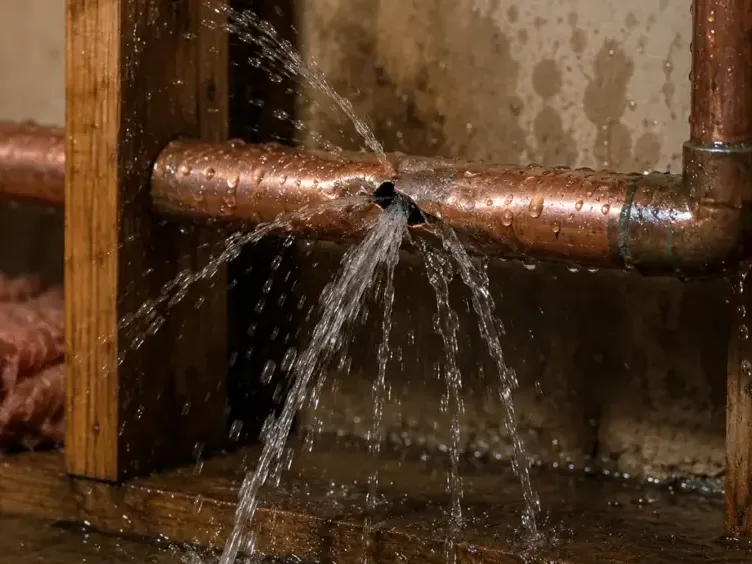
Burst Pipe Water Damage
A stopped supply leak still leaves wet wall cavities, insulation and floor layers to assess.
Service details ›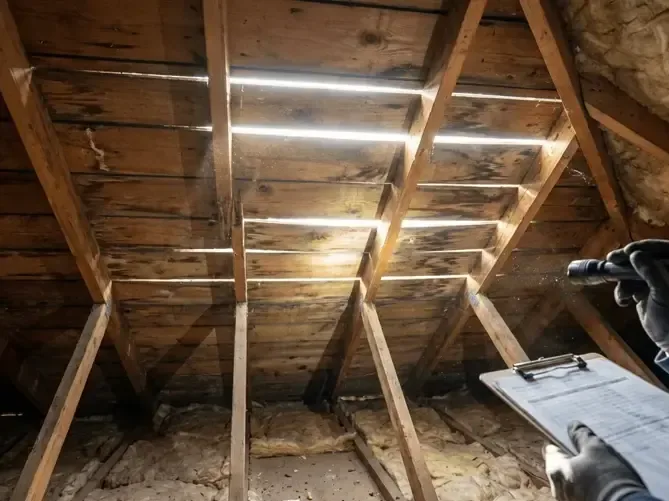
Roof Leak Water Damage
Attic inspection follows the rain path beyond the visible ceiling stain.
Service details ›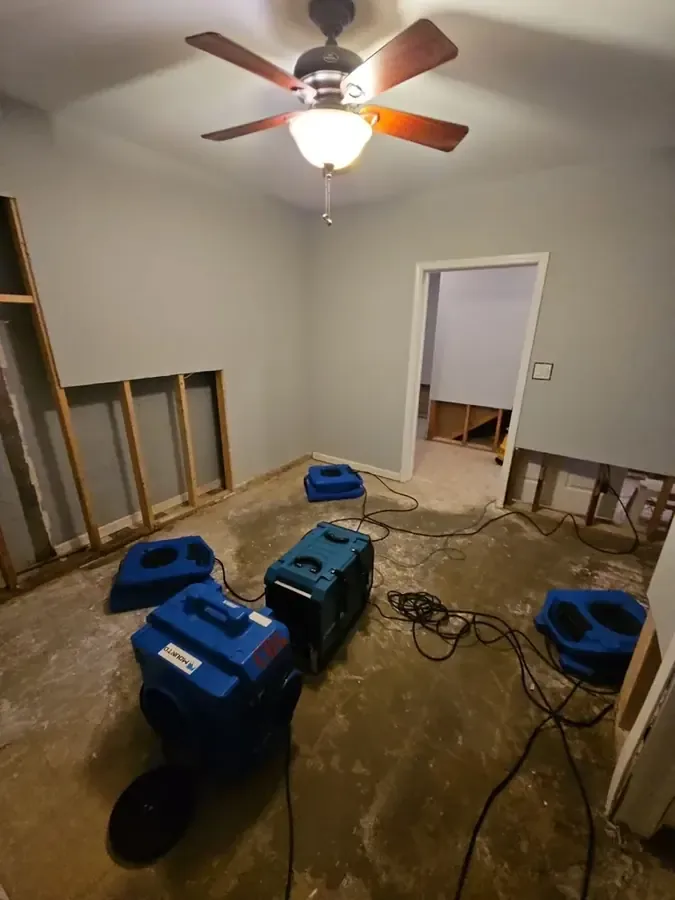
Structural Drying
Material readings determine equipment placement and the end of the drying phase.
Service details ›Ceiling Leak Water Damage questions
Should someone puncture a ceiling full of water?
A household should keep clear of a bulging or softened ceiling and leave controlled opening to professionals. Water weight, loose material and concealed electrical components can create hazards. The restoration contractor establishes a safe work zone and evaluates the assembly before disturbing it. Draining a visible pocket without that plan can expose people and furnishings to a sudden release.
How does the team tell whether the roof caused the leak?
The inspection checks the floor or cavity above and considers when water appears. Fixture use, supply conditions and rainfall can offer different clues, but none replaces direct investigation. A plumbing professional or roofer addresses the relevant source. The restoration crew records the wet path and does not label every ceiling stain as a roof failure.
Does the entire ceiling need replacement?
The condition of the finish, contamination and access needs determine the removal boundary. Some losses permit selective work, while other areas have weakened or concealed wet material that needs a wider opening. The contractor should explain the evidence before demolition. Drying retained framing and replacing the finish are related stages with separate completion requirements.
Why is access to the upstairs apartment necessary?
The lower stain may be only the exit point of water that entered elsewhere. Access above helps the repair professional identify the source and allows the drying team to check the floor assembly. The owner or manager coordinates permission and scheduling. Without that access, the lower room alone may not show whether new water continues to enter.
Can the room be used while the ceiling dries?
That depends on overhead stability, electrical safety, contamination and the equipment layout. The contractor explains which areas remain restricted and where safe circulation is possible. A working dehumidifier does not by itself make a room suitable for normal use. Occupants should follow the work boundary until the relevant hazards and removal stages have been addressed.
What measurements matter before closing the ceiling?
The technician checks retained joists, the underside of the upper floor and adjacent wall materials at consistent locations. Air conditions help interpret the drying progress. The final scope should identify any inaccessible area or remaining source concern. A dry face or a faded stain cannot prove that the concealed assembly is ready for insulation and new finish material.
What paperwork helps when two units are involved?
Photos from both levels, source findings, access records and a clear restoration scope help describe the event. Drying logs show which retained materials received attention. Each owner should review insurance responsibilities with the relevant insurer or property manager. The restoration crew documents physical conditions; it does not decide liability between units or promise how a claim is allocated.
Roslindale ceiling damage needs safe cavity access
The restoration team follows the upper source and measures the retained ceiling assembly before finish repairs proceed.
(888) 480-6221Arrange overhead-loss drying