Burst Pipe Water Damage in Roslindale, MA
A broken supply pipe can wet several rooms before the valve closes. The restoration team assesses burst pipe water damage in Roslindale, extracts accessible water and checks the cavities along its path.
(888) 480-6221Discuss the pipe-water spread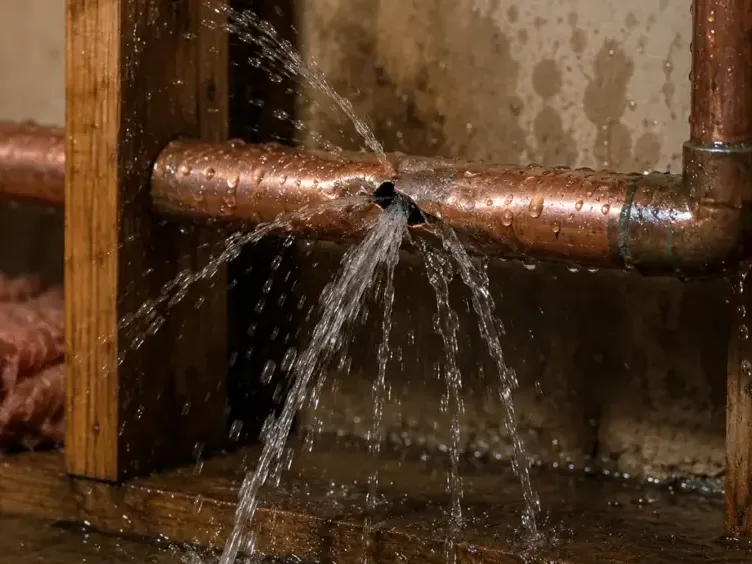
Closing the supply valve stops new water but leaves the released volume inside the building. Around Belgrade Avenue, Washington Street and Adams Park, the restoration assessment follows that water through doorways, floor joints and wall openings. Roslindale’s mix of single-family and multifamily residences makes the route through the individual building more useful than an assumption about construction age. A plumber repairs the source while the drying team evaluates its consequences.
How burst pipe water damage proceeds
Stop the continuing release
The owner or plumber isolates the supply when safe. The response team asks whether water still enters and checks the route to the affected rooms before equipment moves inside.
Trace the full wet path
The technician examines nearby wall cavities and the level below, recording materials rather than only puddles. The assessment marks areas that need access before a drying plan can work.
Extract and expose where needed
The crew removes accessible water and evaluates coverings, insulation and finishes. Selective openings target trapped moisture while the plumber handles repair of the failed supply component.
Track drying through completion
The drying professional checks the same material locations on successive visits, adjusts airflow when needed and records the final conditions. Rebuilding follows its own scope after the drying phase.
Following the pressure leak through the building
A supply break can spray directly into insulation or discharge behind a cabinet. The room where water first appears may be below or beside the failed section. The inspection checks accessible cavities, wall bases and the ceiling underneath. Thermal imaging can help locate an area for closer investigation, but the technician confirms material moisture rather than treating a temperature pattern as proof.
- Record the shutoff location and whether the plumber confirms that the failed supply has stopped feeding the loss.
- Check the back of cabinets and partitions where pressurized spray can bypass the visible floor entirely.
- Identify any second affected level before limiting extraction and drying to the room with the largest puddle.
- When the plumber restores service, the team should record any renewed wetting separately from the original release. A second observation may require a changed source investigation and an updated moisture boundary.
Wet insulation can restrict evaporation inside a wall even after the face looks dry. The contractor explains any selective opening needed to reach that material. The scope separates access for plumbing from access required to dry the structure, so the household can understand why one repair opening may not serve both purposes.
Extraction after the broken pipe is isolated
The crew removes free water from accessible floors, then evaluates the condition of coverings and pad. Clean supply water can change as it contacts dirty materials or remains in place. The restoration professional assesses the category at the property rather than treating every pipe loss as permanently clean. The drying layout follows the wet material load and safe electrical capacity.
Air movers support evaporation at exposed surfaces while dehumidifiers remove moisture from the air. A wet cavity that remains closed may need another access method. The technician compares readings at consistent locations, notes changes in air conditions and investigates a plateau instead of assuming that equipment runtime alone proves progress.
- Preserve photographs of the initial spread and the damaged pipe when access permits.
- Keep the plumber’s repair record alongside the restoration scope and affected-room map.
- Separate drying completion from replacement of drywall, trim, flooring or cabinetry.
A repaired pipe can leave water inside walls and floors. Describe where the break occurred and which rooms below or beside it show moisture.
(888) 480-6221Review the supply-water damageSafe first decisions during a pipe release
Residents should use a supply shutoff only when the route is dry and safe. Water around a panel, outlet or energized appliance calls for qualified electrical attention, not a walk through the puddle. A ceiling that bulges below the leak also needs a clear area beneath it. The restoration crew checks those hazards before opening finishes or placing equipment. The household should avoid puncturing an overhead water pocket and should not assume that switching off a wall control isolates concealed wiring. Children, pets and unnecessary visitors should remain outside the affected work area until the contractor establishes a safe route.
EPA leak detection information describes household supply clues. Ready.gov water safety precautions explain why electricity and standing water need careful separation.
Documenting the resulting damage
The claim file distinguishes the broken supply from the materials it wetted. The team records initial photographs, category observations, removed finishes and daily moisture results. The insurer assesses the cause and policy terms, including any distinction between the failed pipe and the resulting damage. A clear scope also identifies remaining repairs so drying equipment removal does not imply that the room is ready for every normal use.
What does burst pipe water damage cost in Roslindale, MA?
Burst pipe water damage cleanup often falls between $1,000 and $6,500, depending on the volume released and concealed spread. Plumbing repairs and rebuilding are separate from extraction, removal and drying.
One contained room
$1,000 to $2,500
- Accessible water removal
- Wall-base checks
- Small equipment layout
Walls and adjoining rooms
$2,500 to $4,500
- Selective material access
- Broader moisture map
- Daily drying checks
Multiple levels affected
$4,500 to $6,500+
- Ceiling and cavity access
- Larger equipment demand
- Detailed room records
These ranges are estimates only. Water category, square footage, material class and the delay before drying affect the scope. The water damage cost calculator compares those variables before a property assessment.
What shapes the burst pipe water damage plan
A shutoff is a beginning
Source control prevents further release, but the stored water still needs extraction and drying. The team makes that distinction clear when explaining the work that follows the plumbing visit.
Checks above and below
A pipe in a shared wall or upper room can affect multiple spaces. The crew coordinates access with the owner or manager before deciding that a lower ceiling is unaffected.
Materials set the method
Wet pad, insulation, wood and concrete do not respond identically. The contractor chooses access and equipment from the inspected assembly rather than using a single room-wide fan arrangement.
A file that follows the cause
Source photographs and repair notes sit beside the moisture map. That combination helps describe the event without asking the drying log to establish how the pipe failed.
Burst pipe water damage coverage in Roslindale
The service area includes ZIP 02131, Roslindale Square, Adams Park, Washington Street, Belgrade Avenue, Cummins Highway, Canterbury Street and homes near the Arnold Arboretum. Crews assess each building's access and affected floors before placing equipment.
Coverage also includes Brookline, Hyde Park, Allston, Norwood and Holbrook.
Related water damage services in Roslindale
Water Extraction and Removal
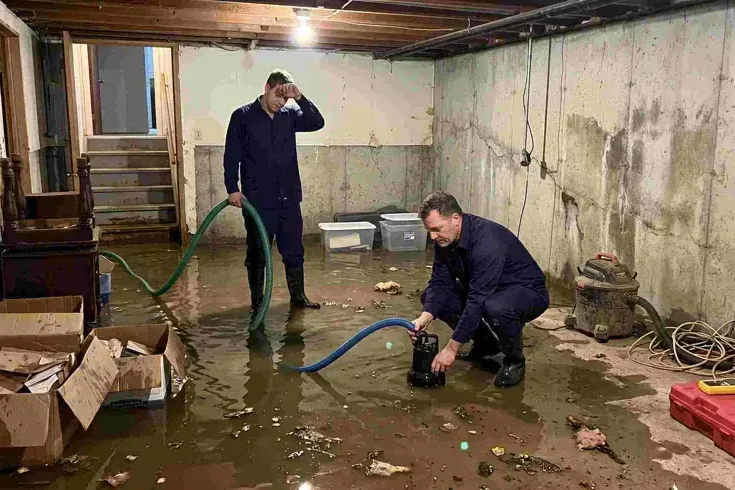
Pumps remove pooled water while extraction tools reach carpet, floor joints and low spots.
Service details ›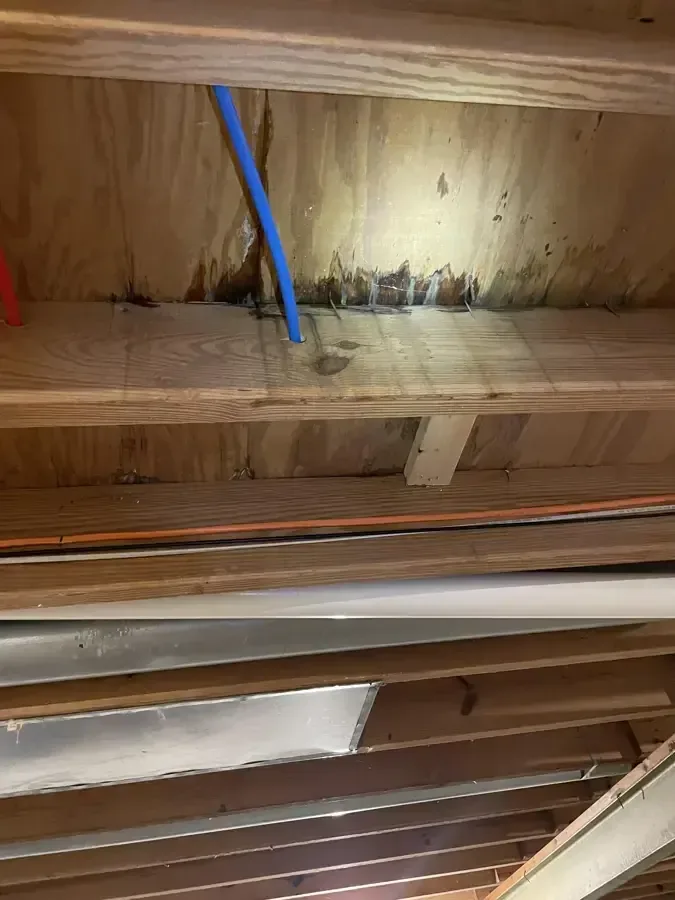
Ceiling Leak Water Damage
Overhead saturation calls for safe access and checks above the damaged finish.
Service details ›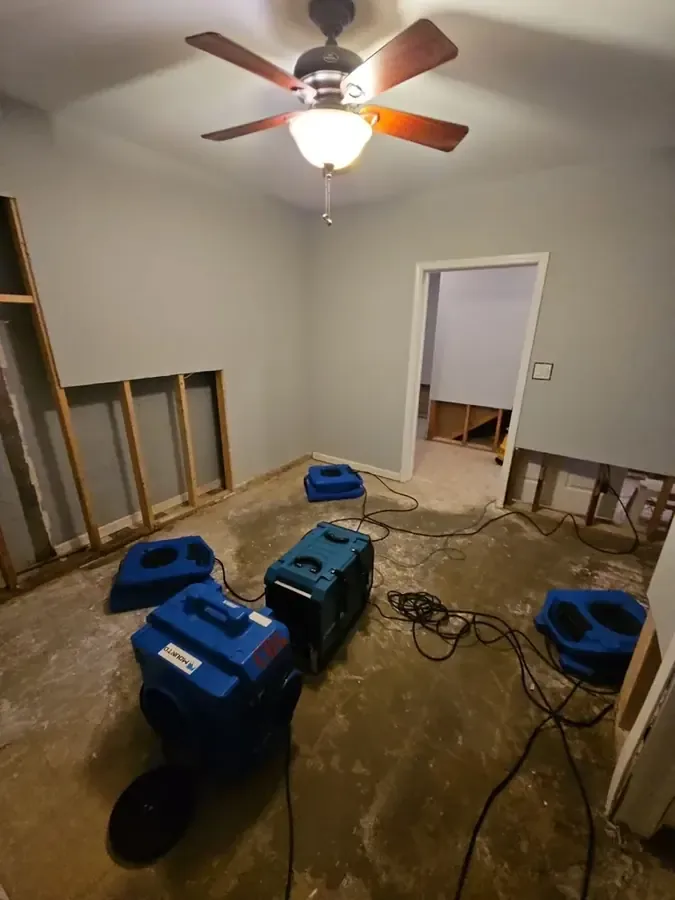
Structural Drying
Material readings determine equipment placement and the end of the drying phase.
Service details ›Burst Pipe Water Damage questions
What happens first when the supply pipe breaks?
The continuing release needs a safe shutoff or a plumber’s intervention. Residents should not cross water near electrical equipment to reach a valve. The restoration team then checks the wet areas, extracts accessible water and plans structural drying. Repairing the pipe and drying the building solve different parts of the same event.
Is water from a burst pipe always clean?
The original supply may be clean, but contact with dirty materials and changing conditions can alter the cleanup requirements. The restoration professional assesses the actual loss. The category assessment follows the water through hidden cavities and checks the materials it contacted before reaching the room, even when the visible puddle looks clear.
Why does the crew inspect the room downstairs?
Water can travel through floor penetrations and framing before it becomes visible below. A dry-looking ceiling face can conceal wet material above it. The technician checks likely pathways and obtains access where needed. That does not mean every downstairs surface needs removal; the evidence should define the scope and the drying boundary.
Can a repaired wall be closed immediately?
The plumber’s repair may stop the source while insulation, framing and the back of the wall finish remain wet. The drying contractor checks those materials before closing the cavity. Repairing the finish too soon can restrict evaporation and hide incomplete work. Rebuilding decisions should follow recorded conditions and the requirements of the materials being installed.
How does the contractor choose drying equipment?
The plan considers the amount of moisture, exposed surface area, material density, room conditions and safe power. The technician adjusts the setup when readings do not progress. More fans alone may not help a wet layer that remains sealed beneath flooring or behind a finish. Access and humidity control matter alongside airflow.
What should the owner send the insurer?
Source photos, the plumber’s diagnosis, affected-room photographs and a clear restoration scope help establish what happened. Daily drying logs explain equipment use and completion. The insurer decides coverage and any exclusions. The contractor should distinguish pipe repair, access, resulting damage and rebuilding rather than combining every charge into an unexplained single amount.
Is overnight pipe damage treated as urgent?
Emergency dispatch operates 24/7 for active water releases and affected interiors. The initial conversation should identify continuing flow, the safe shutoff status and which floors are wet. Access conditions influence the response plan. The household should keep dangerous areas clear and report any new water spread while the response arrangements proceed.
Roslindale pipe leaks need more than a shutoff
The restoration crew follows the released water, opens only the agreed areas and documents the structure as it dries.
(888) 480-6221Arrange pipe-loss drying