Water Damage Restoration Hyde Park, MA
Water spreading beneath a floor needs attention beyond the visible puddle. Hyde Park properties receive source assessment, water removal and a drying plan shaped around the rooms and materials actually affected.
(888) 480-6221Discuss the wet roomsAn inspection connects the visible damage with concealed moisture before decisions about removal and repairs begin.
Decisions that follow the building
A drying target needs more than a room that feels comfortable. Moisture checks compare affected materials with suitable dry reference areas and track how the building responds as equipment operates.
Map the exposure
The inspection follows moisture from the visible loss into adjoining rooms, wall bases and floor layers, recording the affected materials before equipment positions are selected.
Remove retained water
Extraction and appropriate removal reduce the moisture load. Saturated materials that cannot remain are addressed so they do not obstruct access to the underlying structure.
Adjust drying conditions
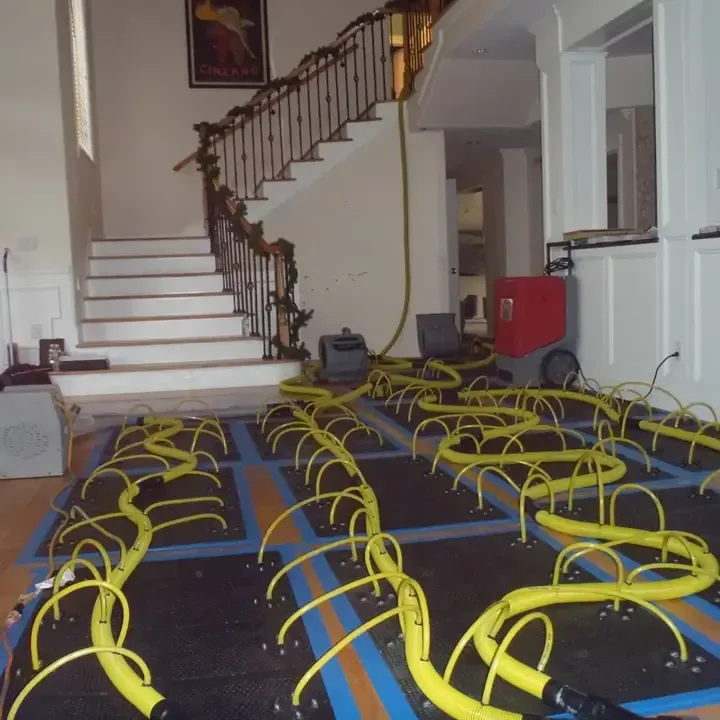
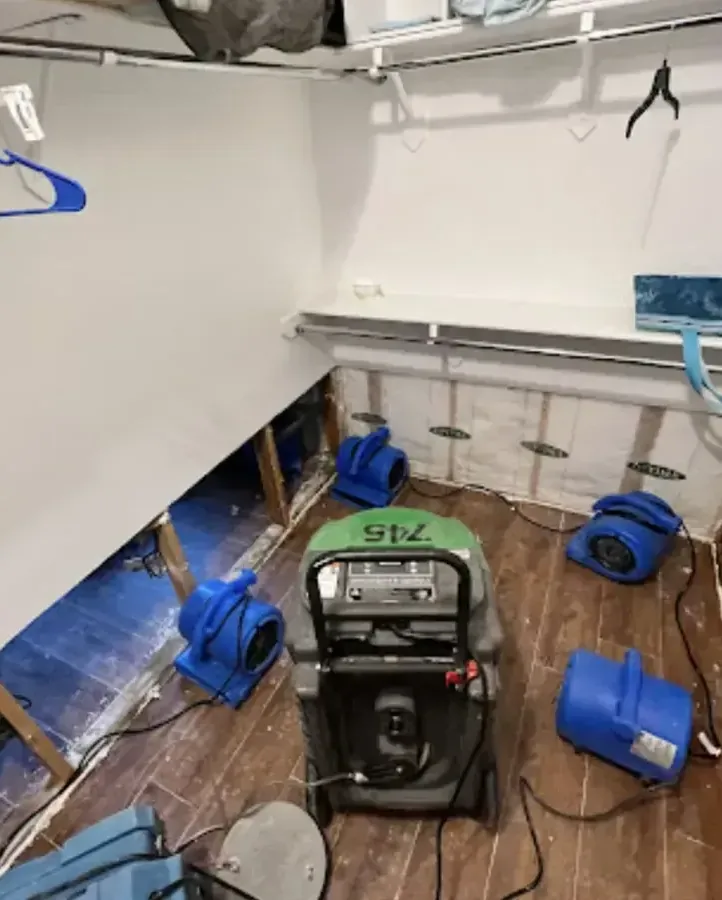
Air movement and dehumidification work together around the exposed assemblies. Changing readings help identify concealed pockets or areas that need a different equipment arrangement.
Confirm before rebuilding
Final material checks support the transition to repairs. The closing record identifies completed drying work and any source or finish repairs still awaiting another trade.
Water Damage Restoration Services in Hyde Park, MA
A plumbing release, roof opening and backed up drain create different cleanup needs. Choose the service that matches the source or the space holding water.
Water Extraction and Removal
Standing water comes out first, with attention to edges where liquid has traveled beneath adjacent finishes.
View service details ›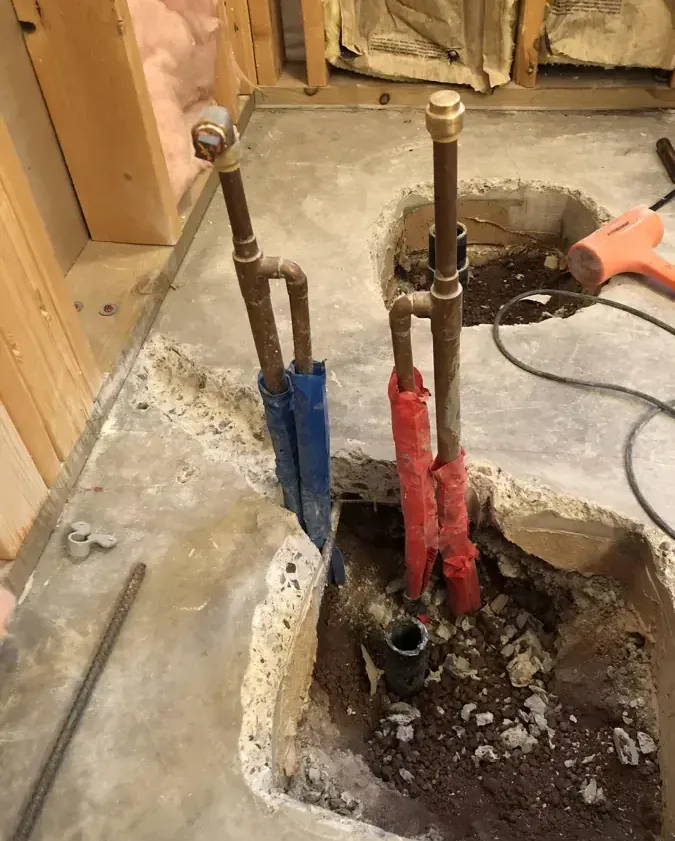
Slab Leak Water Damage
A damp floor requires tracing concealed supply damage before selecting access openings and drying the assembly.
View service details ›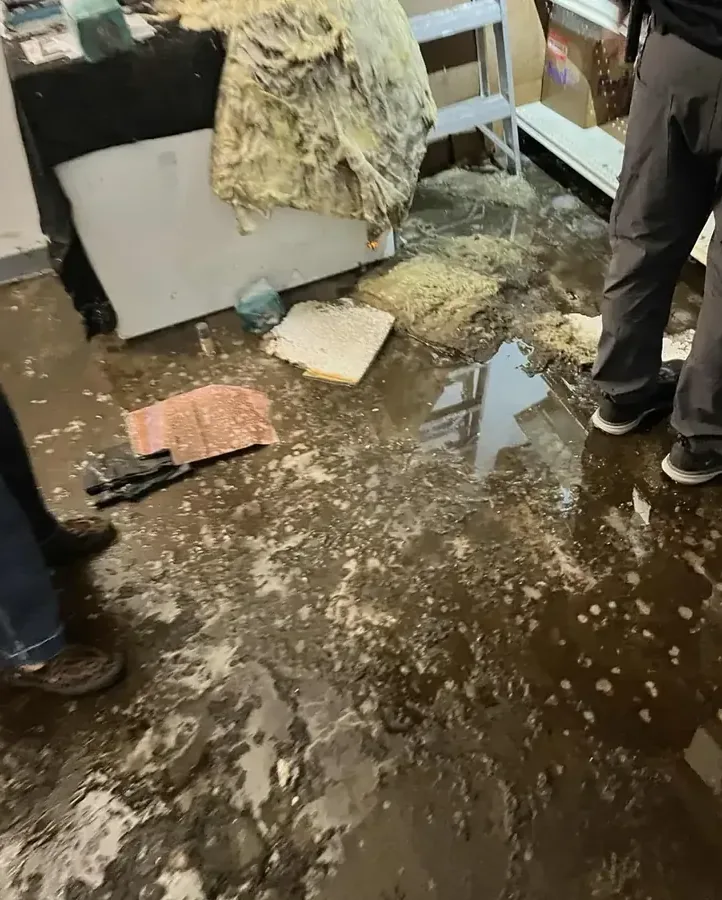
Sewage Backup Cleanup
Contaminated rooms need controlled access, removal decisions and cleaning after the drain problem has been resolved.
View service details ›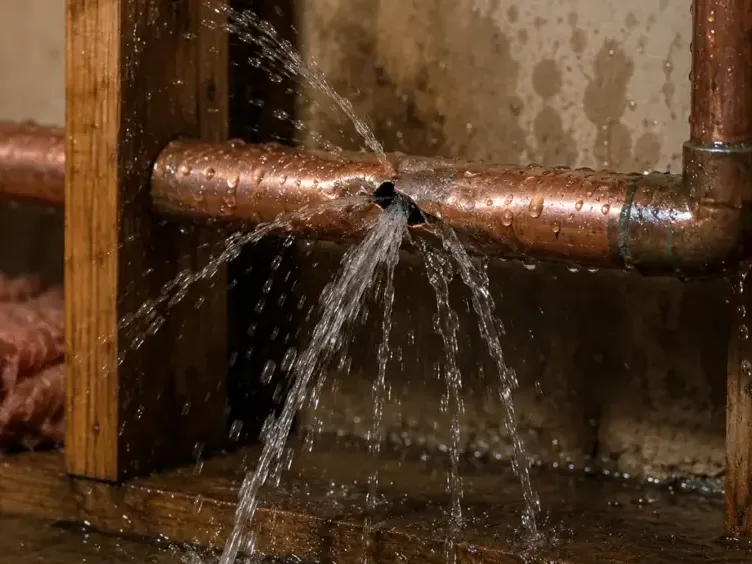
Burst Pipe Water Damage
Escaping supply water can reach several rooms before the shutoff closes, leaving hidden pockets behind trim.
View service details ›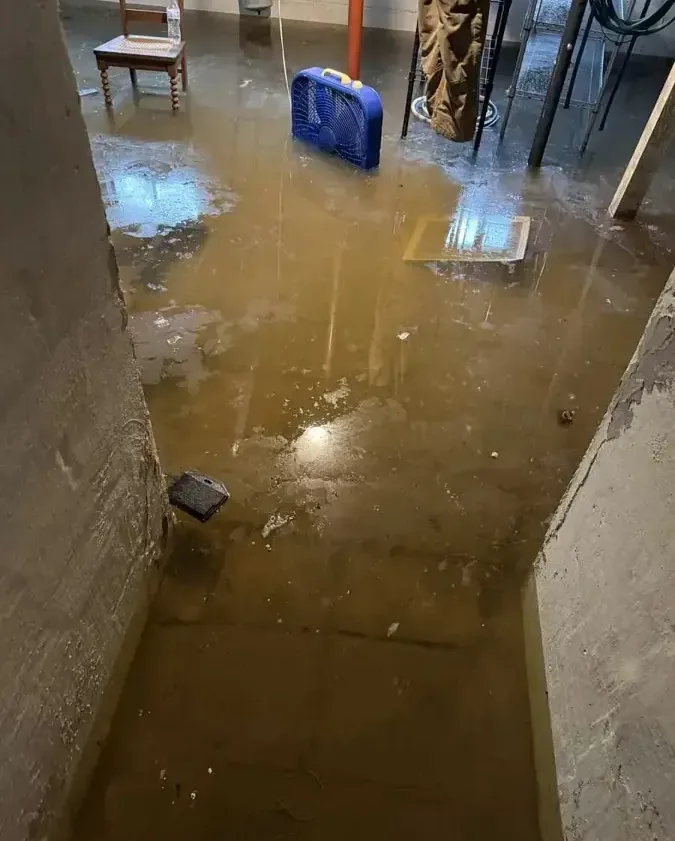
Storm and Flood Cleanup
Outside entry brings a cleanup sequence built around water conditions, deposited debris and the affected interior.
View service details ›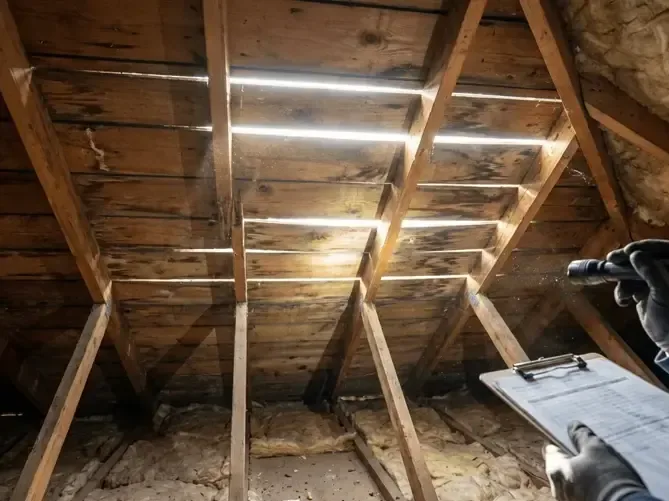
Roof Leak Water Damage
Attic insulation and roof framing deserve inspection when rainwater has traveled down into occupied living spaces.
View service details ›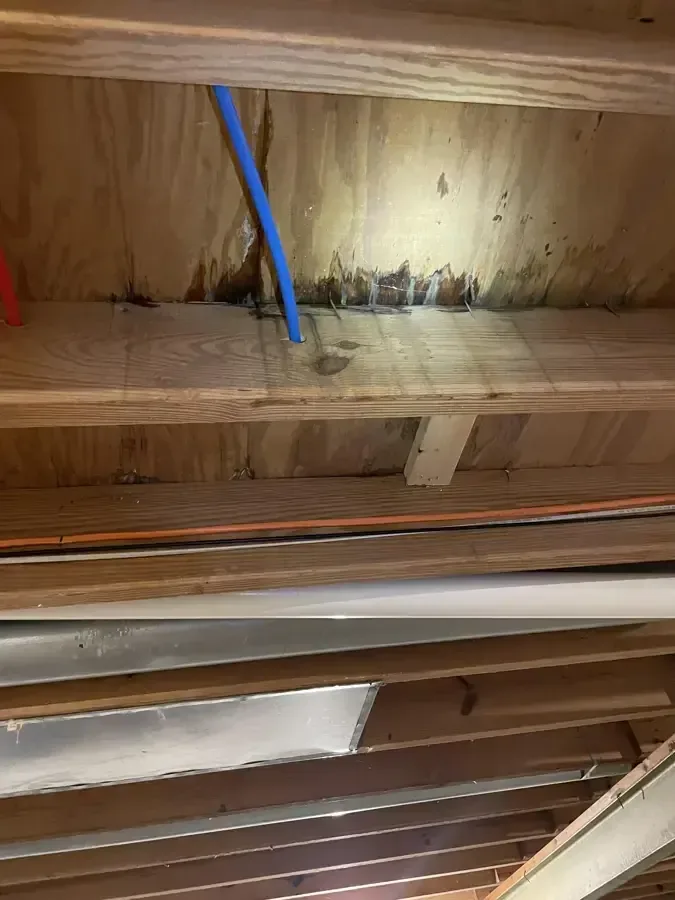
Ceiling Leak Water Damage
A swollen ceiling calls for a safe exclusion area and inspection of the assembly above it.
View service details ›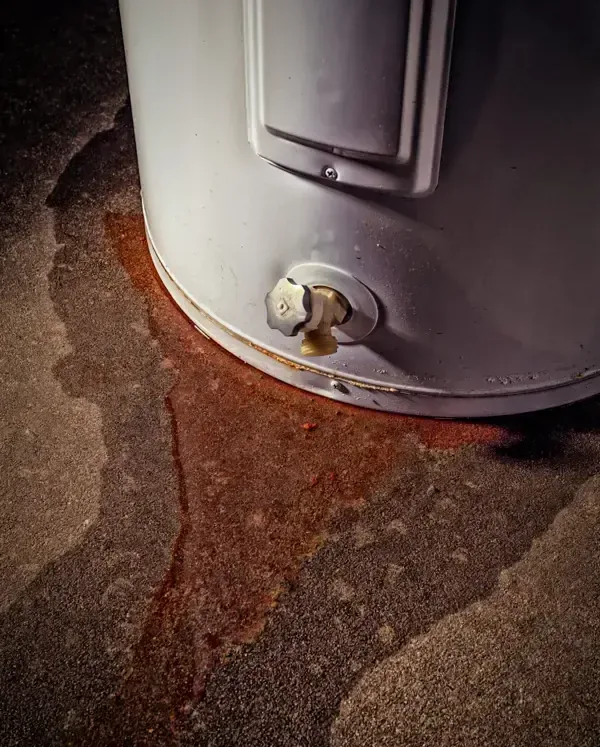
Water Heater Leak Cleanup
Tank leakage may spread past the utility area into stored belongings, floor coverings and adjoining partitions.
View service details ›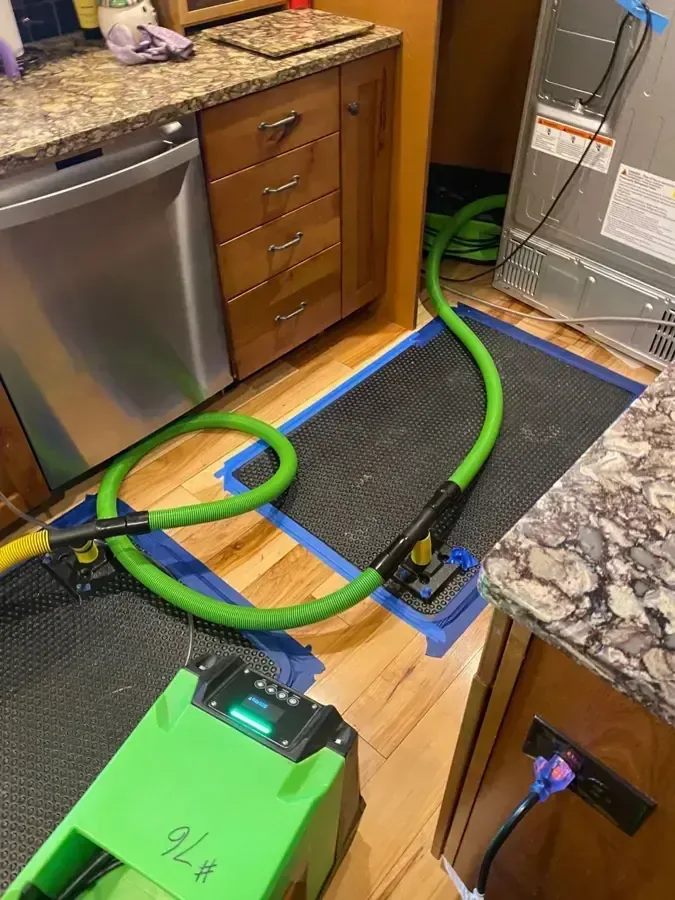
Appliance Leak Water Damage
Water beneath a dishwasher or washing machine can remain trapped after the appliance itself has stopped.
View service details ›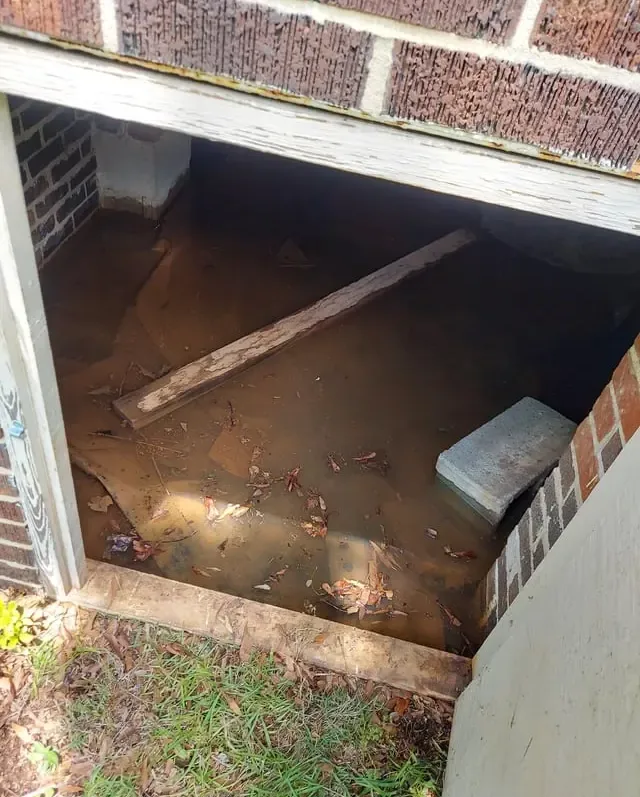
Crawl Space Water Removal
Restricted access changes extraction planning, especially when pooled water sits beneath insulation and exposed floor framing.
View service details ›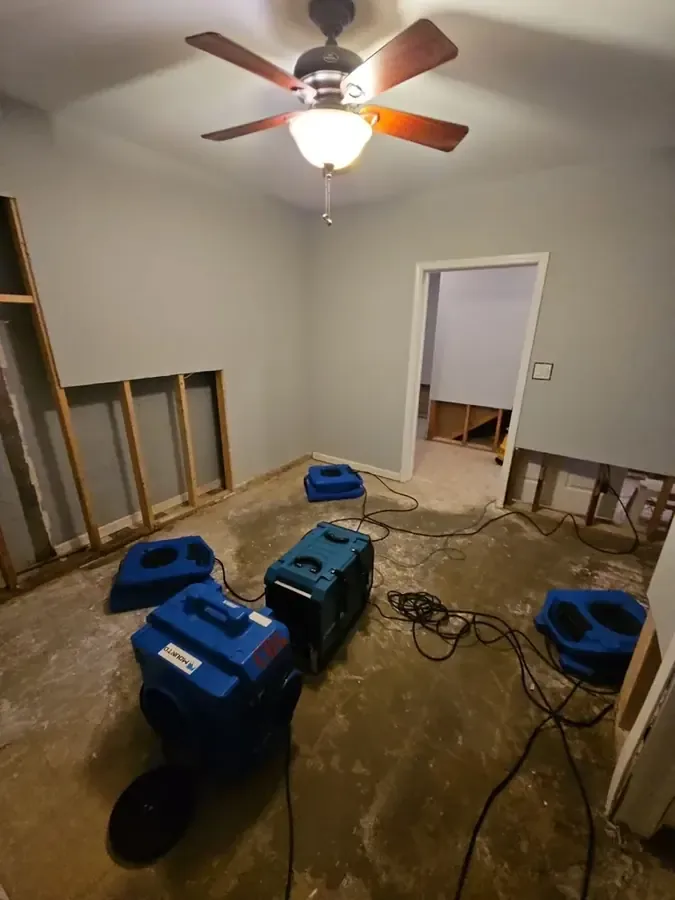
Structural Drying
Material readings determine whether drying equipment is reaching wet framing, subfloors and concealed spaces effectively.
View service details ›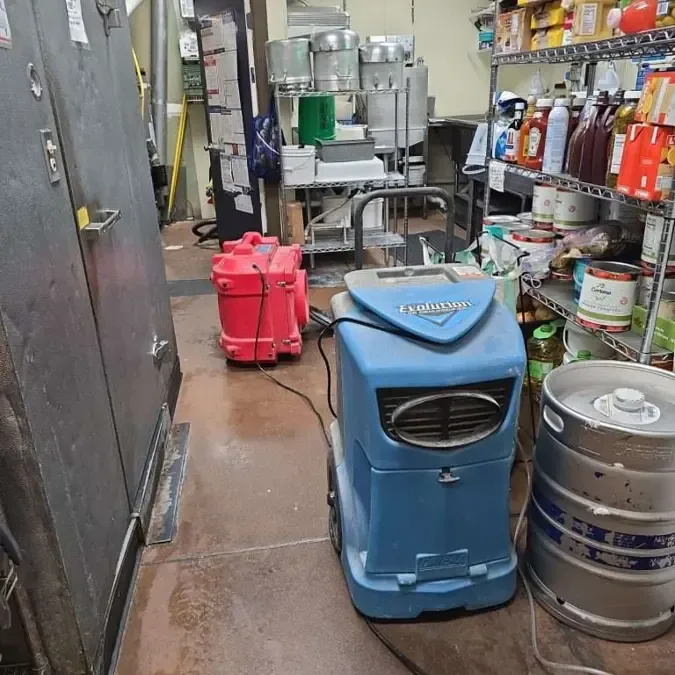
Commercial Water Damage
Work areas, stock and access routes receive separate attention so business recovery follows the actual damage.
View service details ›
Frozen Pipe Water Damage
A thawing split can release water into wall cavities even after an icy pipe appears quiet.
View service details ›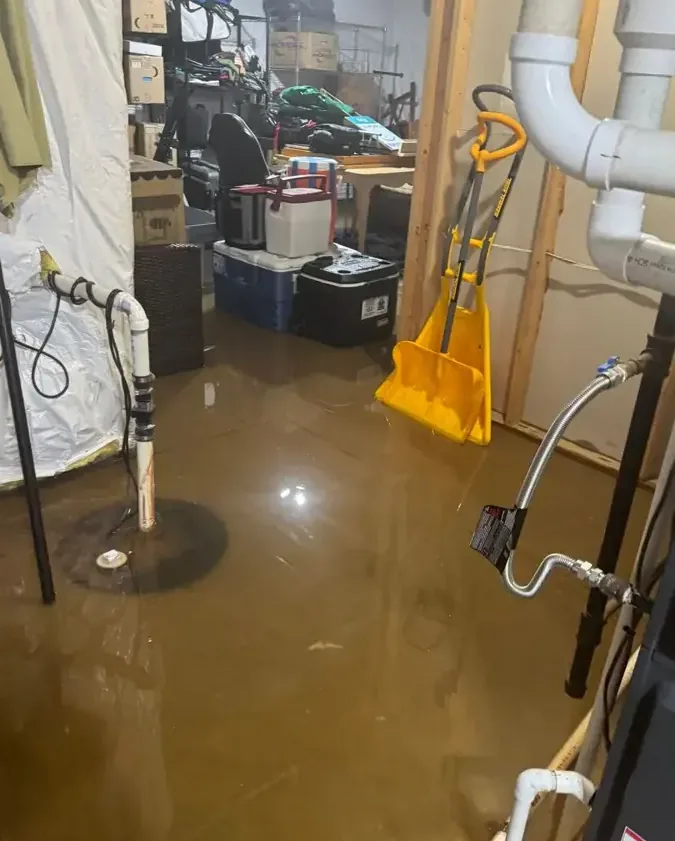
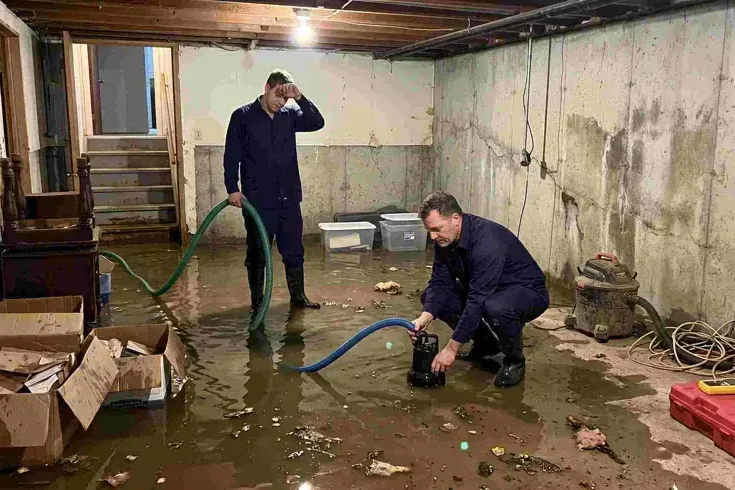
Basement Water Removal
Lower rooms need water removal followed by checks behind finished walls and around floor level storage.
View service details ›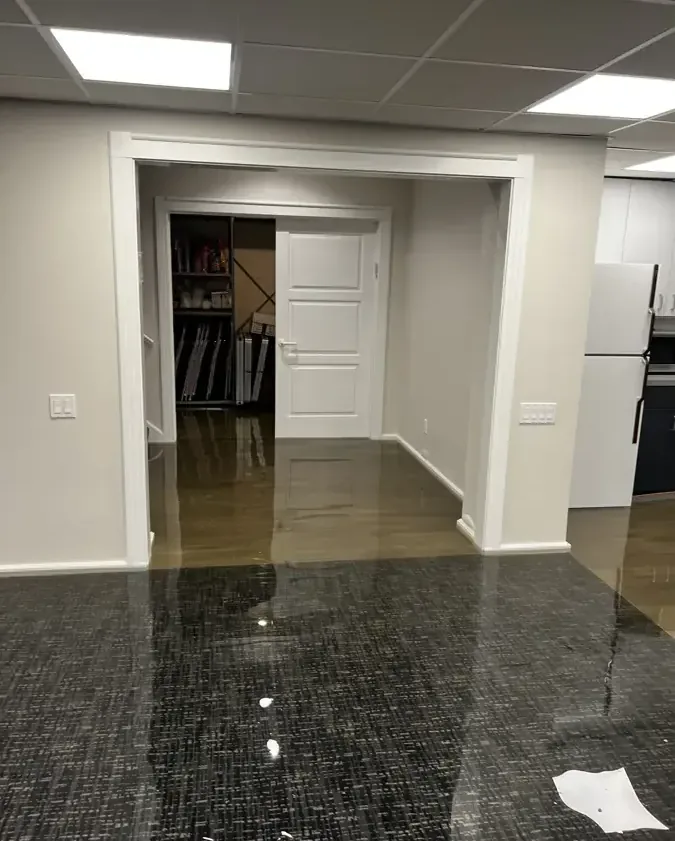
Sump Pump Failure Cleanup
An overflowing pit requires both a reliable pumping solution and cleanup of water already outside it.
View service details ›Explain the room before the route
Hyde Park is a neighborhood of Boston in Suffolk County. Service planning starts with the property's affected rooms and the conditions at the entrance.
A location near Cleary Square or along River Street helps identify the property. Building access, water depth and active leakage determine the next practical steps.
Decisions that follow the building
The visible stain is only part of a water loss. Useful restoration connects source control, material condition and recorded drying progress into one understandable scope.
Rapid local response
Early assessment focuses on active water, unsafe access and vulnerable finishes. The scope develops from those immediate conditions rather than a promise about arrival or completion.
IICRC S500 drying standard
Drying uses moisture measurements and material evaluation to establish goals. Equipment placement responds to wet assemblies, and subsequent readings show whether the chosen approach is working.
Claim-ready documentation
A record can include room photographs, affected material descriptions, moisture readings and itemized work. That detail helps explain restoration decisions when the property owner submits claim paperwork.
Local water experts
Fairmount Hill houses and Readville commercial buildings present different inspection questions. Attention belongs on each property's access, finishes and water path, with the neighborhood context kept practical.
The gear a real dry-out runs on
- Material checks
- Documented progress
- Final verification
What a water damage dry-out looks like in Hyde Park
What does water damage restoration cost in Hyde Park, MA?
Water damage restoration costs in Hyde Park depend on the wet area, material access and contamination. The planning ranges below describe different scopes; inspection establishes the work, exclusions and written estimate for an individual property.
Contained room damage
$1,000 to $3,000
- Accessible floor extraction
- Limited material exposure
- Focused drying setup
Several affected spaces
$3,000 to $6,000
- Connected wet rooms
- Concealed cavity assessment
- Repeated moisture checks
Extensive interior loss
$6,000 to $10,000+
- Broader material removal
- Complex drying access
- Detailed contents documentation
Source repairs, replacement finishes and other trade work should be identified separately. A clear estimate explains which rooms and materials are included before the cleanup scope expands.
Water cleanup throughout Hyde Park
Neighborhoods and familiar places
Local postal area
Other service areas
See all restoration optionsAll water damage categories covered in Hyde Park, MA
Supply water release
A broken supply connection starts the investigation at the plumbing source. Contact with building materials and time in the property affect the cleanup decisions that follow.
Remove released waterUsed appliance water
Discharged wash water needs assessment of its contents and where it traveled. Floor cavities and cabinetry can hold moisture after the visible kitchen or laundry spill disappears.
Inspect appliance spreadSewage contamination
A drain backup creates a restricted work area. Porous materials, exposed contents and hard surfaces need separate decisions before the structure can be cleaned and dried.
Plan contaminated cleanupWater damage dried to the IICRC S500 standard
- Material checks
- Documented progress
- Final verification
Documentation for your insurance claim
The restoration record explains what became wet, why particular materials were treated and how drying progressed. Coverage decisions remain with the policy provider reviewing the loss.
- Photographs showing rooms before cleanup changes their condition
- Descriptions of affected finishes and accessible concealed materials
- A record of the reported source and discovery
- Moisture measurements collected through the active drying period
- Itemized work details with separately identified repair exclusions
When the owner pays directly
A direct payment project still benefits from a written scope. The estimate should separate urgent extraction and cleaning from later finish replacement so each decision is understandable.
If concealed damage changes the work, the revised scope should explain the discovery and added tasks. Keeping that record makes costs easier to evaluate throughout the restoration.
What can safely happen before cleanup starts?
Keep people clear
Occupants should avoid wet electrical equipment, unstable ceilings and contaminated rooms. Children and pets need a dry route away from the damage.
Stop an accessible source
A reachable shutoff can limit a supply leak when the approach is dry. Unsafe access belongs with the appropriate emergency or trade professional.
Capture the first condition
Photographs from a safe position can record the water boundary, damaged belongings and visible source before extraction or material removal changes the room.
Separate dry belongings
Undamaged portable items can move to a clean area if handling is safe. Wet possessions should remain grouped for assessment and documentation.
Describe the water path
The useful starting details are the suspected source, affected levels and whether water is still arriving. Those details help organize the water removal assessment.
Practical reasons to inspect beyond a puddle
The Neponset River runs through the neighborhood, and Mother Brook is in Readville. At an affected property, the inspection follows the actual entry point and moisture pattern.
Runoff collection
The stormwater system carries rain and snowmelt. Water entering a doorway or lower opening needs a source assessment and careful cleaning of the surfaces it contacted inside the building.
Older house assemblies
Fairmount Hill includes Italianate, Gothic Revival and Victorian houses. An interior inspection identifies the actual finishes and concealed spaces before choosing openings or deciding which materials can remain.
Below grade fixtures
Boston Water and Sewer Commission recommends backwater valves on plumbing fixtures below street grade. A backup still requires correction of its cause before contaminated room cleanup can proceed.
Cold exposed plumbing
Open windows, air vents and drafts near water pipes deserve attention in cold weather. Locating the shutoff in advance helps make a later supply emergency easier to manage safely.
Industrial interiors
Readville has historic warehouses and factory buildings along the waterways. A wet commercial interior needs a plan for stock, equipment and restricted access as well as the building materials.
Before heavy rain: Boston Water and Sewer Commission advises keeping leaves and debris off the tops of catch basins. Clear openings help prevent street flooding during periods of heavy rain.
Questions after water reaches the interior
Does a small puddle need an inspection?
The puddle's size can understate the affected area. Water may collect beneath a floor covering or wick into the bottom of a partition. An inspection checks nearby material moisture and the source so the drying scope matches the spread inside the building.
Is Hyde Park a separate city?
Hyde Park is a neighborhood of Boston in Suffolk County. Readville and Fairmount Hill are local areas within it. A service request should describe the property and wet spaces clearly, including whether the damage is in a basement, living area or commercial interior.
What changes when sewage enters a room?
Access and contamination control become central to the work. The backup cause needs resolution before cleanup, and exposed porous materials require individual assessment. Hard surfaces need appropriate cleaning before drying, while affected belongings should be kept apart from undamaged items in clean areas.
Can equipment dry a closed wall?
Some wall assemblies allow useful drying access, while others trap moisture behind dense finishes or insulation. Material readings and inspection help determine the approach. Selective openings may be necessary to expose wet components rather than relying on dry room air to reach every cavity.
Who handles the broken pipe itself?
Plumbing repair and restoration address different parts of the loss. A suitable plumbing professional corrects the failed pipe or connection. Restoration removes released water, evaluates wet finishes and dries the structure. The written scope should identify those responsibilities and the order in which they proceed.
Does the floor need replacement immediately?
That decision depends on the floor material, water exposure and condition of the layers underneath. Some assemblies can be dried, while damaged or contaminated layers may need removal. An assessment should explain the reason for retaining or removing a finish before rebuilding work is arranged.
What information helps with an insurance claim?
Useful records show the initial condition, reported source, affected materials and work performed. Photographs and moisture readings add detail that a final invoice alone cannot convey. The policy provider evaluates coverage; restoration documentation describes the loss and supports a clear account of the cleanup.
Can occupants remain during the work?
Suitability depends on safe access, electrical conditions, contamination and the rooms affected. Equipment and open assemblies can restrict normal movement. The inspection should identify work boundaries and any spaces that must stay closed, allowing the owner to plan occupancy around the actual conditions.
When is a room ready for repairs?
The source must be controlled and the affected structure must reach appropriate drying goals. Final readings help establish that transition. Replacing finishes too soon can cover retained moisture, so the completion record should distinguish verified dry materials from any unresolved repair or access issue.
Give the water loss a clear scope
A room by room assessment turns visible damage into practical extraction, cleaning and drying decisions for the property.
(888) 480-6221Arrange a damage assessment