Ceiling Leak Water Damage Hyde Park, MA
A ceiling bulge changes which parts of a room are safe to use. Hyde Park ceiling restoration starts below the damaged area, then investigates the source and wet assembly above the visible finish.
(888) 480-6221Assess the wet ceiling safely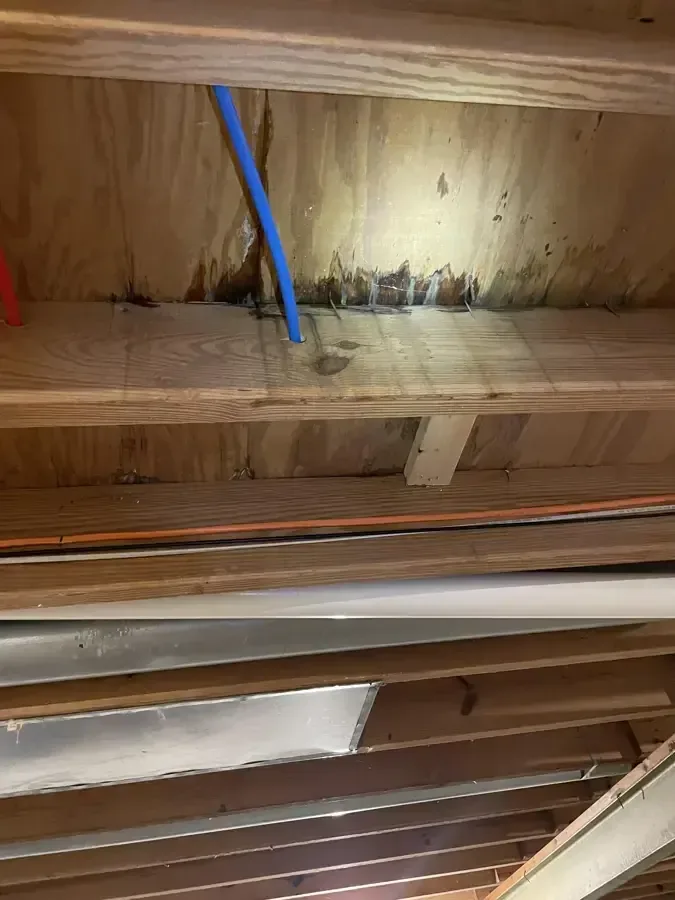
A ceiling holds its damage above the people and belongings below it. A spreading stain, soft finish or visible sag requires a safe boundary before furniture is moved or the leak is investigated. Ceiling leak restoration in Hyde Park considers both the room underneath and the floor or attic above. The water may come from plumbing, an appliance or roof entry, and each source needs correction before the ceiling assembly can recover.
How ceiling leak water damage proceeds
Define the overhead work zone
Inspection begins with ceiling stability and electrical concerns, followed by the room above. The affected floor space is restricted as needed, and contents protection is arranged before damaged materials are disturbed.
Control the source and expose damage
The relevant repair trade addresses the water entry while restoration plans a controlled opening. Wet finishes and insulation are evaluated so the scope provides access to the materials that actually require treatment.
Treat the joist cavity
Extraction and drying focus on retained components above the room. Measurements at the joists, upper floor and adjoining wall tops show whether the equipment arrangement reaches the moisture throughout the opened assembly.
Prepare the repair handoff
Final checks establish the drying status and record any remaining source or access concern. The repair scope can then distinguish replacement ceiling finishes from the restoration work completed inside the cavity above them.
Start with the room beneath the damage
Occupants should describe whether the ceiling is discolored, dripping or visibly deformed without approaching an unstable section. The assessment establishes a safe work area and checks nearby fixtures and wall tops. Water that reaches a light opening presents different access concerns from a small isolated stain. Protection for furnishings and floor finishes needs to be planned before an overhead opening releases debris.
- Record the visible ceiling boundary from a safe position without standing directly beneath a bulging section.
- Inspect nearby walls for vertical water tracks that show movement out of the ceiling cavity.
- Identify the room above and any plumbing use associated with the appearance or return of the leak.
Fairmount Hill has houses from the late nineteenth and early twentieth centuries. Within an affected house, the actual ceiling construction determines how wet finishes are evaluated. Multiple layers or earlier repairs can make the visible surface only one part of the assembly. Inspection should identify those layers before the removal scope is selected.
Open access with a purpose
An opening should allow safe removal of weakened material and inspection of the wet cavity. Joists, insulation, plumbing penetrations and the underside of the floor above can all require attention. The plumbing repair access may be too narrow to expose the full wet area. A drying plan needs enough access to reach retained moisture while protecting sound adjacent finishes where practical.
Logan Square is a business district, while Fairmount Avenue is a main street. Ceiling damage in a business near the square can affect customer circulation; in a home, it may close a bedroom or hallway. The plan should describe the usable space remaining around the work area and how equipment will be positioned without creating an unsafe route beneath the opening.
- Keep removed finish descriptions with photographs so later repair work matches the affected assembly.
- Measure joists and adjacent wall areas instead of relying on the dry appearance of the exposed surface.
- Consider roof related cleanup when inspection traces the ceiling water into an attic.
Overhead water damage needs a safe room boundary and an explanation of the source. Describe visible sagging, nearby fixtures and the space directly above the affected ceiling.
(888) 480-6221Assess overhead water damageAvoid improvised drainage through the finish
Occupants should not puncture a bulging ceiling or pull away loose material. An uncontrolled opening can release water and weakened finishes onto the room below. Electrical components may also be concealed within the wet area. The appropriate professional should establish safe power conditions and a controlled opening method. Boston Water and Sewer Commission cautions against touching wires or appliances with wet hands or feet. Keeping people away from the affected overhead zone is more useful than trying to inspect it from a chair or ladder while the source and stability remain unresolved.
Reconstruct only after the cavity has been assessed
The ceiling repair should follow source correction and verified drying of retained materials. New board or paint can hide a problem without resolving it. Final readings and photographs document the assembly before it closes, including joists, the underside of the upper floor and any adjacent wall exposure. The handoff should identify outstanding plumbing or roof tasks separately so finish work begins with the water path addressed and the remaining structure ready.
For general household precautions, see Ready.gov flood safety and the EPA household leak checks.
What does ceiling leak water damage cost in Hyde Park, MA?
Ceiling leak restoration costs in Hyde Park depend on overhead access, material stability and the spread into adjoining walls or levels. Estimated ranges below address cleanup and drying, with source repair and decorative finishes separately defined.
Localized ceiling wetting
$900 to $1,800
- Limited overhead area
- Accessible cavity assessment
- Focused drying setup
Joists and adjacent walls
$1,800 to $3,500
- Connected material exposure
- Expanded opening needs
- Additional moisture tracking
Multiple rooms or levels
$3,500 to $5,500+
- Broader ceiling removal
- Upper floor checks
- Complex room protection
These ranges are estimates only. Water category, square footage, material class and the delay before drying affect the scope. The water damage cost calculator compares those variables before a property assessment.
What shapes the ceiling leak water damage plan
A protected occupied area
Ceiling work starts with the space below it. Assessment considers unstable finishes, furnishings and routes through the room so occupants understand which areas must remain clear while overhead inspection and treatment proceed.
An identified water source
The stain is connected to conditions above the ceiling. Plumbing, appliance or roof correction is coordinated with restoration so the newly exposed cavity does not receive another release during the drying work.
Purposeful cavity access
Necessary openings expose wet joists, insulation and upper floor layers. The assessment explains the boundary of removal and how equipment can reach retained moisture without treating every intact surface as disposable material.
Evidence before the finish closes
Material readings and photographs preserve the condition of the exposed assembly. That record supports the repair handoff and identifies any unresolved wet pocket or separate trade task before new ceiling materials cover it.
Ceiling leak water damage coverage in Hyde Park
Ceiling damage service covers Hyde Park interiors near Fairmount Hill, Logan Square and Fairmount Avenue in 02136. The source above the room, overhead stability and access to wet cavities determine how restoration proceeds.
The same service nearby: ceiling leak water damage in Roslindale, Brookline, Norwood.
Related water damage services in Hyde Park
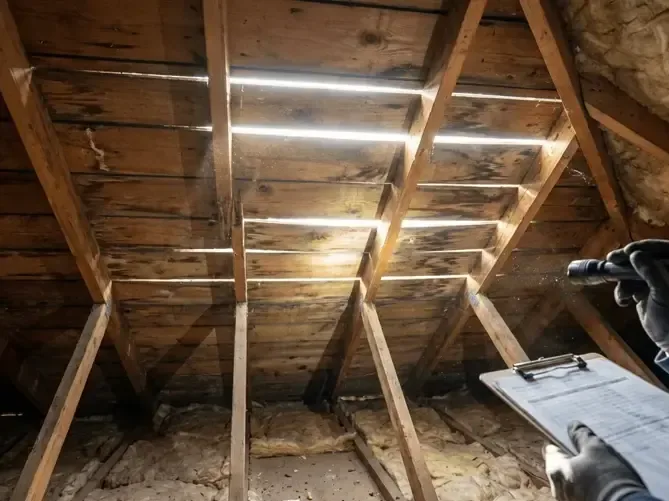
Roof Leak Water Damage
Attic inspection follows the rain path beyond the visible ceiling stain.
Service details ›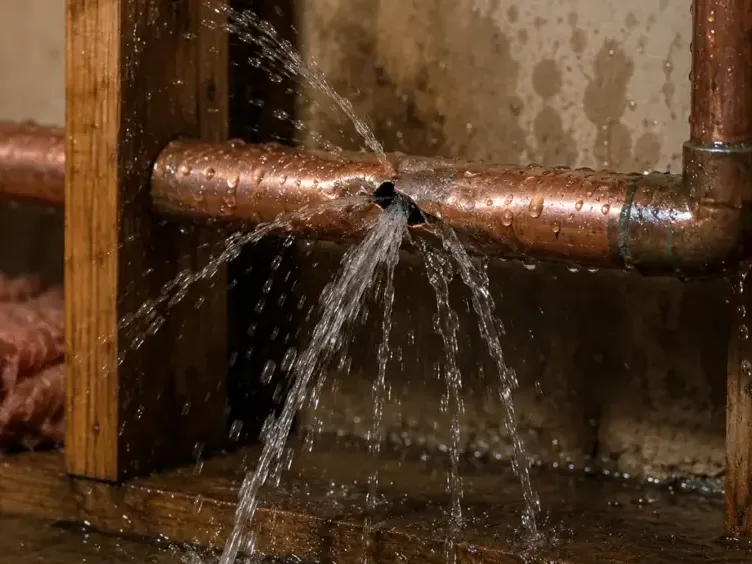
Burst Pipe Water Damage
A stopped supply leak still leaves wet wall cavities, insulation and floor layers to assess.
Service details ›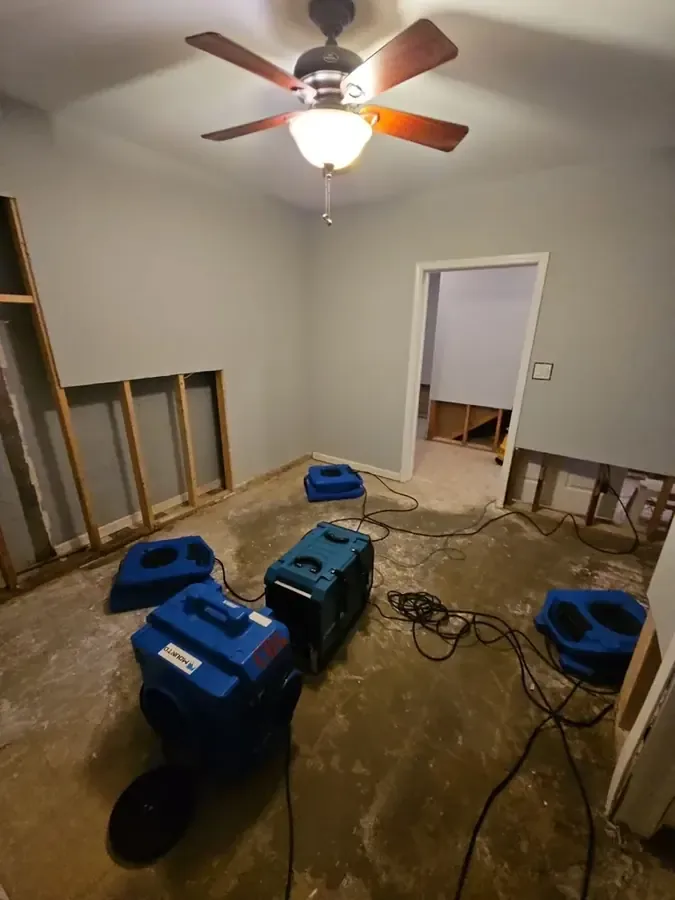
Structural Drying
Material readings determine equipment placement and the end of the drying phase.
Service details ›Ceiling Leak Water Damage questions
What should happen when a ceiling starts bulging?
Occupants should keep clear of the area beneath it and avoid puncturing or pressing the finish. The bulge may contain water and weakened material that can fall unpredictably. A professional assessment needs to establish the source, electrical conditions and safe opening method before anyone works below or inside the affected section of the ceiling.
Can a ceiling leak come from a distant fixture?
Water can move along the underside of a floor or framing before emerging through a seam or fixture opening. The source may therefore sit away from the visible stain. Inspection of the room above, nearby plumbing and the accessible cavity helps connect the water path to the actual leak before the repair and drying scope is finalized.
Does every stained ceiling require complete replacement?
The extent of replacement depends on material condition, contamination and access to concealed moisture. A sound section may be evaluated for retention, while softened or separated finishes need a different decision. The estimate should explain the removal boundary and the way remaining components will be checked before the room receives new finishes or paint.
Why check the upper floor if only the ceiling is stained?
A release from above can wet the upper floor assembly before water reaches the ceiling. The underside may remain damp even when the occupied room above appears unaffected. Checking that layer helps establish the full drying scope and avoids closing a ceiling beneath moisture that has not been measured or treated during the restoration process.
Can lights in the affected ceiling remain in use?
Wet electrical fixtures require evaluation by the appropriate professional. Occupants should avoid handling switches, fittings or wiring associated with the wet area and should not approach them through standing water. Safe power arrangements belong in the work plan before ceiling access or equipment placement, with any electrical repair clearly separated from the restoration of building materials.
What documentation helps a later ceiling repair?
Photographs of the open cavity show framing, plumbing and material layers that become hidden after closure. Moisture readings explain the drying condition of retained components. A description of the removed finish and any unresolved source repair helps the contractor understand the assembly, reducing confusion when replacement material and decorative work are planned for the room.
What if a stain returns after the room is repaired?
A returning stain needs renewed source assessment before another cosmetic repair. Continued leakage, a separate release or retained moisture can require different responses. The prior restoration record can help identify what was treated, while fresh inspection establishes the current wet area and the corrective work needed to stop the renewed damage before refinishing proceeds again.
Prepare the cavity for lasting repairs
Inspection and material checks establish what needs removal, what can remain and when the ceiling assembly is ready to close.
(888) 480-6221Discuss ceiling access and drying