Roof Leak Water Damage Hyde Park, MA
Rain entering above a room can travel along framing before a stain appears. Hyde Park roof leak restoration traces that interior route, evaluates wet insulation and coordinates drying with correction of the roof opening.
(888) 480-6221Trace the rainwater damage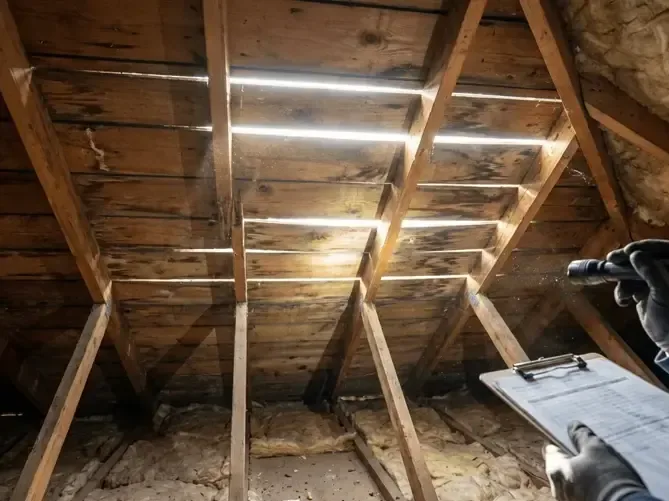
The ceiling stain beneath a roof leak may be offset from the opening that admitted rain. Water can run along framing, collect in insulation and emerge where a finish joint offers an easier path. Roof leak water damage restoration in Hyde Park looks above that stain as well as around it. The interior scope needs to identify the wet materials, while a suitable roofing professional addresses the outside defect that allowed the release.
How roof leak water damage proceeds
Inspect upper and lower exposure
The walkthrough identifies ceiling damage and safe attic access, then traces moisture through framing and insulation. The source repair status is recorded before the drying arrangement is selected.
Protect and expose the work area
Contents beneath damaged finishes are assessed and protected. Necessary openings or insulation removal provide access to wet components while keeping debris and equipment movement within a defined route through the occupied interior.
Dry the accessible roof assembly
Equipment addresses retained materials once continued entry is controlled and unsafe layers are removed. Moisture checks help identify areas where dense finishes or restricted access require changes to the initial drying plan.
Document the interior handoff
Final observations connect the source correction with completed drying and remaining ceiling repairs. The owner receives a clear description of treated areas and any unresolved access or material issue before the opening is closed.
Inspect the house that stands beneath the roof
Fairmount Hill includes Italianate, Gothic Revival and Victorian houses from the late nineteenth and early twentieth centuries. The inspection needs to establish the particular attic arrangement, finishes and access in the affected property. Previous alterations can create enclosed pockets where moisture collects. A visible ceiling patch is therefore a starting point for assessment rather than a complete description of the damaged assembly.
- Locate wet insulation and note whether it conceals damp framing or prevents access to the underside of roof sheathing.
- Follow staining across accessible members to understand how water traveled before reaching the occupied room below.
- Inspect wall tops and nearby closets where roof water can leave the attic through a concealed vertical path.
Fairmount Avenue is a main street, and River Street also serves the neighborhood. For a house in either location, the working plan should explain attic entry and protection for the room beneath it. Moving equipment through an occupied interior requires a clean route and a clear boundary around any overhead opening.
Keep roof correction and interior drying connected
Drying cannot make lasting progress if new rainfall continues entering the assembly. The restoration schedule needs information about temporary protection or completed roof repair. That source work has its own scope. Interior extraction, insulation assessment and moisture monitoring address damage already inside, including water retained in layers that remain wet after the roof surface is repaired.
An attic may offer limited space for equipment, and access must respect the strength of the walking surface. Wet insulation sometimes needs removal before framing can be evaluated and treated effectively. Air movement and dehumidification then serve the exposed assembly. Measurements at the affected materials help distinguish useful progress from a room that simply feels less humid during equipment operation.
- Protect the living area below when opening a damaged ceiling or handling wet attic materials.
- Record roof repair status separately from the condition of retained interior building components.
- Use ceiling restoration when the lower finish has swollen, softened or separated.
A roof stain can conceal a longer water path above the room. Describe the affected ceiling, attic access and whether exterior repairs have already been arranged.
(888) 480-6221Assess the attic wettingKeep occupants away from overhead damage
A bulging ceiling or wet attic should not become an occupant inspection project. Saturated finishes can lose strength, and an attic walking surface may be difficult to identify. Residents should keep clear of the area below visible sagging and avoid climbing onto the roof during or after rain to investigate the opening. Electrical fixtures in the wet ceiling require appropriate professional evaluation. Boston Water and Sewer Commission warns against contact with appliances or wires when hands or feet are wet. Safe access and controlled openings belong in the restoration plan before work begins overhead.
Close the ceiling after the upper assembly is ready
Replacing the stain with fresh paint leaves the moisture question unanswered. The closing assessment should document retained framing, remaining insulation decisions and the source repair status. When appropriate drying goals are met, the repair trade can replace finishes with a clearer understanding of the assembly above them. Photographs taken while access is open help preserve that understanding after the ceiling is closed and the room returns to normal use.
For general household precautions, see Ready.gov flood safety and the EPA household leak checks.
What does roof leak water damage cost in Hyde Park, MA?
Roof leak interior restoration in Hyde Park varies with attic access, wet insulation and ceiling spread. The ranges below concern water damage cleanup and drying; roof repairs and replacement finishes should appear as separate scope items.
Small interior wet area
$1,000 to $2,000
- Localized ceiling assessment
- Accessible moisture checks
- Focused interior drying
Attic and ceiling spread
$2,000 to $4,000
- Wet insulation handling
- Framing moisture access
- Expanded overhead work
Several rooms below
$4,000 to $6,000+
- Multiple ceiling areas
- Connected wall exposure
- Broader equipment arrangement
These ranges are estimates only. Water category, square footage, material class and the delay before drying affect the scope. The water damage cost calculator compares those variables before a property assessment.
What shapes the roof leak water damage plan
Tracing beyond the stain
The assessment follows accessible water marks and moisture into the attic assembly. It checks whether the visible ceiling damage represents a localized wet area or part of a broader route through framing and insulation.
Respecting overhead access
Work planning accounts for safe attic entry and the room beneath damaged finishes. Contents protection and restricted floor space are considered before wet insulation is handled or a weakened ceiling section is opened.
Connecting separate repair scopes
Roof correction and interior restoration solve different parts of the loss. A clear handoff establishes when new water is controlled and which inside materials still require removal, treatment or measured drying before finish repairs.
Checking retained components
The final decision rests on material condition and readings in the affected assembly. That evaluation helps avoid covering damp framing simply because the stain has faded or the occupied room feels comfortable again.
Roof leak water damage coverage in Hyde Park
Roof related interior damage assessment serves Hyde Park homes around Fairmount Hill, Fairmount Avenue and River Street within 02136. Attic access, affected ceilings and the status of roof repairs shape the restoration plan.
The same service nearby: roof leak water damage in Roslindale, Brookline, Norwood.
Related water damage services in Hyde Park
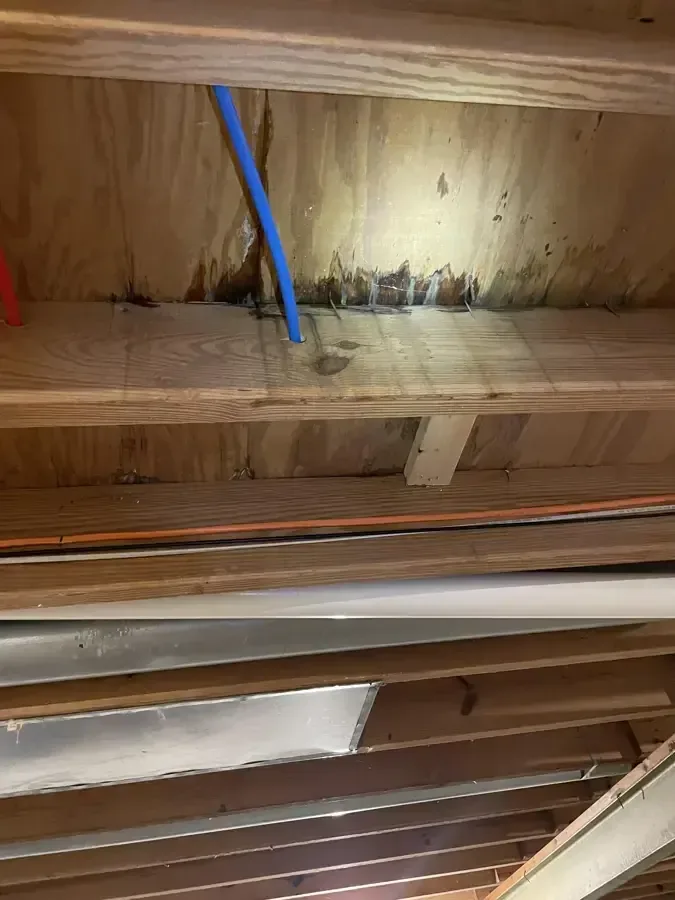
Ceiling Leak Water Damage
Overhead saturation calls for safe access and checks above the damaged finish.
Service details ›
Structural Drying
Material readings determine equipment placement and the end of the drying phase.
Service details ›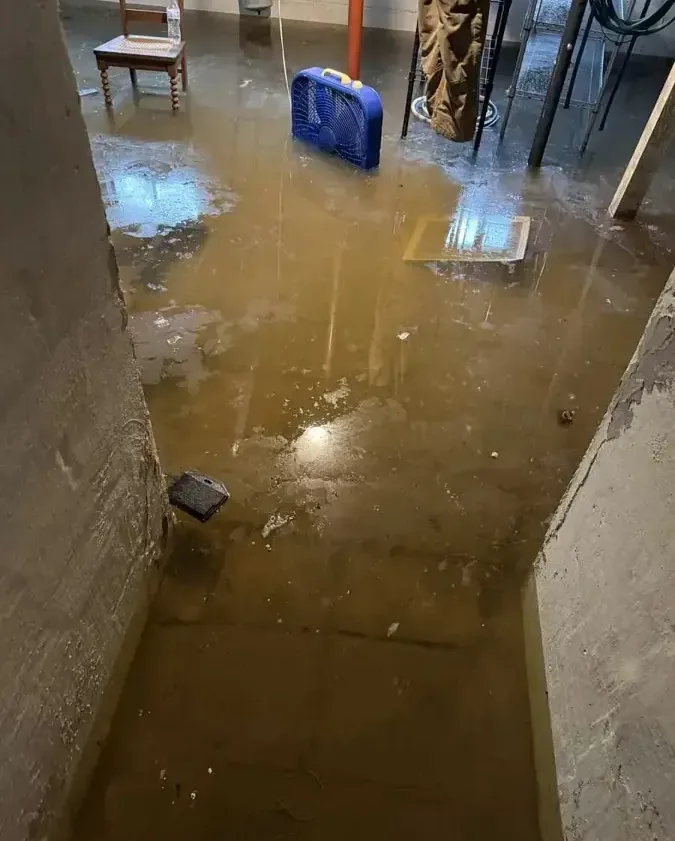
Storm and Flood Cleanup
Runoff brings a different cleaning problem from water released by a household pipe.
Service details ›Roof Leak Water Damage questions
Why is the interior stain away from the roof opening?
Water can travel along roof framing or across an upper surface before dropping into insulation and reaching the ceiling. That route can place the stain away from the entry point. Inspection therefore follows the accessible water path above the room, helping connect the roof repair location with the actual interior materials that need attention.
Can the ceiling be painted once the rain stops?
Painting should wait until the source is corrected and the affected assembly has been assessed and dried. A surface may look better while insulation or framing above it remains wet. The restoration record should identify retained moisture conditions and damaged finishes, allowing painting or replacement to follow the completed drying work in a sensible order.
Does all attic insulation need to be removed?
The decision follows the affected area, insulation type, condition and access needs. Wet or damaged portions may need removal to expose the underlying framing, while unaffected material can be evaluated separately. The scope should describe the actual exposure and explain the removal boundary instead of treating the whole attic as identical to the stained ceiling below.
Who repairs the roof opening itself?
A suitable roofing professional handles the exterior source repair or protection. Interior restoration addresses released water, wet insulation, ceiling damage and drying of retained components. Keeping those responsibilities clear helps coordinate the work, especially when weather or access affects roof correction and the inside assembly cannot make lasting drying progress until new entry is controlled.
Is it safe to look above a sagging ceiling?
Occupants should stay away from visibly unstable overhead finishes and avoid disturbing them from below or above. Wet materials can lose strength, and attic access introduces additional footing and electrical concerns. A professional assessment should establish the safe work area and appropriate opening method before anyone handles the damaged ceiling or enters the space above it.
What if rain returns while drying is underway?
The source protection or roof repair needs reassessment if fresh water reaches the assembly. New wetting can change the drying scope and may affect areas previously considered dry. Inspection notes should distinguish the original damage from renewed entry so equipment placement, material decisions and the repair schedule can be updated to match the current conditions.
How are hidden attic pockets checked before closure?
The assessment uses accessible observations and material moisture measurements to identify retained dampness. Restricted spaces may require selective openings or another suitable access approach. The final record should say which areas were treated and checked, with unresolved inaccessible sections clearly identified rather than concealed by replacement insulation or a newly repaired ceiling finish in the room below.
Restore the space beneath the leak
The interior assessment connects wet insulation and framing with a drying plan before ceiling replacement covers the affected assembly again.
(888) 480-6221Discuss roof related interior damage