Roof Leak Water Damage Norwood, MA
A ceiling stain can appear well away from the roof opening that caused it. Interior restoration traces that overhead route through insulation, framing and finishes while roof repair addresses the entry point above.
(888) 480-6221Review the overhead rain path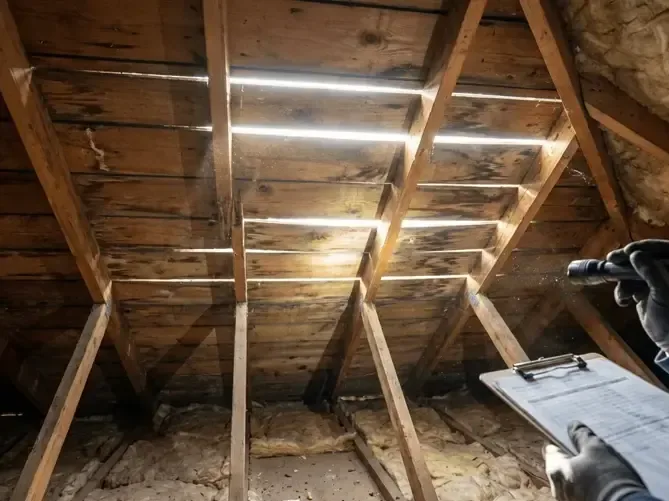
The stain visible from a living room is often only the last part of a roof leak. Water can follow framing or collect in insulation before it reaches the ceiling surface. During the June 28, 2020 flood at Norwood Hospital, a spokesman reported water entering through the roof as well as from below. For a roof affected property today, the interior assessment follows the observed overhead route and coordinates drying with correction of the entry point.
How roof leak water damage proceeds
Inspect the overhead route
Visible stains and drips are related to accessible attic and ceiling conditions. The assessment checks for unstable finishes and follows the likely water route into insulation, framing and adjacent interior surfaces.
Coordinate entry control
A roof professional addresses the opening while interior work is organized around safe access. Any continuing rain entry is documented so extraction and drying expectations reflect the conditions currently affecting the building.
Expose damaged interior layers
Unsuitable wet insulation or ceiling material is removed with protection below the work. Retained components are then accessible for treatment, and the exposed assembly is documented before drying equipment is arranged.
Verify the remaining moisture
Drying follows the retained materials rather than the stain outline. Measurements and observations show the response, support adjustments and establish the information needed before insulation and ceiling finishes are replaced.
Work back from the visible ceiling change
A property near Morrill Memorial Library may first show a small brown patch, a softened joint or a drip from an overhead fixture. Those signs establish where to begin the interior investigation. They do not necessarily mark the roof opening directly above. Accessible attic areas, framing connections and insulation conditions help connect the visible symptom with the wet assembly that needs treatment.
- Check the ceiling around the visible stain for a wider moisture pattern and any loss of support in the finish.
- Inspect accessible insulation and framing along the suspected route so hidden water storage is considered alongside the exposed drip.
- Record whether wetting changes during rain or continues afterward as water drains from retained materials above the room.
Roof repair and interior restoration need separate scopes that work together. Temporary protection or permanent repair belongs with the appropriate roof professional. The restoration plan addresses the ceiling, insulation and other interior components already affected. Both matter: a dry looking room can become wet again if the opening persists, while a corrected roof can leave substantial moisture inside the building.
Decide what overhead materials can remain
Wet insulation can restrict access to framing and continue releasing moisture toward the ceiling. Softened or sagging finish material may need controlled removal. Sound structural components may instead be retained and dried once access is available. The decisions follow material condition, attachment and the ability to treat the wet layer effectively, with overhead work arranged to protect the space below.
For a University Avenue building, occupied rooms and attic access may influence the order of interior work. A clear route for equipment and debris can preserve useful rooms while the affected area stays restricted. The ceiling leak cleanup page explains the additional considerations when the damage is concentrated in an overhead finish or the cavity immediately behind it.
- Protect the floor below controlled ceiling removal and keep occupants outside the work boundary.
- Assess adjoining wall tops when water has followed the ceiling edge into another assembly.
- Maintain a record of exposed surfaces before new insulation or finish material covers them again.
Describe the stain location, attic access and whether the ceiling changes during rain. Those observations help focus the assessment on the route above the room.
(888) 480-6221Discuss the attic moistureLeave roof and ceiling access to safe procedures
Occupants should not climb onto a wet roof or enter an uncertain attic to chase a leak. Ceiling joists and finish panels are not interchangeable walking surfaces. A sagging ceiling requires the area beneath it to stay clear, and wet light fittings should remain untouched. Buckets placed from safe ground may collect an accessible drip, but they do not make an unstable overhead assembly safe. Roof protection, electrical assessment and interior opening need appropriate handling. Photos of visible changes are useful only when they can be taken without standing beneath loose material or crossing a hazardous area.
Use dry material findings to plan the finish repair
After source correction, retained framing and connected surfaces need a measurable drying endpoint. Painting over the mark addresses appearance without resolving moisture still above it. A Windsor Gardens property owner should receive a record of removed insulation or finishes, drying observations and remaining repairs. That information supports the next stage of interior work and helps distinguish a new roof entry from an old mark that has already been treated.
For general household precautions, see Ready.gov flood safety and the EPA household leak checks.
What does roof leak water damage cost in Norwood, MA?
Roof leak restoration in Norwood depends on attic access, wet insulation and ceiling spread. These estimates cover interior recovery scopes, while exterior roof repair and later finish replacement should be specified separately.
Small interior wet area
$1,000 to $2,000
- Localized ceiling assessment
- Limited material exposure
- Focused interior drying
Attic and ceiling spread
$2,000 to $4,000
- Wet insulation handling
- Overhead access controls
- Connected cavity treatment
Several rooms below
$4,000 to $6,000+
- Wider ceiling exposure
- Multiple interior assemblies
- Expanded equipment arrangement
These ranges are estimates only. Water category, square footage, material class and the delay before drying affect the scope. The water damage cost calculator compares those variables before a property assessment.
What shapes the roof leak water damage plan
More than the stain
The inspection considers accessible material above and around the visible ceiling change. Following framing and insulation helps establish where rainwater traveled before it emerged into the occupied room below the roof.
A separate roof scope
Correcting the exterior entry and restoring the wet interior are connected but distinct tasks. The work discussion clarifies those responsibilities so drying progress is protected against another period of rain entry.
Overhead materials assessed
Insulation, framing and ceiling finishes need different decisions after wetting. The scope identifies unsafe or unsuitable material for removal while explaining which retained components can be reached and dried effectively.
A record before closing
Exposed cavity conditions and drying observations remain useful after the ceiling is repaired. Documentation provides the owner with an account of the interior layers treated and the finish work still required.
Roof leak water damage coverage in Norwood
Roof leak assessments serve 02062 properties near Morrill Memorial Library, University Avenue and Windsor Gardens. The initial description should include attic access, visible ceiling changes and whether rain continues to enter the interior.
The same service nearby: roof leak water damage in Roslindale, Hyde Park, Brookline.
Related water damage services in Norwood
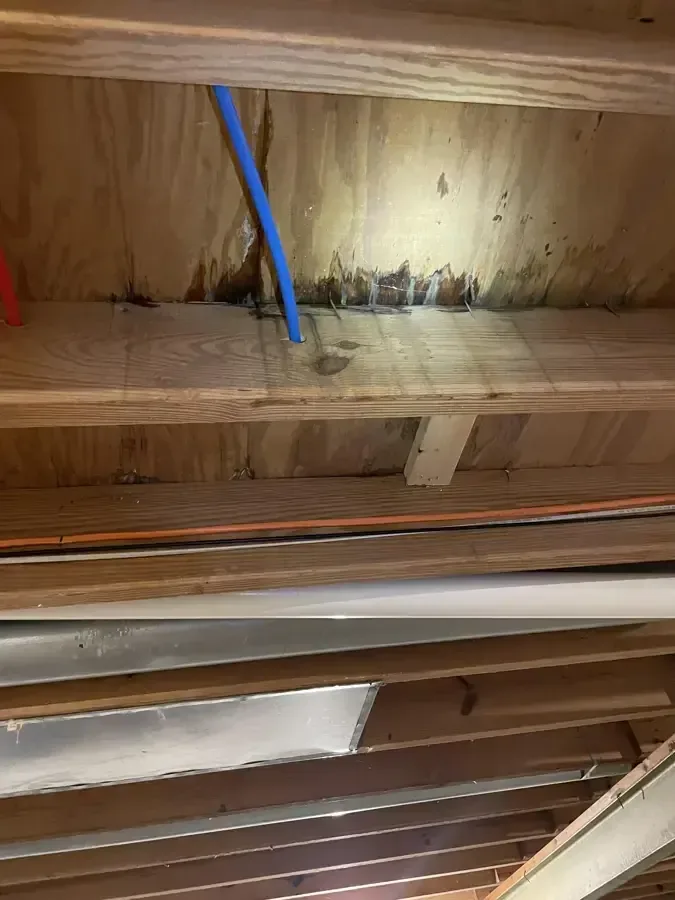
Ceiling Leak Water Damage
Overhead saturation calls for safe access and checks above the damaged finish.
Service details ›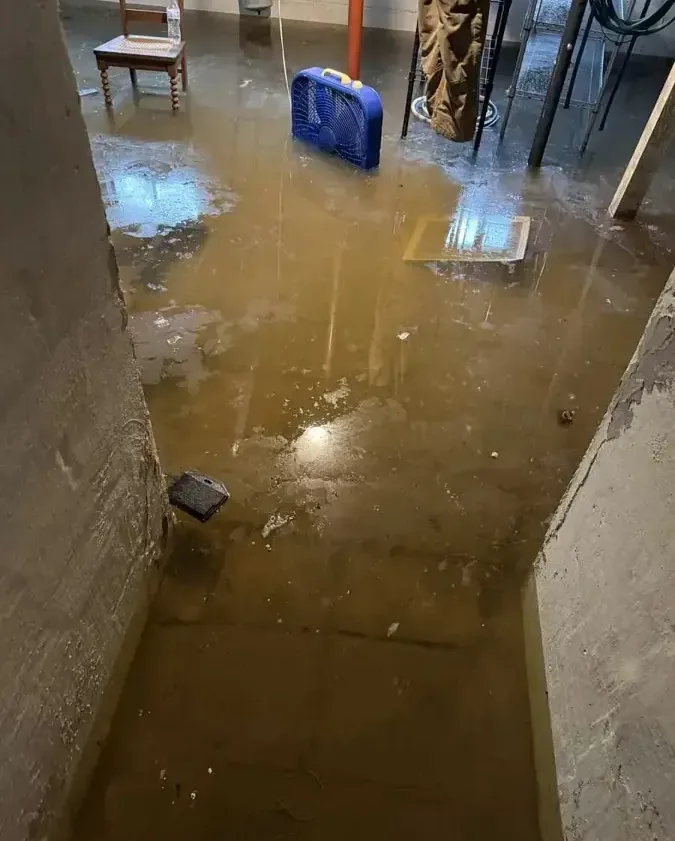
Storm and Flood Cleanup
Runoff brings a different cleaning problem from water released by a household pipe.
Service details ›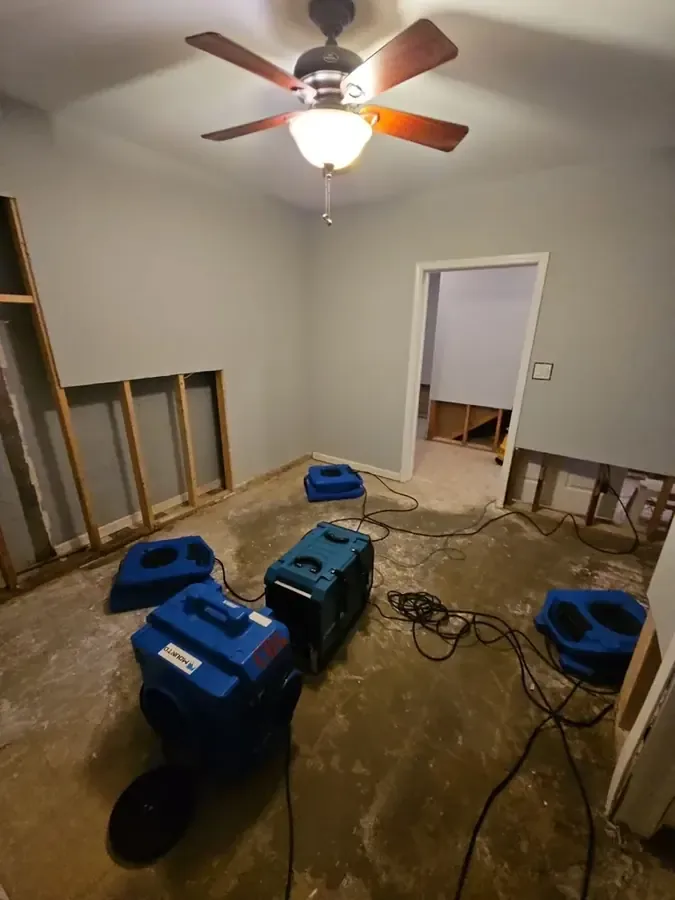
Structural Drying
Material readings determine equipment placement and the end of the drying phase.
Service details ›Roof Leak Water Damage questions
Why can the stain be away from the roof opening?
Water can travel along framing, sheathing or other connected surfaces before it drops onto the ceiling. Insulation can also retain moisture and release it elsewhere. The interior investigation therefore follows accessible wet materials rather than assuming the exterior opening sits directly above the mark. Roof assessment and interior moisture mapping help connect the separate parts of that route.
Does a roof repair dry the insulation?
Repair stops new rain entry when the source has been corrected, but it does not remove moisture already absorbed by insulation or framing. Those materials need assessment for condition and treatment. Some insulation may require removal to expose the wet assembly. The interior restoration scope should explain what remains and how it will be dried before the cavity closes.
Can the ceiling be painted as soon as dripping stops?
Materials above the finish need moisture assessment even after the dripping has stopped. Painting should follow assessment, necessary material removal and drying of retained components. A stain can remain after proper treatment, but covering it early can hide continuing wetness. The repair handoff should describe the condition of the assembly and the finish work still needed.
What should happen beneath a bulging ceiling?
The space below should be kept clear until the overhead material has been assessed. A bulge can indicate retained water or weakened attachment, and wet electrical fixtures may add another hazard. Occupants should not puncture the finish or stand below it to investigate. Controlled opening, when needed, belongs within a work plan that protects the room underneath.
Is attic entry always necessary for restoration?
The access strategy depends on the building and the wet area. An accessible attic may provide useful inspection points, while another assembly may require controlled access from below. The plan should explain why the chosen route is appropriate and which layers it reaches. Unsafe attic conditions should be assessed before anyone enters or moves across overhead framing.
How can an owner document a repeating rain leak?
A record of when the change appeared, photographs from safe ground and notes about the affected rooms can help establish the pattern. The useful details include whether staining grows during rain and whether dripping continues afterward. That information supports the inspection but does not replace checking the roof opening and the moisture retained inside the interior assembly.
What is included when the interior work ends?
The completion record should identify material removed, retained components treated and any moisture findings relevant to reconstruction. It should also distinguish the roof repair from the interior cleanup. An owner can then plan insulation, ceiling and paint work with a clear understanding of the starting condition, rather than relying only on whether the original stain is still visible.
Resolve the wet layers above the ceiling
Request an interior restoration scope that connects overhead access, material decisions and drying with the separate work needed at the roof.
(888) 480-6221Assess the rain affected interior