Structural Drying Norwood, MA
An empty puddle does not mean an empty wall cavity. Structural drying focuses on moisture retained inside building materials, using access, controlled air conditions and repeat readings to judge the work.
(888) 480-6221Assess retained material moisture
Drying a building is a problem of moving moisture out of materials and then out of the surrounding air. A wall, floor or framing member can remain wet after extraction has cleared the room. Structural drying in Norwood begins by identifying those retained components and the route available for evaporation. Equipment placement follows that assessment, while measurements show whether the chosen setup is reaching the layer that actually needs attention.
How structural drying proceeds
Assess retained components
The inspection identifies wet materials, exposure conditions and the access available to each assembly. Removal decisions are resolved first where a component is unsuitable to keep or prevents treatment of an affected layer.
Establish the drying environment
Equipment is arranged to support evaporation and moisture removal around the retained surfaces. Access, room use and electrical conditions are considered together so the setup can operate safely and reach its intended materials.
Measure response and adjust
Moisture readings and indoor conditions are checked through the work. Slow or uneven response leads to assessment of equipment, access and source conditions, with changes documented in relation to the affected assembly.
Record completion and remaining needs
The final assessment explains the condition of retained components and the basis for ending the setup. Any separate readiness checks or repair requirements are identified before replacement finishes cover the treated interior again.
Start with the assembly, not the machine count
At a property near Windsor Gardens, a wet wall cavity may need a very different approach from exposed concrete in the adjoining room. Finish layers, thickness and accessible surfaces all affect moisture movement. The inspection identifies what can remain and what must be opened to make treatment effective. More fans in the room cannot compensate for a sealed wet layer that the moving air never reaches.
- Identify the material being measured so a surface reading is not mistaken for the condition of a deeper layer.
- Compare relevant locations over time, keeping a record that makes changes understandable between checks of the same affected assembly.
- Assess finishes that restrict evaporation and explain any selective opening required to reach suitable retained components beneath them.
Material decisions also depend on exposure and integrity. A component damaged beyond practical retention or affected by contamination may need removal before drying becomes appropriate. The drying plan therefore follows cleanup decisions rather than replacing them. It addresses the materials left in the building and gives each wet area a treatment route that can be inspected and adjusted.
Balance air movement with moisture removal
Directed air movement supports evaporation at accessible surfaces. Dehumidification reduces moisture in the surrounding air so the process can continue. At a University Avenue business, partitions, stock and occupied areas may influence where equipment can be placed. A useful setup respects those constraints while preserving the air paths and access needed for the retained wet materials.
Readings help distinguish steady progress from an area that remains unchanged. If a floor layer responds poorly, the next decision may involve access, equipment positioning or renewed source investigation. The water extraction page explains the earlier liquid removal stage. Once that stage is complete, drying focuses on the absorbed water that cannot simply be collected with a hose.
- Keep equipment operating under the agreed plan and report interruptions that may affect the drying environment.
- Leave measurement locations and necessary wall openings accessible until the treatment decisions have been completed.
- Connect each major equipment adjustment to the observed response of the materials being dried.
Describe the materials that remain wet and any cleanup already completed. A drying assessment can then focus on the layers still holding moisture.
(888) 480-6221Discuss the material readingsKeep the drying setup intact and safe
Equipment should not be moved, unplugged or covered without discussing the effect on the work. Hoses and cords need clear routes, and occupied rooms should remain separated from exposed cavities or removed finishes as appropriate. Electrical conditions must be suitable for the setup before it operates. Windows, doors and heating or cooling changes can alter the drying environment, so the agreed operating arrangement matters. Occupants should report unusual water entry, equipment interruption or unsafe access promptly. Before equipment is removed, repeat moisture readings should verify that the materials behind the finish have reached the intended condition.
Make the endpoint useful to the repair stage
For a building near Morrill Memorial Library, the final record should identify the treated assemblies and the moisture findings supporting equipment removal. Flooring or finish products may have their own readiness requirements, which should be coordinated before installation. The handoff is most useful when it distinguishes completed drying from remaining repair tasks and explains any layer that needs further attention before it is covered again.
For general household precautions, see Ready.gov flood safety and the EPA household leak checks.
What does structural drying cost in Norwood, MA?
Structural drying estimates in Norwood depend on wet material depth, access and the number of connected assemblies. Equipment and monitoring needs grow when concealed layers or complex finishes make moisture removal more involved.
Small exposed assembly
$1,000 to $2,000
- Accessible wet surfaces
- Limited equipment placement
- Focused progress checks
Several rooms or cavities
$2,000 to $4,000
- Connected material zones
- Additional access points
- Broader humidity control
Dense or complex materials
$4,000 to $6,000+
- Layered floor treatment
- More involved monitoring
- Specialized drying arrangements
These ranges are estimates only. Water category, square footage, material class and the delay before drying affect the scope. The water damage cost calculator compares those variables before a property assessment.
What shapes the structural drying plan
Material focused decisions
The work begins with what became wet and which components can remain. This keeps equipment selection tied to the actual assembly, its access and the moisture movement needed for effective recovery.
Comparable moisture records
Readings are associated with locations and materials so changes can be evaluated meaningfully. A clear record supports adjustments when one area responds differently from the rest of the affected interior.
Access with an explanation
Selective openings can make a retained layer reachable for drying. The owner receives a reason for that access and an account of what it reveals, rather than a general instruction to remove finishes.
A defined repair transition
Drying completion information helps coordinate the next interior task. It identifies retained materials and remaining requirements so reconstruction begins with knowledge of the treated assembly and any further preparation it may need.
Structural drying coverage in Norwood
Drying assessments cover buildings in 02062 near Windsor Gardens, University Avenue and Morrill Memorial Library. Describe the affected assemblies, any prior removal work and whether the original water source has already been corrected.
The same service nearby: structural drying in Roslindale, Hyde Park, Brookline.
Related water damage services in Norwood
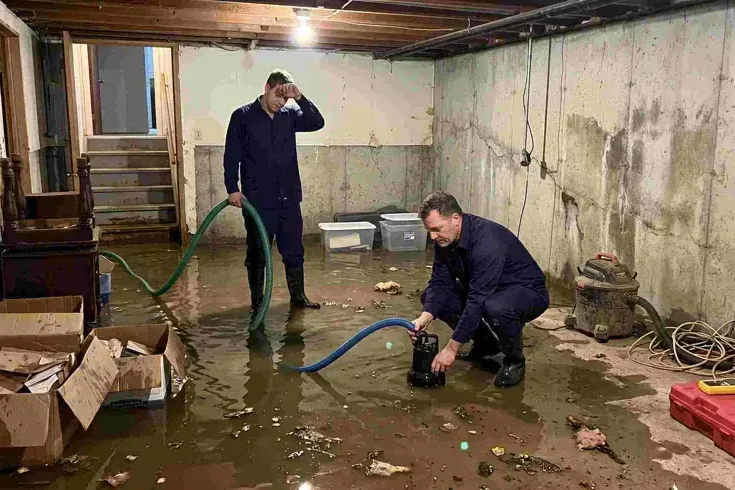
Water Extraction and Removal
Pumps remove pooled water while extraction tools reach carpet, floor joints and low spots.
Service details ›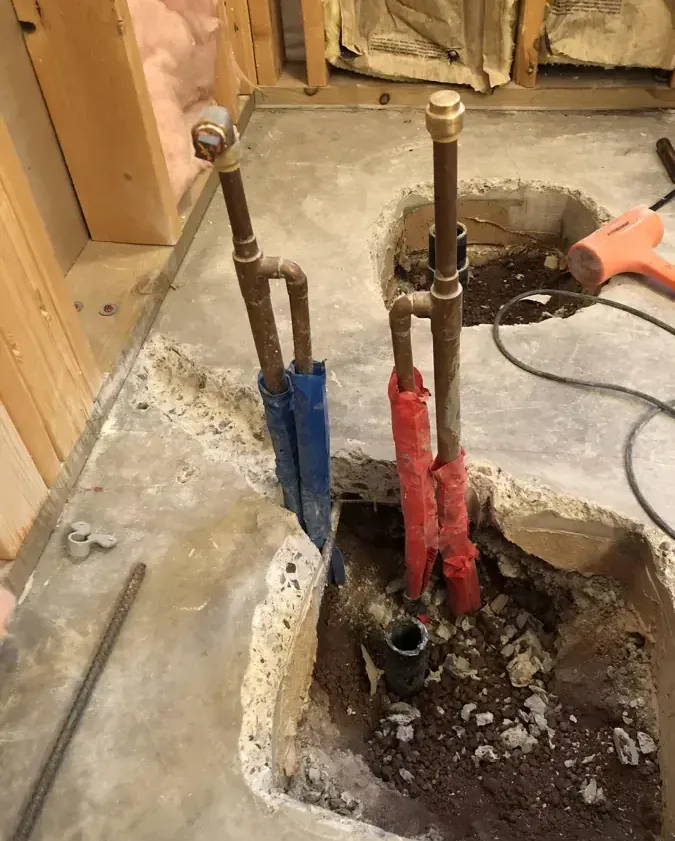
Slab Leak Water Damage
Moisture beneath floor coverings needs source tracing and measured concrete drying.
Service details ›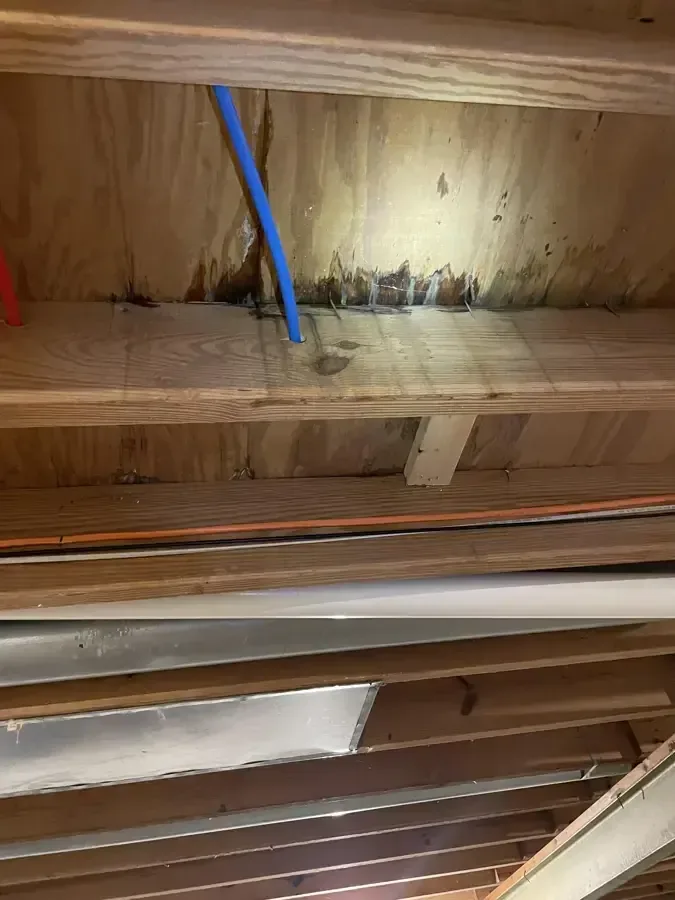
Ceiling Leak Water Damage
Overhead saturation calls for safe access and checks above the damaged finish.
Service details ›Structural Drying questions
Why is drying needed after the floor looks clear?
Extraction removes liquid that can be collected from accessible areas. Materials such as wood, wallboard and floor layers can still hold absorbed moisture afterward. Drying addresses that retained water through suitable access and controlled air conditions. The condition of the assembly, rather than the absence of a puddle, determines what work remains before repairs can proceed.
What do moisture readings add to a visual inspection?
Readings provide information about accessible material condition and changes during treatment. A surface can look improved while a connected layer remains wet. Recording useful locations allows the response to be compared over time. Those findings help decide whether the setup is working, needs adjustment or requires another look at access and the source of continuing moisture.
Can more fans always speed up the process?
Additional airflow is useful only when it reaches a suitable wet surface and the surrounding moisture is being controlled. A concealed layer may need access instead. Equipment selection should follow the assembly and observed response, rather than a larger machine count alone. The plan combines material assessment, evaporation paths and moisture removal from the air around the work.
Why might a section of wall need to open?
An intact finish can prevent inspection or restrict evaporation from a wet cavity. Selective opening may allow unsuitable material to be removed and retained framing to be treated. The scope should identify the reason and the area involved. That access decision is tied to the actual wet layer, not simply to how large the visible stain appears.
Should windows be opened during equipment drying?
The operating plan should establish how doors, windows and indoor conditions are managed. Unplanned changes can alter humidity and airflow around the wet materials. Occupants should discuss ventilation choices before changing the setup. The goal is a controlled environment suited to the retained assembly, with equipment and access arranged to support a measurable response throughout the treatment period.
How is the equipment removal decision explained?
The decision should refer to material observations and recorded progress at relevant locations. It should also identify any separate requirements for replacement flooring or finishes. Each retained assembly needs its own readiness check before replacement finishes cover the material. The owner benefits from a clear handoff that states what was treated and which repair or preparation tasks remain after drying.
What happens if one area stays wet?
That area needs an assessment of the moisture path, available access and equipment effect. A hidden layer or continuing source may be limiting progress. The setup can then be adjusted to address the finding. Tracking the location through repeat checks helps avoid treating the entire room as complete while a specific retained component still needs attention.
Know what remains inside the assembly
Request a measured drying plan with clear access decisions and a documented transition to the next interior repair.
(888) 480-6221Discuss the drying approach