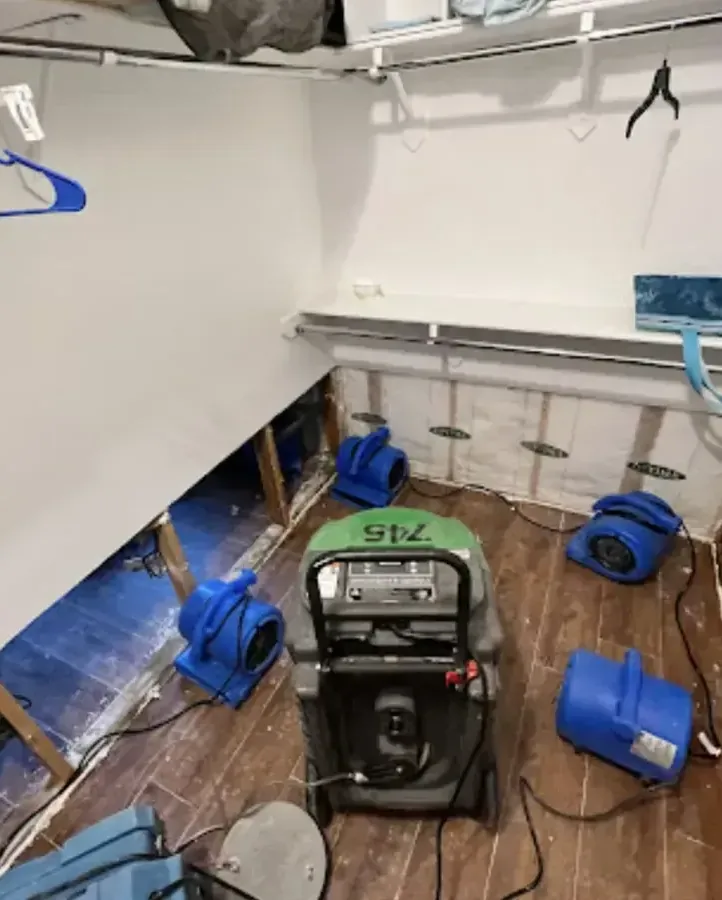
Water Damage Restoration Holbrook, MA
A wet room needs a clear next step. Water removal, careful inspection and measured drying help homeowners move from an unexpected leak toward a repairable interior with a documented recovery plan.
(888) 480-6221Discuss the wet roomsThe source, affected materials and safe access determine the work, with findings explained before the drying plan proceeds.
Clarity throughout the wet room assessment
A dry surface can hide a wet assembly. A structured dry-out combines moisture mapping, suitable equipment and repeat readings, with attention to the layers that will be covered again during repairs.
Establish the boundary
The inspection checks beyond visible marks and records affected materials. Reference readings from comparable dry areas help establish a meaningful target for the building assemblies involved.
Remove trapped water
Extraction reduces the liquid load before drying equipment is arranged. Inaccessible wet layers are evaluated for controlled opening or removal based on condition and contamination exposure.
Watch the response
Airflow and dehumidification are adjusted as readings change. Persistently wet locations receive closer inspection instead of being hidden behind fresh trim or a replacement floor covering.
Record the endpoint
Completion depends on material measurements and the condition of the affected space. The final record identifies remaining source repairs or finish work before the room returns to use.
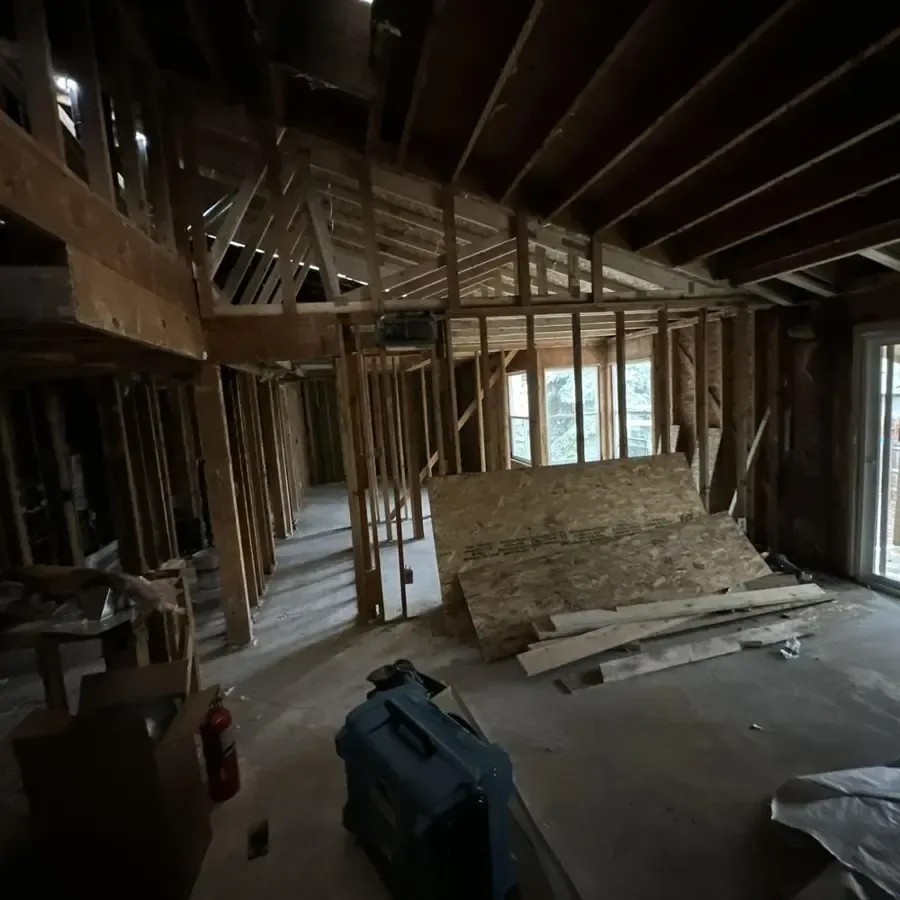
Water Damage Restoration Services in Holbrook, MA
Different leaks leave different cleanup problems. Select the event that matches the damage for practical information about material inspection, water removal and the next repair decisions.
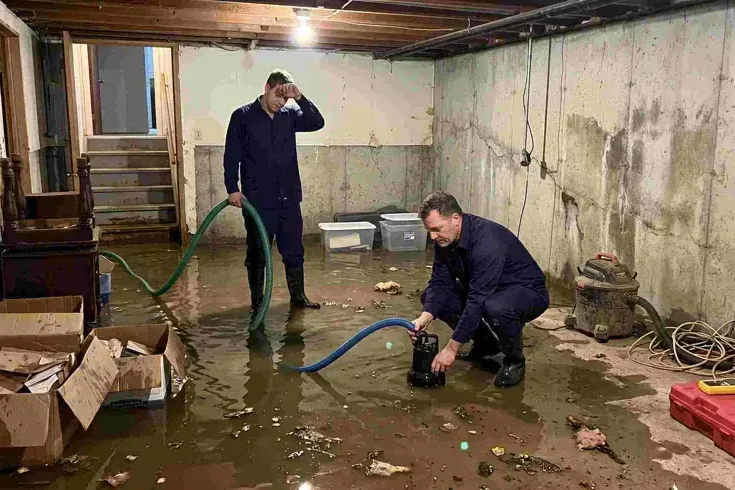
Water Extraction and Removal
Pooled water is removed first so hidden moisture beneath flooring and along wall bases can be investigated.
View service details ›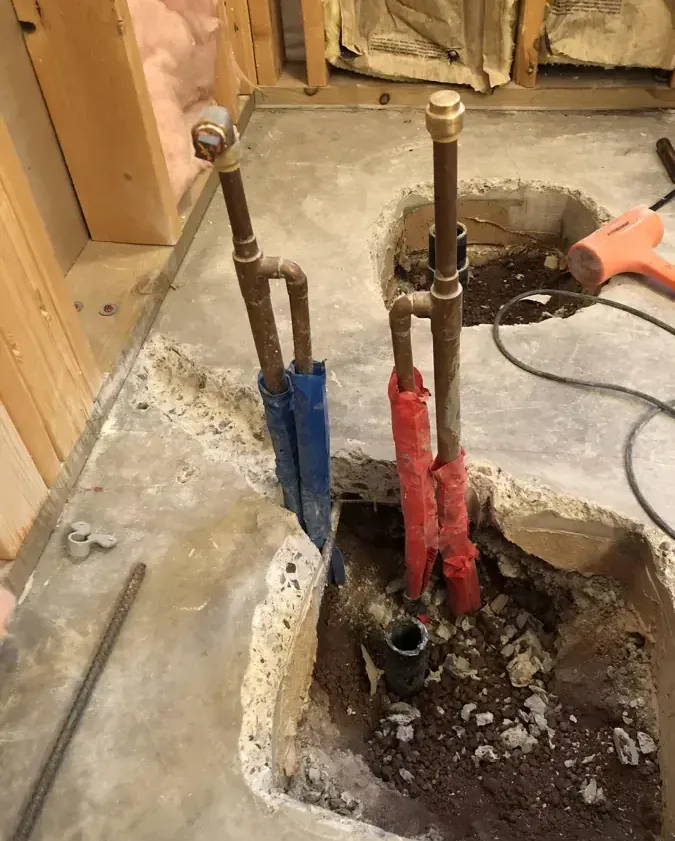
Slab Leak Water Damage
Damp floor coverings need careful mapping when a concealed pipe beneath concrete is suspected of leaking.
View service details ›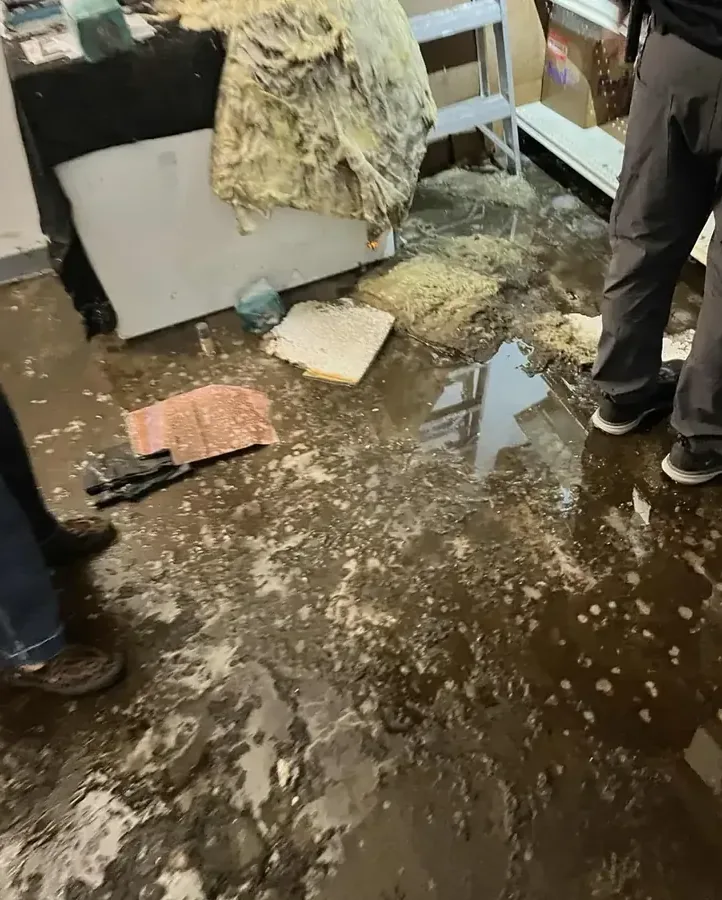
Sewage Backup Cleanup
Drain overflow requires restricted access, contaminated material decisions and cleaning before the affected interior can dry.
View service details ›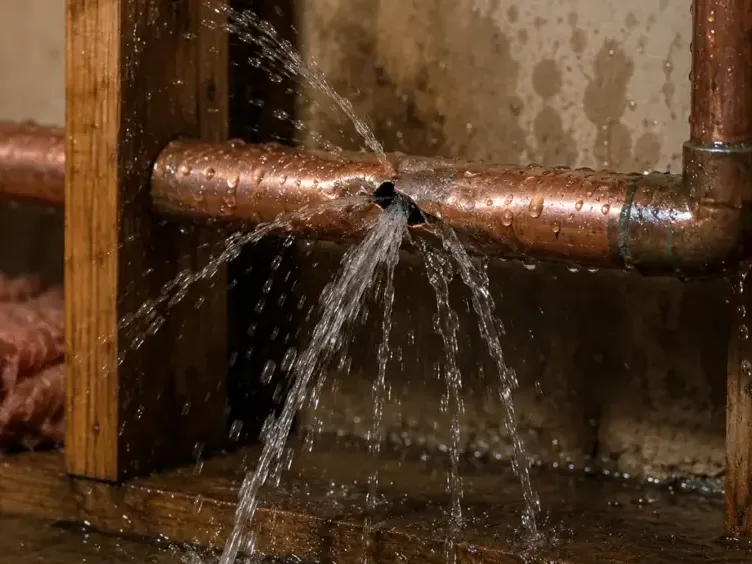
Burst Pipe Water Damage
A ruptured supply pipe can soak several rooms before the wettest wall surface becomes visibly stained.
View service details ›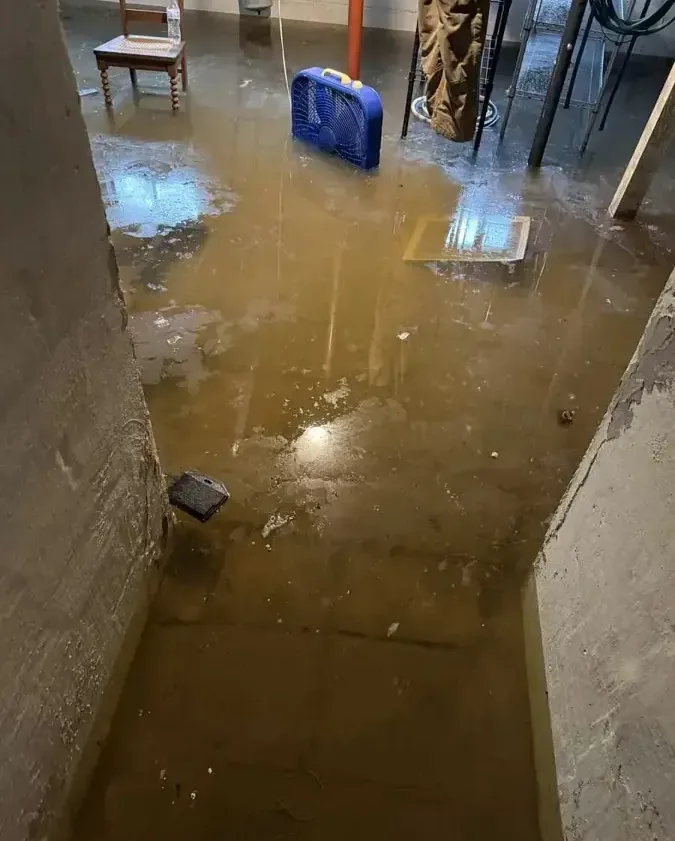
Storm and Flood Cleanup
Outside water brings sediment indoors, changing the removal sequence and the treatment of absorbent building materials.
View service details ›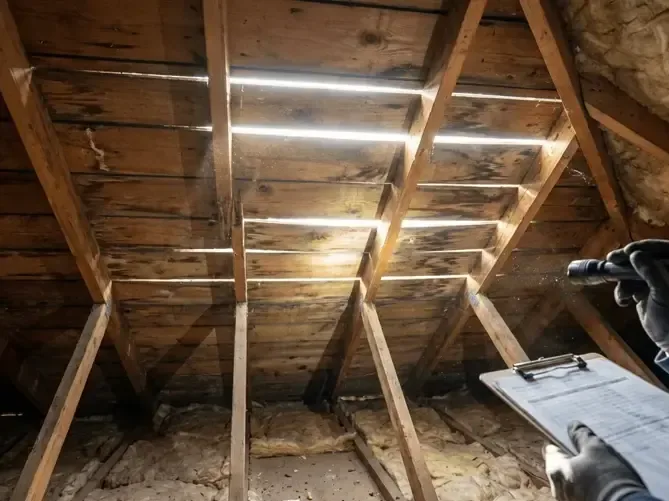
Roof Leak Water Damage
Rain entering overhead may wet roof sheathing and insulation before leaving marks on the room below.
View service details ›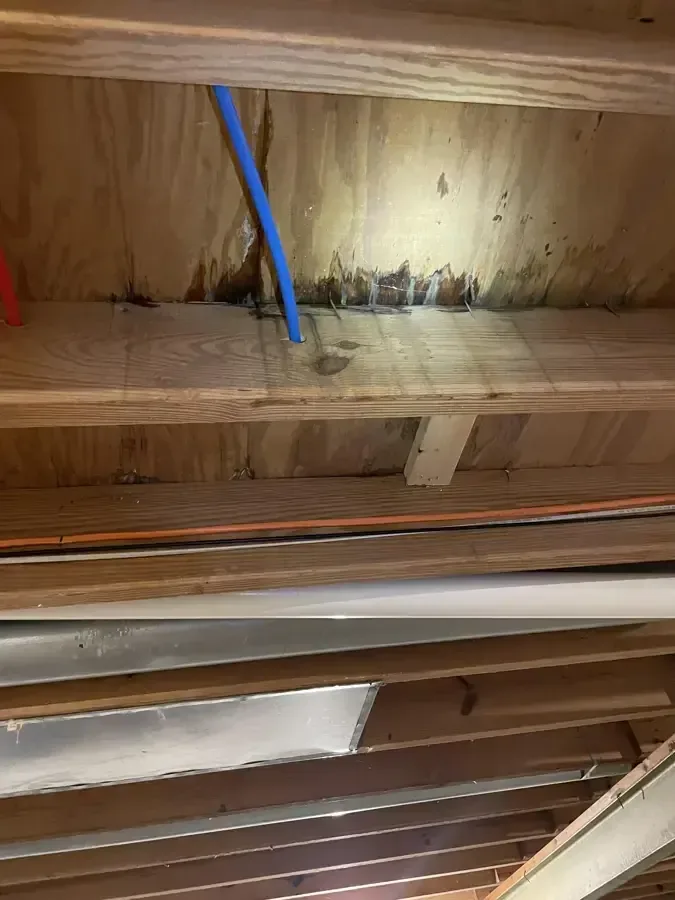
Ceiling Leak Water Damage
A sagging overhead surface calls for a protected work area and inspection above the visible stain.
View service details ›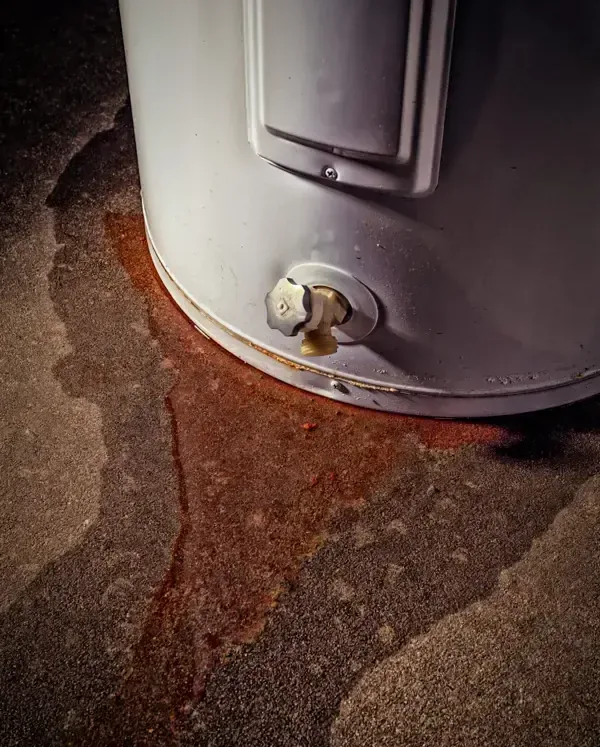
Water Heater Leak Cleanup
Water around a tank can spread beneath stored belongings and enter the base of adjoining walls.
View service details ›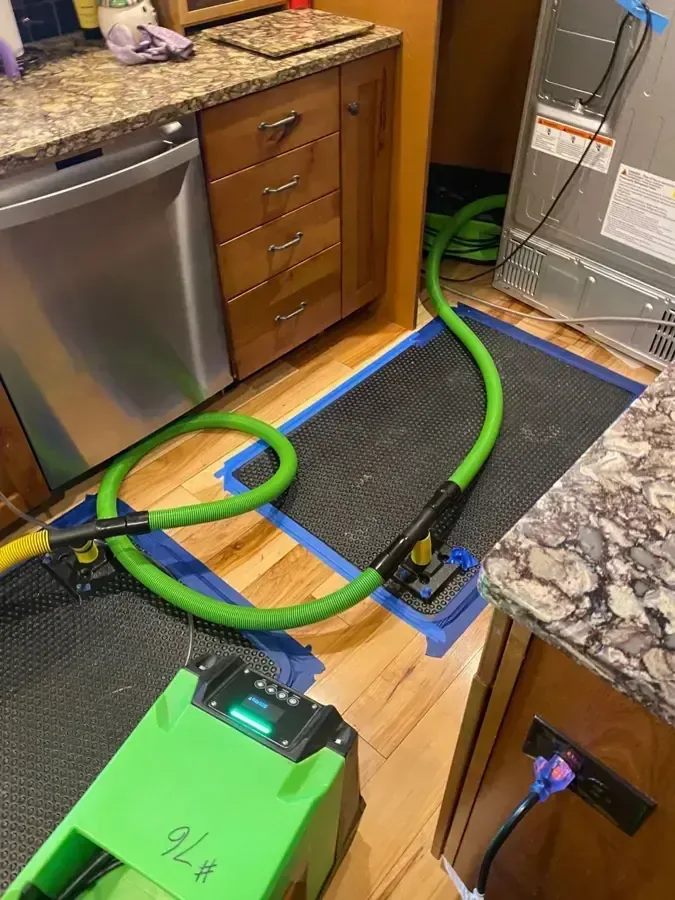
Appliance Leak Water Damage
A small dishwasher or washer leak can reach cabinet bases and concealed seams in the subfloor.
View service details ›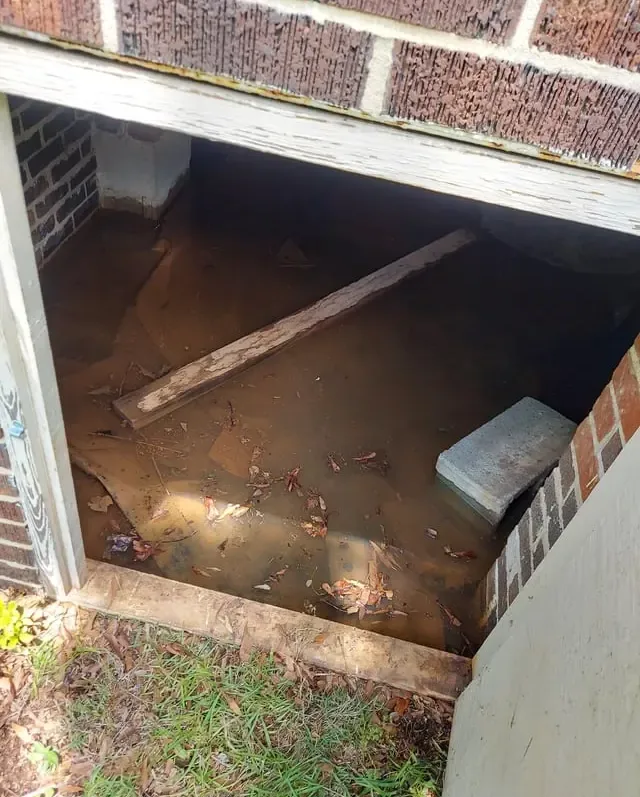
Crawl Space Water Removal
Restricted access beneath a floor changes how water is removed and damp framing is inspected safely.
View service details ›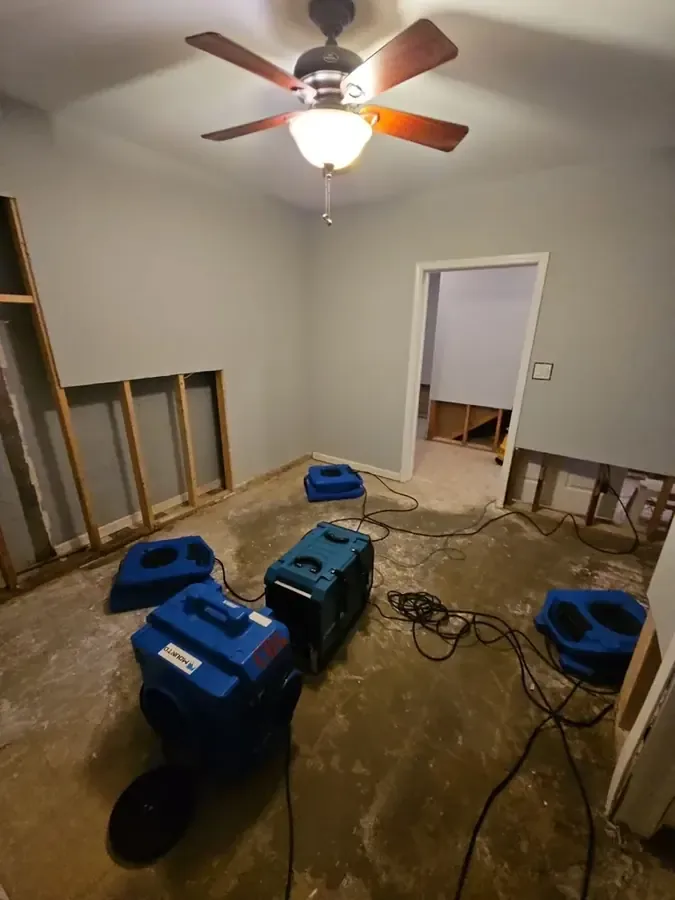
Structural Drying
Repeated moisture readings show whether framing and floor layers are progressing toward the agreed drying target.
View service details ›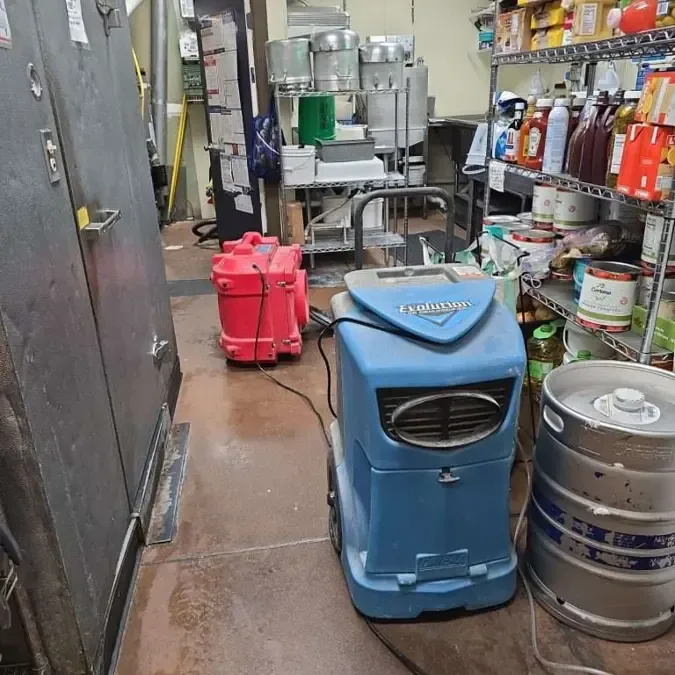
Commercial Water Damage
Stock protection and safe access routes belong in the plan alongside extraction and drying of commercial rooms.
View service details ›
Frozen Pipe Water Damage
Thawing can reveal a hidden split, making supply isolation and inspection of enclosed pipe spaces essential.
View service details ›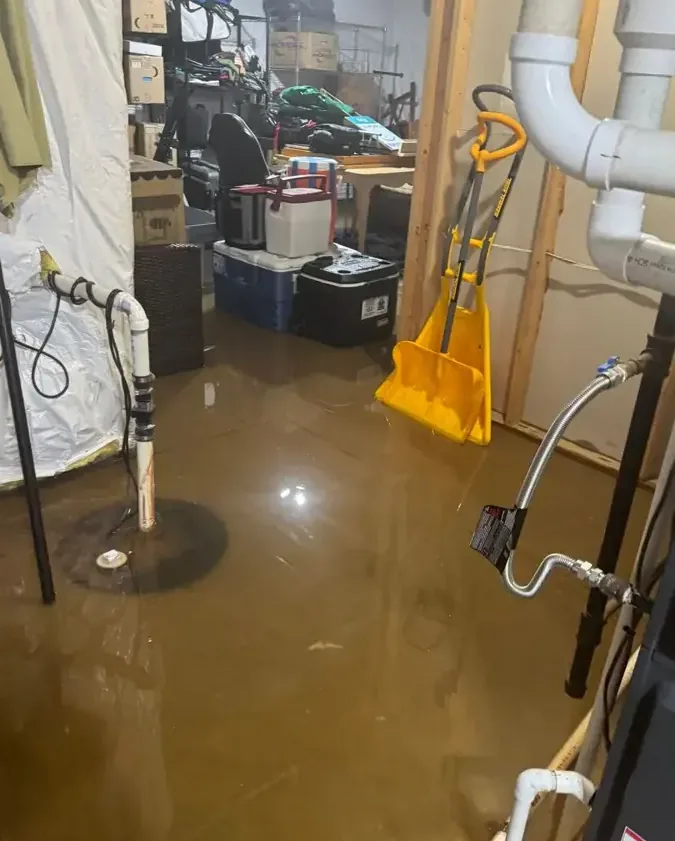
Basement Water Removal
Lower rooms need more than pumping when water has reached partitions, stored contents and finished flooring.
View service details ›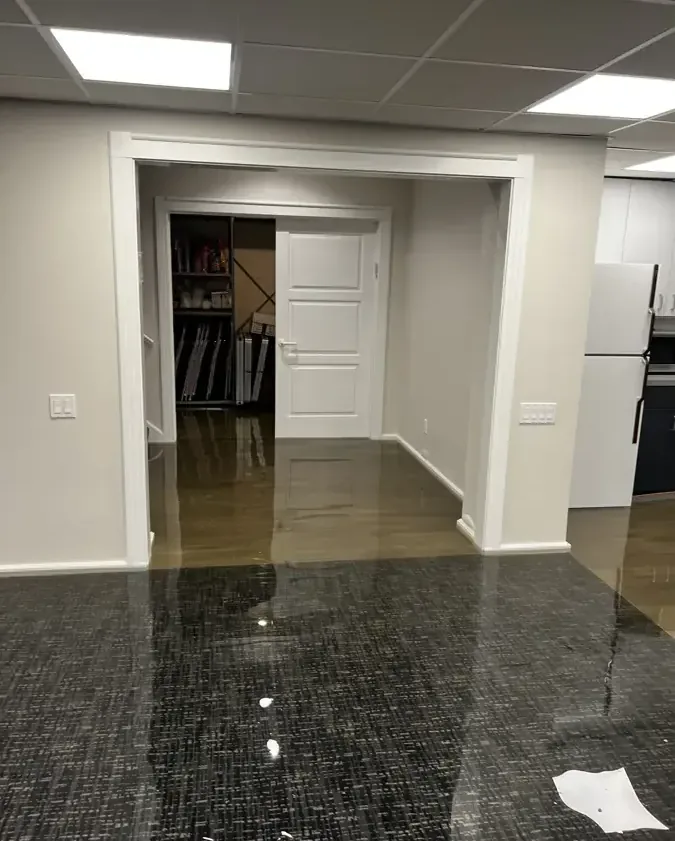
Sump Pump Failure Cleanup
A stopped pump leaves two tasks: managing incoming water and drying the materials exposed to overflow.
View service details ›Describe the property entrance
Routes 37 and 139 intersect at the town center. When arranging service, describe the entrance, parking restrictions and the room containing water so equipment access can be planned.
Homes and commercial interiors need different access arrangements. Identify locked utility rooms, occupied spaces and any wet stairs before the visit, along with the safest available route indoors.
Clarity throughout the wet room assessment
A useful restoration plan explains what is wet, what can remain and how drying will be checked. Each decision should connect directly to the affected materials.
Rapid local response
The initial discussion identifies active water, access restrictions and immediate hazards. Dispatch arrangements reflect the actual conditions so the first visit starts with a useful description of the loss.
IICRC S500 drying standard
Moisture readings and material condition shape a structured drying approach. Equipment placement, monitoring and completion criteria belong in the work record, giving the owner a basis for understanding progress.
Claim-ready documentation
Dated photographs, moisture maps and itemized work descriptions preserve the sequence of the damage. Those records support communication with an adjuster while keeping repair costs separate from drying decisions.
Local water experts
Lake Holbrook and Trout Brook are familiar geographic reference points. At the property, the inspection follows the actual route of water through rooms, floor layers and adjoining concealed spaces.
The gear a real dry-out runs on
- Material readings
- Controlled airflow
- Documented completion
What a water damage dry-out looks like in Holbrook
What does water damage restoration cost in Holbrook, MA?
Water damage restoration estimates depend on the water source, wet materials and access. The ranges below illustrate different project sizes; an inspection separates extraction, material removal and monitored drying from the repairs needed afterward.
Contained interior water
$1,000 to $3,000
- Accessible wet surfaces
- Limited material removal
- Focused drying setup
Several affected rooms
$3,000 to $6,000
- Broader moisture mapping
- Floor cavity access
- Repeated drying measurements
Extensive contaminated loss
$6,000 to $10,000+
- Controlled debris handling
- Complex interior access
- Multiple affected material layers
These planning ranges are estimates rather than property quotes. Plumbing repair, replacement finishes and unusual access needs should be identified separately so the written scope remains easy to compare.
Water cleanup across town
Familiar places for access details
Town ZIP
Nearby service areas
See all restoration servicesAll water damage categories covered in Holbrook, MA
Supply water escape
A broken fixture supply may begin with relatively clean water. Contact with dirty surfaces and delayed discovery can change the handling and salvage decisions inside the room.
Inspect supply water damageUsed household water
Appliance discharge can carry residues into floor joints and cabinets. The material assessment considers what escaped, where it traveled and which surfaces can be cleaned effectively afterward.
Explore appliance spill recoverySewage or outside water
Sewage and incoming floodwater need controlled access and deliberate contamination handling. Porous finishes often need removal before underlying surfaces can be cleaned, inspected and prepared for drying.
Explore contaminated water cleanupWater damage dried to the IICRC S500 standard
- Material readings
- Controlled airflow
- Documented completion
Documentation for your insurance claim
A claim is easier to discuss when photographs, observations and invoices describe the same event. Keep source repair records alongside the restoration documents for later discussion.
- Photographs showing the first visible water and affected rooms
- Notes recording discovery time and the suspected entry point
- A list of belongings moved or exposed to water
- Separate invoices for source repairs and interior restoration work
- Moisture records explaining drying progress and the completion decision
When payment comes directly
A directly funded project still benefits from a written scope. Ask for extraction, removal and drying to be described separately, with any uncertain access requirements clearly identified before that work proceeds.
Retain the same photographs and invoices even when no claim is planned. They provide a record of the repair sequence and explain which materials were retained, removed or left for replacement.
Make the affected area easier to assess
Keep the room clear
Keep people away from wet electrical equipment, unstable ceilings and drain overflow. Observe from a dry doorway pending safe access.
Stop an accessible source
An accessible shutoff may stop a supply leak when reaching it is safe. Electrical, appliance and plumbing hazards need the appropriate qualified trade before cleanup begins.
Capture the first view
Photograph the water boundary and the likely source from a safe position. Include belongings and adjoining rooms without lifting heavy furniture or opening a ceiling.
Separate dry belongings
Move lightweight, dry possessions away from spreading water if the route is safe. Keep affected items available for documentation rather than mixing them into clean storage.
Describe the change
Note when the room was last dry, which fixtures were running and whether rain was occurring. Those observations help focus the first inspection and repair handoff.
Outdoor context and indoor water decisions
The town combines residential streets, local employment and connected waterways. Useful cleanup decisions begin with the entry point at the building, then follow water through the affected interior materials.
Connected ponds and brooks
Trout Brook flows through Lake Holbrook and continues toward Sylvan Lake. Outside water entering a building requires attention to sediment, contaminated contents and the lowest interior materials reached.
A residential building history
The housing boom after 1945 helped shape a largely residential community. Within any affected home, the inspection identifies the actual floor and wall layers before choosing a drying method.
Supply appearance questions
The Holbrook Department of Public Works handles water discoloration questions identified in the plant startup notice. A stain inside a fixture and escaped water soaking a floor require different responses.
Commuting and delayed discovery
Many residents commute to Greater Boston. A leak discovered after time away needs a careful account of the last dry observation, the running fixtures and the rooms showing changes.
Stormwater care at home
The town publishes stormwater management information and lawn and garden tips. Around an affected property, safe observations of drainage and entry points can help the relevant repair trade address continued water entry.
July 6, 2026: Blending from the new Tri-Town Water Treatment Plant into the distribution system began. The startup notice listed temporary pressure changes and minor water discoloration during transition.
Questions after water reaches a room
What information helps before an inspection?
Useful details include when the damage was discovered, the last time the area was dry and whether water is still entering. Photographs from a safe position help show the boundary. Mention wet electrical equipment, difficult stairs and inaccessible shutoffs before anyone enters the affected space.
Can a room need drying without standing water?
Yes. Water can drain away while remaining beneath flooring, within insulation or behind a wall base. Moisture readings help identify those wet layers. The absence of a puddle should be considered alongside material condition and the path taken by the original leak.
Does living near a pond determine the cleanup?
Cleanup depends on the water that actually entered the building. Outside water, fixture discharge and a broken supply pipe can require different handling. The inspection records the source and material contact before selecting cleaning methods or deciding which absorbent finishes can remain in place.
Should an appliance be moved immediately?
Heavy appliances should remain undisturbed until their connections and surrounding electrical conditions have been assessed. Pulling a machine across a wet floor may damage a hose or spread contaminated water. A safe repair handoff allows access behind the unit and underneath the affected floor covering.
What happens to damp furniture and boxes?
Contents are assessed by material, exposure and condition. Lightweight dry items can sometimes be moved along a safe route. Wet belongings should be photographed and kept separate from clean storage. Decisions about cleaning, drying or disposal belong in the documented scope rather than an undifferentiated debris pile.
When can replacement flooring be installed?
Installation follows source correction and verification that the underlying assembly meets the appropriate moisture requirements. Readiness checks include the layers beneath the top surface. Retained subfloor layers, wall edges and adjacent cabinets may need further attention before new materials cover them and restrict access for future checks.
Does restoration include the plumbing repair?
The work description should identify responsibility for stopping the leak and repairing the failed component. Restoration addresses the resulting wet materials and interior cleanup. Coordinating both tasks prevents equipment from drying a room while an unresolved fixture continues adding water behind a wall or cabinet.
How are costs explained before work expands?
A written estimate should distinguish known damage from areas that require inspection access. Additional wet layers can change the scope after an opening is made. Photographs and measurements help explain that change, while separate repair items make the price discussion easier for owners and adjusters.
Can the owner stay during the project?
That depends on safe access, affected utilities, contamination and the location of drying equipment. Clear walkways and separated work areas are important. A home with a confined clean water loss presents different access concerns from one with sewage across the only route to essential rooms.
Give the wet room a clear plan
Describe the damage in Holbrook and arrange an assessment of water removal, affected materials and the next drying decisions.
(888) 480-6221Arrange a room assessment