Basement Water Removal Holbrook, MA
A basement can hold water behind storage and beneath finished partitions. Removal planning starts with safe access and the entry source, then follows the remaining moisture into the materials that keep the lower room wet.
(888) 480-6221Review the flooded lower room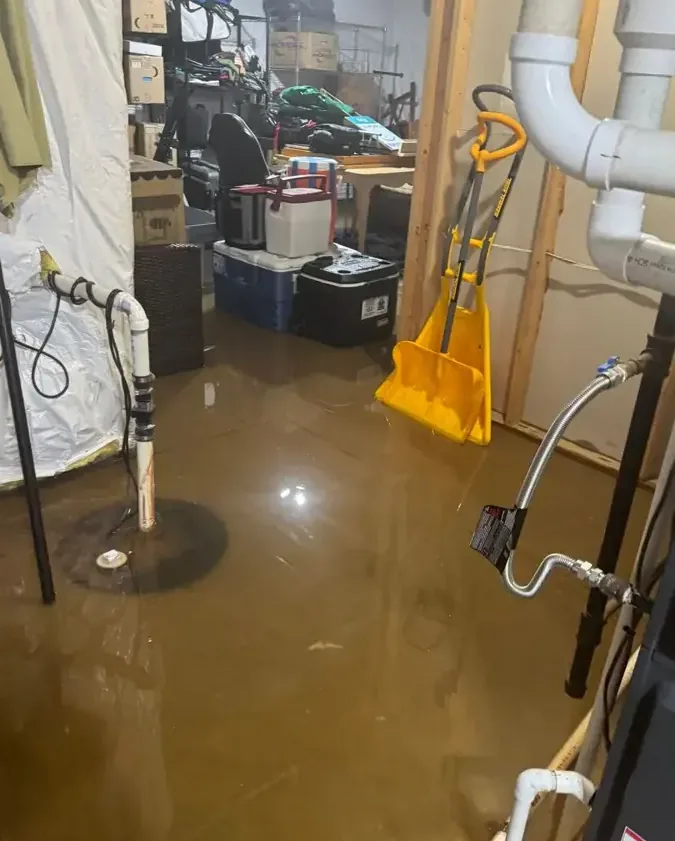
Basement water removal in Holbrook is shaped by the room's contents and access as much as the visible depth. Stored boxes, utility equipment and finished partitions can divide the water into pockets that are difficult to see from the stairs. The initial assessment identifies hazards and the source of continued entry. Pumping then creates access for inspecting the materials that remain damp after open floor areas have cleared.
How basement water removal proceeds
Assess water and utilities
Review the entry source, current water level and safe stair access. Identify affected electrical equipment, contamination and building concerns before positioning removal equipment or moving stored contents within the lower room.
Collect accessible accumulation
Remove standing water through a planned route and inspect newly exposed surfaces. Reposition suitable contents carefully to reach hidden low points while keeping affected belongings separate from dry storage and living areas.
Open the material boundary
Check floor layers and lower walls for retained moisture. Make appropriate removal and cleaning decisions, then arrange drying around the components that remain after inaccessible or unsuitable finishes have been addressed.
Verify room readiness
Monitor retained materials and record completion conditions before replacement finishes or stored belongings return. Identify any outstanding source correction, inaccessible area or repair task needed to restore normal use of the basement.
Describe the lower room before entry
A safe account of the stairs, utilities and visible water helps organize equipment access. Occupants should note whether water is rising or receding and where it first appeared. Finished living space, open storage and a utility area create different material tasks. The work scope should describe the actual finishes, storage and utility areas present in each affected lower room.
- Photograph the visible water boundary from a safe position and include storage standing directly on the floor.
- Identify wet electrical equipment, unstable stairs or overhead damage that could prevent safe access to the room.
- Describe any continuing supply escape, drain discharge or outside entry before removal equipment is arranged.
Lake Holbrook is connected to Trout Brook, which continues toward Sylvan Lake. These waterways form part of the town's geography. At the affected building, the inspection follows the actual entry point and exposure: a supply failure, sewage discharge or outside water changes the handling of the same basement materials and the repair trade needed for source correction.
Look under storage and behind partitions
A cleared center floor may leave water below shelving, within finish layers or against the base of a wall. Contents need controlled movement so those locations can be inspected. Cardboard, textiles and furniture components receive individual assessment based on exposure and condition. Their documentation should remain separate from decisions about retaining or removing the building's own wet finishes.
Floor coverings and lower wall materials can obstruct moisture access. The assessment identifies controlled openings needed for cleaning or drying and explains why any removal is proposed. Structural drying then monitors retained framing and floor components. A pump addresses accumulation, while measurements establish the work still required in the assembly after that accumulation has disappeared.
- Measure partition bases where water remained against absorbent finishes or entered a concealed wall cavity.
- Inspect beneath safely moved storage so isolated puddles do not remain outside the removal plan.
- Keep affected belongings separate from clean rooms until their cleaning, drying or disposal decisions are recorded.
Describe the water visible from a safe position and the route downstairs. A basement assessment can organize removal around utilities, storage and the affected lower room materials.
(888) 480-6221Discuss the lower room waterDo not use the stairs as proof of safe entry
A visible stair route does not make a flooded basement safe to enter. Electrical equipment, hidden debris and unstable materials can remain below the water surface. Occupants should avoid stepping into water to reach a panel, retrieve an appliance or test a pump. The appropriate qualified personnel should assess utilities and any structural concern before work proceeds. Dirty outside water or sewage also requires access controls and suitable handling. Photographs from the dry upper area can help explain conditions while keeping people outside the affected lower room.
Removal must account for the building condition and continued inflow. If significant water or structural concerns are present, the responsible professionals should determine the safe sequence instead of treating rapid pumping as the only objective.
Plan the lower room's return to use
North Shore Road is a town access reference, while the basement record needs room level details: affected partitions, wet storage and retained floor layers. Source repair, cleaning and drying should each be documented. Replacement finishes and returning storage follow the material findings. Keeping shelves and belongings away from monitoring locations until the work is complete helps preserve inspection access throughout the recovery.
For general household precautions, see Ready.gov flood safety and the EPA household leak checks.
What does basement water removal cost in Holbrook, MA?
Basement recovery costs in Holbrook depend on water access, contents and finished materials. These estimates describe removal and interior restoration; source repairs, utility servicing and replacement finishes require separately defined work.
Limited accessible water
$1,500 to $3,000
- Usable stair route
- Small storage impact
- Focused water collection
Finished lower-level damage
$3,000 to $5,500
- Wet partition assessment
- Floor layer access
- Expanded interior drying
Deep or extensive spread
$5,500 to $8,000+
- Complex removal planning
- Substantial contents exposure
- Multiple affected assemblies
These ranges are estimates only. Water category, square footage, material class and the delay before drying affect the scope. The water damage cost calculator compares those variables before a property assessment.
What shapes the basement water removal plan
A safe lower entry
Stairs, utilities and standing water are assessed together before equipment or occupants enter. This establishes a practical access route and identifies hazards requiring the appropriate qualified trade before removal can proceed.
Storage aware water removal
Contents may hide isolated accumulation or block floor edges. Movement is planned around safe handling and condition records, allowing the removal scope to reach water beyond the open center of the basement.
Finish and cavity inspection
Lower partitions and floor coverings are measured after visible water clears. Those findings determine where access, removal or directed drying is needed to recover the retained assembly beneath the room's finishes.
A usable recovery sequence
The final plan connects source repair, cleaning, retained material drying and replacement work. It also explains when storage can return without blocking monitoring or concealing an area still requiring inspection and moisture control.
Basement water removal coverage in Holbrook
Basement recovery assessments serve Holbrook in 02343, including properties around Lake Holbrook and North Shore Road. Describe the stair route, water level, visible source and whether finished rooms or utility equipment are affected.
The same service nearby: basement water removal in Roslindale, Hyde Park, Norwood.
Related water damage services in Holbrook
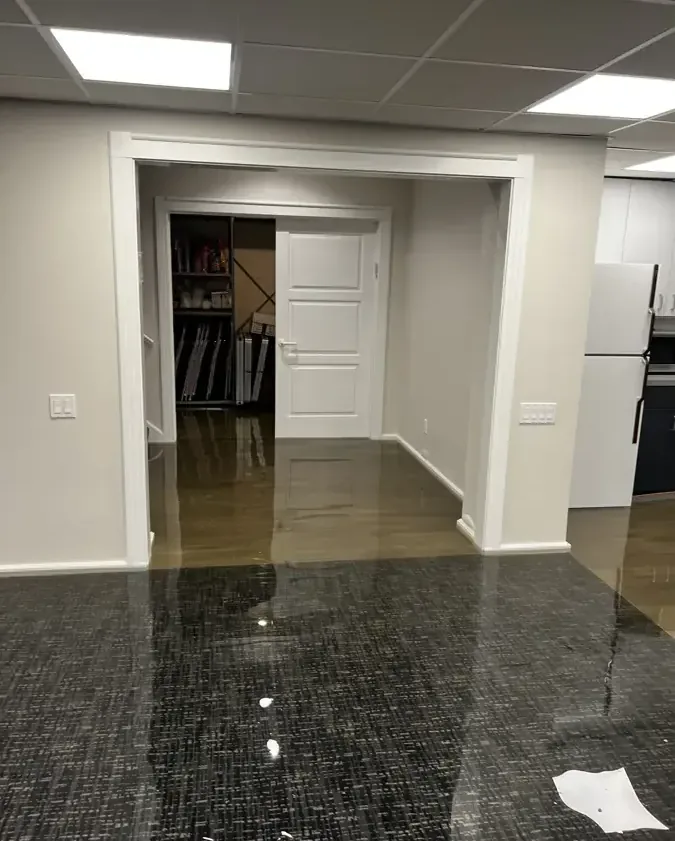
Sump Pump Failure Cleanup
Pump recovery and floor drying address separate parts of a rising-water problem.
Service details ›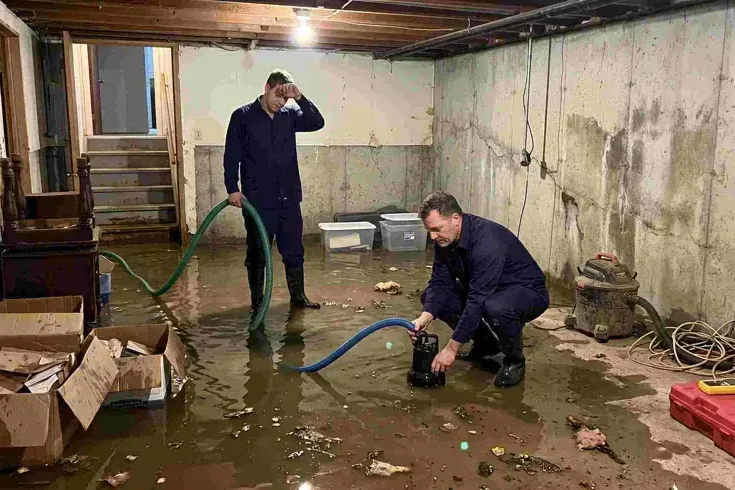
Water Extraction and Removal
Pumps remove pooled water while extraction tools reach carpet, floor joints and low spots.
Service details ›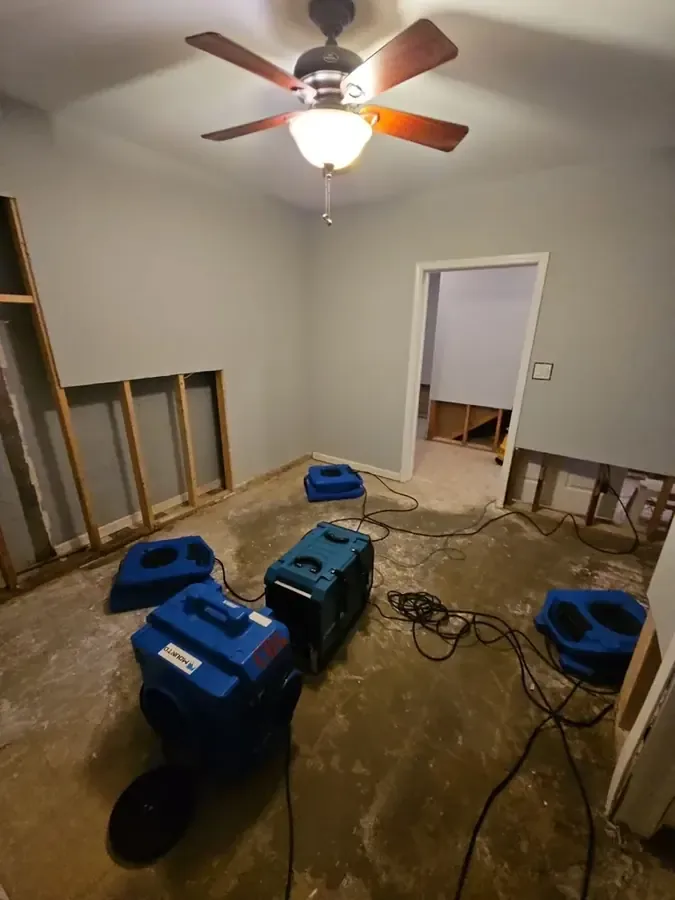
Structural Drying
Material readings determine equipment placement and the end of the drying phase.
Service details ›Basement Water Removal questions
Can water remain after the main floor area is pumped?
Yes. Low points beneath storage and moisture within finish layers can remain after the open floor clears. The inspection should reach those locations where access is safe and measure the retained assembly. Pumping is an important stage, but the completion decision also considers cleaning needs and the condition of walls, floors and contents.
Should an occupant go downstairs to switch off equipment?
Entering water to reach electrical equipment is unsafe. The affected systems and access route need assessment by qualified personnel. Occupants can describe what is visible from a dry position without touching wet panels, plugs or appliances. That information helps organize the first visit and identify which hazards must be addressed before removal work.
Does every basement flood come from outside?
No. A supply leak, appliance discharge, drain backup or outside entry can each bring water into a lower room. The observed source and material contact determine cleanup decisions. The assessment should record the actual route and coordinate the appropriate repair trade instead of treating every basement water event as the same problem.
What happens to stored belongings on the floor?
Their exposure and material condition need documentation before relocation or disposal. Some items may be suitable for cleaning and drying, while others are not. Keeping affected belongings separate from clean storage prevents additional spread and preserves a useful record of the initial loss for the owner or any later claim discussion.
Can finished walls stay in place?
Retention depends on damage, contamination and access to moisture behind the finish. A lower wall may look improved while its cavity remains wet. Measurements and controlled inspection help determine whether drying in place is practical or whether an opening is needed to reach retained water and prepare the assembly for repair.
When should shelves and boxes return?
Storage should remain clear of monitoring areas until the relevant cleaning and drying work is complete. Returning items too early can conceal wet floor edges and obstruct airflow or measurements. The completion discussion should identify suitable material conditions and remaining repairs so the room can be reorganized without hiding unfinished recovery tasks.
What if water returns after extraction?
Repeated accumulation means the source still needs attention or another entry route exists. The appropriate repair trade should investigate while the restoration plan records the new exposure. Drying work may need adjustment because cleaned materials can become wet again. The source status should remain explicit before replacement finishes or contents return to the room.
Recover the basement beyond the puddles
Arrange extraction and moisture checks for the floor layers, partitions and stored contents reached by the water.
(888) 480-6221Plan the basement material recovery