Basement Water Removal Norwood, MA
A basement can collect water from several sources and hold it around stored contents or behind finishes. Removal planning considers safe entry, the water origin and the lower room materials that remain wet afterward.
(888) 480-6221Describe the flooded lower room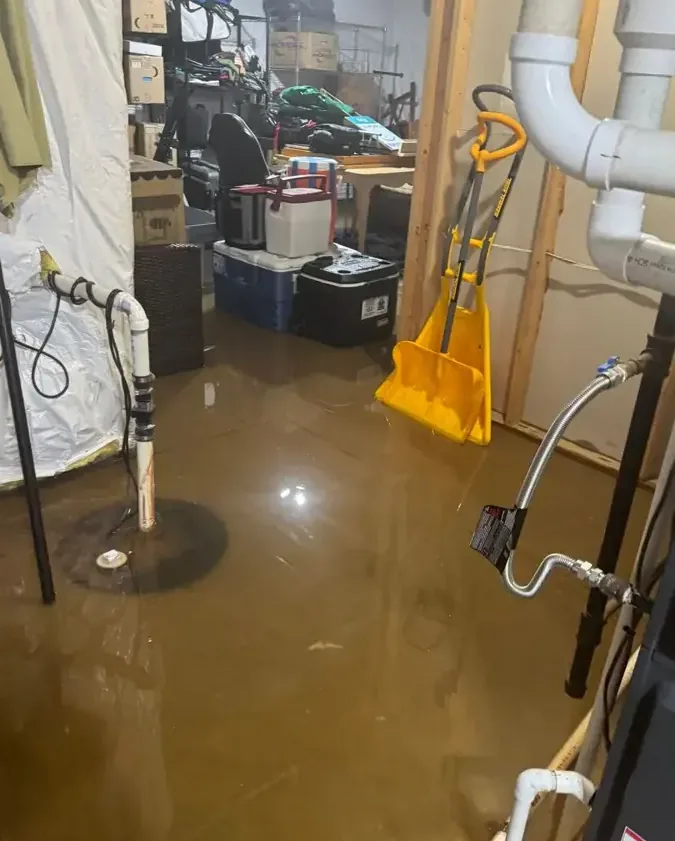
The June 28, 2020 rainstorm filled the basement of Norwood Hospital and forced the hospital to close. A lower level water loss can disrupt a building because utilities, stored belongings and finished rooms may all occupy the collection area. At an individual property, basement water removal begins with the source and the safety of entry. Pumping is part of the work, followed by an assessment of what the water contacted and which materials still retain moisture.
How basement water removal proceeds
Assess lower room conditions
The source, water extent and utilities are assessed from suitable access points. Structural concerns and entry restrictions help determine the removal approach before hoses and equipment are positioned within the basement.
Remove water and separate contents
Accessible liquid is collected using the planned route. Stored items are documented and handled according to condition, opening access to floor edges and wall bases that may have been concealed behind them.
Inspect and treat revealed materials
The exposed perimeter and finished assemblies are evaluated for cleaning, removal and drying. Retained components receive a setup suited to their moisture condition, with the source issue addressed through the appropriate repair work.
Track readiness for room recovery
Moisture checks explain the progress of remaining materials and any adjustments needed. Completion notes identify the building treatment, contents decisions and separate repairs required before normal lower room use is restored.
Assess the lower room before choosing a pumping route
A basement in South Norwood may have an interior stairway, an exterior entrance or access restricted by storage. The actual layout determines how hoses and removed materials can move. Utilities at floor level create additional concerns when water is present. The assessment should identify a workable route without requiring occupants to walk through the flooded space to retrieve belongings or reach controls.
- Describe the water from a safe stair or doorway position, including visible contact with equipment and any continuing entry.
- Keep the removal route clear of dry storage so hoses, wet debris and contents do not crowd the same narrow access.
- Identify finished areas, utility spaces and storage enclosures separately because each may conceal a different extent of wet material.
The water source changes cleaning precautions and the order of work. A plumbing release, outside entry and sewage backup each need appropriate assessment. Deep or continuing water also requires consideration of the building condition before removal proceeds. The scope should explain why the proposed method suits the situation rather than treating every lower room collection as an identical pumping job.
Look behind the stored contents and finished perimeter
Near Windsor Gardens, a basement used for storage may hide damp wall bases behind stacked boxes. A finished room may conceal moisture beneath flooring or inside a partition. Contents handling creates access to these edges, with documentation of affected items before decisions change their condition. The exposed surfaces then show whether cleaning, removal or targeted drying is needed beyond the open floor.
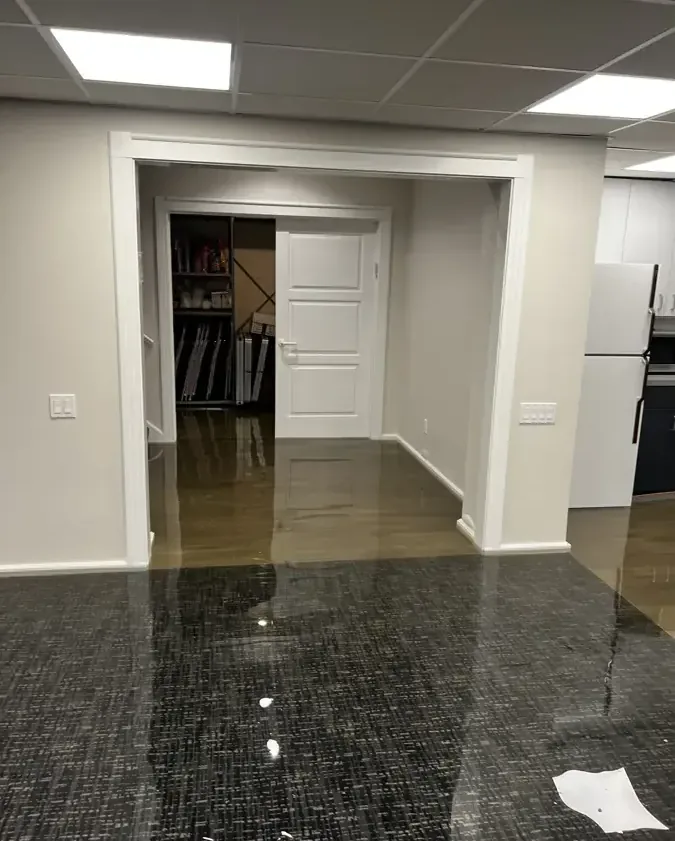
A dry looking slab or floor finish is only one observation. Retained wood, wallboard and other components can still hold moisture after extraction. The drying stage addresses those materials through appropriate access and measurement. Where a failed drainage device caused the event, sump failure cleanup also explains the need to coordinate the equipment fault separately from room recovery.
- Check behind reachable storage and along partitions before deciding the full affected area is visible.
- Record the condition beneath removed floor finishes so later repairs have an understandable starting point.
- Maintain access for moisture checks instead of returning boxes against the treated perimeter too early.
Describe the basement entrance, visible water and affected utilities from a safe position. Those details help organize the assessment before removal equipment enters the lower room.
(888) 480-6221Review the lower level conditionsKeep electrical and structural concerns ahead of retrieval
Occupants should not descend into standing water when electrical conditions or the floor beneath are uncertain. Wet outlets, utility equipment and hidden debris can make a familiar basement unsafe. Reaching a shutoff or rescuing storage does not justify crossing the water. A deep collection or signs of movement in the surrounding structure need assessment before pumping decisions are made. Contaminated water requires additional restrictions on contact and contents handling. The useful first step is a description from a safe position, followed by a removal approach that accounts for the building and the condition of the affected room.
Return storage only after the room condition is clear
For a Washington Street property, the handoff should state what was removed, which surfaces were treated and what repairs remain. The owner also needs to know where access must stay open for monitoring. An organized record of contents and building work makes it easier to restore the basement deliberately, keeping dry belongings away from materials still needing attention and separating source corrections from interior finish repairs.
For general household precautions, see Ready.gov flood safety and the EPA household leak checks.
What does basement water removal cost in Norwood, MA?
Basement removal estimates in Norwood vary with water access, finished surfaces and storage handling. Deeper collections or concealed wet layers add assessment and treatment beyond the initial pumping of accessible liquid.
Limited accessible water
$1,500 to $3,000
- Open removal route
- Localized floor collection
- Limited contents handling
Finished lower-level damage
$3,000 to $5,500
- Wet perimeter finishes
- Floor layer assessment
- Expanded drying placement
Deep or extensive spread
$5,500 to $8,000+
- Complex pumping access
- Broader material removal
- Several affected interior zones
These ranges are estimates only. Water category, square footage, material class and the delay before drying affect the scope. The water damage cost calculator compares those variables before a property assessment.
What shapes the basement water removal plan
Lower access planned
Stairs, exterior doors and utility locations shape the removal route. The assessment establishes safe movement before equipment or contents handling starts, so the flooded room does not become an improvised access path.
Source conditions distinguished
The origin and contact history of basement water influence treatment decisions. Identifying those conditions helps establish cleaning precautions and coordinate source correction alongside removal from the lower level of the building.
The perimeter made visible
Storage and finished partitions can hide wet floor edges. Appropriate contents handling and selective access reveal those areas so the restoration scope includes more than the open center of the flooded room.
Recovery recorded for reuse
The owner receives information about treated surfaces, removed materials and remaining restrictions. That handoff helps organize repairs and the return of storage around the actual condition of the basement after cleanup.
Basement water removal coverage in Norwood
Basement assessment includes South Norwood and properties near Windsor Gardens or Washington Street in 02062. Describe the lower entrance, stairs, visible water and any utilities in the affected room when arranging the inspection.
The same service nearby: basement water removal in Roslindale, Hyde Park, Brookline.
Related water damage services in Norwood
Sump Pump Failure Cleanup
Pump recovery and floor drying address separate parts of a rising-water problem.
Service details ›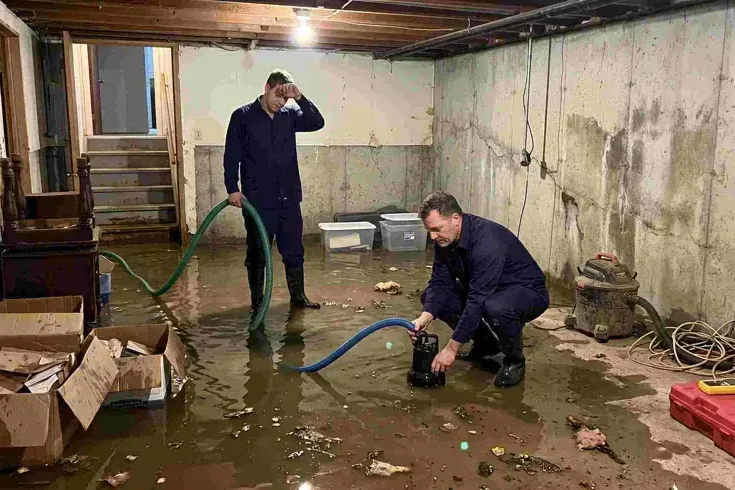
Water Extraction and Removal
Pumps remove pooled water while extraction tools reach carpet, floor joints and low spots.
Service details ›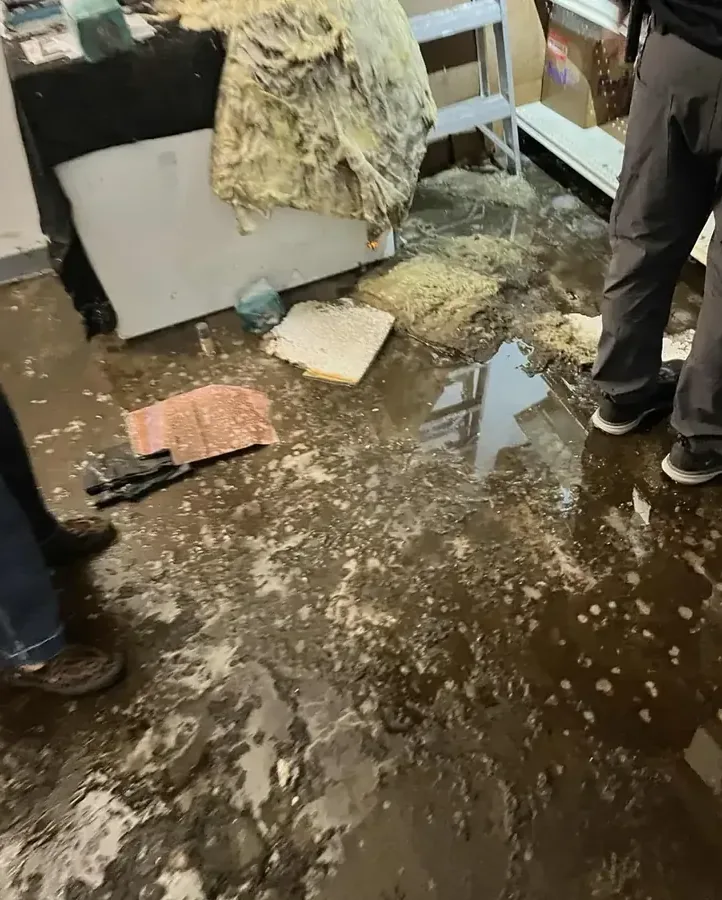
Sewage Backup Cleanup
Containment separates contaminated rooms while crews remove sewage-soaked porous finishes.
Service details ›Basement Water Removal questions
What information is useful before anyone enters?
A description from a safe doorway or stair position can identify visible water, affected utilities and the available entrance. The owner can also explain whether water is still arriving and what source was observed. No one should cross unsafe water to gather details. The assessment establishes the removal approach after considering access and the condition of the lower room.
Does a basement always need immediate unrestricted pumping?
The removal method should reflect the water depth, source and building condition. Electrical hazards, structural concerns and continued entry can affect how work proceeds. A suitable assessment is especially important where the surrounding assembly or safe access is uncertain. The objective is controlled removal matched to the property, followed by treatment of the materials that were exposed.
Why inspect behind storage after pumping?
Boxes, shelving and furniture can conceal water against wall bases and at floor edges. They may also retain moisture that continues affecting nearby materials. Appropriate handling creates access to those surfaces for assessment and treatment. Without that step, a cleared open floor can give an incomplete picture of the basement condition and the work still needed around its perimeter.
Can a finished basement wall dry from the room side?
That depends on the finish, cavity contents and where moisture is retained. An intact wall face can restrict access to a wet layer behind it. Selective opening may be needed for assessment, removal or drying. The scope should explain which materials can stay and how the retained assembly will be checked before replacement finishes cover it.
How does sewage change basement removal?
A sewage source introduces contamination controls and material decisions beyond ordinary liquid collection. Access should be restricted, and affected contents require appropriate handling. Porous finishes may need removal before retained surfaces can be cleaned and dried. The basement location does not change those precautions; the source and contact history of the water govern the cleanup sequence throughout the affected area.
When should belongings return to the lower room?
Belongings should return according to the room condition and any ongoing access needs. Storing items against wet surfaces or blocking monitoring points can interfere with treatment. The completion discussion should identify areas ready for reuse and any remaining repairs. Dry possessions also need separation from items still awaiting cleaning or disposal decisions after the original exposure.
What should the owner receive after the work?
Useful documentation includes the affected areas, contents handling, material removal and moisture findings for retained components. The record should identify source corrections and finish repairs separately from cleanup. That gives the owner a practical basis for rebuilding or reorganizing the basement, with a clear understanding of what was completed and which tasks still belong in the recovery plan.
Recover the basement beyond the open floor
Plan pumping, contents handling and material drying together so the room has a clear path back to use.
(888) 480-6221Discuss basement access and cleanup