Basement Water Removal in Brookline, MA
A flooded basement needs the source identified before pumping and material recovery are planned. Brookline lower level cleanup distinguishes outside entry from an indoor leak, then follows water into finishes and stored contents.
(888) 480-6221Assess the flooded lower room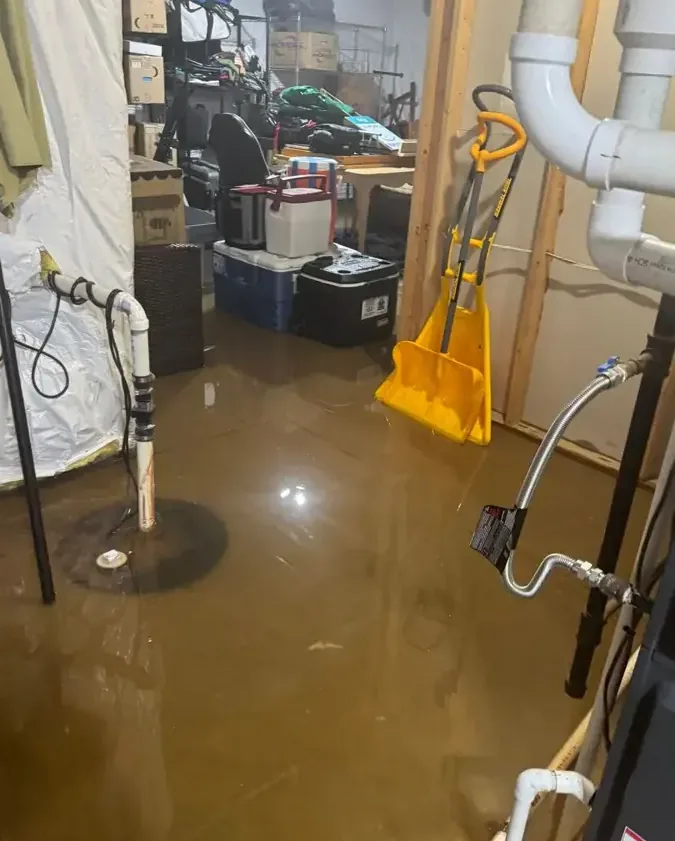
A basement can become the collection point for water that entered somewhere else in the building. At a Brookline property with an affected lower room, the puddle alone does not identify whether the cause is plumbing, surface entry or a river related event. Basement water removal should establish that route, assess safe access and then address the finishes and contents reached as the water spread across the floor.
How basement water removal proceeds
Inspect from safe access
Assess the source, water depth and visible utility hazards before entering the lower room. Establish whether pumping conditions and the route for equipment and contents are suitable for the work.
Remove accessible collection
Use removal methods appropriate to the observed conditions while monitoring continued entry. Record the surfaces exposed as water recedes so new findings can be connected with the initial room assessment.
Address contents and wet finishes
Document affected storage, remove unsuitable materials and prepare retained surfaces. Inspect lower wall cavities and floor edges that were concealed by water, shelving or damaged finish layers.
Dry and prepare the handoff
Track moisture in retained materials and keep source repairs visible in the record. Identify unresolved entry or access needs before replacement finishes and stored items limit inspection of the room again.
Identify the source before treating the collection point
The Muddy River and Leverett Pond overflowed onto roads, stations and buildings in October 1996. Rainfall can also exceed ground and drainage absorption. Those are distinct from a failed indoor supply pipe. In a basement near Riverway, the inspection should document the actual entry opening and water condition rather than assign a cause solely from the building location.
- Note whether water arrives through a doorway, lower window, wall opening or an indoor plumbing fixture.
- Include upstairs wet areas that may feed water into the lower room through connected assemblies.
- Record whether the water is rising or returning after removal so continued inflow remains part of the plan.
Mapped high risk parcels concentrate near Leverett Pond and the Muddy River. A particular basement still needs its own assessment of source, depth and material contact. Outside water can leave sediment, while an indoor leak may follow a different path through the building. The cleanup sequence should account for those observed conditions before selecting equipment or deciding what can be retained.
Follow water beneath storage and finished walls
Stored boxes and shelving can hide damp floor edges. Finished lower walls may contain wet insulation or absorbent backing that is not visible from the room. After accessible water is removed, the assessment should inspect these contact points and document damaged contents before disposal. A utility area and a finished living area may require different material handling within the same basement.
Suitable retained structure needs drying after removal and cleaning decisions. Storm and flood cleanup may be relevant where outside water carried sediment indoors, while an active plumbing source needs appropriate repair. The scope should explain each part so pumping does not become the only recorded task despite moisture remaining in the assembly.
- Check behind stored items before they are returned against an apparently dry wall.
- Inspect the base of partitions and flooring transitions that can conceal wet backing.
- Keep contents records separate from the list of building materials removed for damage or drying access.
Describe the lower room, entry points and utility hazards from a safe position. Those details help establish the pumping assessment and surfaces needing closer inspection.
(888) 480-6221Discuss the basement water conditionsDo not enter deep water to reach utilities
Stay out of a flooded basement when water may contact electrical equipment or hide unstable surfaces. Do not descend into standing water to reach a panel, heater or pump control. Appropriate professionals should assess electrical conditions and the safety of pumping, especially where deep water and outside pressure affect the building. Keep occupants away from damaged stairs and weakened finishes. Avoid carrying wet debris through clean rooms without a handling plan. Photographs and observations should come from a safe, dry position until controlled access has been established.
Record the condition after the floor becomes visible
Once water recedes, the room can reveal damaged trim, sediment and floor layers that were hidden during the initial assessment. Those findings may refine the scope and should be documented. The final handoff should identify retained materials, drying progress and any continuing entry issue. Replacement finishes and stored contents should return only after the relevant surfaces have been evaluated, with access kept available for any section that still requires work.
For general household precautions, see Ready.gov flood safety and the EPA household leak checks.
What does basement water removal cost in Brookline, MA?
Basement removal in Brookline depends on depth, safe access and finished materials affected. These restoration ranges are estimates; source repairs, contents replacement and rebuilding should be identified separately in the written scope.
Limited accessible water
$1,500 to $3,000
- Usable removal route
- Localized floor collection
- Nearby surface checks
Finished lower-level damage
$3,000 to $5,500
- Wet partition access
- Floor covering assessment
- Contents handling needs
Deep or extensive spread
$5,500 to $8,000+
- Complex pumping assessment
- Broader material removal
- Expanded structural drying
These ranges are estimates only. Water category, square footage, material class and the delay before drying affect the scope. The water damage cost calculator compares those variables before a property assessment.
What shapes the basement water removal plan
Source and collection separated
Water in a lower room may arrive from outside or from another part of the building. The assessment should connect the collection point with the actual entry or failed component.
Pumping safety evaluated
Depth, electrical equipment and building condition affect removal decisions. Safe access should be established before equipment use or contents handling begins inside a basement that may conceal additional hazards.
Storage does not hide the scope
Boxes and shelving can cover wet floor edges and lower walls. Contents handling should create inspection access while preserving photographs and keeping affected items separate from rooms that remained dry.
Lower assemblies receive checks
A cleared floor can leave wet backing or insulation inside finished partitions. The handoff should include those concealed layers and the material readings needed before trim, flooring or stored belongings return.
Basement water removal coverage in Brookline
Lower level assessments include homes near Leverett Pond, the Riverway and other town areas where a basement is affected. Describe water depth, entry points and utility access without entering a flooded or unstable room.
The same service nearby: basement water removal in Roslindale, Allston, Hyde Park.
Related water damage services in Brookline
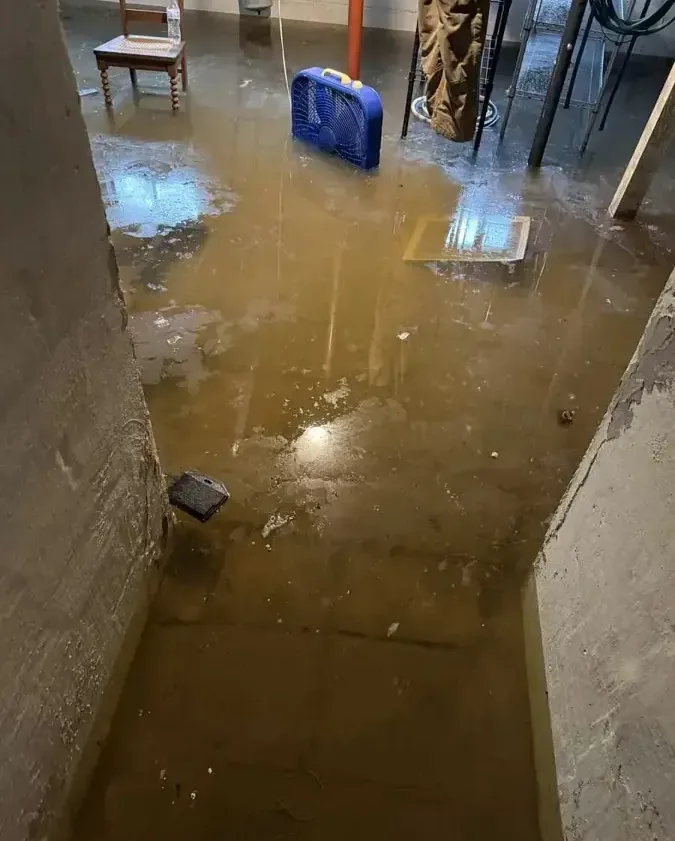
Storm and Flood Cleanup
Runoff brings a different cleaning problem from water released by a household pipe.
Service details ›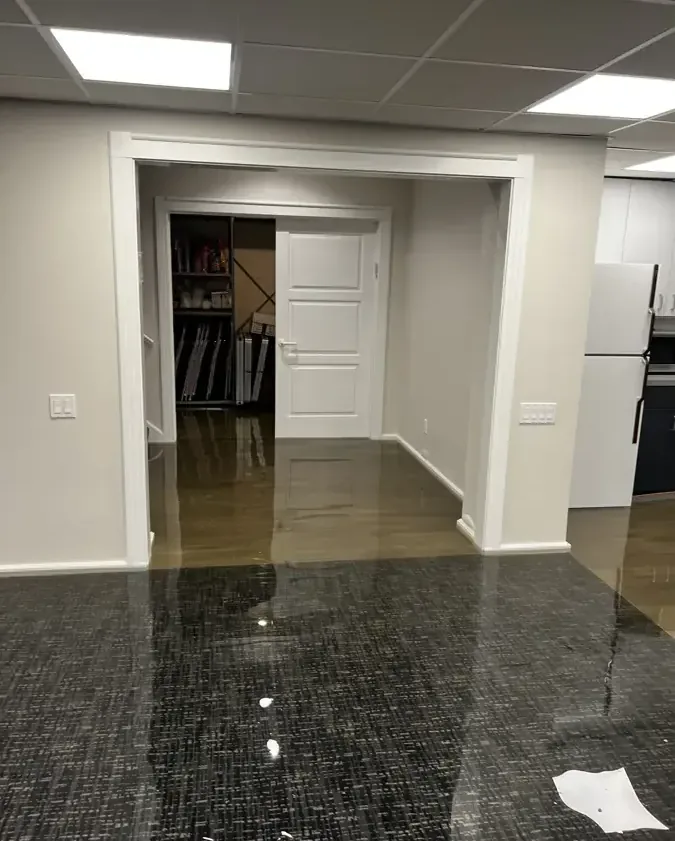
Sump Pump Failure Cleanup
Pump recovery and floor drying address separate parts of a rising-water problem.
Service details ›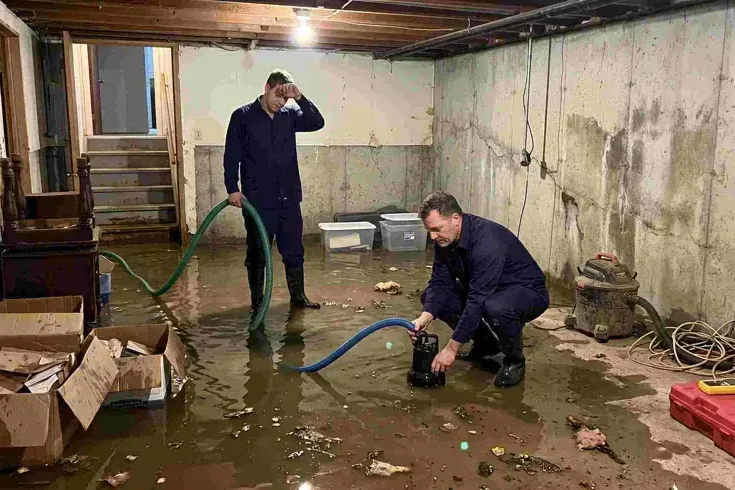
Water Extraction and Removal
Pumps remove pooled water while extraction tools reach carpet, floor joints and low spots.
Service details ›Basement Water Removal questions
Does a wet basement always mean outside flooding?
An indoor pipe or fixture can release water that collects in a lower room. Outside entry is another possibility, and the visible pool alone cannot identify the cause. Inspection should connect entry points, source findings and water condition so removal and cleaning decisions address the actual event rather than an assumed basement problem.
Can a homeowner enter to turn off the power?
Do not enter standing water to reach electrical equipment. A flooded room may conceal energized components or unstable footing. Appropriate professionals should establish safe electrical conditions and access before pumping or contents handling begins. Observations from a dry position are more useful than entering a hazardous area to reach a panel or appliance.
Why inspect the walls after the floor is cleared?
Water can enter beneath trim or soak the backing of lower wall finishes while pooling across the floor. Those materials may stay wet after pumping. The inspection should assess wall bases and cavities where contact occurred, with removal or drying decisions based on the installed assembly and condition of the water.
Should stored boxes be moved into an upstairs room?
Wet contents need assessment and a controlled handling route so water or residue is not transferred into clean spaces. Photograph affected items before disposal when safe to do so. Dry belongings may be moved separately along a suitable route, while contaminated or damaged storage should remain part of the documented cleanup plan.
Does deep water require a different pumping plan?
Water depth, surrounding conditions and building stability can change the safety of removal. A professional assessment should address those factors before pumping begins. Electrical equipment and hidden floor hazards also matter. Occupants should not assume that a household pump and a clear stairway make a deeply flooded lower room safe to enter.
Can a finished basement dry with all wall coverings intact?
That depends on water condition, material damage and access to concealed layers. Some finishes may need removal to inspect wet insulation or backing. The proposed method should explain how retained materials will be evaluated rather than relying on the visible wall face, which can appear dry while moisture remains inside the partition.
What should be checked before storage returns?
The floor edges, lower walls and any surfaces behind shelving should be evaluated after drying and cleaning work. Keep the source repair status and remaining material needs in the handoff. Returning storage too soon can hide damp areas and block further readings, so the affected perimeter should remain accessible until the relevant checks are complete.
Recover the lower room fully
Water removal should leave a clear plan for wet contents, wall bases and floor layers, with the source and remaining material condition documented.
(888) 480-6221Plan the lower level cleanup