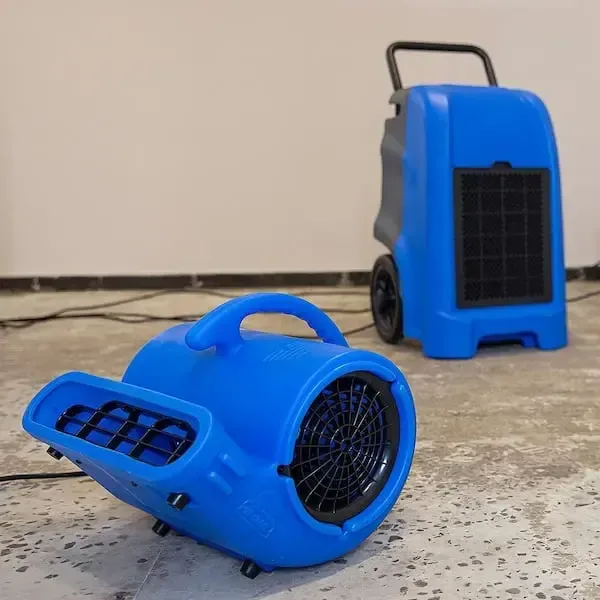
Water Damage Restoration Norwood, MA
A wet floor can hide a much larger problem underneath. Restoration begins by tracing the water, protecting usable rooms and choosing a drying plan for the materials actually affected.
(888) 480-6221Discuss the wet roomsA clear description of the source and affected rooms helps shape the first conversation about cleanup.
Useful answers throughout the cleanup
A room can look orderly while its materials remain wet. Drying work tracks moisture in the building and controls indoor conditions so repairs can follow a documented endpoint rather than a visual guess.
Map the spread
Assessment follows the water across surfaces and into adjoining assemblies. The map includes affected rooms, useful access points and materials that need a closer examination.
Remove the load
Extraction takes away accessible water before evaporation becomes the main task. Unsalvageable finishes are identified so wet debris does not remain hidden behind new work.
Adjust the environment
Air movement and dehumidification are positioned for the spaces being dried. Equipment choices respond to access, material thickness and the amount of moisture still present.
Check the endpoint
Repeat readings show whether the setup is working. Remaining wet locations receive attention before equipment is removed and the property moves toward finish repairs.
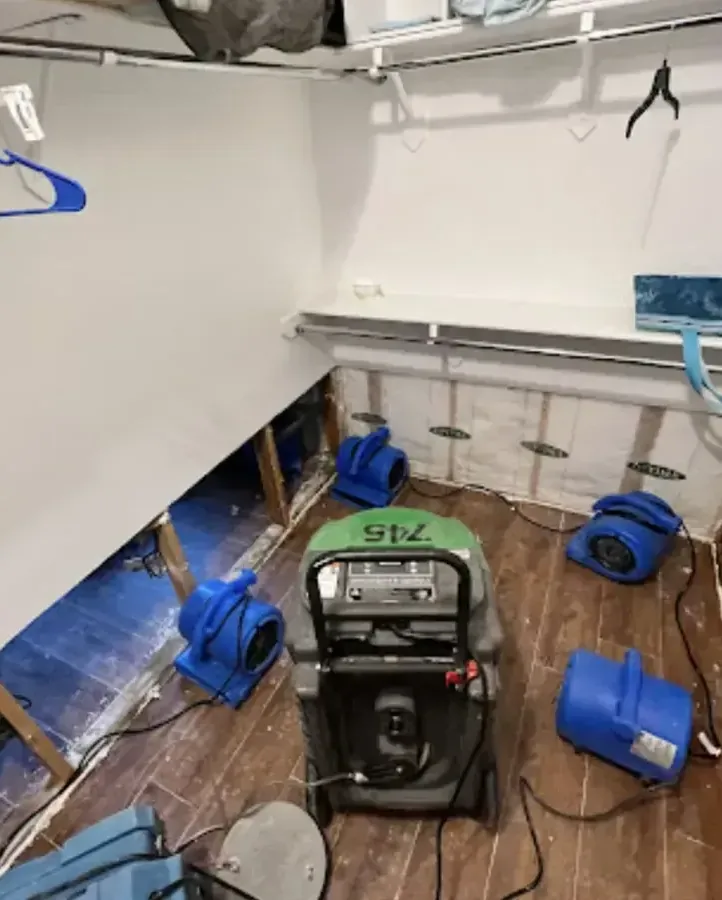
Water Damage Restoration Services in Norwood, MA
The right starting point depends on how water entered and where it traveled. Select a service below for practical details about that particular cleanup problem.
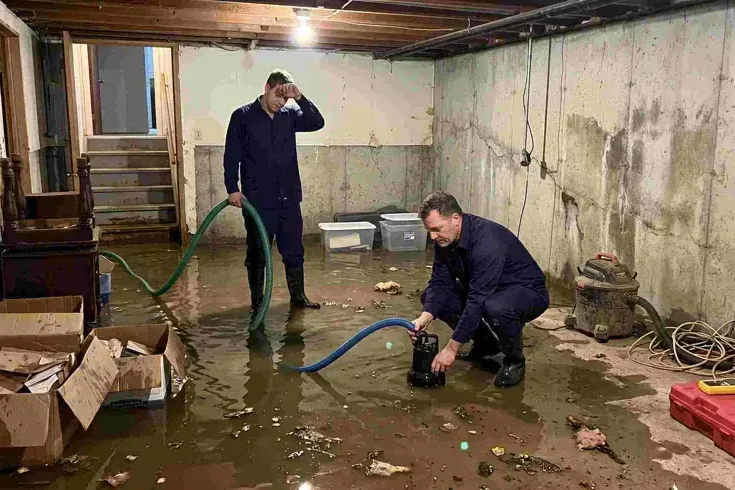
Water Extraction and Removal
Pooled water needs a removal method that reaches shallow edges as well as the deepest collection point.
View service details ›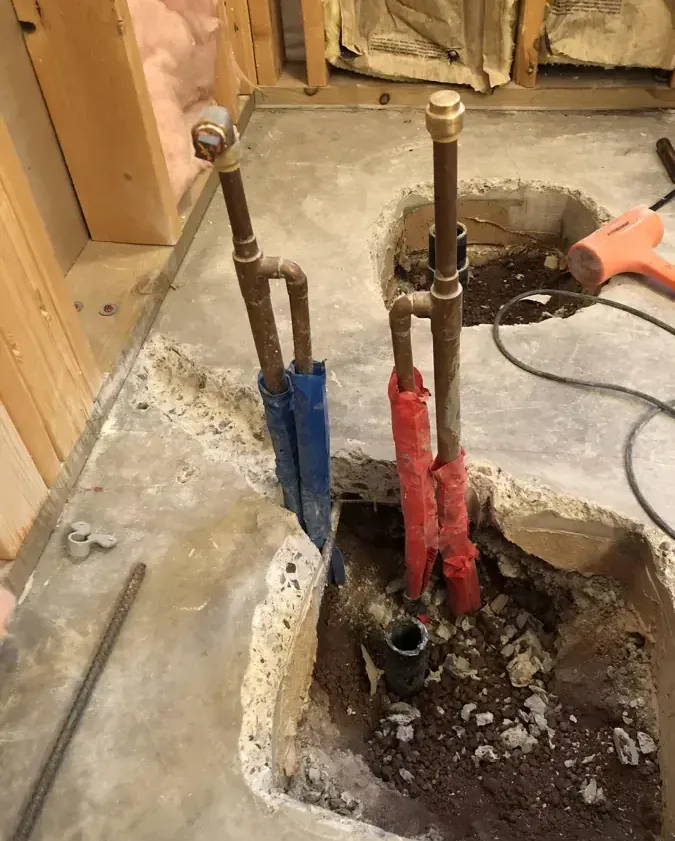
Slab Leak Water Damage
A damp floor may require pipe repair coordination and a closer look beneath the finished surface.
View service details ›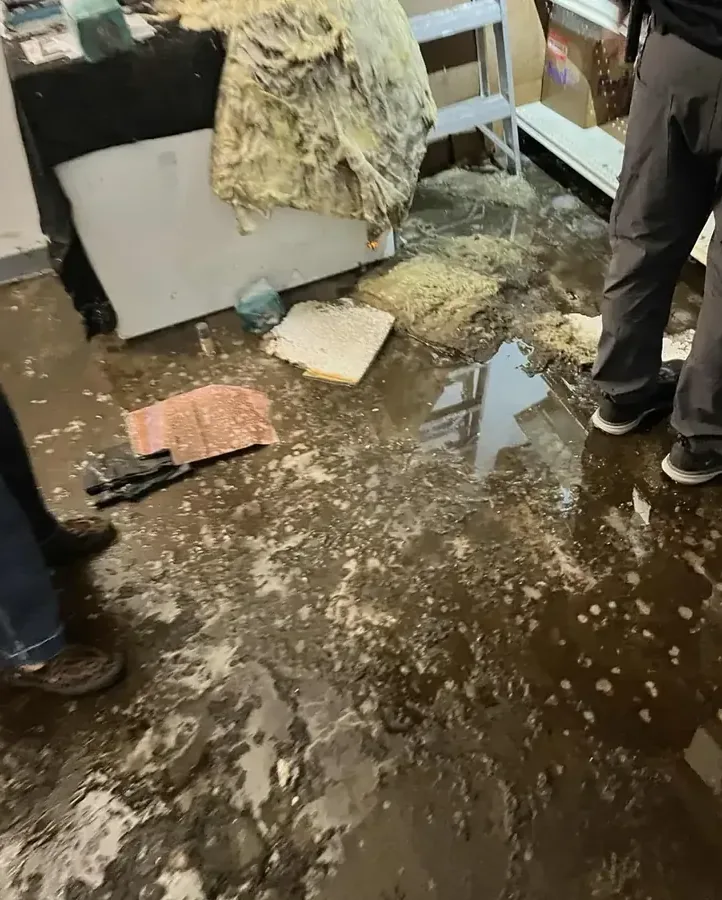
Sewage Backup Cleanup
Contaminated rooms need controlled access, careful disposal decisions and cleaning before drying equipment moves into place.
View service details ›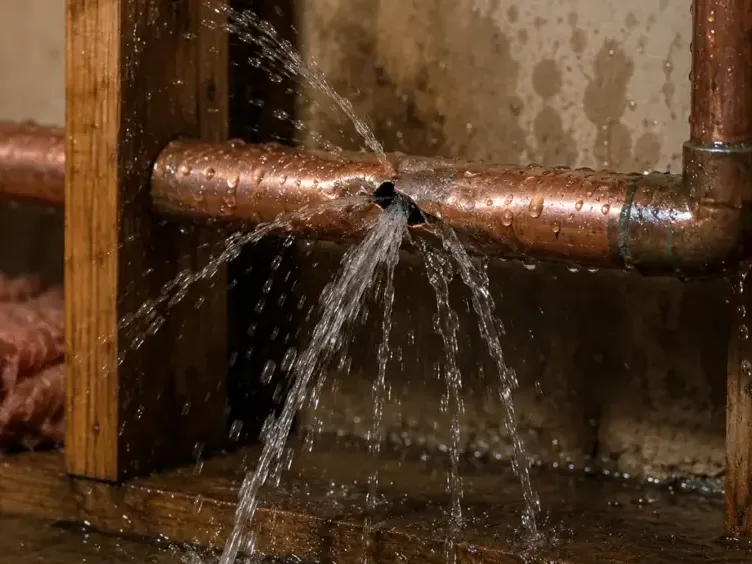
Burst Pipe Water Damage
A broken supply pipe can wet several adjoining rooms before the visible spray has been stopped.
View service details ›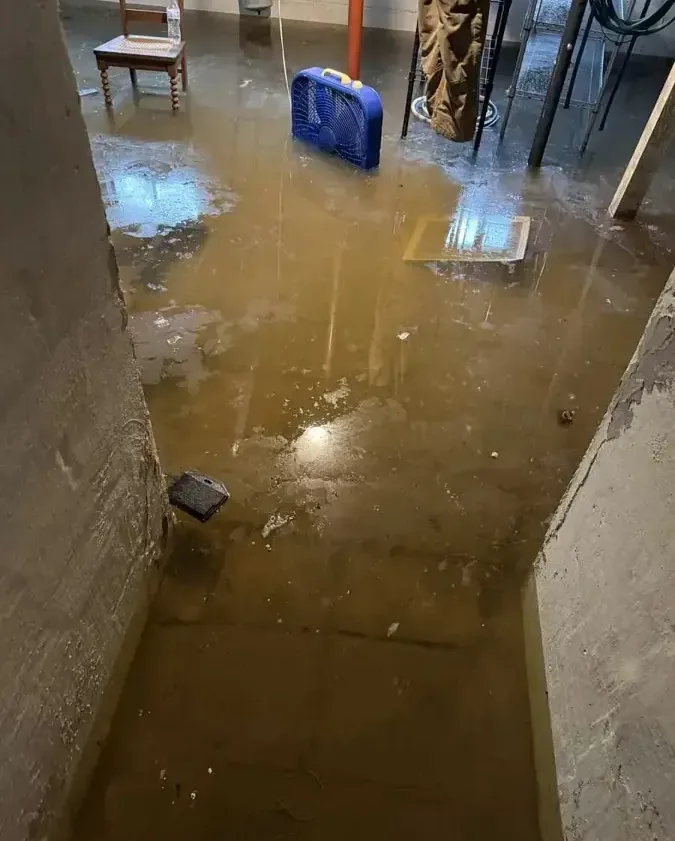
Storm and Flood Cleanup
Outside water brings debris indoors and calls for a cleanup sequence matched to the affected materials.
View service details ›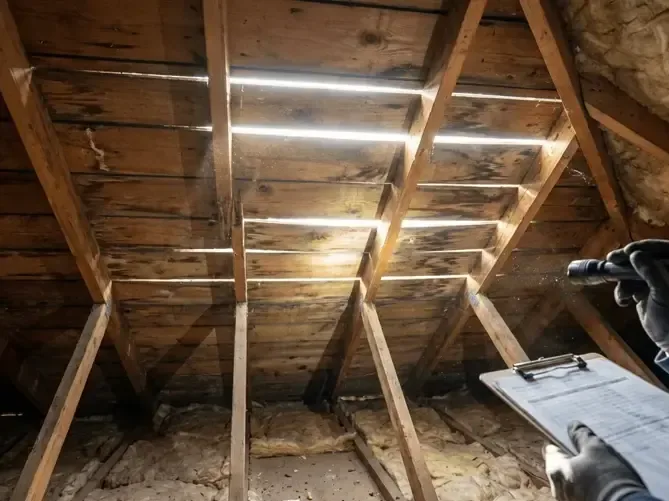
Roof Leak Water Damage
Attic moisture and wet insulation can keep feeding a ceiling stain after rain has passed.
View service details ›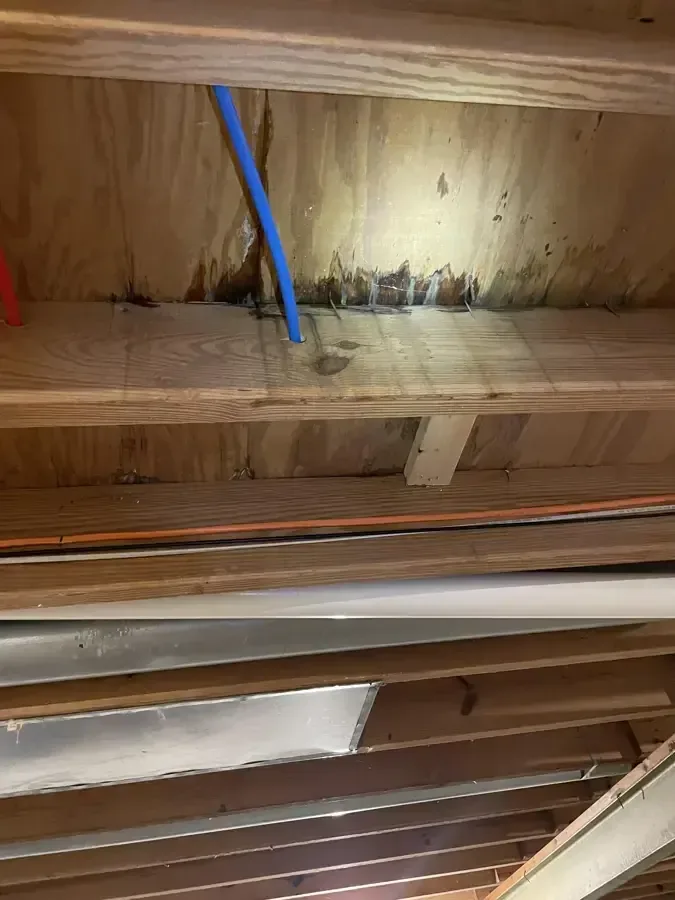
Ceiling Leak Water Damage
Sagging finishes require a protected work area while the overhead water path is traced and assessed.
View service details ›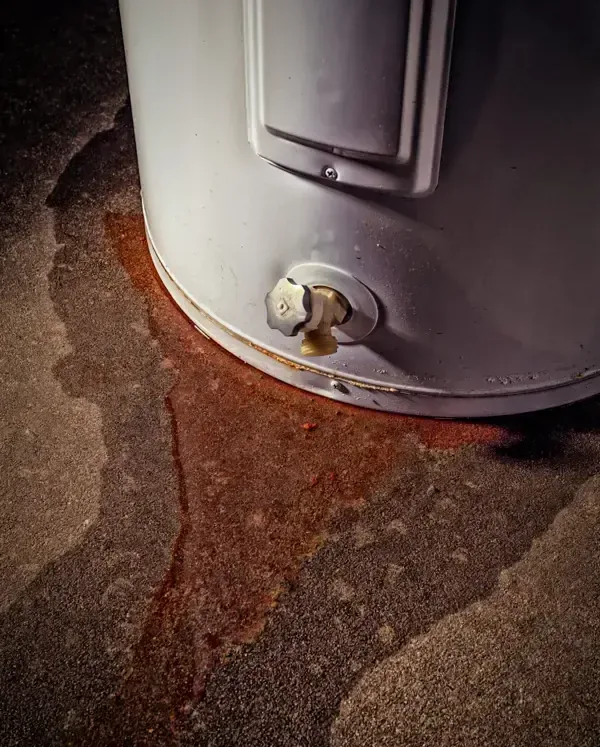
Water Heater Leak Cleanup
Water around a tank can travel under partitions and into storage beyond the utility area.
View service details ›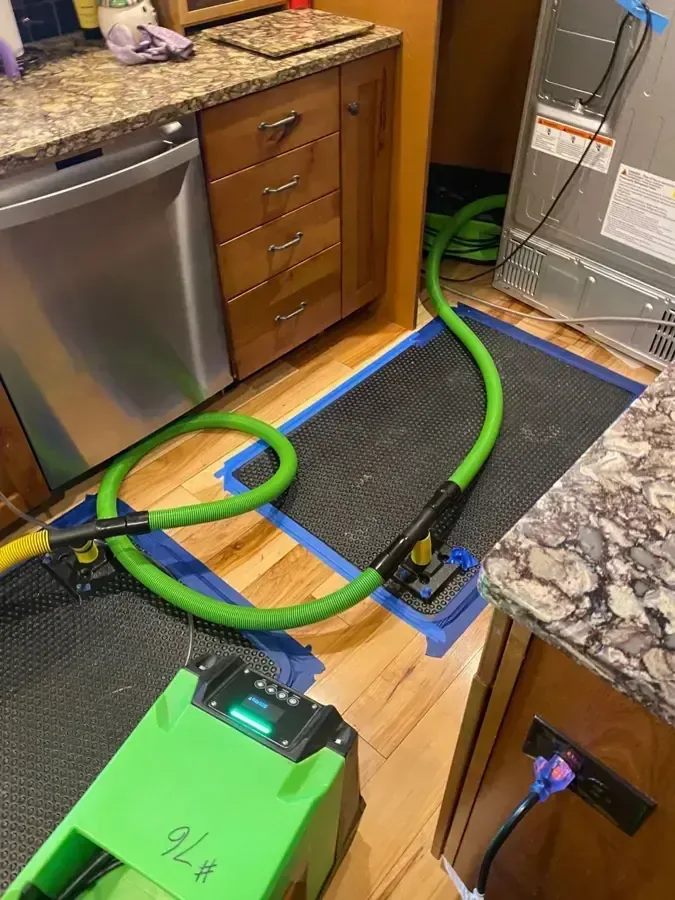
Appliance Leak Water Damage
Cabinet bases and flooring seams deserve attention when a dishwasher or washing machine releases water.
View service details ›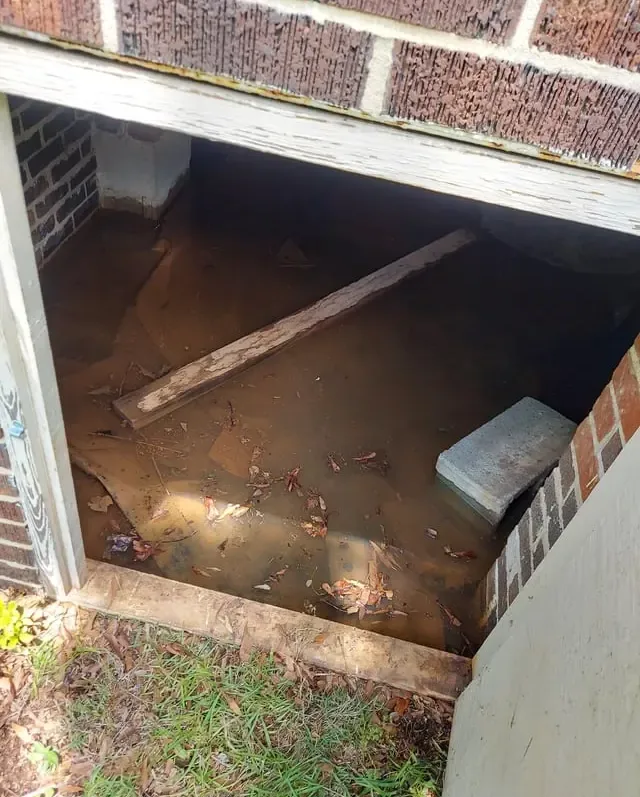
Crawl Space Water Removal
Restricted access changes how standing water, wet insulation and exposed floor framing can be reached safely.
View service details ›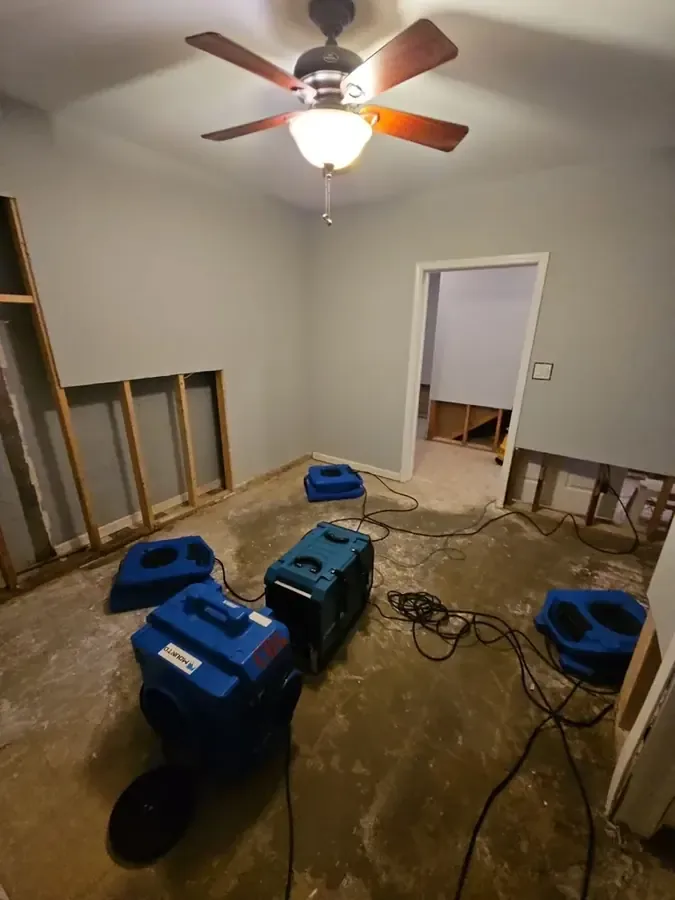
Structural Drying
Material readings help determine whether wall cavities and layered floors are ready for the next repair.
View service details ›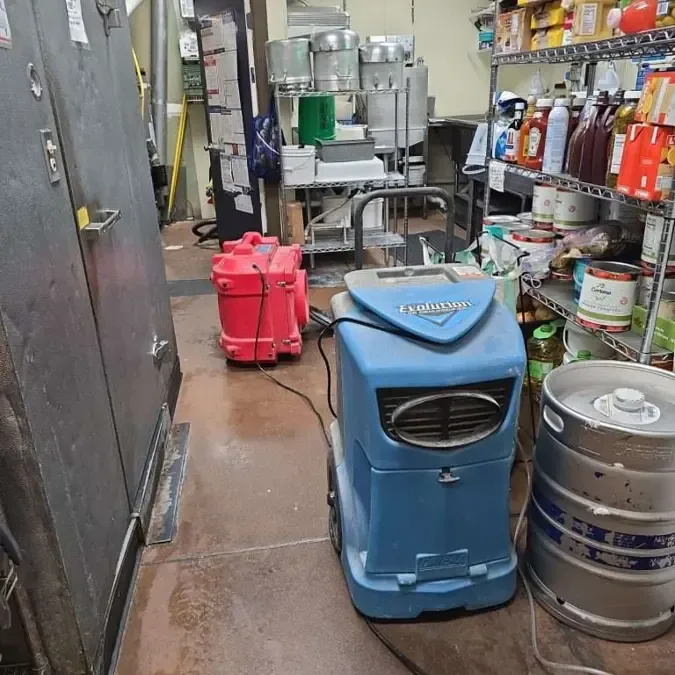
Commercial Water Damage
A business cleanup plan must account for damaged stock, work areas and safe movement through the building.
View service details ›
Frozen Pipe Water Damage
A thawing split can release water into concealed spaces that were dry while the pipe remained frozen.
View service details ›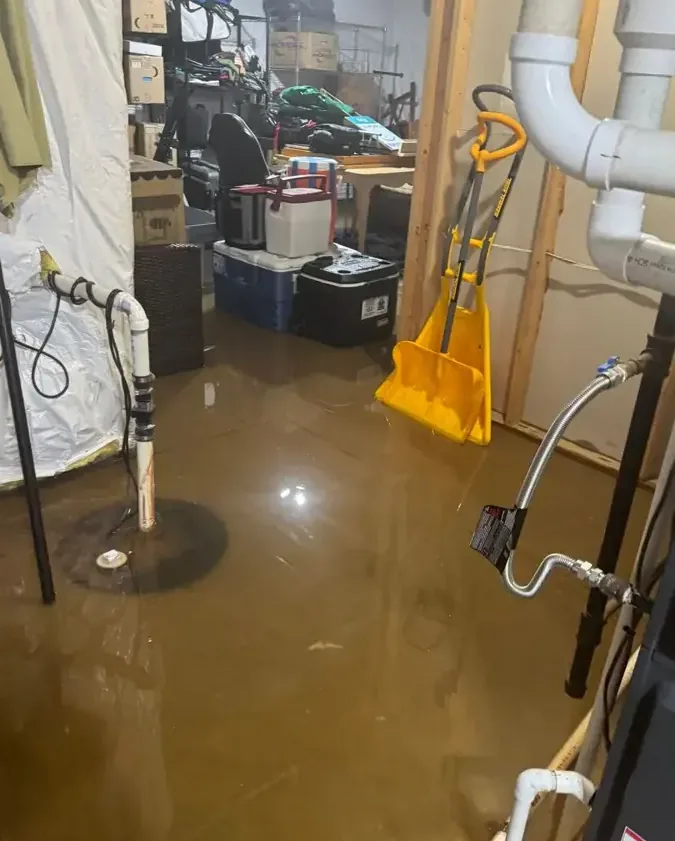
Basement Water Removal
Lower rooms need pumping, contents separation and checks behind finishes before a basement can be closed again.
View service details ›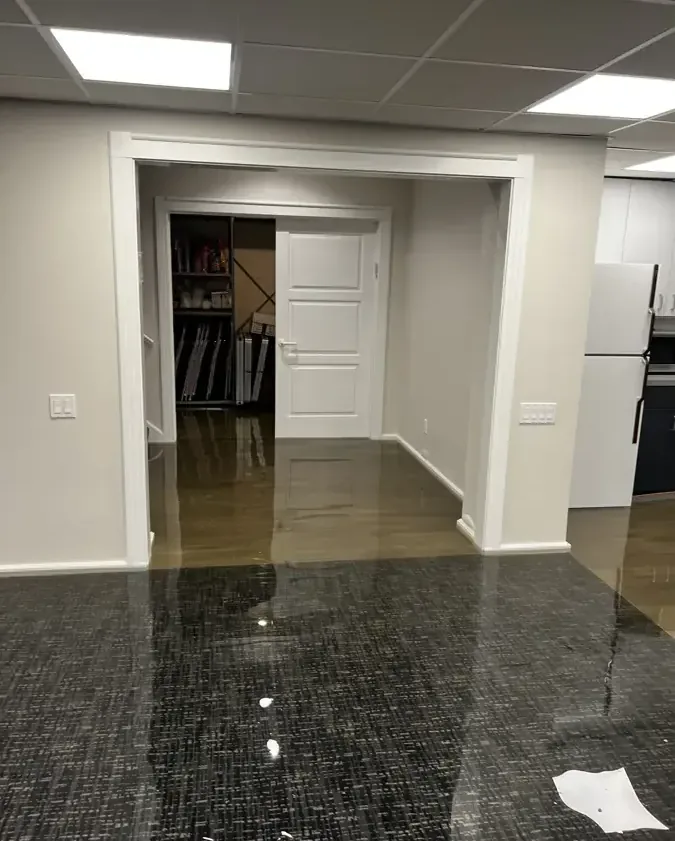
Sump Pump Failure Cleanup
An overflowing basin leaves both a drainage fault and wet building materials that need separate attention.
View service details ›Describe the entrance and affected level
A property near Morrill Memorial Library may need different loading arrangements from a business on the Automile. The conversation should include the actual entrance and any restricted access.
Stairs, locked rooms and occupied workspaces affect equipment movement. A clear access description helps organize the visit around the building as it stands.
Useful answers throughout the cleanup
Property owners need to know what is wet, what can stay and what happens next. The cleanup scope should make those decisions understandable before repairs begin.
Rapid local response
The initial discussion identifies active water, access restrictions and affected spaces. Those details help establish the work priorities instead of treating every property as the same kind of loss.
IICRC S500 drying standard
Drying involves source conditions, material assessment and repeat measurements. A written plan connects the equipment setup to the assemblies that need attention, including hidden layers where access is possible.
Claim-ready documentation
Photos and moisture notes preserve the condition encountered at the property. A clear separation between cleanup work and later reconstruction helps an owner discuss the scope with an adjuster.
Local water experts
Specific directions such as Washington Street or University Avenue help describe access. Inside the property, the source and the actual wet surfaces determine the work that follows.
The gear a real dry-out runs on
- Inspect materials
- Control humidity
- Record progress
What a water damage dry-out looks like in Norwood
What does water damage restoration cost in Norwood, MA?
Restoration cost depends on the water source, the rooms affected and access to wet layers. These planning ranges describe different scopes; an inspection establishes the actual removal, cleaning and drying work needed at the property.
Contained accessible room
$1,000 to $3,000
- Limited surface exposure
- Reachable wet materials
- Straightforward equipment placement
Several connected rooms
$3,000 to $6,000
- Multiple floor layers
- Wall cavity access
- More drying equipment
Extensive interior damage
$6,000 to $10,000+
- Broader material removal
- Complex contamination controls
- Longer monitoring requirements
Repairing the failed pipe, appliance or roof may be a separate task. The estimate should identify those boundaries alongside disposal, drying and any necessary opening of finishes.
Help for properties across the town
Useful location references
Town ZIP code
Other service areas
Explore the full service rangeAll water damage categories covered in Norwood, MA
Fresh supply water
A supply leak starts with different conditions from outside flooding. Time, contact with materials and the extent of travel still affect removal and drying decisions.
Explore standing water removalUsed appliance water
Water from an appliance may contain residue from the cycle. The cleanup scope accounts for that exposure and any flooring or cabinetry the discharge reached.
Assess an appliance spillSewage and contaminated water
A drain backup needs separation from occupied rooms. Contaminated porous finishes may require removal before the remaining surfaces can be cleaned and prepared for drying.
Explore sewage cleanup stepsWater damage dried to the IICRC S500 standard
- Inspect materials
- Control humidity
- Record progress
Documentation for your insurance claim
Organized records make it easier to explain the loss and the work performed. Coverage decisions remain with the carrier under the terms of the property policy.
- Photographs of affected rooms before material removal begins
- A description of when the problem first appeared
- An inventory separating wet possessions from unaffected items
- Moisture records tied to the locations being checked
- Cleanup invoices and notes about separate repair work
When paying for cleanup directly
A property owner can request an itemized scope even without a claim. The estimate should distinguish necessary removal, cleaning and drying from finish work that can be scheduled afterward.
Questions about equipment, disposal and access belong in that discussion. Clear authorization helps keep the immediate cleanup focused while the owner considers the remaining repair choices.
Five decisions that help protect the property
Stay on dry ground
Keep occupants outside any room with uncertain electrical conditions or a sagging ceiling. Access can wait until the immediate hazards have been assessed.
Stop a reachable source
A known shutoff may limit an active plumbing release if it is safely accessible. A flooded room is no place to search for controls.
Preserve a clear record
Photograph the first visible damage from a safe position. Include affected surfaces and possessions before cleanup changes their appearance or location.
Separate the unaffected items
Move dry belongings only through a safe route. Keep them away from wet carpets, contaminated footwear and the path needed for equipment.
Explain the water path
Describe the earliest sign of trouble and every room now affected. Include changes between floors and any water that continues entering the building.
Local context for a wet building
Norwood is on the Neponset River, and the town experienced a major rain event in June 2020. Interior assessment still begins with the entry point at the individual property.
Water entering at different levels
The hospital report described entry from above and below. A building with several wet floors needs separate checks at each entry point, followed by a connected plan for removal.
Hidden travel beneath finishes
Water can pass under a wall before a neighboring room looks wet. Checking adjacent surfaces helps locate that spread and avoids ending the inspection at the first visible puddle.
Occupied and stored areas
Wet belongings can obstruct both inspection and drying. Separating contents by condition creates access to the building materials and gives the owner a clearer inventory for subsequent decisions.
Commercial access on Route 1
The Automile contains automobile dealerships. Commercial spaces require planning around work areas, stored goods and available entrances when a water release interferes with normal use of the building.
A source that remains active
Repeated water entry can undo drying progress. Repair coordination and a record of changing conditions help distinguish a fresh release from moisture that is already inside an assembly.
June 28, 2020: Heavy rain flooded the basement of Norwood Hospital and forced its closure. A hospital spokesman reported water entering through the roof and rising from the floor during the storm.
Questions before restoration starts
What information helps with the first call?
The most useful details are whether water is still entering, which rooms are affected and whether electricity or a sagging ceiling creates a hazard. Photos can help later, but occupants should remain on safe ground while describing what happened and where the water is visible.
Does a dry surface mean cleanup is finished?
A surface can feel dry while the layer underneath still holds moisture. Assessment may include flooring edges, wall bases and adjoining rooms. The decision to end drying should follow material readings and the cleanup scope, particularly where water traveled beneath an intact finish.
Can furniture remain in an affected room?
Some items can be protected or repositioned, while wet porous contents may need separate handling. The choice depends on the water exposure and room access. Large items should not obstruct the route for extraction equipment or conceal areas that need to be measured during drying.
What changes when sewage is involved?
A sewage backup calls for restricted access and contamination controls before routine room use resumes. Cleanup includes decisions about porous materials that absorbed the discharge. Ordinary fans should not be used to blow air across the affected area while contaminated debris and surfaces remain untreated.
Is the source repair part of drying?
The source needs attention, but repairing a pipe or roof is a different task from drying the wet interior. The written scope should explain the work being provided and where a repair specialist is needed. Coordination helps prevent new water from entering materials already being dried.
How are charges explained before work begins?
An estimate should connect the charge to removal, cleaning, access and drying tasks. It should also identify separate finish repairs or source repairs. The size of the visible puddle alone gives little information about water beneath flooring, inside walls or in rooms on a lower level.
Should damaged items be discarded immediately?
Safety comes first, especially with contaminated contents. When conditions allow, photos and a written inventory should precede disposal so the owner retains a useful record. Items awaiting decisions belong outside unaffected storage areas and away from the equipment path through the building.
Can a business stay open during cleanup?
That depends on whether the affected area can be isolated and safe access maintained. Equipment placement, noise, wet inventory and electrical conditions all matter. A business owner should discuss which activities can continue and which rooms must remain closed during the active cleanup work.
What records are useful when drying ends?
Final moisture notes, a summary of removed materials and invoices help explain what was completed. The owner should also understand any remaining repairs and restrictions on the space. Those records support a clearer handoff when flooring, wall finishes or other interior components are replaced.
Give the water problem a clear scope
Start with the source and affected spaces so removal, drying and the next repair can be discussed in order.
(888) 480-6221Describe the cleanup needed