Burst Pipe Water Damage Norwood, MA
Stopping the spray is the first turning point, but water may already be moving inside the building. Restoration follows that release through adjoining rooms, floor layers and the spaces beneath the break.
(888) 480-6221Report the pipe water spread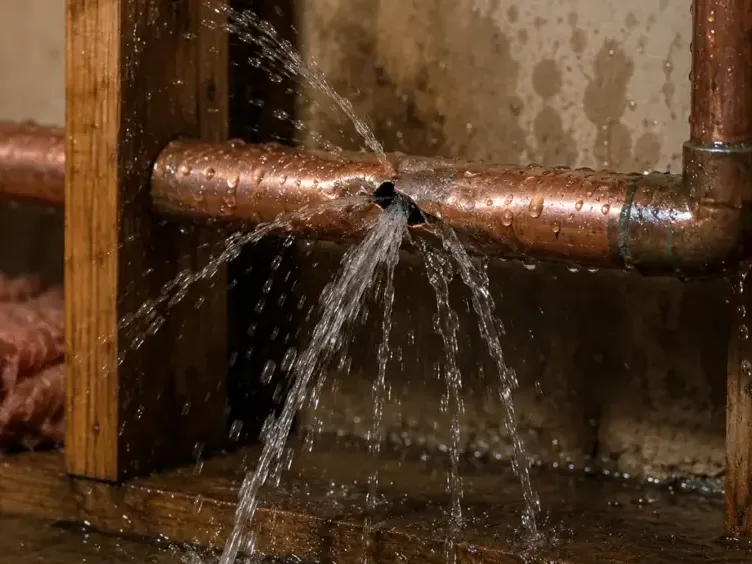
A supply pipe break can turn one noisy leak into several quiet pockets of damage. Water may run inside a partition, emerge at a doorway and collect in the room underneath. Burst pipe water damage in Norwood calls for a room by room investigation after safe source control. The area closest to the pipe is the starting point, while the water route determines how far extraction, access and drying need to extend through the interior.
How burst pipe water damage proceeds
Establish the release history
The location of the pipe break, discovery conditions and shutoff status are recorded. The assessment then checks nearby and lower rooms to establish where the released water traveled through the building.
Extract and protect access
Standing water is removed with equipment suited to the accessible surfaces. Contents handling and traffic routes are organized together so the cleanup does not hide wet areas or obstruct necessary movement.
Open affected layers deliberately
Materials needing removal are distinguished from those suitable for drying. Any opening follows the wet assembly and provides access for treatment, with the exposed condition documented before further work changes it.
Measure the retained structure
Air movement and dehumidification address remaining moisture, with repeat checks at useful locations. The equipment plan changes when needed, and completion notes describe the state of the materials left for repair.
Use the break to reconstruct the water route
A property in South Norwood may show a wet wall beside the repaired pipe while an adjoining room holds the larger collection. The assessment works outward and downward from the release, checking floor edges, penetrations and absorbent finishes. Information about the discovery helps: whether the water was spraying openly, flowing inside a wall or first noticed on a lower ceiling can change the inspection priorities.
- Look at spaces below the break where gravity may have carried water beyond the room that first drew attention.
- Assess the opposite face of a wet partition and adjoining floor edges when the assembly connects otherwise separate rooms.
- Identify furnishings that trapped water against finishes so they can be handled without hiding the material condition during drying.
Moisture inspection establishes the cleanup boundary after the pipe has been repaired. A small plumbing opening can sit within a much larger wet wall. Conversely, a dramatic visible release may be contained by the layout. The restoration scope uses observed conditions to choose access and removal, then records areas that require further attention once the immediate standing water is gone.
Protect materials by making timely distinctions
At a building near the Day House, the condition of a wet finish would determine whether it can remain during drying. Sound accessible framing, saturated insulation and softened wallboard present different decisions. The goal is to retain material that can be treated effectively while opening the layers that prevent progress. The plan should explain those choices so the owner understands what cleanup will leave for reconstruction.
Flooring deserves the same attention as the wall around the pipe. A surface puddle may drain while underlay remains wet. The water extraction service addresses accessible liquid, followed by a drying setup for the remaining assembly. Moisture readings taken at comparable positions help reveal whether the setup is reaching the affected layer or needs a different access route.
- Separate wet contents from dry items without carrying dripping materials through unaffected storage.
- Record removed finishes and the condition of the surfaces they concealed before reconstruction changes the view.
- Maintain access to monitoring locations so equipment adjustments follow measurable progress.
Describe the broken pipe location and any wet rooms below or beside it. A complete account of the spread helps establish the interior restoration scope.
(888) 480-6221Review the pipe releaseDo not follow the spray into an unsafe room
A known shutoff can limit a pipe release only when it is reachable from safe ground. Occupants should not enter standing water to reach electrical equipment or search for a hidden valve. Ceiling bulges and saturated overhead finishes also need a cleared area below them. The failed pipe requires appropriate repair before normal water use resumes. A wet light fitting or appliance should remain untouched until assessed. Loose materials, slippery floors and moving hoses add hazards during cleanup, so ordinary movement through the affected rooms should remain restricted while the work is organized.
Connect the pipe repair with the room recovery
For a Washington Street property, the handoff should identify the repaired source separately from the interior materials still drying. A useful record lists affected spaces, removal work and remaining finish repairs. This lets the owner see why restoration can continue after plumbing service ends. Structural drying provides the next stage when the liquid has been extracted but the building still holds moisture.
For general household precautions, see Ready.gov flood safety and the EPA household leak checks.
What does burst pipe water damage cost in Norwood, MA?
Burst pipe cleanup estimates in Norwood depend on the rooms reached and the wet layers concealed within them. Source repair, removal access and drying requirements should be clearly separated in the written scope.
One contained room
$1,000 to $2,500
- Localized water collection
- Accessible surface drying
- Limited content movement
Walls and adjoining rooms
$2,500 to $4,500
- Connected wet assemblies
- Selective finish removal
- Expanded moisture monitoring
Multiple levels affected
$4,500 to $6,500+
- Overhead and floor exposure
- Several equipment locations
- More complex access planning
These ranges are estimates only. Water category, square footage, material class and the delay before drying affect the scope. The water damage cost calculator compares those variables before a property assessment.
What shapes the burst pipe water damage plan
A source aware assessment
The initial description establishes where the pipe failed and whether the release has stopped. That information directs the room inspection and identifies any continuing source work needed alongside interior cleanup.
Attention across room boundaries
Water can cross a partition or descend through a floor opening before becoming visible again. Connected assemblies receive inspection so the scope follows the release beyond the most obvious damaged surface.
Selective access decisions
Wet finishes are assessed for condition and drying access. Removal is tied to the affected layers, with an explanation of what can remain and what must open for the work to progress.
An understandable repair handoff
The drying record identifies retained materials and any remaining interior repairs. This gives the owner a practical account of the room condition after the plumbing fault has been corrected and extraction completed.
Burst pipe water damage coverage in Norwood
Burst pipe assessments include South Norwood and properties near the Day House or Washington Street in 02062. Describe the break location, shutoff status and every affected floor when discussing the interior cleanup.
The same service nearby: burst pipe water damage in Roslindale, Hyde Park, Brookline.
Related water damage services in Norwood
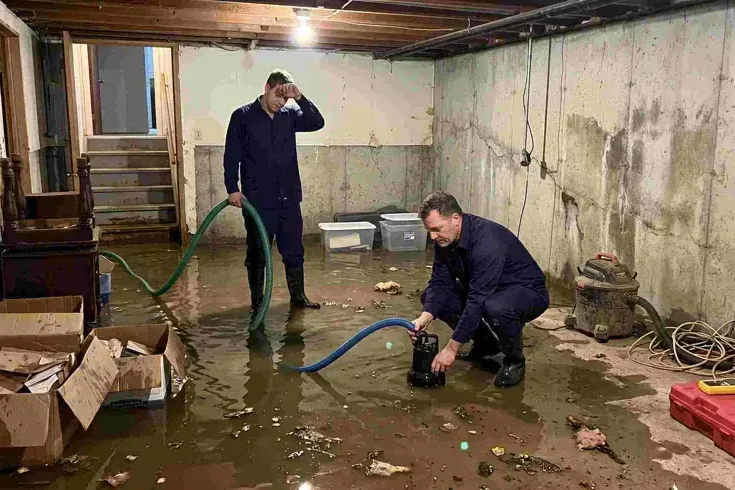
Water Extraction and Removal
Pumps remove pooled water while extraction tools reach carpet, floor joints and low spots.
Service details ›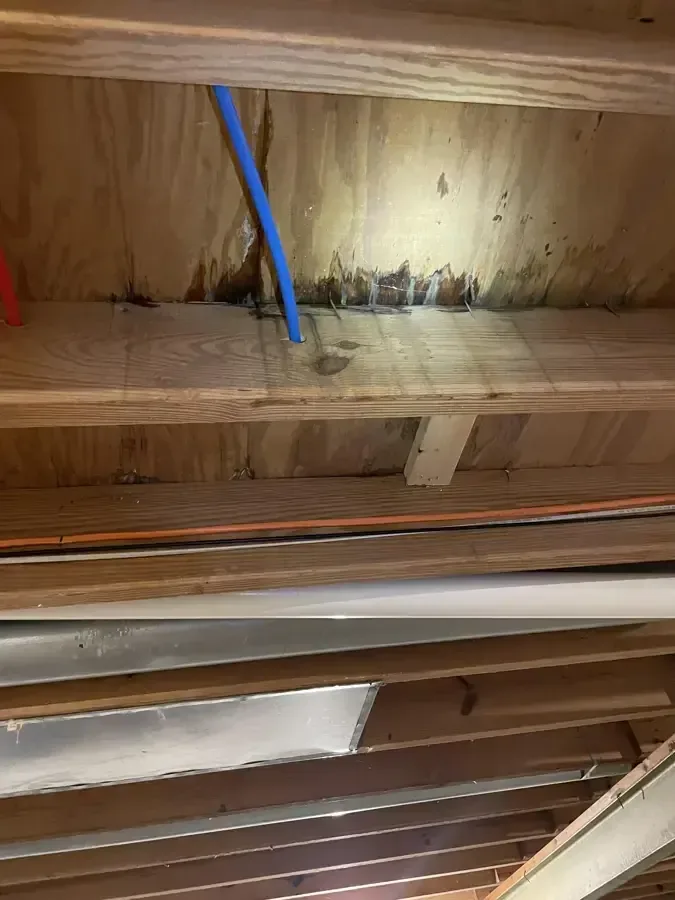
Ceiling Leak Water Damage
Overhead saturation calls for safe access and checks above the damaged finish.
Service details ›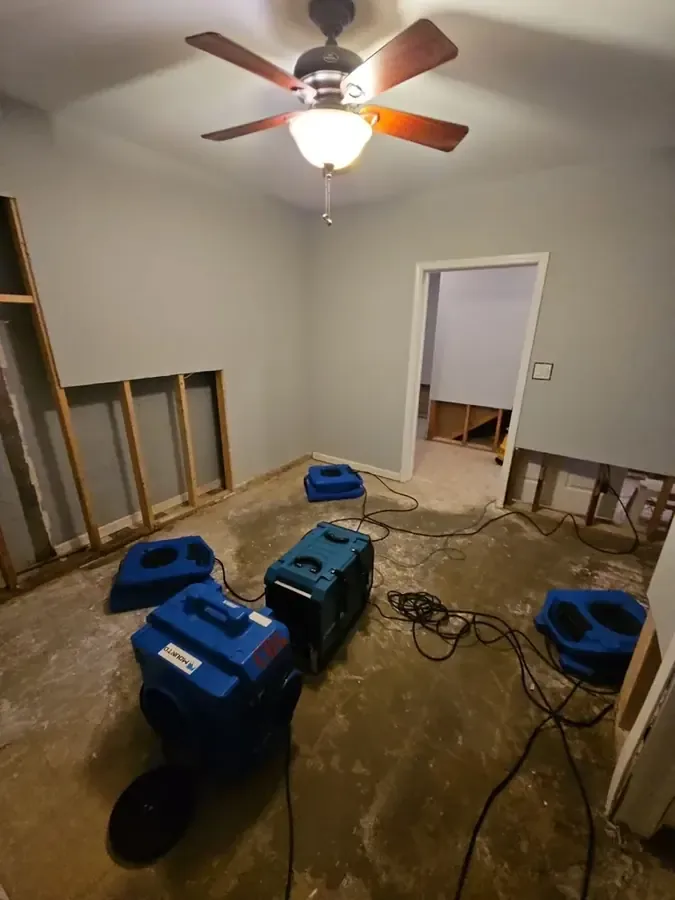
Structural Drying
Material readings determine equipment placement and the end of the drying phase.
Service details ›Burst Pipe Water Damage questions
What matters immediately after a pipe breaks?
Safe source control and keeping occupants away from electrical or overhead hazards are the first priorities. A shutoff should be used only if it is known and safely reachable. Once the release is limited, the cleanup assessment can trace the water path. The most visible spray location may be only one part of the eventual restoration area.
Why inspect a room where no puddle appeared?
Water can move inside a wall or under a finish without leaving a large surface collection. An adjoining room may share that assembly with the damaged space. Inspection helps identify hidden wetting before repairs cover it. The purpose is to follow the physical water route and check connected materials, rather than assume every neighboring room was affected.
Does a repaired pipe mean the walls can close?
The pipe repair stops the source, but affected wall materials still need evaluation. Insulation or wallboard may require removal, and retained framing may need controlled drying. Closing the cavity before its condition is understood can trap moisture. The plumbing completion and the interior restoration handoff should therefore be documented as separate decisions in the work sequence.
Can wet furniture stay beside the repaired wall?
Furniture that absorbed water may need repositioning or separate treatment. Leaving it against the wall can obstruct inspection and restrict air movement at a wet surface. Handling should account for the item’s condition and the water source. A contents plan also preserves photographs and inventory details before decisions about cleaning, storage or disposal change the room.
Will the entire floor need replacement?
The scope depends on the finish, the affected layers and how widely water traveled. Some surfaces may be suitable for targeted treatment; others need lifting to expose a wet substrate. An assessment should describe the reason for each decision. The fact that water crossed a room is not enough by itself to choose every material outcome.
How are concealed wet areas tracked?
Moisture checks at accessible locations help map the affected assembly and measure changes during drying. Selective access may be needed where the important layer cannot otherwise be assessed. Notes should identify the location and material being checked so later readings can be compared meaningfully. Those records support adjustments when a particular area is not drying as intended.
What should the final paperwork explain?
The owner should be able to identify where the pipe release spread, what materials were removed and what retained components were dried. The paperwork should distinguish restoration from the plumbing repair and any later finish replacement. A clear record supports the next contractor’s work and helps explain why several rooms may have needed attention after one pipe failure.
Follow the water beyond the break
Request cleanup planning that connects source repair with extraction, material access and drying throughout the affected parts of the property.
(888) 480-6221Discuss the affected rooms