Water Extraction and Removal Norwood, MA
The deepest puddle is only part of an extraction job. Shallow water trapped at thresholds and underneath movable contents also needs attention before the room can move into controlled drying.
(888) 480-6221Arrange pooled water removal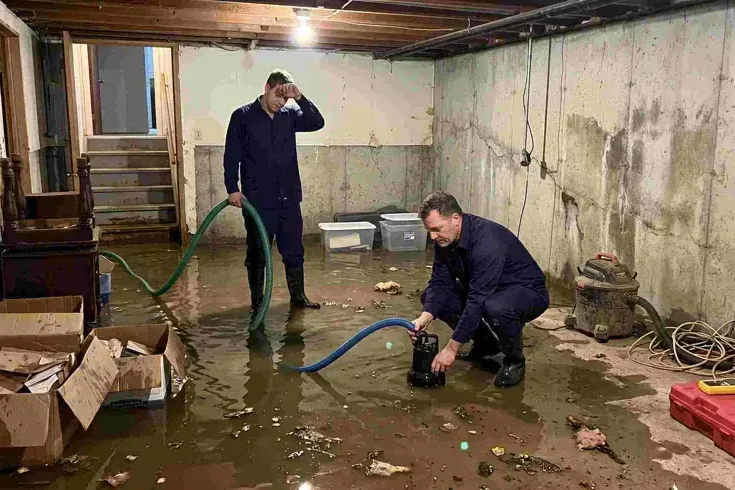
A room full of water changes as extraction proceeds. Large pools become shallow sheets, then damp seams and wet materials become the main concern. The June 28, 2020 storm flooded the basement of Norwood Hospital, a reminder of the disruption a lower level water loss can cause. At a house or business, a useful removal plan starts with the actual source, safe entry and the route water took through the interior.
How water extraction and removal proceeds
Assess entry conditions
The affected area is reviewed for water source, electrical concerns and access limits. Water depth and floor layout help establish which removal tools can be used safely in the space.
Remove standing liquid
Bulk water is collected first, followed by shallow areas and accessible floor edges. Wet contents are handled according to their condition so they do not obstruct removal from the building.
Inspect the exposed surfaces
With pooled water reduced, the floor and adjacent walls can be examined more closely. Remaining wet layers are identified and areas needing access are added to the continuing cleanup scope.
Set the drying direction
Material findings determine the next equipment setup and monitoring locations. The owner receives an explanation of what extraction achieved and which areas still require moisture reduction before finish repairs.
Choose equipment for the water that remains
Pumps handle accumulated water differently from extraction tools used on a thin layer across flooring. Access also matters: hoses need a workable route, equipment needs safe power arrangements and discharge needs an appropriate destination. A room near Washington Street may present a straightforward doorway or a difficult stairwell. Those property details shape the setup more directly than the building’s location within town.
- Deep collections need controlled removal while the surrounding structure and electrical conditions are considered before equipment enters the space.
- Shallow floor water may require repeated extraction passes along low points, thresholds and accessible edges beneath movable furnishings.
- Absorbent contents need separate handling so their retained water does not keep loading an otherwise cleared room with moisture.
Water removal should follow the floor into connected rooms. A doorway can hide a slight change in elevation, and water may sit behind a cabinet toe kick after the open floor looks clear. Inspection around these transitions keeps the scope from ending too early. Any inaccessible layer is recorded for further assessment rather than assumed to have drained.
Follow the wet route beyond the puddle
Near Windsor Gardens, a wet utility space and an adjoining finished room would need different checks even if both were affected by the same leak. Hard flooring, carpet backing and wallboard respond differently to water. The inspection separates material that can be dried in place from material that must be opened or removed, using conditions inside the property to make the choice.
Extraction lowers the immediate water load, but it does not pull every trace of moisture out of an assembly. A floor can stop glistening while the subfloor remains wet. The next stage may involve measured structural drying, with equipment positioned to move moisture out of retained materials and readings used to show whether that plan is progressing.
- Record the rooms connected by the same water path and mark areas that remain inaccessible.
- Check absorbent finishes at their edges rather than judging the entire floor from its center.
- Keep extracted water and wet debris away from unaffected rooms and clean storage areas.
Describe where water has collected, whether it is rising and which entrance reaches the affected room. Those details help organize the removal discussion around the property.
(888) 480-6221Discuss the pooled areasKeep entry decisions separate from urgency
Standing water can conceal energized equipment, sharp debris and an unstable floor surface. Occupants should stay outside a wet room when electrical conditions are uncertain. A submerged outlet or appliance needs qualified attention before normal access resumes. Water with a sewage source also requires contamination controls, so moving household fans into the room is not an appropriate first step. Heavy contents should remain in place if lifting them requires walking through unsafe water. The safest useful information is a description from dry ground, supported by photos only when they can be obtained without exposure.
Finish extraction with a clear handoff
The extraction record should describe where water was removed and where moisture remains. That distinction helps a property owner understand why equipment may stay after the puddle disappears. A practical handoff includes remaining material checks, any source repair still needed and a plan for affected contents. The town restoration overview connects this removal stage with cleanup and drying decisions for the rest of the property.
For general household precautions, see Ready.gov flood safety and the EPA household leak checks.
What does water extraction and removal cost in Norwood, MA?
Water extraction in Norwood varies with depth, room access and the spread beneath contents. These estimates describe removal scopes; contamination, concealed wet materials and later repairs can change the work required.
Small accessible spill
$500 to $1,200
- Open floor access
- Shallow water collection
- Limited contents handling
Several wet rooms
$1,200 to $2,500
- Connected interior spaces
- Additional extraction passes
- Broader surface checks
Deep or difficult water
$2,500 to $3,500+
- Challenging equipment access
- Larger pooled volume
- Complex removal routing
These ranges are estimates only. Water category, square footage, material class and the delay before drying affect the scope. The water damage cost calculator compares those variables before a property assessment.
What shapes the water extraction and removal plan
Source first
The removal scope begins with how water entered and whether that source remains active. A repaired leak and continuing outside entry require different arrangements before extraction can make lasting progress.
Reachable floor edges
An inspection includes doorways, low spots and spaces behind movable contents. These smaller collections can be overlooked when the deepest water draws all attention at the beginning of a loss.
Clear access planning
Equipment movement should preserve a safe path for occupants and workers. Stairs, storage and room connections are considered before hoses are placed across the interior during water removal.
A documented transition
Extraction ends with a description of remaining wet materials. That record connects the cleared floor to subsequent drying work and helps explain why a visibly empty room may still need attention.
Water extraction and removal coverage in Norwood
Extraction planning covers properties in 02062, including South Norwood and locations near Washington Street or Windsor Gardens. A description of stairs, exterior doors and the wet floor level helps establish equipment access.
The same service nearby: water extraction and removal in Roslindale, Hyde Park, Brookline.
Related water damage services in Norwood
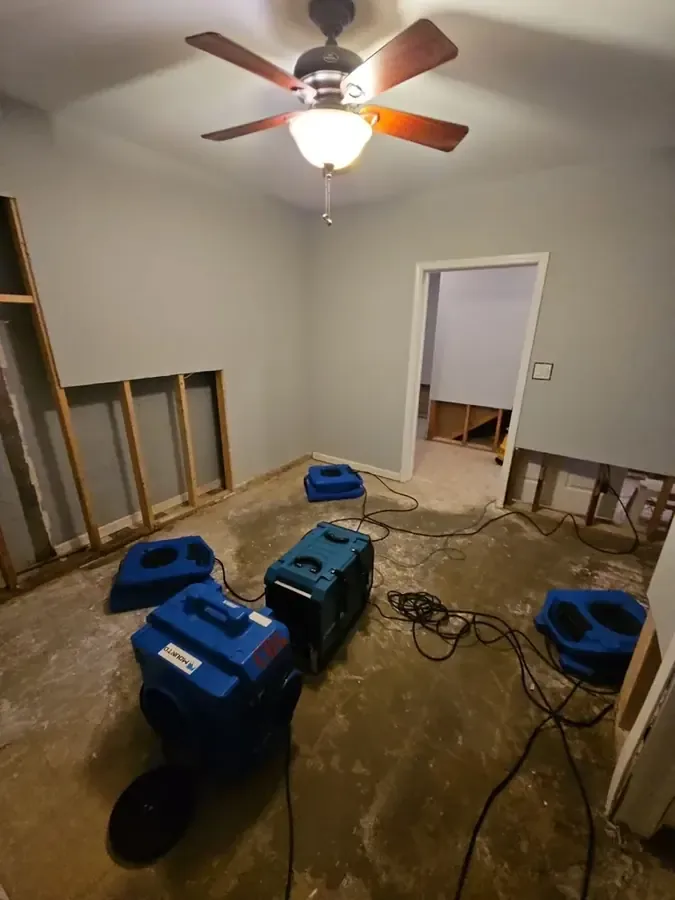
Structural Drying
Material readings determine equipment placement and the end of the drying phase.
Service details ›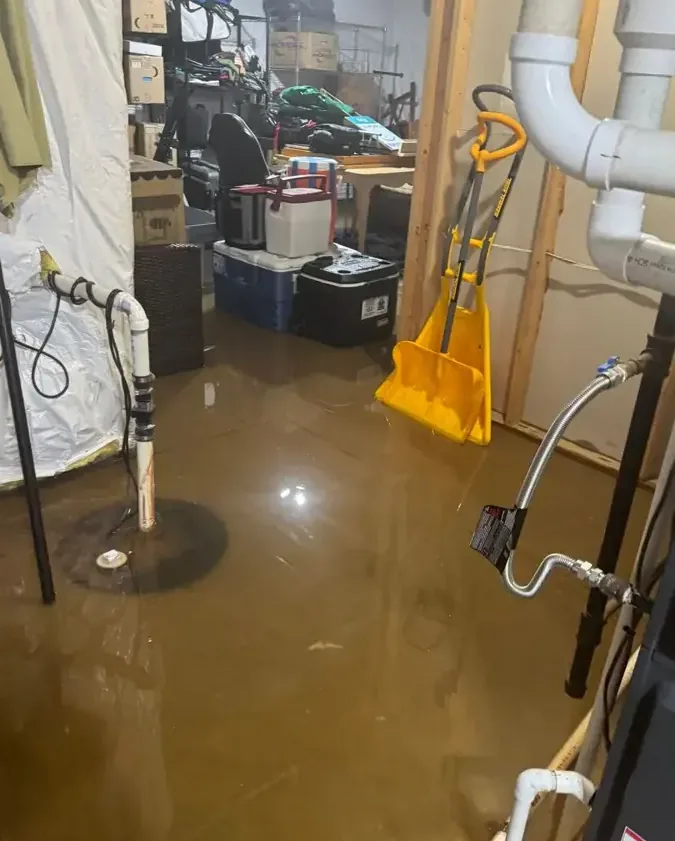
Basement Water Removal
Below-grade extraction starts with electrical clearance and the actual water entry route.
Service details ›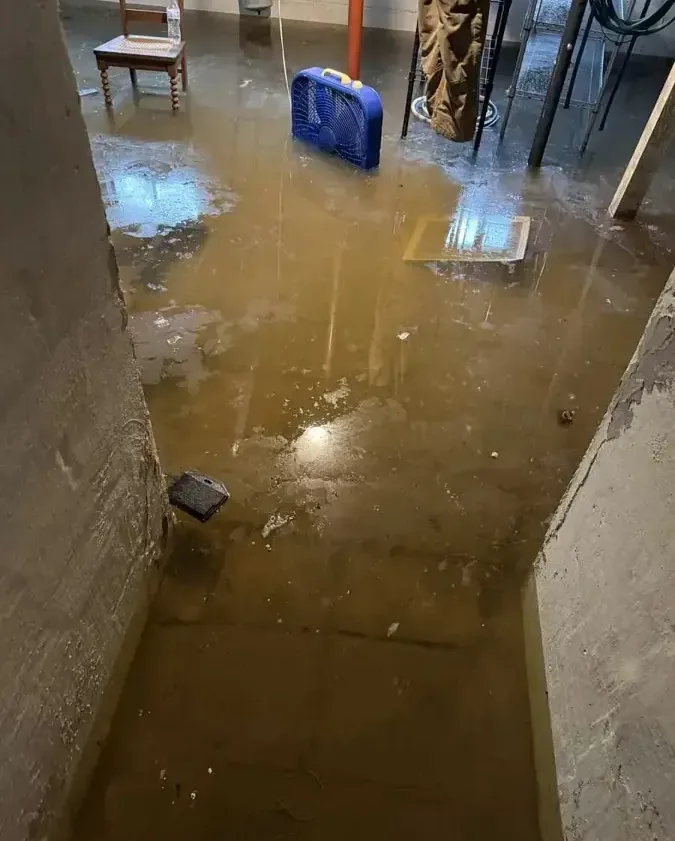
Storm and Flood Cleanup
Runoff brings a different cleaning problem from water released by a household pipe.
Service details ›Water Extraction and Removal questions
Can extraction equipment remove shallow water?
Yes. Once a pump has reduced the deeper collection, other extraction tools can address a thin layer across an accessible floor. The remaining work often concentrates on low points and edges. The equipment choice depends on the surface and the conditions around it, including contamination, power access and any contents blocking the wet area.
Why is water still visible beside a wall?
A slight floor slope can leave a shallow collection at the perimeter after the center clears. Base trim and nearby contents can also conceal water. That area needs another look before drying begins. If fresh water keeps appearing, the inspection should revisit the source or a connected space that may still be draining into the room.
Does the carpet need to be removed?
The answer depends on exposure, backing, underlay and the condition of the water. Some materials may be suitable for further treatment, while others need removal to reach the wet surface below. Salvageability requires an assessment of contamination, material condition and access to wet layers. The scope should explain the material decision and include access to any layers that would otherwise remain hidden.
Can a small pump complete the whole cleanup?
A pump can remove accessible liquid but leaves moisture inside absorbent materials. It also has limits related to depth, debris and safe operation. A complete assessment considers the surrounding walls, floors and contents after pumping. Drying or cleaning may still be needed even when the visible water was confined to a relatively small area.
What should happen to boxes on the floor?
Boxes that absorbed water should be assessed separately from dry possessions. Handling depends on the water source and whether their contents can be protected without spreading contamination. Photos and an inventory help preserve the record before disposal decisions. Storing damp cardboard against a cleared wall simply moves the moisture problem to another part of the room.
How is extraction completion explained?
The record should distinguish liquid removal from material drying. It can identify the spaces cleared, the wet assemblies still present and any source issue that remains unresolved. That makes the next phase understandable. A property owner should know whether remaining equipment is extracting accessible water, controlling humidity or directing air toward materials that still need to dry.
Will removing water stop an ongoing leak?
Extraction does not repair a supply pipe, appliance or building opening. The water source requires its own correction, coordinated with removal as conditions allow. Otherwise the room can refill while cleanup is underway. The initial scope should describe who is addressing the source and how continuing entry will affect access, equipment and the eventual drying plan.
Clear the floor for the next step
Request an extraction assessment that connects visible standing water with the wet materials remaining after the liquid has been removed.
(888) 480-6221Plan the removal sequence