Water Extraction and Removal Hyde Park, MA
A room can look clear while water remains beneath its finishes. Extraction in Hyde Park starts with safe access and follows the liquid into edges, floor layers and connected interior spaces.
(888) 480-6221Discuss the standing water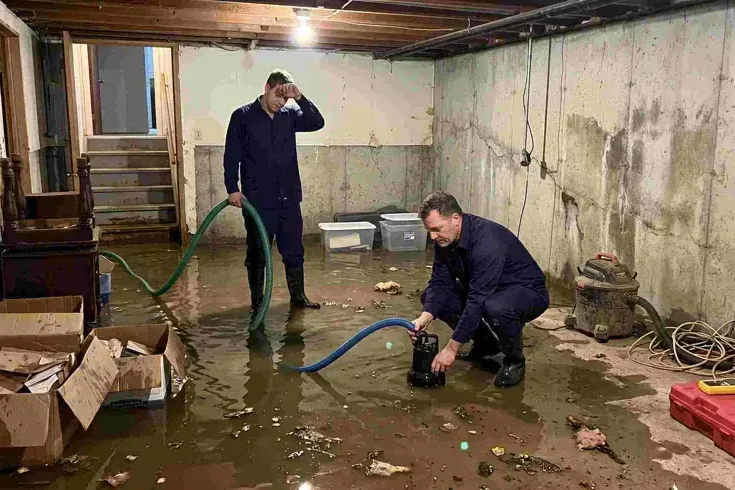
The first useful question about standing water is where it came from. A failed supply connection and runoff through a lower doorway leave different cleanup needs, even when the puddles look similar. In Hyde Park, the Neponset River runs through the neighborhood, but the inspection begins at the property's actual water entry. The source, visible debris and affected surfaces shape how extraction proceeds and which materials need separate attention.
How water extraction and removal proceeds
Classify the release
The assessment considers the reported source, visible debris and contacted materials. Water that arrived from outdoors or a drain receives handling appropriate to the contamination found during inspection.
Establish working access
A dry route, suitable equipment position and protected adjacent spaces make extraction manageable. Contents blocking wet edges are assessed before movement so water spread and property damage remain controlled.
Extract in accessible sections
Liquid removal progresses through the mapped area, including transitions and corners. Repeated passes or a different tool may be needed where water continues draining from a concealed floor edge.
Check the remaining load
After the surface is clear, material readings locate retained moisture. The results determine whether additional access, finish removal or a dedicated drying setup is needed before the restoration scope closes.
Follow the water past the room boundary
Water collects at low points and travels through small openings around thresholds, cabinets and wall bases. Removing the center of a puddle can leave liquid under a resilient covering or along the edge of carpet. The assessment maps those paths before treating the visible room as the whole loss. Doors, stored belongings and equipment routes also influence where extraction can begin safely.
- Inspect adjoining closets when water has reached their doorway, even if the stored contents initially conceal the floor.
- Check the underside of removable floor coverings and document the condition of padding or other absorbent layers.
- Separate debris laden water from cleaner interior releases when selecting handling methods and deciding which materials can remain.
Cleary Square and Logan Square are business districts. In an affected business, extraction planning includes stock and customer access as well as the floor. A wet storage corner may need a different approach from an open sales area, especially when shelves prevent access to liquid along the wall.
Choose removal methods around the surfaces
Pumping handles accumulated water; controlled extraction addresses liquid retained in suitable floor coverings or surface joints. Neither action alone establishes that the subfloor or wall cavity is dry. Equipment should suit the amount of water and the material condition. Aggressive handling of a weakened finish can add damage, while incomplete extraction leaves more moisture for the later drying phase.
Readville contains historic warehouses and factory buildings. Within such a property, a broad open floor and an enclosed office may require separate extraction zones. The work record should identify where water was removed, where access remained restricted and which materials still need drying. Structural drying addresses that retained moisture after the liquid removal stage.
- Record wet boundaries before moving equipment so changes in the room remain understandable.
- Remove movable obstacles only when their weight, condition and contamination allow safe handling.
- Inspect floor transitions again after extraction because water can emerge from concealed edges.
Standing water can hide its full route beneath finishes. Describe the depth, suspected source and rooms involved so the assessment can begin with the right priorities.
(888) 480-6221Review the pooled waterProtect access around electricity and contamination
A flooded room is not a safe place to test an appliance or move a powered extension cord. Boston Water and Sewer Commission warns against touching appliances or wires with wet hands or feet. Occupants should stay outside water that could contact electrical equipment and seek appropriate professional assistance. Sewage or unknown outside water also calls for restricted access. Children, pets and unprotected occupants should remain in a clean area. Extraction equipment belongs within a planned work area, with dry access and a clear understanding of the water conditions before handling starts.
Finish extraction with a moisture map
The last visible puddle is a useful milestone, not the end of restoration. Wall bases, floor assemblies and contents can retain water after the surface clears. Material measurements identify those remaining areas and support the next scope. Boston Water and Sewer Commission also advises keeping catch basin tops clear of leaves and debris before heavy rain. At the property itself, source correction and measured drying complete the work that pumping begins.
For general household precautions, see Ready.gov flood safety and the EPA household leak checks.
What does water extraction and removal cost in Hyde Park, MA?
Water extraction in Hyde Park typically follows the amount of standing water, access difficulty and affected surfaces. These planning ranges describe removal scopes; a written inspection estimate identifies drying and material work separately.
Small accessible spill
$500 to $1,200
- Open floor access
- Limited liquid volume
- Simple equipment placement
Several wet rooms
$1,200 to $2,500
- Connected interior spaces
- Multiple extraction surfaces
- Additional handling needs
Deep or difficult water
$2,500 to $3,500+
- Restricted entry conditions
- Heavier pumping demand
- Complicated floor access
These ranges are estimates only. Water category, square footage, material class and the delay before drying affect the scope. The water damage cost calculator compares those variables before a property assessment.
What shapes the water extraction and removal plan
Inspect before equipment enters
A walkthrough identifies energized areas, unstable finishes and the safest route for hoses. The extraction plan accounts for occupants and access before water removal begins inside the affected rooms.
Match tools to the water
Pooled liquid, damp carpet and water trapped at cabinet edges need different handling. The selected method should remove water effectively while respecting the condition of the exposed floor finish.
Keep a visible work record
Photographs and room notes preserve the initial boundaries of the loss. Recording inaccessible corners helps explain any later opening or additional drying work discovered after the main puddles disappear.
Connect removal with drying
The extraction stage ends with checks of materials that held water. Those results establish the next equipment arrangement and prevent an apparently clear floor from concealing an unfinished moisture problem.
Water extraction and removal coverage in Hyde Park
Water removal covers properties around Cleary Square, Logan Square and Readville within Hyde Park, including 02136. Entry conditions and the affected floor level help determine suitable equipment access and the extraction approach.
The same service nearby: water extraction and removal in Roslindale, Brookline, Norwood.
Related water damage services in Hyde Park

Structural Drying
Material readings determine equipment placement and the end of the drying phase.
Service details ›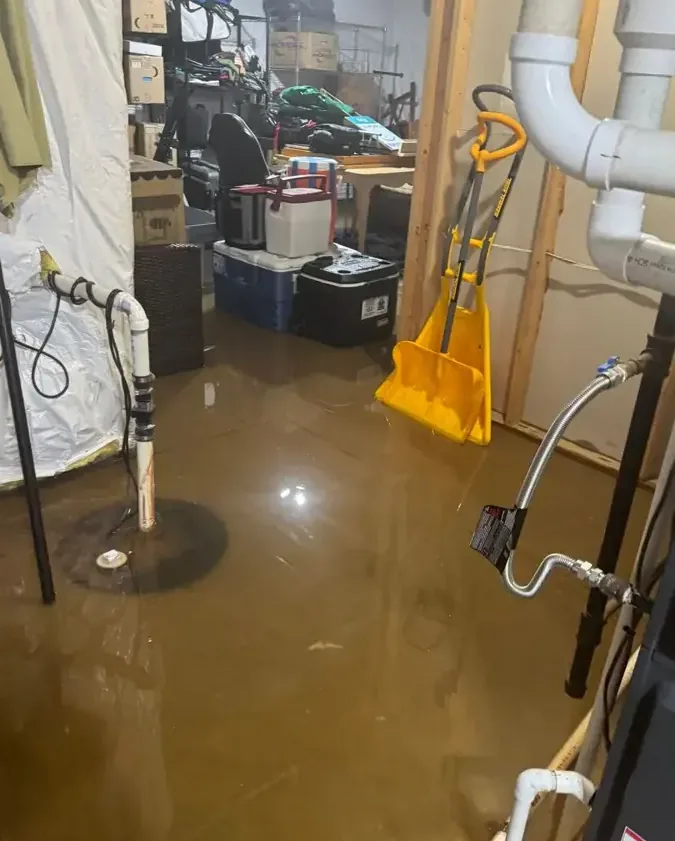
Basement Water Removal
Below-grade extraction starts with electrical clearance and the actual water entry route.
Service details ›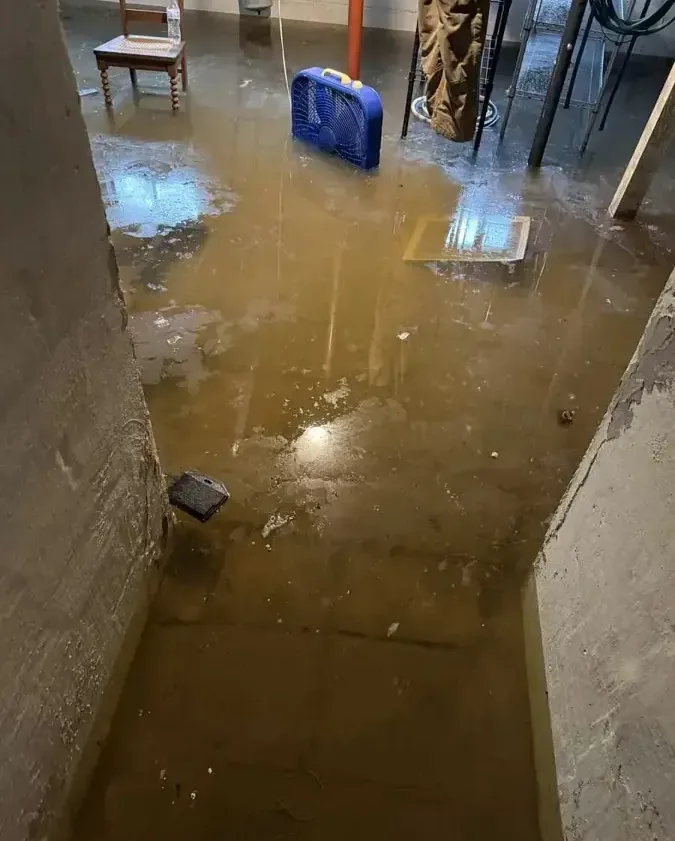
Storm and Flood Cleanup
Runoff brings a different cleaning problem from water released by a household pipe.
Service details ›Water Extraction and Removal questions
Why does water return after the first extraction pass?
Liquid can continue draining from under cabinets, through floor joints or out of adjacent rooms. An active source can also refill the area. The inspection distinguishes those causes, checks whether supply or outside entry has stopped and follows the remaining water path before treating repeated extraction as the complete solution.
Can a household vacuum handle standing water?
An ordinary household vacuum is unsuitable for liquid pickup. Even equipment designed for wet use requires safe electrical conditions and appropriate water handling. Deep water, sewage and unknown contamination need a controlled professional approach. Occupants should avoid entering a wet area simply to reach an outlet or retrieve a cleaning machine.
Does pumping remove water from the walls?
Pumping removes accumulated liquid from an accessible space. Water absorbed into drywall, framing or insulation remains a separate drying problem. Moisture measurements at wall bases and adjoining cavities help define that scope. Some materials may need removal to expose wet components before air movement and dehumidification can act on them effectively.
What happens to furniture standing in the water?
The assessment considers the furniture material, contamination and stability before movement. Portable items may be separated from wet flooring when safe, while heavy or weakened pieces need careful handling. Photographs should preserve their original condition. Contents treatment and replacement decisions should be described separately from the work needed to dry the building.
Is outside water treated like a supply leak?
Outside entry may carry soil, debris and contaminants into the room. The cleaning and material decisions therefore depend on the observed water conditions and what it contacted. The work should identify those exposures before extraction starts, rather than assuming a clear appearance means that flooring and contents can receive routine drying alone.
When can drying equipment begin operating?
The work area needs safe power, controlled access and appropriate cleaning or removal first. Once those conditions are established, equipment can address retained moisture in the remaining materials. The arrangement should follow the moisture map, with measurements during operation showing whether the setup is reaching the wet areas effectively over time.
What should the extraction estimate explain?
It should identify the affected rooms, accessible surfaces and removal tasks, together with any anticipated debris handling or restricted access. Drying, demolition and source repairs should be clearly described if included. A change discovered beneath a covering should lead to an understandable scope revision rather than an unexplained addition to the final bill.
Make the next step measurable
Extraction should leave a clear account of remaining moisture and the drying work required to restore the affected interior.
(888) 480-6221Plan water removal