Storm and Flood Cleanup Hyde Park, MA
Water entering during a storm can carry debris through doorways and lower openings. Hyde Park flood cleanup starts with safe conditions, the observed entry route and a careful inventory of exposed interior materials.
(888) 480-6221Assess the outside water entry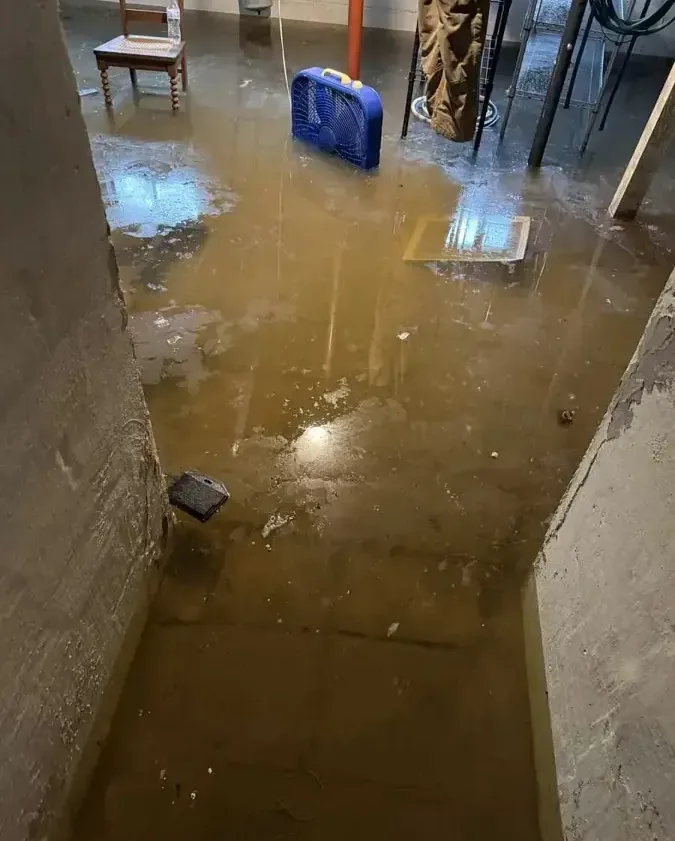
Stormwater can leave an interior coated with residue after the depth has fallen. The cleanup scope needs to account for everything touched by that water, from stored cartons to the bottom of finished walls. In Hyde Park, the Neponset River runs through the neighborhood and Mother Brook is in Readville. At a damaged property, the useful starting point is the observed doorway, wall opening or other route that admitted water.
How storm and flood cleanup proceeds
Establish safe entry conditions
Electrical, structural and contamination concerns are evaluated before the interior is occupied for cleanup. The reported entry route and visible water boundaries form the initial map of the loss inside the property.
Extract and sort exposed materials
Water removal proceeds alongside assessment of affected contents and finishes. Debris and unsalvageable porous materials are handled through a controlled route, with photographs preserving their condition before the room changes.
Clean the retained assembly
Suitable surfaces are cleaned after the accumulated water and damaged layers are removed. Attention extends into accessible corners and low cavities where storm residue may remain concealed behind otherwise intact finishes.
Dry and assess next repairs
Material checks direct equipment operation and confirm the remaining moisture condition. The final assessment connects completed restoration with outstanding source correction or reconstruction so the building is not closed over unresolved wet areas.
Identify the entry and preserve its traces
Photographs of debris trails, water marks and affected belongings help show the original extent of a storm loss. That record is valuable before pumping and cleaning change the scene. The assessment considers outside conditions together with the interior exposure. Continued inflow needs attention before a room can be treated as ready for drying, and source correction may require a separate qualified trade.
- Document the highest visible water mark and the areas where silt or debris accumulated.
- Keep contents exposed to outside water apart from dry belongings in unaffected rooms.
- Check adjoining enclosed spaces where water could have entered beneath doors or through floor level openings.
Boston Water and Sewer Commission operates the stormwater collection and transport system, which carries rain and snowmelt runoff. Its advice includes keeping leaves and debris off catch basin tops to help prevent street flooding during heavy rain. At an individual property, cleanup follows the water that actually entered and the materials it contacted.
Clean before treating the remaining moisture
Removing pooled water reveals the residue left on floors and inside low cavities. Porous finishes may need removal, while suitable durable surfaces require cleaning before structural drying begins. A dry surface can still conceal wet material underneath. The restoration plan therefore combines contamination assessment, selective access and moisture checks rather than relying on air movement across a dirty floor.
Readville has historic industrial buildings along the waterways. A wet warehouse may involve stored stock and equipment access, while a nearby residence presents different contents and finish materials. The inspection should distinguish those needs and establish clean routes through the building. Commercial restoration can address the business specific portion of an affected interior.
- Evaluate wet packaging before moving it into clean storage or occupied rooms.
- Record materials removed for contamination or physical damage separately from salvageable items.
- Check wall cavities where outside water reached insulation or concealed framing.
Outside water leaves more than a puddle. Describe the entry point, visible debris and affected rooms so the assessment can organize a safe cleanup sequence.
(888) 480-6221Assess the stormwater exposureKeep recovery work behind a safe boundary
Occupants should avoid entering floodwater, especially where electrical equipment or unstable finishes may be involved. Boston Water and Sewer Commission warns against touching appliances or wires with wet hands or feet. Water carrying debris can also hide sharp objects and uneven surfaces. The cleanup area needs controlled access and appropriate protection before extraction or material handling begins. Children and pets should remain in an unaffected space. A return to the property should follow safe access conditions, with electrical and structural concerns evaluated by the appropriate professionals before routine interior work proceeds.
Plan the handoff after the water recedes
The final scope should explain source correction, removed finishes, retained materials and drying results. Rebuilding follows that assessment, with attention to any unresolved entry point. A moisture record helps separate an interior that merely looks clean from one ready for replacement finishes. Keeping the cleanup and repair responsibilities visible makes the next decisions easier after a disruptive storm loss.
For general household precautions, see Ready.gov flood safety and the EPA household leak checks.
What does storm and flood cleanup cost in Hyde Park, MA?
Storm and flood cleanup costs in Hyde Park depend on outside water exposure, debris, affected rooms and removal needs. These estimated ranges describe interior restoration; entry repairs and replacement finishes require clearly stated scope boundaries.
Limited outside entry
$2,500 to $4,500
- Localized interior exposure
- Accessible debris removal
- Focused cleaning area
Several affected interiors
$4,500 to $8,000
- Connected wet rooms
- Broader contents assessment
- Expanded drying work
Extensive flood exposure
$8,000 to $12,000+
- Complex material removal
- Multiple contaminated spaces
- Detailed recovery coordination
These ranges are estimates only. Water category, square footage, material class and the delay before drying affect the scope. The water damage cost calculator compares those variables before a property assessment.
What shapes the storm and flood cleanup plan
Entry based assessment
The inspection starts with how outside water reached the interior and where it traveled. That detail shapes contamination decisions and keeps the restoration scope tied to the property's actual exposed rooms and contents.
Debris aware handling
Stormwater can leave residue beneath furniture and inside low cavities. Removal and cleaning decisions account for that material before equipment begins drying the retained structure or belongings are returned to the affected space.
Separate recovery zones
Clean routes and restricted work areas help protect undamaged rooms. Contents and equipment movement are planned around those boundaries so the cleanup itself does not carry dirty water through the rest of the building.
A useful repair handoff
The closing record describes wet materials, completed cleaning and drying progress. Outstanding entry repairs and replacement finishes remain clearly identified so the owner can coordinate the next work without losing track of unresolved tasks.
Storm and flood cleanup coverage in Hyde Park
Storm damage cleanup serves Hyde Park properties around the Neponset River, Mother Brook and Readville in 02136. Actual entry conditions, debris and interior exposure determine the inspection and removal plan for each affected building.
The same service nearby: storm and flood cleanup in Roslindale, Brookline, Norwood.
Related water damage services in Hyde Park
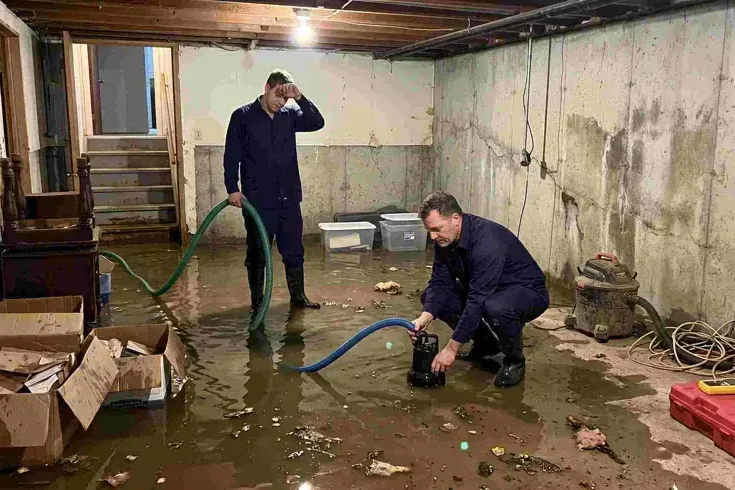
Water Extraction and Removal
Pumps remove pooled water while extraction tools reach carpet, floor joints and low spots.
Service details ›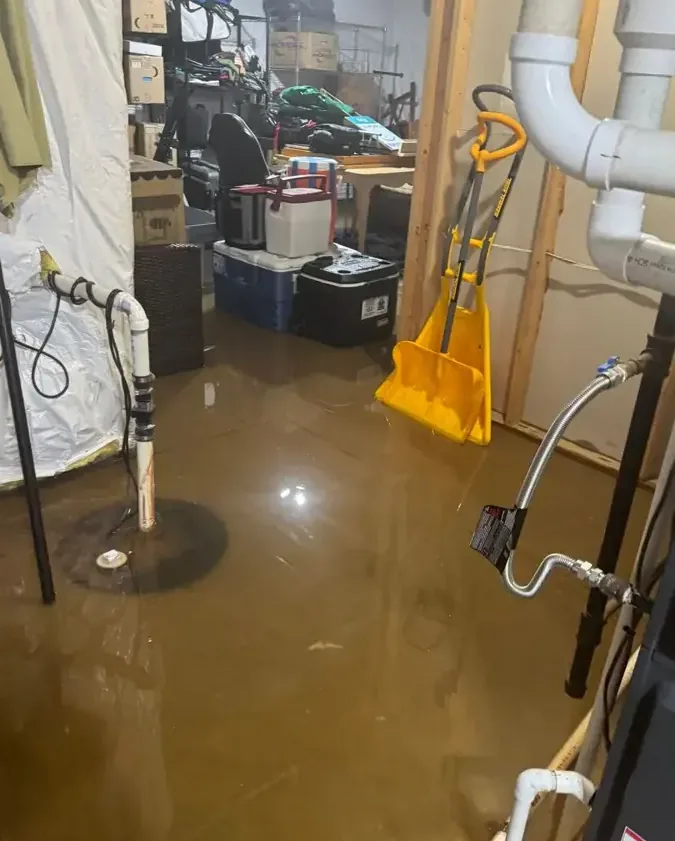
Basement Water Removal
Below-grade extraction starts with electrical clearance and the actual water entry route.
Service details ›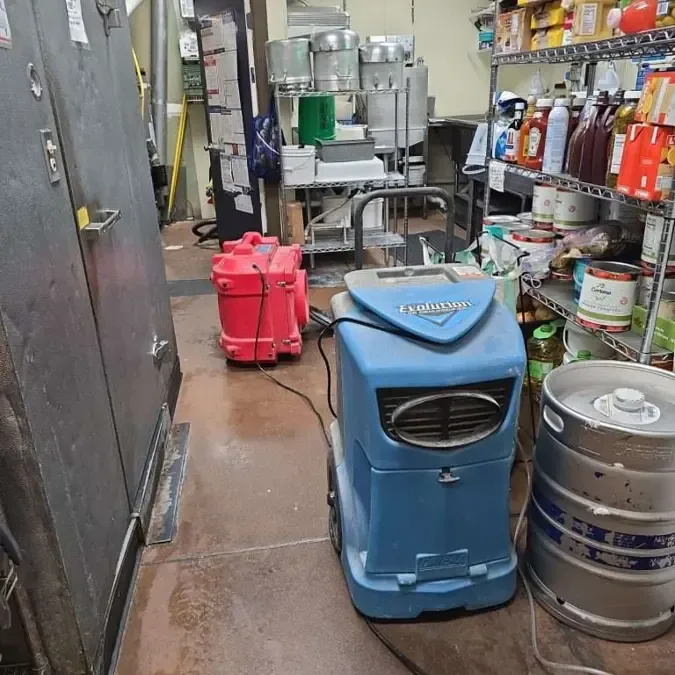
Commercial Water Damage
Documented work zones separate affected stock and interiors from safe access routes.
Service details ›Storm and Flood Cleanup questions
What details distinguish flood cleanup from ordinary extraction?
Outside water may deposit soil, debris and contaminants throughout the affected area. The work therefore includes assessment of contacted contents and building materials, not only removal of the liquid. Appropriate cleaning and selective removal precede drying, with the scope reflecting the actual exposure inside the property and the condition of each retained surface.
Should belongings be moved before they are photographed?
When safe, photographs should preserve the initial condition before items are moved or discarded. Those images help explain the extent of exposure and later material decisions. Safety takes priority over documentation, so occupants should not enter hazardous water or unstable rooms to obtain pictures or rescue possessions from an inaccessible part of the building.
Can a room dry while outside water is still entering?
Continued inflow can overwhelm the drying effort and rewet materials that were already treated. The entry problem needs assessment and appropriate control before lasting progress can be expected. Extraction may manage accessible water during that process, but the written scope should identify the unresolved source and who is responsible for the corrective work.
Are river nearby properties handled differently?
The cleanup method follows the water that entered the building, its contamination and the materials exposed. A nearby waterway helps describe the location, while the observed entry route establishes the loss. Inspection should record the actual interior conditions and source information so extraction, cleaning and drying decisions suit that specific property and its affected rooms.
Why are wet cartons separated from dry storage?
Packaging can absorb dirty water and carry residue into an otherwise clean area. Separating exposed cartons helps prevent that transfer and makes contents assessment easier. The items inside require their own assessment based on contact and material, with photographs and handling notes kept before disposal or specialized treatment is arranged for affected belongings.
When can replacement drywall be installed?
Contaminated or damaged layers need appropriate removal, retained surfaces need cleaning and the remaining structure needs verified drying. Closing the wall too early can conceal residue or moisture. The restoration handoff should identify completed work and any inaccessible area, allowing the repair trade to begin with an accurate understanding of the assembly's condition.
Will the restoration estimate include outside drainage repairs?
The estimate should explicitly state whether any source correction is included. Interior cleanup commonly involves extraction, removal, cleaning and drying, while exterior entry or drainage work may require another trade. A clear division of responsibilities helps the owner address both the current damage and the unresolved condition that could allow another water entry.
Move from flood residue to repair readiness
A defined plan connects water removal, cleaning and structural drying with the entry repairs still needed at the property.
(888) 480-6221Discuss interior flood recovery