Commercial Water Damage Hyde Park, MA
A wet business interior creates decisions about stock, access and building recovery at once. Hyde Park commercial restoration organizes those needs around the water source, exposed materials and the spaces that must remain restricted.
(888) 480-6221Assess the affected business areas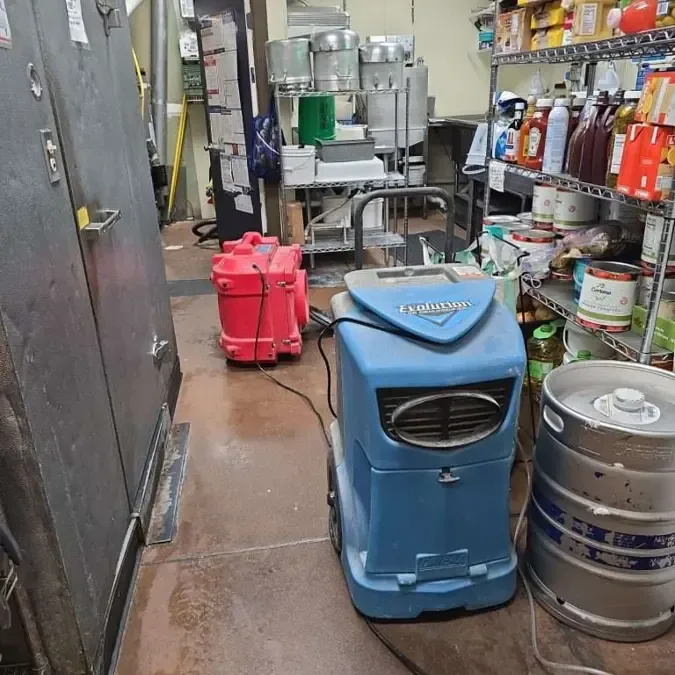
A water loss in a business can close a stock room while leaving the front entrance apparently usable. The restoration scope needs to examine how those spaces connect, including shared flooring, wall cavities and equipment routes. Commercial water damage work in Hyde Park begins with the source and the operational layout. The building owner or manager needs a clear description of the affected areas before decisions about occupancy, stock movement or repair scheduling are made.
How commercial water damage proceeds
Map affected operations and materials
The source, wet boundaries and stock locations are recorded. Electrical and contamination concerns establish restrictions and safe routes through the business.
Remove water and organize contents
Extraction proceeds through accessible zones with exposed inventory documented and separated. Fixed shelving and enclosed rooms receive attention so water behind operational fixtures remains part of the scope even when the main floor clears quickly.
Clean and dry the retained structure
Appropriate removal and cleaning prepare the building materials for drying. Equipment placement respects work boundaries, and material readings show whether concealed edges or dense floor layers require additional access or changes during the restoration period.
Handoff for repairs and business use
The closing assessment identifies completed treatment, final material conditions and outstanding source or finish tasks. Contents and operational equipment needs remain separate so the responsible parties can coordinate a return to use around the actual property condition.
Separate the business into useful assessment areas
Cleary Square and Logan Square are business districts. A wet commercial interior near either square may include customer space, storage and staff areas with different materials and access needs. The inspection should identify which rooms received water and which routes can remain safe. The spaces beyond a dry entrance still need assessment before normal business activity resumes.
- Map the water boundary across sales, storage and work areas so cleanup decisions match the actual exposure.
- Document stock and packaging before relocation, keeping wet items separate from unaffected inventory.
- Identify equipment and records that need specialist handling rather than routine movement during floor extraction.
Readville contains warehouses and factory buildings from the nineteenth and early twentieth centuries, including buildings along the Neponset River and Mother Brook. Large interiors can contain smaller enclosed offices or storage rooms where water remains hidden. The restoration assessment follows those partitions and floor transitions instead of treating the open floor as the only affected area.
Coordinate responsibilities without losing the water path
A commercial loss may involve a property manager, tenant, plumbing professional and repair contractor. Each needs a clear role, particularly when the failed source serves more than the immediately wet room. Restoration documentation should describe the observed damage and completed work. The plumbing or exterior repair responsibility should be established separately so the drying setup does not operate beneath continued leakage.
Extraction and material removal can change access through the building. Work areas need clear boundaries, with equipment positioned to reach wet surfaces while preserving safe routes where continued occupancy is appropriate. Some spaces must remain closed because of contamination, electrical conditions or unstable finishes. The plan should make those restrictions understandable before stock is returned or normal activity resumes.
- Record inaccessible material edges behind fixed shelving and identify how those areas will be assessed.
- Assess cleaning needs before air movement is introduced across water carrying contamination or debris.
- Use sewage cleanup when a backed up drain has affected the commercial interior.
A commercial loss needs a clear account of wet rooms, stock and access restrictions. Describe the affected work areas and the property contacts involved in arranging source repairs.
(888) 480-6221Assess business interior recoveryKeep staff and visitors outside the active work zone
A business should not direct staff through standing water to retrieve stock or test powered equipment. Electrical and overhead conditions need professional assessment before entry. Wet packaging and floor finishes can also create unstable footing. Restoration boundaries should separate customers, staff and delivery activity from extraction, removal and drying work. Children and other visitors need the same protection from open cavities and equipment routes. The property manager should receive clear information about restricted rooms and any conditions affecting occupancy, allowing business decisions to follow the actual safety and material conditions found inside the building.
Reopen spaces on a documented basis
A room's return to use depends on safe access, completed cleaning and the condition of the retained assembly. Moisture readings support the transition from drying to finish repairs. Stock and equipment may need separate clearance or treatment before returning. The closing record should distinguish those items, giving the responsible parties a practical account of completed restoration and the work still needed to restore the business interior.
For general household precautions, see Ready.gov flood safety and the EPA household leak checks.
What does commercial water damage cost in Hyde Park, MA?
Commercial water damage costs in Hyde Park vary with room layout, stock handling and concealed material exposure. The ranges below describe restoration scale; specialized equipment treatment and building repairs need separately defined estimate terms.
Contained commercial room
$3,000 to $6,000
- Localized building exposure
- Accessible stock edges
- Focused drying zone
Several rooms or stock areas
$6,000 to $12,000
- Multiple work boundaries
- Expanded contents documentation
- Connected material treatment
Large or complex interior
$12,000 to $20,000+
- Restricted operational access
- Broad concealed spread
- Detailed recovery coordination
These ranges are estimates only. Water category, square footage, material class and the delay before drying affect the scope. The water damage cost calculator compares those variables before a property assessment.
What shapes the commercial water damage plan
A room specific business scope
Customer areas, storage and workspaces receive individual attention. The scope identifies their wet materials, equipment access requirements and occupancy restrictions.
Documented stock exposure
Inventory and packaging are assessed before relocation so the water loss remains understandable. The work record separates contents decisions from building treatment, helping avoid confusion about which items require specialized handling or replacement after the cleanup.
Coordinated property responsibilities
Source repair, interior restoration and reconstruction may involve different parties. A clear handoff keeps those tasks connected and identifies the condition needed before drying can proceed or a treated area can return to normal business use.
Progress tied to the assembly
Readings track retained floors, walls and concealed components while the drying arrangement operates. The completion decision follows those materials and safe access conditions, with outstanding repairs clearly identified instead of being hidden behind an apparently clean room.
Commercial water damage coverage in Hyde Park
Commercial cleanup serves Hyde Park businesses in Cleary Square, Logan Square and Readville, including 02136. Interior layout, stock exposure and safe circulation determine how restoration areas and equipment routes are organized at each property.
The same service nearby: commercial water damage in Roslindale, Brookline, Norwood.
Related water damage services in Hyde Park
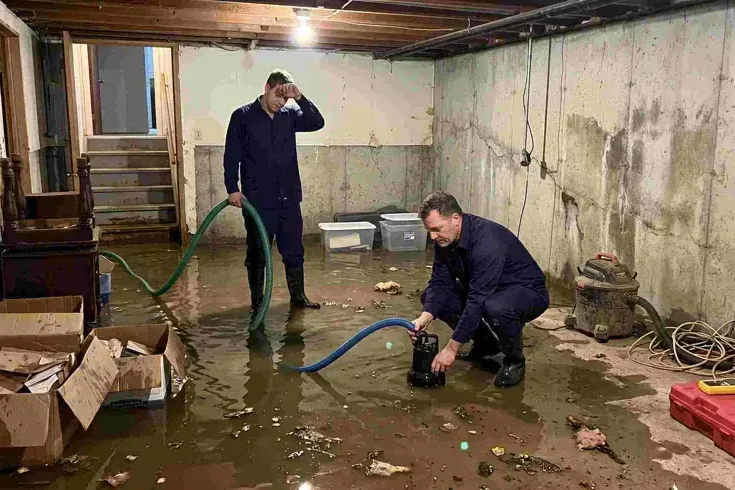
Water Extraction and Removal
Pumps remove pooled water while extraction tools reach carpet, floor joints and low spots.
Service details ›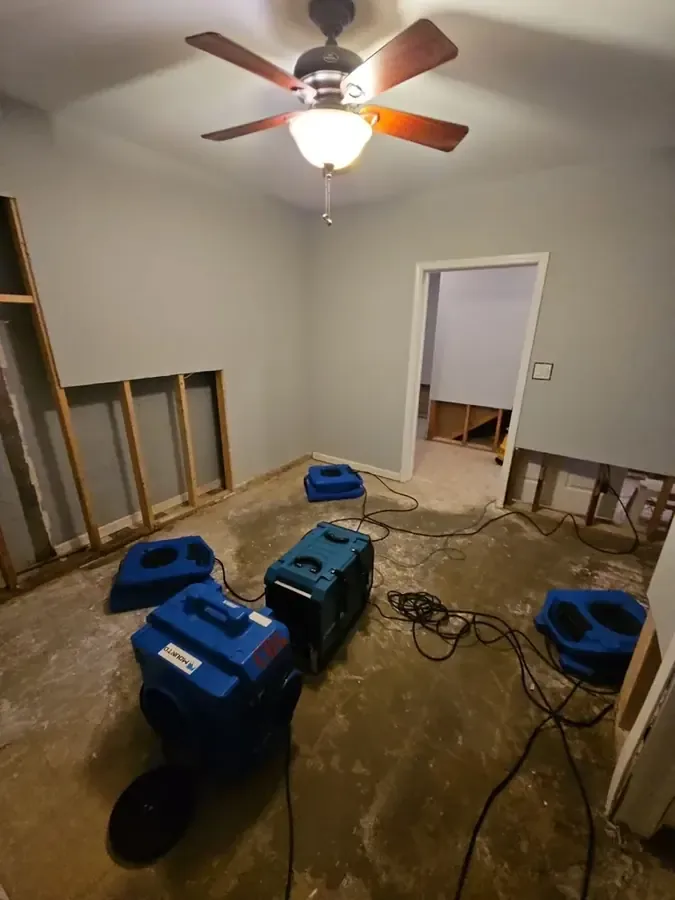
Structural Drying
Material readings determine equipment placement and the end of the drying phase.
Service details ›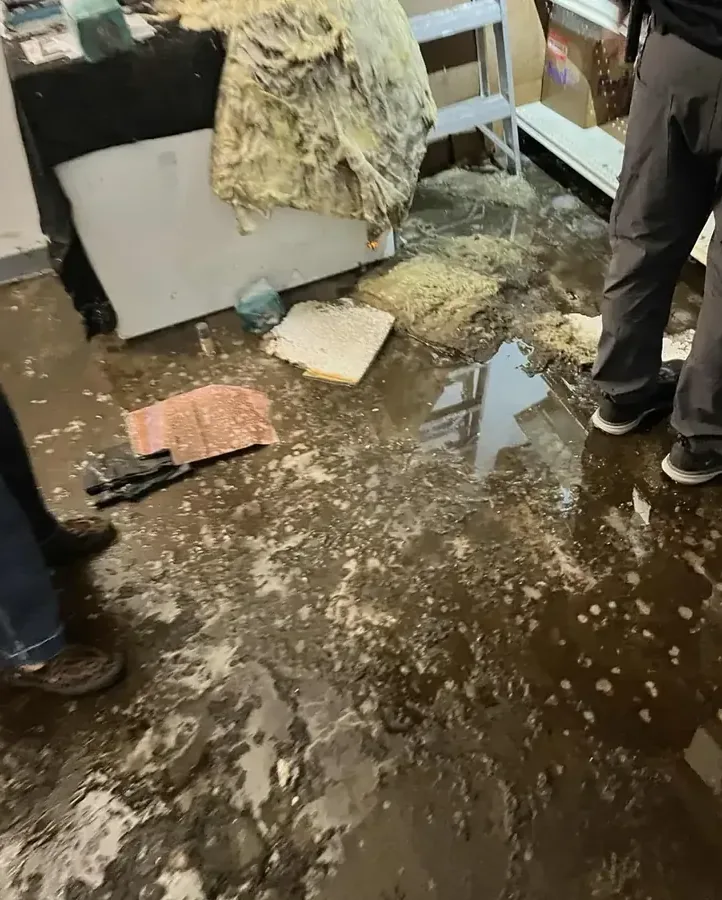
Sewage Backup Cleanup
Containment separates contaminated rooms while crews remove sewage-soaked porous finishes.
Service details ›Commercial Water Damage questions
Can part of a business remain open during restoration?
That depends on safe access, contamination, electrical conditions and separation from the work area. A usable entrance does not settle the question for adjoining rooms. The assessment should identify restrictions and equipment routes so the property manager can make occupancy decisions with a clear understanding of the affected materials and conditions throughout the interior.
Should staff move wet inventory before the inspection?
Unsafe areas should remain off limits. When handling is appropriate, the initial condition should be documented and exposed items kept separate from dry stock. Packaging and the items inside may require different decisions. The restoration scope should identify contents handling responsibilities so hurried relocation does not obscure the loss or carry residue into unaffected business spaces.
Who coordinates with the plumber or property owner?
The responsible property contacts should be identified at the start of the work. Source repair and interior restoration need a clear handoff, particularly where plumbing or building systems serve adjoining spaces. Written scope notes help each party understand the observed damage, access needs and repairs required before drying or reconstruction can proceed without renewed water entry.
Why inspect behind shelving when the aisle is dry?
Fixed shelving can conceal wall edges, packaging and floor areas that held water after the aisle was extracted. Moisture may remain beneath stored materials or inside nearby partitions. Checking those edges establishes whether the visible open floor represents the full loss, with any restricted access recorded so concealed exposure remains part of the restoration plan.
Can drying equipment affect normal stock storage?
Equipment requires access and operating space, and its placement can change circulation through a stock room. The work plan should identify those restrictions and protect unaffected items from the cleanup route. Storage arrangements may need temporary adjustment, with moisture readings determining when the affected assembly is ready for equipment removal and the room can return to its intended use.
What records help explain a commercial water loss?
Useful records include the affected room layout, source observations, stock exposure photographs and material drying results. Work descriptions should separate building restoration from specialist contents treatment and source repairs. That division gives owners, tenants and policy providers a detailed account of the recovery sequence, connecting completed building treatment with specialist work and remaining repairs throughout the affected business interior.
When can removed business fixtures be reinstalled?
The source should be controlled, retained materials should meet appropriate drying goals and access should be safe for the installation work. The condition of each fixture also needs assessment. Reinstallation should follow a clear handoff identifying completed restoration and remaining repair tasks, rather than covering a damp wall or floor simply to reopen the space sooner.
Connect building drying with operational decisions
A documented scope helps responsible parties coordinate cleanup, remaining repairs and the return of affected spaces to appropriate use.
(888) 480-6221Discuss the commercial damage scope