Commercial Water Damage Norwood, MA
A wet business space involves more than flooring. Cleanup planning needs to account for stock, customer access, employee movement and the building materials that must be treated before affected areas reopen.
(888) 480-6221Discuss the affected business space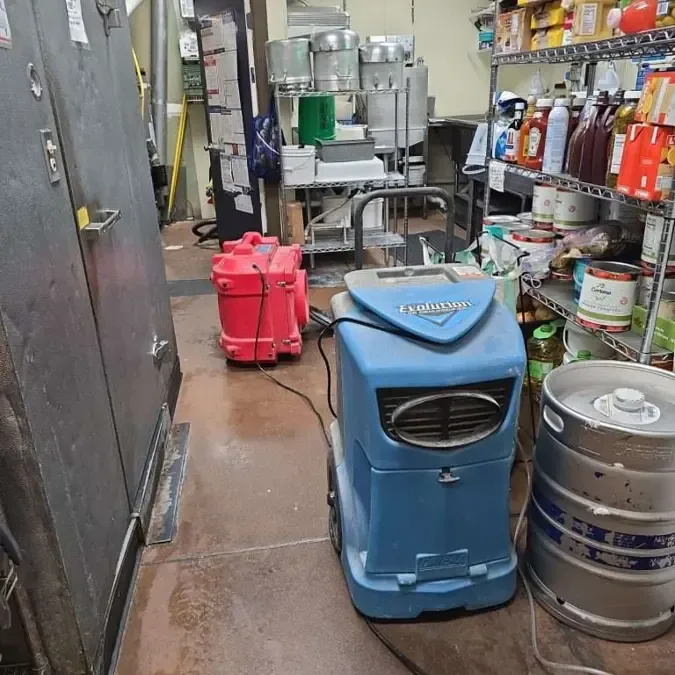
A commercial water loss creates competing priorities: preserving stock, protecting occupants and reaching the wet building materials. Norwood includes the Automile, a cluster of automobile dealerships on Route 1. Businesses in that setting and elsewhere need a cleanup scope that accounts for how the affected space is used. A storage room, customer area and service workspace may share a water event while needing different access controls and recovery decisions.
How commercial water damage proceeds
Establish scope and responsible access
The affected rooms, source status and business contact are identified together. Inspection maps the water path and the routes needed for equipment, while immediate hazards determine which areas must be kept separate.
Remove water and organize stock
Extraction proceeds alongside controlled contents handling. Inventory condition is documented, and items are moved according to exposure and access needs so building surfaces can be examined without mixing wet goods with unaffected stock.
Clean and dry the building
Necessary material removal exposes retained components for treatment. Equipment placement accounts for partitions, shelving and safe traffic routes, with moisture checks used to assess whether each work area is responding as intended.
Hand over area specific findings
The final record identifies completed treatment and remaining repairs by affected space. Any continuing restrictions are explained to the business contact so the next operational decisions reflect the actual condition of the building.
Separate the loss into workable areas
The first assessment establishes where water traveled and which activities depend on those rooms. A business on University Avenue may need to preserve an unaffected entrance while equipment reaches a rear workspace. Traffic routing should be decided before hoses and removed contents occupy the same path. The plan also identifies who can authorize work and how building access will be maintained during monitoring.
- Identify occupied areas that can remain separate from the wet zone and any route that crosses an active cleanup space.
- Record inventory and equipment exposure before items are moved, keeping the building damage record distinct from the stock inventory.
- Clarify access arrangements for locked rooms, delivery areas and the locations that require repeat moisture checks while equipment operates.
Business equipment may need assessment by its own specialist after contact with water. Restoration handles the affected interior, but it should coordinate with those decisions so unsuitable equipment is not returned to service casually. Contents movement also needs to preserve the view of wet wall bases and floor edges. Stacking stock against a damp partition can obstruct both drying and inspection.
Build the drying plan around the actual use
Partitions, shelving and dense storage can restrict airflow. Some fixtures may need repositioning, while others require selective access around them. The material inspection establishes what can be retained and where removal is necessary. A practical plan explains equipment placement, noise and access restrictions to the business contact so the active work area remains understandable to staff throughout the cleanup.
Reopening is a series of condition based decisions rather than a single promise made at the start. An unaffected office may be usable while a connected storage space remains under treatment. Structural drying addresses retained components, and water removal handles accessible liquid. The business needs a clear account of which stage each affected area has reached.
- Keep clean inventory out of equipment discharge paths and away from wet surfaces being monitored.
- Document any change to work boundaries so staff understand which entrances and rooms remain restricted.
- Separate cleanup completion from repairs to finishes, machinery or stock management systems affected by the event.
Describe the business areas affected and the operations that rely on them. A clear access picture helps organize the water damage assessment around staff, stock and the building.
(888) 480-6221Review the business interruptionKeep operations subordinate to safe access
Employees and customers should not cross standing water, exposed wiring or a room beneath unstable ceiling material. Wet machinery and electrical devices require appropriate assessment before use resumes. Temporary traffic routes must remain clear of hoses, cords and debris. Contaminated water adds handling restrictions that ordinary business cleaning cannot replace. Staff should not relocate restoration equipment to make room for stock without discussing the effect on treatment. The work plan needs a responsible contact who can communicate changing access conditions and keep routine activity outside the active cleanup zone until the space is suitable for use.
Leave an organized record for the business
Photographs, inventory notes and moisture records explain different parts of the loss. Keeping them organized helps the owner discuss building repairs and contents decisions without blending every cost into one description. The final handoff should identify treated areas, remaining restrictions and separate repairs. That information supports a controlled return to normal use and gives the next repair task an explicit starting condition.
For general household precautions, see Ready.gov flood safety and the EPA household leak checks.
What does commercial water damage cost in Norwood, MA?
Commercial cleanup estimates in Norwood vary with interior size, inventory handling and access complexity. The scope should distinguish building restoration from equipment repair, stock losses and later finish work across the affected business areas.
Contained commercial room
$3,000 to $6,000
- Defined work boundary
- Limited stock movement
- Focused building treatment
Several rooms or stock areas
$6,000 to $12,000
- Multiple operational spaces
- Expanded inventory handling
- Broader equipment distribution
Large or complex interior
$12,000 to $20,000+
- Extensive access coordination
- Complex material removal
- Several monitored drying zones
These ranges are estimates only. Water category, square footage, material class and the delay before drying affect the scope. The water damage cost calculator compares those variables before a property assessment.
What shapes the commercial water damage plan
Business access understood
The assessment identifies entrances, working areas and rooms needed for equipment. Planning around those details helps establish safe movement and keeps unaffected operations separate from the active water damage cleanup zone.
Inventory recorded separately
Wet goods and business equipment require their own condition records alongside the building assessment. That distinction helps explain handling decisions and prevents the interior restoration scope from obscuring separate contents or machinery issues.
Treatment zones made clear
Water can affect customer, staff and storage areas differently. Defined work boundaries connect the drying setup with the actual building layout and make restrictions easier to communicate as conditions change during cleanup.
A useful operational handoff
Completion notes describe the areas treated and any repairs or access limits remaining. The business contact can then coordinate reopening decisions and subsequent work with an account of the interior condition after restoration.
Commercial water damage coverage in Norwood
Commercial assessment covers 02062 businesses on the Automile, Route 1 and University Avenue. The initial conversation should identify affected work areas, stored goods, available entrances and any operations that depend on access through the wet space.
The same service nearby: commercial water damage in Roslindale, Hyde Park, Brookline.
Related water damage services in Norwood
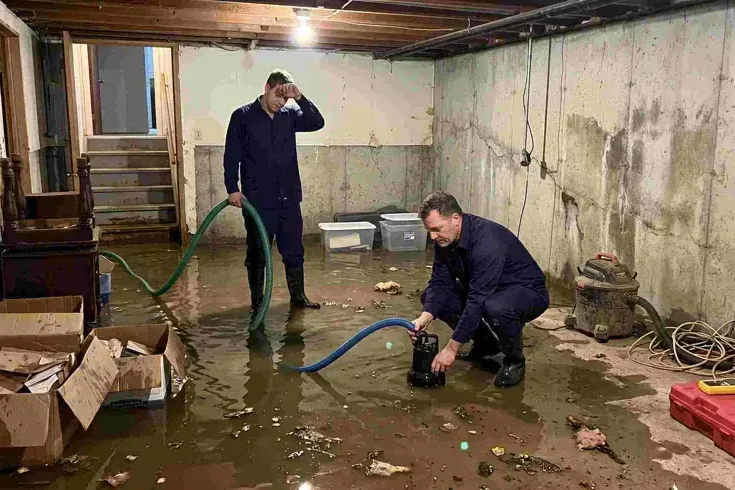
Water Extraction and Removal
Pumps remove pooled water while extraction tools reach carpet, floor joints and low spots.
Service details ›
Structural Drying
Material readings determine equipment placement and the end of the drying phase.
Service details ›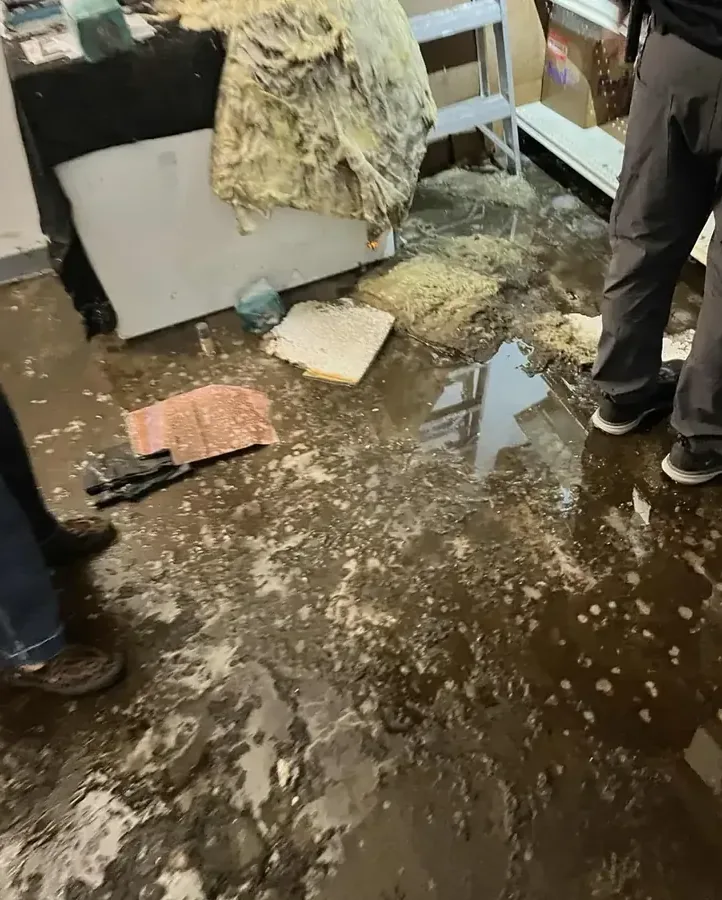
Sewage Backup Cleanup
Containment separates contaminated rooms while crews remove sewage-soaked porous finishes.
Service details ›Commercial Water Damage questions
Can a business operate while cleanup proceeds?
Some activity may continue if unaffected spaces and safe access can be maintained separately from the work. Electrical conditions, contamination, equipment routes and overhead hazards all influence that decision. The business contact should discuss each operational area with the assessment team. A room being usable for storage does not automatically make an adjoining customer route suitable to reopen.
How should wet inventory be documented?
Photos and an organized inventory should describe the goods, their condition and where they were located when affected. That record is separate from the building material assessment. Handling and disposal decisions should follow safe procedures and relevant business needs. Keeping stock records distinct helps the owner explain contents exposure without losing the details of removal and drying performed on the interior.
Who decides whether machinery can run again?
Water affected machinery may need evaluation by an appropriate equipment or electrical professional. Machine operation needs its own safety assessment before the business resumes using the equipment. The business should coordinate those evaluations with restoration access, especially where equipment blocks wet flooring or walls. The scope needs to make clear which tasks concern the building and which concern the operational equipment.
Why might shelving need to move during drying?
Shelving can hide wet wall bases or obstruct airflow along a damp surface. Moving it may provide inspection and treatment access, but the contents and handling route need planning first. Some fixtures may stay if the affected materials remain reachable. The decision should be tied to the water path and the drying approach rather than general room clearing.
What information helps arrange the first assessment?
Useful details include the water source, affected departments or rooms, visible hazards and the entrances available for equipment. The business should also identify a contact who can authorize access and explain any locked areas. That information helps organize the visit around the actual layout and operational constraints while the interior damage is being evaluated.
Will a single estimate cover every business loss?
The estimate should explain its scope rather than assume all losses are included. Building removal, cleaning and drying differ from damaged inventory, machinery repair and interruption of normal activity. Those categories may need separate records or specialists. An itemized restoration scope helps the owner understand what work is being proposed and which related issues still need their own assessment.
What should staff know about running equipment?
Staff should know the work boundaries, which routes remain available and who to contact about access problems. Equipment should not be unplugged or moved without coordination because that can change the drying environment. Wet rooms, opened finishes and cords need appropriate separation from ordinary traffic. Clear communication helps maintain both treatment progress and a safer workplace during the recovery period.
Give each affected workspace a recovery plan
Discuss removal, drying and remaining restrictions by room so operational decisions follow the actual progress of the interior cleanup.
(888) 480-6221Plan the commercial cleanup areas