Sewage Backup Cleanup Norwood, MA
A drain overflow changes how an affected room can be entered and cleaned. Sewage cleanup starts with separation, source coordination and decisions about the porous materials that absorbed the discharge.
(888) 480-6221Discuss a backed up drain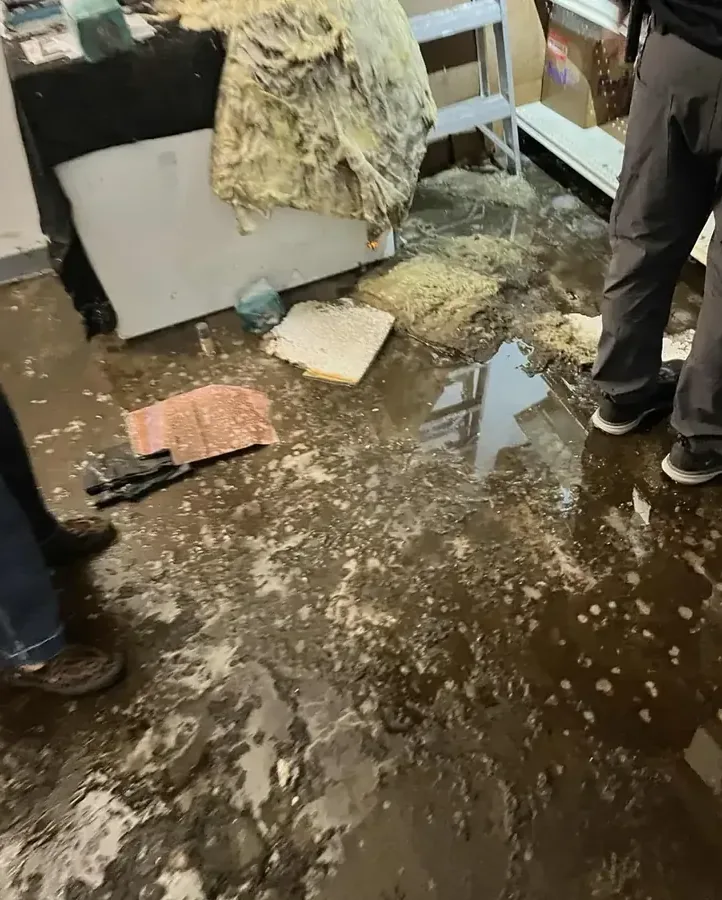
A backed up drain can leave a deceptively small patch of visible water while contaminating a much larger route through the room. Footwear, stored possessions and absorbent finishes all affect the cleanup boundary. Sewage backup cleanup in Norwood therefore begins with a controlled work area and a clear description of the source. The plumbing fault needs correction, and the contaminated interior needs its own removal, cleaning and drying scope before ordinary use resumes.
How sewage backup cleanup proceeds
Establish contamination controls
The source, occupied areas and movement routes are reviewed together. Access restrictions are set around the affected surfaces and contents so cleanup can proceed without extending the exposure into other rooms.
Remove water and damaged materials
Contaminated liquid is collected and unsalvageable porous materials are removed using controlled handling. The revealed surfaces are inspected for additional exposure that was concealed behind finishes or beneath stored belongings.
Clean the retained interior
Affected accessible surfaces receive appropriate cleaning after debris removal. The work addresses the contact area and its edges, while source repair coordination helps protect the cleaned space against a repeated backup.
Dry and record conditions
Retained materials are assessed for moisture and dried under controlled conditions. The resulting record identifies treatment completed, materials removed and remaining reconstruction tasks before the room returns to its intended use.
Set a boundary before moving contents
At a property on Washington Street, the shortest path to the affected bathroom may cross an otherwise usable room. That path needs planning before wet items are carried through it. Cleanup separates affected materials from clean storage and identifies the route for removing debris. The boundary is based on where the discharge traveled and what it touched, including places hidden beneath rugs or movable furniture.
- Close access to the affected room so children, pets and unnecessary foot traffic do not spread contamination into adjoining spaces.
- Identify porous items that absorbed sewage and keep them apart from belongings awaiting a different cleaning or salvage decision.
- Record wet surfaces and contents before removal when safe access allows documentation without delaying necessary control of the contaminated area.
The condition of a material matters more than whether its outer face looks washable. Carpet backing, insulation and damaged wallboard can retain contamination where surface wiping cannot reach. The scope should explain why a material is being removed or retained. Sound accessible surfaces can then receive the cleaning appropriate to their exposure before the drying setup is established.
Separate drain repair from interior recovery
A drain professional addresses the blockage or other fault causing the backup. Restoration addresses what the discharge left inside the property. For a business on University Avenue, those tasks may need coordination with room closures and staff access. Resuming use of a fixture before the source has been assessed can put newly cleaned surfaces at risk of another overflow.
After removal of contaminated debris, cleaning reaches the accessible affected surfaces rather than just the visible outline of the spill. Moisture measurements then help establish the drying need in retained components. An adjoining room near Windsor Gardens would be assessed for actual contact and water travel, with treatment extending where necessary instead of assuming the doorway kept everything separate.
- Map the discharge path around partitions and beneath objects that can conceal a wider wet area.
- Keep contaminated debris handling separate from equipment and belongings destined for clean occupied rooms.
- Document the condition of retained materials before they are covered by replacement finishes.
Describe the overflowing fixture and the rooms the discharge reached. Access planning starts with keeping the contaminated space apart from occupants and unaffected belongings.
(888) 480-6221Explain the drain overflowDo not turn cleanup into wider exposure
Occupants should avoid direct contact with sewage and stay outside the affected space. Household fans can spread material from dirty surfaces, so they should not be aimed across an untreated spill. Wet electrical equipment adds another reason to restrict entry. Cleaning chemicals should never be mixed, and fragrance cannot make contaminated materials suitable to keep. A blocked fixture should remain unused while its cause is addressed. Anyone moving through a necessary access route needs appropriate protection and handling procedures; routine household cleanup is not a substitute for controlling a sewage contaminated work area.
Reopen the space in the right order
Drying is a later step, following the removal and cleaning needed for the exposure. The owner should receive a summary of discarded materials, treated surfaces and remaining repairs. When the wet area includes a lower room, basement water removal may also be part of the physical work, but the sewage source governs the cleaning precautions throughout. Reoccupation decisions should account for the complete condition of the room.
For general household precautions, see Ready.gov flood safety and the EPA household leak checks.
What does sewage backup cleanup cost in Norwood, MA?
Sewage cleanup costs in Norwood depend on contaminated surfaces, porous material removal and safe handling access. Planning ranges increase as the affected area spreads into additional rooms or concealed building layers.
Contained bathroom area
$2,000 to $4,000
- Fixture area exposure
- Limited porous removal
- Focused surface cleaning
Several contaminated rooms
$4,000 to $7,000
- Wider handling routes
- More affected finishes
- Expanded drying needs
Extensive concealed spread
$7,000 to $10,000+
- Hidden contamination access
- Complex debris handling
- Broader interior treatment
These ranges are estimates only. Water category, square footage, material class and the delay before drying affect the scope. The water damage cost calculator compares those variables before a property assessment.
What shapes the sewage backup cleanup plan
A controlled work boundary
The affected zone is separated from normal activity before contaminated contents move. This reduces unnecessary contact and gives the cleanup a defined route for equipment, removed finishes and disposal handling.
Material specific decisions
Porous finishes and washable surfaces require different treatment after sewage exposure. The scope explains the removal decisions and identifies which retained components need thorough cleaning before moisture reduction can proceed.
Drain fault coordination
A working drain is essential to keeping the restored area usable. Communication about the source correction helps avoid restarting fixtures while the interior cleanup is still vulnerable to another discharge.
Records of the affected area
Photographs and removal notes connect the original exposure with the work performed. The owner can see what was discarded, what remained and which repairs follow the cleaning and drying stages.
Sewage backup cleanup coverage in Norwood
Sewage cleanup assessment is available for properties in 02062 around Washington Street, University Avenue and Windsor Gardens. The first description should identify the overflowing fixture, affected rooms and any route connecting them to occupied spaces.
The same service nearby: sewage backup cleanup in Roslindale, Hyde Park, Brookline.
Related water damage services in Norwood
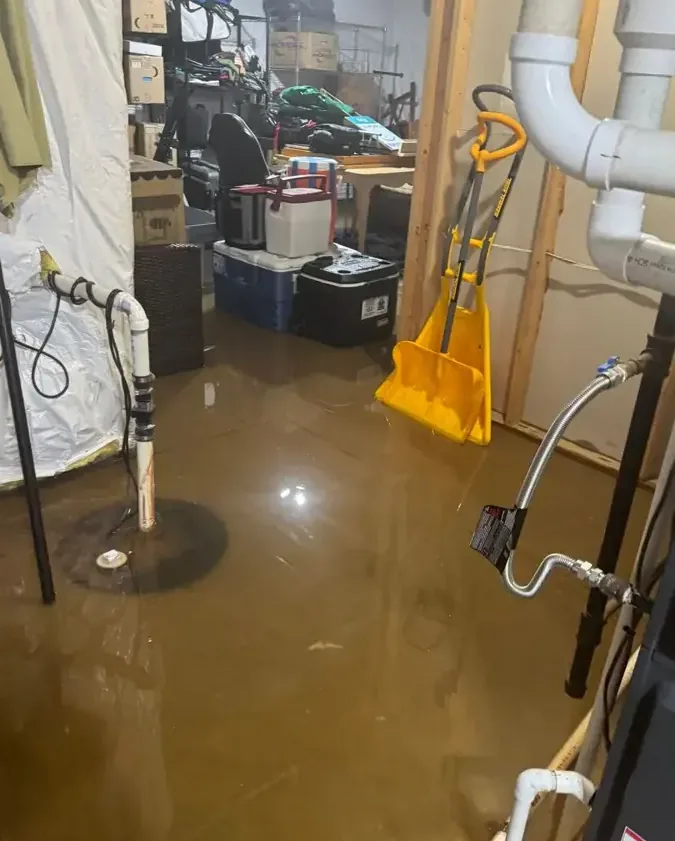
Basement Water Removal
Below-grade extraction starts with electrical clearance and the actual water entry route.
Service details ›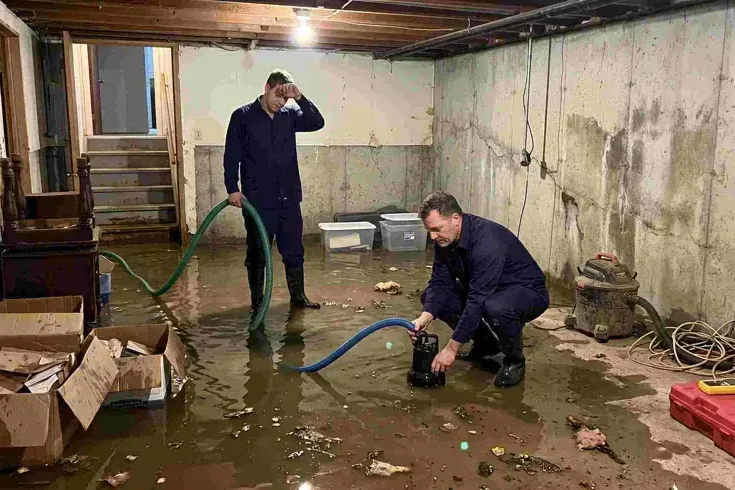
Water Extraction and Removal
Pumps remove pooled water while extraction tools reach carpet, floor joints and low spots.
Service details ›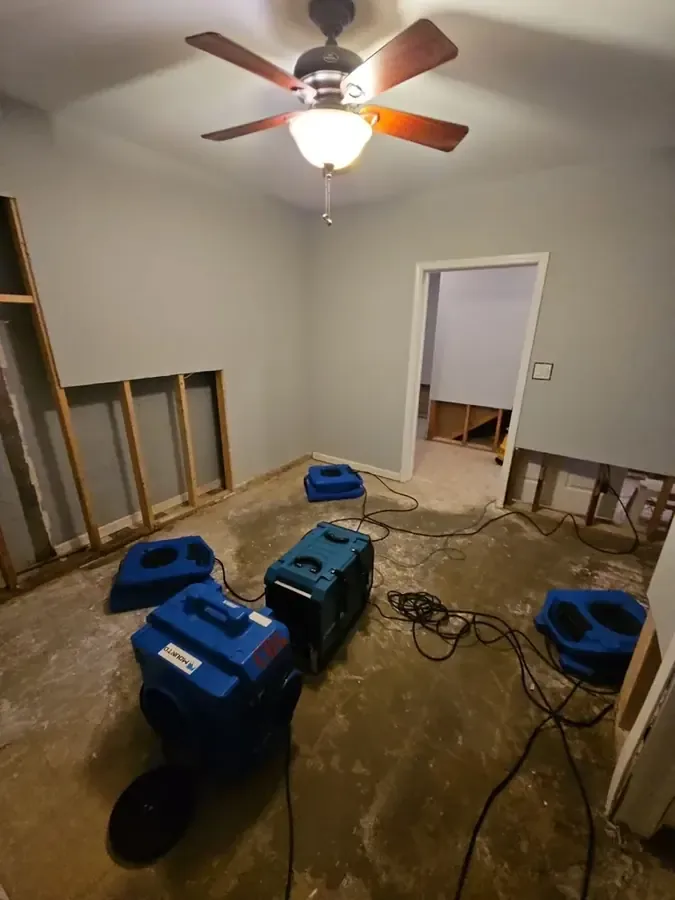
Structural Drying
Material readings determine equipment placement and the end of the drying phase.
Service details ›Sewage Backup Cleanup questions
Is clear looking drain water safe to touch?
Water from a backed up drain requires contamination precautions even when its appearance seems clear. Its source and contact history determine the precautions. Occupants should keep away from the affected area and describe which fixture overflowed. A cleanup assessment can then establish the boundary and material decisions without relying on the color or odor of the discharge.
Can carpet be kept after sewage exposure?
Porous carpet systems can hold contamination in backing and underlay where surface cleaning cannot reach effectively. Their condition and exposure need assessment, and removal may be required. The scope should state the reason for the decision. Keeping a carpet solely because its visible face looks cleaner can leave affected material concealed beneath it.
Should the bathroom be used during cleanup?
A fixture involved in a backup should remain out of use until the source problem has been addressed and its use is appropriate. Additional discharge can spread contamination or rewet a cleaned area. Occupants also need to respect the work boundary, which may include the route between the bathroom and other affected rooms.
Does pumping the water finish sewage cleanup?
Liquid removal is only part of the work. Affected debris and porous materials need decisions, retained surfaces require cleaning, and moisture may remain inside the building. Drying follows those contamination related steps. An estimate that describes only pumping would leave important questions about contact surfaces, concealed exposure and the room’s condition after the water disappears.
Can a household fan help clear the smell?
Air movement over untreated contaminated surfaces can spread material beyond the original area. Odor reduction also says little about whether cleaning is complete. The affected space needs controlled handling first. Once contaminated debris has been removed and retained surfaces treated, a drying setup can address moisture according to the condition of the remaining materials.
What records should precede disposal?
When safe conditions permit, photographs and an item inventory should show the affected belongings and finishes before they leave the property. Necessary contamination controls still take priority. Disposal notes help the owner understand which items were removed and why, and they provide a more useful record than a room photograph taken only after everything has gone.
Who fixes the drain that caused the backup?
The drain fault is addressed by the appropriate plumbing professional, while restoration handles the contaminated interior. The owner should have a clear scope for both tasks. Coordination is especially useful when the fixture remains active or several rooms are affected, because cleaning cannot remain effective if new sewage continues to enter the work area.
Make room recovery a controlled sequence
Request an assessment of contaminated surfaces, removal needs and drying after the source problem has received attention.
(888) 480-6221Discuss contamination cleanup