Sewage Backup Cleanup Hyde Park, MA
A backed up drain changes how a room can be entered and cleaned. Hyde Park sewage cleanup begins with controlling the cause, separating affected spaces and assessing everything the wastewater touched.
(888) 480-6221Discuss the sewage affected rooms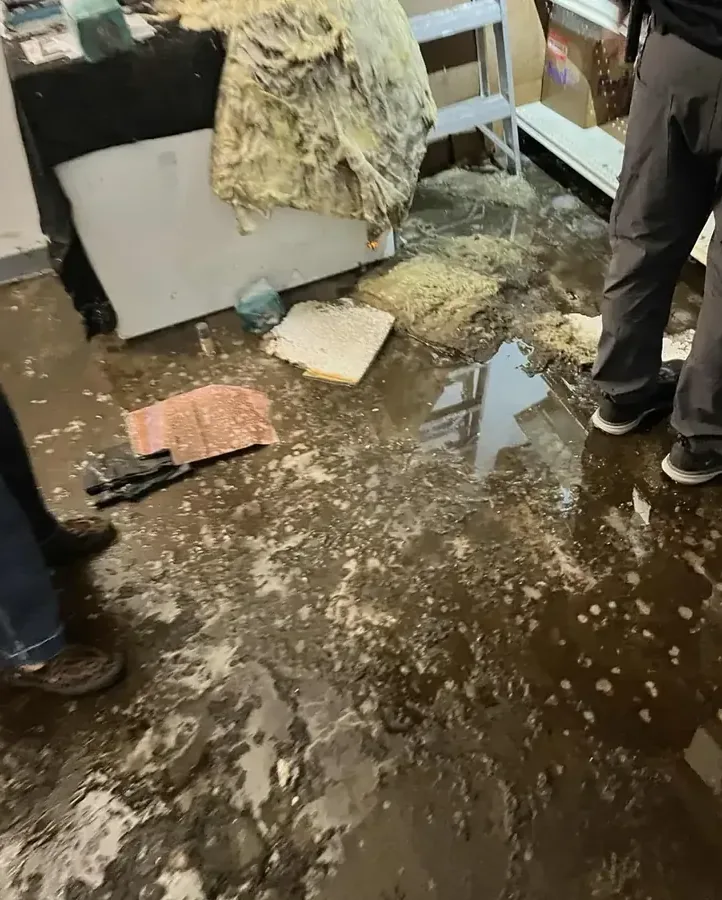
Sewage on a basement floor needs a different response from an ordinary spilled container of water. The contamination follows every surface the liquid reaches, including floor joints, wall bottoms and items stored nearby. Boston Water and Sewer Commission places sewer backup cleanup after resolution of the backup cause. For a Hyde Park property, that means the drain problem and contaminated interior must be handled in a coordinated sequence before the room returns to normal use.
How sewage backup cleanup proceeds
Resolve and isolate
The initial assessment identifies active backup conditions and establishes the affected area. Plumbing correction, safe access and occupancy restrictions are organized before cleanup personnel handle contaminated water or exposed interior materials.
Remove wastewater and losses
Controlled extraction and appropriate material removal reduce the contamination in the room. Exposed contents are assessed separately, with handling arranged to protect clean areas along the route through the property.
Clean accessible durable surfaces
Remaining surfaces receive suitable cleaning after debris and damaged absorbent layers are removed. Hidden edges and fixture bases need attention so visible floor cleaning does not leave untreated pockets behind.
Dry and document the structure
Equipment addresses moisture in the retained assembly once cleaning is complete. Material readings support closure, while the record identifies any drain repair, replacement finish or access issue that remains outside completed restoration.
Establish where wastewater traveled
A backup may begin at a low fixture and move beneath doors before discovery. The inspection should map the highest visible exposure and the hidden edges likely to have received water. Porous finishes require different decisions from durable cleanable surfaces. Contents sitting above the puddle can still be affected if their lower supports or packaging were in contact with wastewater.
- Keep footwear and equipment used in the contaminated area from carrying residue into dry living spaces.
- Identify carpet, padding and wall materials that absorbed wastewater rather than treating all finishes as cleanable surfaces.
- Record exposed belongings before removal, including the parts of shelving or furniture that contacted the floor.
Cleary Square is a business district. A contaminated commercial room there may affect stock, employee access and customer routes at the same time. Clean and affected zones should be clearly separated, with the work scope describing how waste materials and equipment will move through the building.
Address low fixtures and the cause of recurrence
Boston Water and Sewer Commission recommends backwater valves on plumbing fixtures below street grade. An appropriate plumbing assessment can consider that guidance alongside the cause of the actual backup. Restoration addresses the wastewater already released; the drain or fixture correction needs its own clear responsibility. Running a sink or flushing another fixture during an unresolved backup can add water to the problem.
River Street is a main street, and Readville is a section of the neighborhood. At properties in either area, cleanup decisions depend on interior exposure: whether the loss stayed on a hard floor, reached finished walls or entered storage spaces. A room with dense contents needs careful sorting and documentation so contaminated items are not mixed into unaffected storage.
- Remove unsalvageable absorbent materials through a controlled route that avoids spreading residue.
- Clean exposed durable surfaces before positioning the structure for its drying stage.
- Inspect beneath retained fixtures where inaccessible residue or moisture could remain after visible cleanup.
A wastewater release needs controlled access and a coordinated cleanup sequence. Describe the affected fixture, rooms and whether the backup is still active before anyone enters.
(888) 480-6221Assess wastewater exposureKeep occupants outside the contaminated area
Children, pets and unprotected occupants should not enter sewage affected rooms. Direct contact with wastewater and tracked residue creates avoidable exposure. Boston Water and Sewer Commission warns that sewage left in a home increases potential property damage and health problems. Powered household fans should not be aimed across untreated contamination, and electrical equipment should not be approached through standing water. A safe work plan establishes restricted access, appropriate protection and controlled removal. The professional assessment should also identify whether adjacent occupied rooms can remain separate from the cleanup route while work proceeds.
Dry the structure after cleaning
Cleaning removes the contamination load from suitable surfaces, but it does not automatically remove moisture from framing or floor assemblies. Boston Water and Sewer Commission identifies restoration to a dry state as an important cleanup step. Measured structural drying follows the retained materials, with readings documenting progress. The final record should identify the affected rooms, removed materials and completed cleaning work, along with any plumbing or finish repairs still needed before the space is put back into regular use.
For general household precautions, see Ready.gov flood safety and the EPA household leak checks.
What does sewage backup cleanup cost in Hyde Park, MA?
Sewage backup cleanup in Hyde Park depends on contamination spread, porous material removal and access. These estimated ranges describe cleanup complexity; the inspection separates plumbing correction and reconstruction from the restoration work.
Contained bathroom area
$2,000 to $4,000
- Limited exposed surfaces
- Controlled water removal
- Focused surface treatment
Several contaminated rooms
$4,000 to $7,000
- Expanded removal scope
- Multiple cleaning zones
- Additional drying access
Extensive concealed spread
$7,000 to $10,000+
- Hidden material exposure
- Complex contents handling
- Broader structural drying
These ranges are estimates only. Water category, square footage, material class and the delay before drying affect the scope. The water damage cost calculator compares those variables before a property assessment.
What shapes the sewage backup cleanup plan
Controlled work boundaries
A sewage loss needs a clear separation between affected rooms and clean areas. The plan identifies occupant restrictions, equipment routes and the handling of belongings before removal work changes the scene.
Material specific decisions
Absorbent finishes and durable surfaces cannot receive identical treatment. Inspection considers exposure, condition and access so the estimate explains which items can be cleaned and which require appropriate removal.
Source correction coordination
The backup cause must be addressed before cleanup can hold. Communication about drain repairs and fixture use helps prevent new wastewater from entering a room already undergoing cleaning or drying.
A complete cleanup record
Photographs, material descriptions and drying observations explain the restoration sequence. Those records help the owner understand the work and distinguish contaminated material removal from the later replacement of finished surfaces.
Sewage backup cleanup coverage in Hyde Park
Sewage cleanup assessment reaches Hyde Park homes and business interiors around River Street, Cleary Square and Readville, including 02136. Below grade fixtures, affected contents and safe access help define the initial work area.
The same service nearby: sewage backup cleanup in Roslindale, Brookline, Norwood.
Related water damage services in Hyde Park
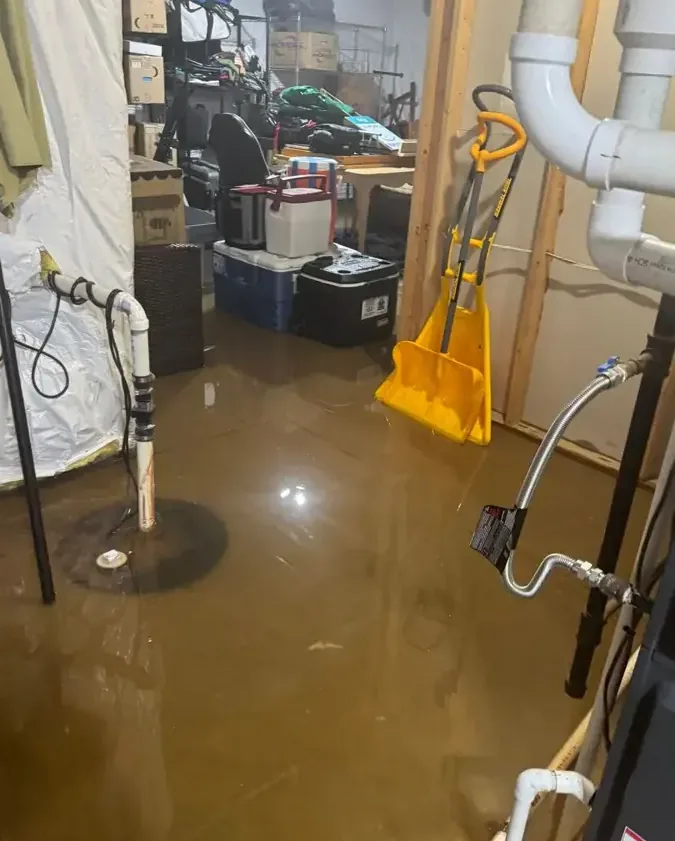
Basement Water Removal
Below-grade extraction starts with electrical clearance and the actual water entry route.
Service details ›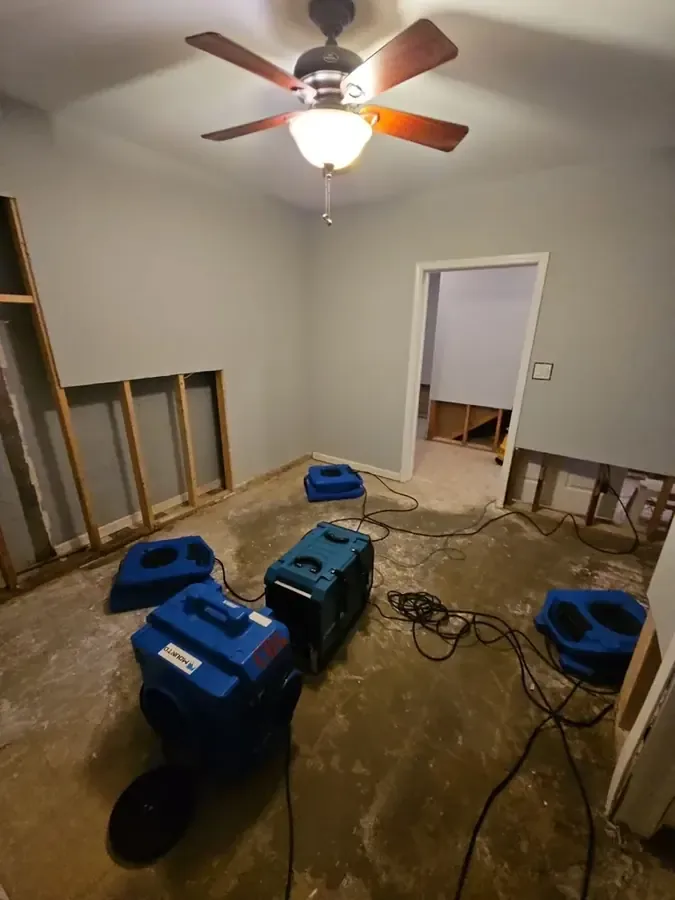
Structural Drying
Material readings determine equipment placement and the end of the drying phase.
Service details ›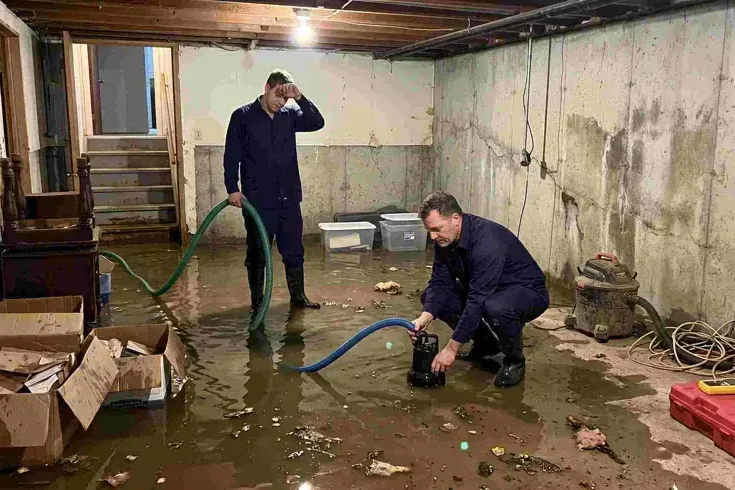
Water Extraction and Removal
Pumps remove pooled water while extraction tools reach carpet, floor joints and low spots.
Service details ›Sewage Backup Cleanup questions
Should occupants clean a sewage spill before help arrives?
Unprotected occupants should remain outside the affected area. Sewage can contaminate footwear, tools and adjoining rooms during improvised cleaning. The safer preparation is to restrict access, avoid using fixtures that may worsen the backup and document the visible condition from a clean position until the source and cleanup requirements have been assessed.
Why must the drain problem be corrected first?
Continued backup can recontaminate surfaces that have already been cleaned and add moisture to exposed building materials. Correcting the cause establishes a workable starting point for restoration. The drain repair and interior cleanup may involve different trades, so the scope should clearly identify the handoff and any restrictions on fixture use during the work.
Can carpet remain after contact with wastewater?
Wastewater exposure requires an assessment of the carpet, padding and underlying assembly. Absorbent materials can retain contamination beyond what surface cleaning reaches, so removal may be necessary. The decision should reflect the exposure and material condition, with documentation explaining what was removed and how the underlying floor will be cleaned and dried afterward.
What about belongings stored on shelves?
The evaluation follows contact rather than assuming an entire shelf is unaffected. Lower legs, boxes and stored objects may have touched wastewater even when upper shelves remained dry. Items should be documented and separated by exposure, material and cleanability. Contaminated belongings should not be carried through occupied rooms without a controlled handling plan.
Does odor removal mean sewage cleanup is complete?
Odor alone is not a reliable completion measure. The work needs to address contaminated materials, residue on accessible surfaces and moisture retained in the structure. A room can smell better while concealed wet layers remain. The final assessment should explain the cleaning performed and the drying condition of the materials left in place.
Can fans be used immediately after the backup?
Air movement should follow an appropriate contamination assessment and cleaning sequence. A household fan aimed across untreated wastewater can spread residue into adjoining areas. Professional equipment placement needs safe power and a controlled work zone. Once cleaning and necessary removal are complete, drying can focus on the retained structure without bypassing those earlier tasks.
What distinguishes the cleanup estimate from drain repair?
The cleanup estimate describes wastewater extraction, contaminated material handling, surface cleaning and structural drying. Drain repair addresses the cause of the backup, while rebuilding replaces removed finishes. Those tasks should be identified clearly so the owner can see what is included, what another trade must perform and how any newly discovered exposure changes the scope.
Restore a cleanable, dry interior
The assessment connects source correction with removal, surface treatment and drying of the materials that can remain in the property.
(888) 480-6221Arrange sewage damage assessment