Sewage Backup Cleanup in Brookline, MA
A drain backup changes how an affected room can be entered and cleaned. Brookline sewage cleanup separates contaminated surfaces from clean spaces before material removal and the drying of retained structure.
(888) 480-6221Arrange a sewage damage assessment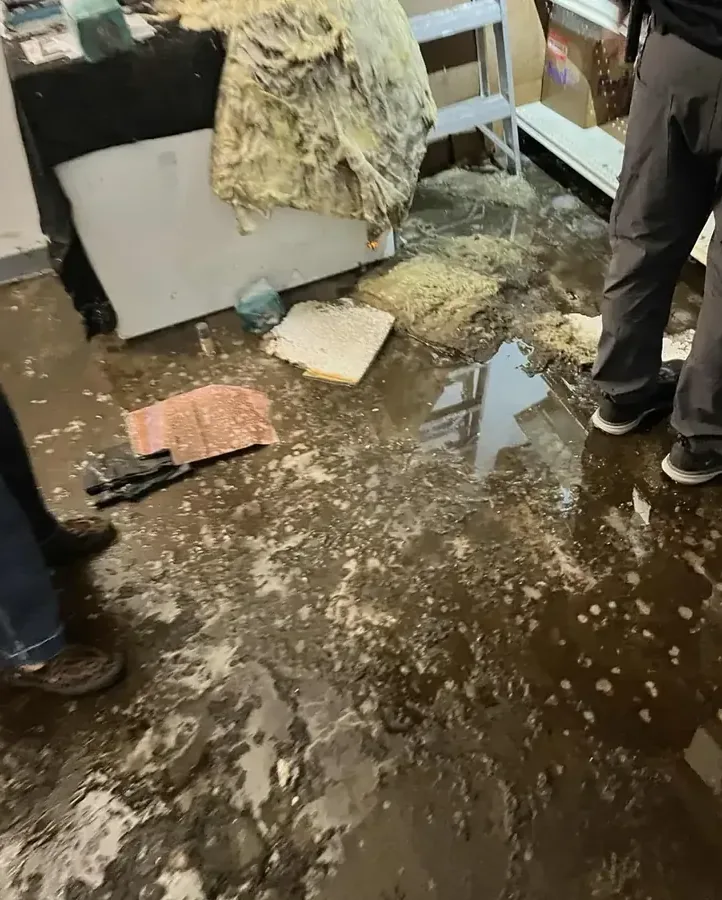
Sewage on a Brookline bathroom floor is more than a water pickup job. Footwear, stored belongings and ordinary air movement can carry contamination beyond the initial spill. The immediate priority is to keep the affected area separate while the source receives attention. Cleanup then follows the contact surfaces, including joints and porous finishes that may have absorbed water before the backup was discovered.
How sewage backup cleanup proceeds
Establish controlled entry
Assess the affected fixtures, water contact and safe access. Identify a removal route and protect clean areas before equipment, bags or damaged belongings move out of the contaminated space.
Remove unsuitable materials
Collect accessible sewage and address porous finishes that cannot be retained. Document the exposed edges and cavities so the scope follows the actual contact path through the room.
Clean retained building surfaces
Prepare suitable structural materials and hard surfaces using methods appropriate to the contamination. Inspect recesses and joints before drying equipment is arranged around the remaining wet assembly.
Check the restoration handoff
Assess moisture condition and source repair status before rebuilding begins. Preserve records of removed finishes, cleaned surfaces and inaccessible spaces that need further attention before the room is closed.
Contain the route between wet and clean areas
Many apartment buildings predate the 1924 zoning change, and large brick apartment buildings developed along the streetcar routes. A backup in a connected property may require coordination through a building manager before equipment or waste passes through shared space. At an apartment in Washington Square, the access plan should identify the affected room, the clean exit route and any adjoining unit requiring inspection.
- Keep occupants and pets outside the contaminated area instead of allowing repeated trips to retrieve belongings.
- Identify objects resting on the wet floor and photograph them before handling or disposal decisions.
- Arrange a controlled path for removal so contaminated material does not cross clean flooring without protection.
Stopping use of affected fixtures may limit further discharge while the drain problem is assessed. A plumber should determine the cause and required repair. Interior restoration then addresses the damage already present. Those responsibilities need to connect, because a cleaned floor can be contaminated again if the obstruction or failed component remains unresolved.
Make removal decisions by material and contact
Porous finishes can hold contaminated water beneath an intact looking surface. Carpet cushion, absorbent wallboard and similar materials need careful evaluation, with removal where they cannot be effectively cleaned. Hard surfaces and exposed structural components require cleaning appropriate to their condition. An affected home in Pill Hill needs that same material by material inspection rather than a decision based solely on the amount of visible sewage.
Edges matter. Water may enter a partition under base trim, collect behind a cabinet or reach the underside of stored contents. The inspection should extend beyond the obvious stain wherever the contact path continues. In Griggs Park properties, building access and room layout should be described at the first assessment so concealed recesses can be reached without unnecessary handling through unaffected rooms.
- Separate disposable porous finishes from retained structural surfaces in the written scope.
- Record contamination beneath floor coverings before the exposed area is cleaned.
- Evaluate the lower wall cavity where contaminated water has reached trim or openings.
Describe the affected fixtures and whether wastewater is still entering. Shared entrances and contaminated belongings are useful details when arranging a controlled assessment of the room.
(888) 480-6221Discuss contaminated room accessAvoid household cleanup that spreads contamination
Stay out of sewage water and keep the room closed to children and animals. Do not place a household fan in the spill or use an ordinary vacuum to collect it. Avoid mixing cleaning chemicals, and do not attempt to sanitize absorbent building materials with a surface spray. Electrical equipment near the wet floor needs professional assessment before entry. Handle damaged belongings only under an appropriate cleanup plan. If the backup continues, stop using the affected fixtures and arrange source assessment from a safe, uncontaminated location.
Drying starts with a properly prepared assembly
After unsuitable materials are removed and retained surfaces are cleaned, structural drying addresses the remaining moisture. Records should distinguish disposal, cleaning and drying work so the sequence is clear. Photographs of exposed cavities and the drain repair help connect the original backup with the finished scope. Rebuilding should wait until the retained assembly has been evaluated and any remaining source issue has been resolved.
For general household precautions, see Ready.gov flood safety and the EPA household leak checks.
What does sewage backup cleanup cost in Brookline, MA?
Sewage cleanup costs in Brookline reflect contamination spread, porous material removal and controlled access. The ranges below are estimates for restoration; drain repairs and replacement finishes should be identified separately in the proposal.
Contained bathroom area
$2,000 to $4,000
- Limited contaminated surfaces
- Accessible fixture area
- Focused material disposal
Several contaminated rooms
$4,000 to $7,000
- Broader removal route
- Multiple porous finishes
- Additional cleaning access
Extensive concealed spread
$7,000 to $10,000+
- Wet concealed cavities
- Complex waste handling
- Larger retained assembly
These ranges are estimates only. Water category, square footage, material class and the delay before drying affect the scope. The water damage cost calculator compares those variables before a property assessment.
What shapes the sewage backup cleanup plan
A defined contamination boundary
The affected room needs a clear separation from clean spaces. Entry routes and contents handling should be planned before workers begin moving wet material through the rest of the property.
Source work coordinated
Drain assessment and interior cleanup serve different purposes. The work plan should identify how the backup will be stopped while contaminated surfaces and damaged finishes are addressed inside.
Material decisions explained
A written scope should distinguish porous materials requiring removal from structural surfaces that can be cleaned. Photographs help show where the water made contact beneath apparently intact finishes.
Prepared surfaces before drying
Drying equipment belongs after appropriate removal and cleaning decisions. Retained assemblies still need moisture checks, but the sequence must address contamination before simply increasing airflow across the room.
Sewage backup cleanup coverage in Brookline
Sewage assessments include properties in Washington Square, Pill Hill and Griggs Park. Mention affected fixtures, shared entrances and any rooms that occupants must cross so access planning can protect the remaining clean interior.
The same service nearby: sewage backup cleanup in Roslindale, Allston, Hyde Park.
Related water damage services in Brookline
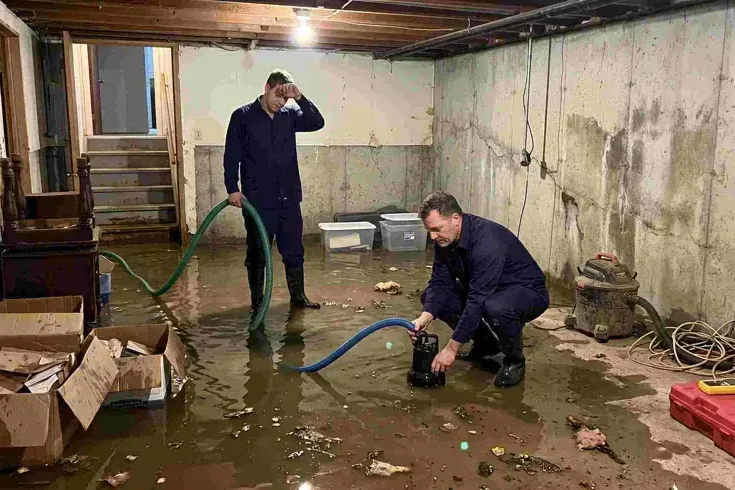
Water Extraction and Removal
Pumps remove pooled water while extraction tools reach carpet, floor joints and low spots.
Service details ›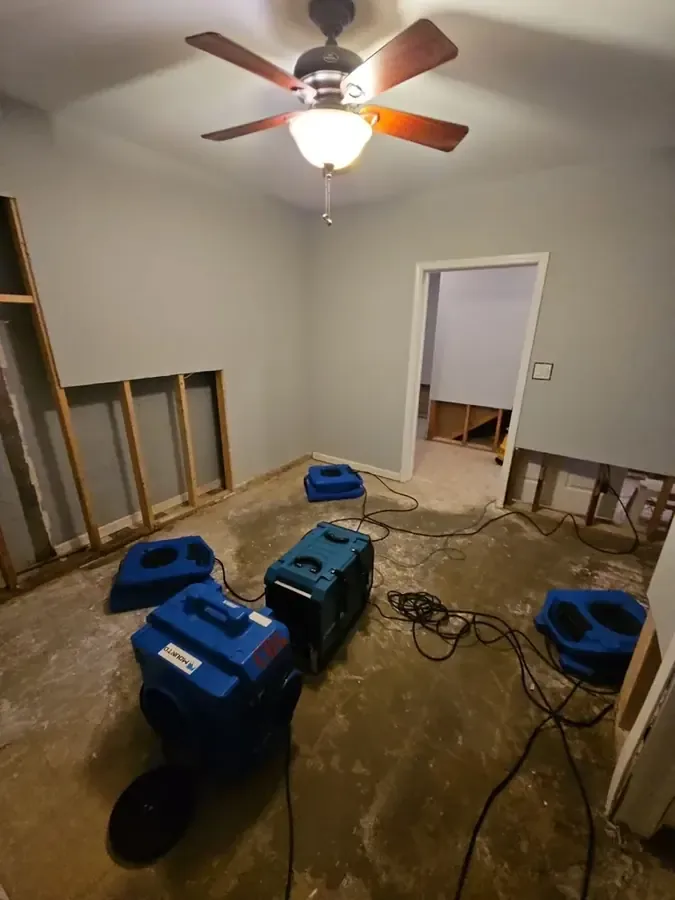
Structural Drying
Material readings determine equipment placement and the end of the drying phase.
Service details ›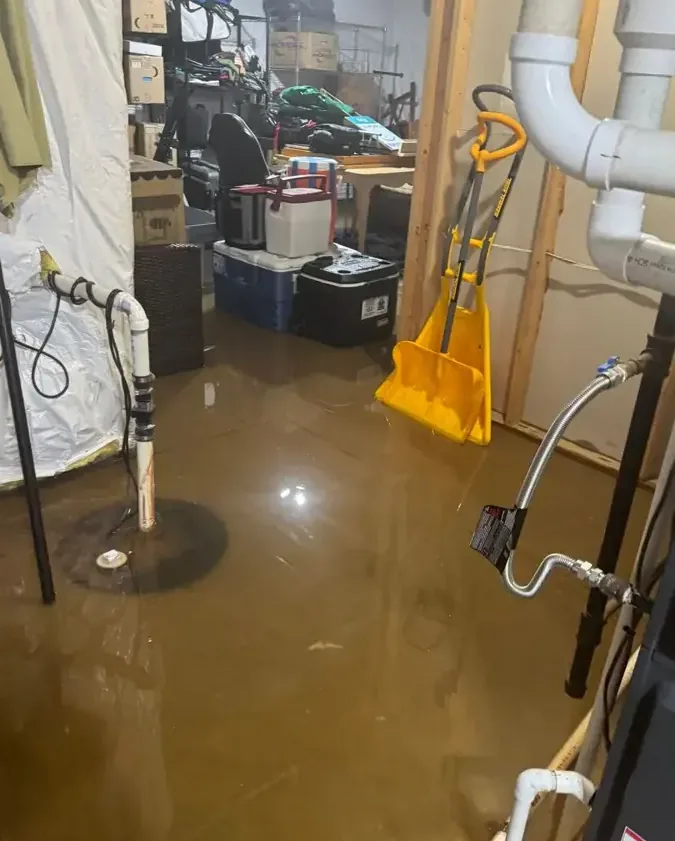
Basement Water Removal
Below-grade extraction starts with electrical clearance and the actual water entry route.
Service details ›Sewage Backup Cleanup questions
Can a backed up bathroom be used after the water recedes?
The absence of pooled water does not make the room ready for use. Residue can remain on floors and inside absorbent materials. Access should stay restricted until the contamination and source problem have been assessed. Cleanup needs to address the surfaces contacted by sewage before routine use of the room resumes.
Why is a household fan a poor first step?
Air movement across contaminated water can spread material beyond the original contact area. Drying should follow a controlled cleanup sequence that includes removal and surface preparation. Until that plan is established, the affected room should remain separate from clean spaces, with ordinary fans and household cleaning equipment kept outside the spill.
Does fixing the drain include cleaning the damaged room?
Drain repair addresses the cause of the backup. Restoration handles contaminated surfaces, damaged finishes and retained moisture inside the building. The estimate should identify those tasks separately. Coordinating both is necessary so cleanup does not finish while an unresolved obstruction can send additional wastewater into the same room or adjoining space.
Can wet wallboard remain if only its bottom edge touched sewage?
The lower edge can absorb contaminated water into material that cannot be effectively cleaned from the surface. Inspection should determine how far that contact extends and what needs removal. A narrow visible mark is not a reliable boundary for disposal, especially when water entered the cavity beneath trim or through floor joints.
How should damaged contents be recorded?
Photograph affected belongings from a safe position and record what they are, where they were stored and the visible condition. Keep purchase records when available. Avoid moving contaminated contents into clean rooms for closer inspection. The handling and disposal plan should preserve useful documentation while limiting the spread of residue.
What changes when a shared entrance is involved?
The cleanup route needs coordination with building management and protection for unaffected occupants. Equipment placement, waste movement and access to adjoining units should be arranged before removal starts. A shared hallway should not become an uncontrolled extension of the contaminated room simply because it is the most convenient route outside.
When can new finishes be installed?
Rebuilding follows source correction, removal of unsuitable contaminated materials, cleaning of retained surfaces and moisture evaluation. The completion record should identify each of those stages. New finishes should not conceal an unresolved wet cavity or be used to cover surfaces that have not received the necessary contamination assessment and preparation.
Restore a safe cleanup sequence
A defined boundary, source repair and documented material decisions establish the path from sewage removal to drying and interior repairs.
(888) 480-6221Arrange the sewage cleanup scope