Water Extraction and Removal in Brookline, MA
Standing water can move through flooring seams while the visible pool stays small. Brookline water extraction begins with a safe route into the room and an assessment of where the water came from.
(888) 480-6221Discuss the pooled water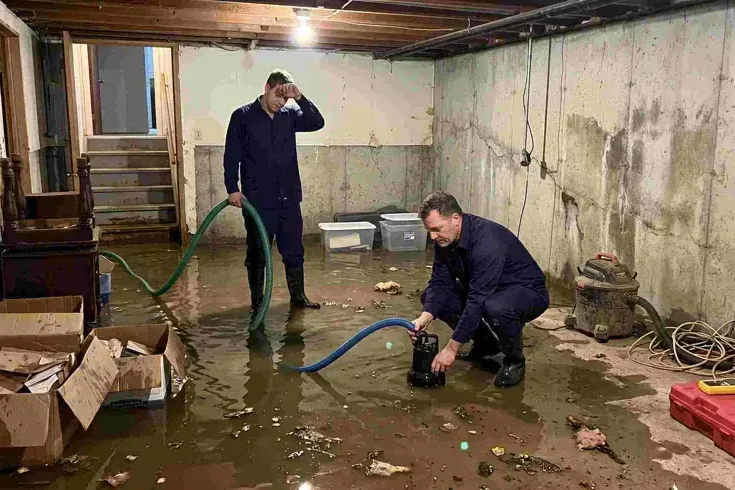
A pool across a Brookline room can hide the boundary between wet and dry flooring. Water moves beneath loose coverings, reaches the underside of furniture and collects along wall edges. Extraction addresses that accessible water first, but the work also needs to establish its source. An indoor supply release, rainfall entry and river flooding require different handling even when each leaves the same visible sheen across the floor.
How water extraction and removal proceeds
Survey the collection points
Inspect the water entry, lowest collection areas and connected rooms. Establish safe access and identify materials that need removal before extraction equipment can reach the affected surface.
Recover accessible water
Use removal equipment appropriate to the observed depth and flooring. Work across the wet perimeter while checking recesses where furniture or fixed finishes can conceal additional standing water.
Inspect the exposed assembly
Look at backing, subfloor edges and wall bases after water pickup. Record swelling, separation or contamination that changes whether a material can stay during the drying stage.
Transfer into measured drying
Set out the affected material map and initial readings for the next stage. Any area that remains inaccessible needs a plan before cleanup can be considered fully scoped.
Start with the route into the room
The Muddy River and Leverett Pond overflowed onto roads, stations and buildings in October 1996. Rainfall that exceeds ground and drainage absorption is another route to indoor flooding. At a particular property, inspection should identify entry points and the condition of the water before equipment is moved through clean areas. A wet room near Olmsted Park still needs its own source assessment and material survey.
- Record whether water continues to enter at a doorway, floor joint, fixture or opening in the wall.
- Identify electrical equipment and any unstable finishes that prevent safe access to the extraction area.
- Check the adjoining room and the opposite side of a wet partition for water beyond the original pool.
Water depth affects equipment selection, while floor condition affects how the tool can contact the surface. Broad open areas and narrow cabinet recesses may need different removal methods. The inspection should mark those differences so an apparently cleared room does not retain a wet pocket beneath an inaccessible edge or heavy furnishing.
What removal can leave behind
Large brick apartment buildings developed along the streetcar routes. In connected interiors, accessible water removal may need coordination with a lower unit or a shared entrance. Wet floor layers can continue releasing moisture after the surface water has disappeared. Extraction should therefore lead into an inspection of the assembly rather than a decision based only on whether shoes remain dry.
Carpet backing, flooring joints and wall bases all deserve attention when they lie along the water path. Salvage decisions depend on water condition and material damage. Where layers trap moisture, selective lifting or removal can create access for drying. Structural drying addresses that remaining moisture once the accessible water has been removed.
- Check beneath movable contents before returning them to a surface that has just been extracted.
- Inspect thresholds where water can enter another room without leaving an obvious puddle.
- Document finishes that separate, swell or lose strength so repair decisions remain specific to the affected material.
Describe the depth, visible entry point and rooms affected by standing water. Those details help establish the access and source checks needed before extraction starts.
(888) 480-6221Assess the standing waterKeep the extraction route safe
Do not enter standing water around outlets, electrical panels or powered equipment. Shutoff work should be handled from a safe location by an appropriate professional. Occupants should also stay clear of sagging ceilings and unstable flooring. Household vacuums are not suitable for water pickup, and an ordinary fan should not be placed in potentially contaminated water. Keep children and pets outside the affected area. If the source may involve sewage or outside flooding, avoid carrying wet belongings through clean rooms until a controlled handling route has been established.
A useful record after the water recedes
Photographs should show the initial pool, its apparent entry point and the materials exposed during cleanup. A room map can connect those observations with later moisture readings. Keep the source repair invoice separate from extraction and drying charges so the scope is easy to follow. Before equipment is removed, the remaining wet layers need an identified drying plan, and any space that could not be inspected should have a clear access arrangement.
For general household precautions, see Ready.gov flood safety and the EPA household leak checks.
What does water extraction and removal cost in Brookline, MA?
Water extraction in Brookline is priced around access, the amount of pooled water and affected finishes. These ranges are planning estimates; contaminated materials or concealed wetting can require a broader written cleanup scope.
Small accessible spill
$500 to $1,200
- Open floor access
- Limited water collection
- Nearby edge checks
Several wet rooms
$1,200 to $2,500
- Connected floor areas
- Additional hose handling
- Wider material inspection
Deep or difficult water
$2,500 to $3,500+
- Restricted removal access
- Deeper collection points
- Complex handling needs
These ranges are estimates only. Water category, square footage, material class and the delay before drying affect the scope. The water damage cost calculator compares those variables before a property assessment.
What shapes the water extraction and removal plan
A mapped wet perimeter
The inspection should follow the floor beyond the obvious pool, including thresholds and cabinet edges. Marking the perimeter helps explain why adjoining materials belong in the cleanup scope.
Equipment suited to access
Tool selection should account for water depth, surface condition and the route through the property. Hoses and equipment need placement that preserves safe passage beside the work area.
Separate water conditions
Outside floodwater and an indoor supply spill call for different handling. Identifying the source supports decisions about cleaning, material removal and protection of rooms that remain dry.
A drying handoff
An extracted floor still needs moisture evaluation. Written findings should identify remaining wet layers, any selective opening needed and the next steps before replacement finishes return to the room.
Water extraction and removal coverage in Brookline
Extraction planning covers Coolidge Corner, Beaconsfield and Fisher Hill properties. Share the affected floor, entrance arrangements and any blocked rooms so the inspection can account for practical access to the pooled water.
The same service nearby: water extraction and removal in Roslindale, Allston, Hyde Park.
Related water damage services in Brookline
Structural Drying
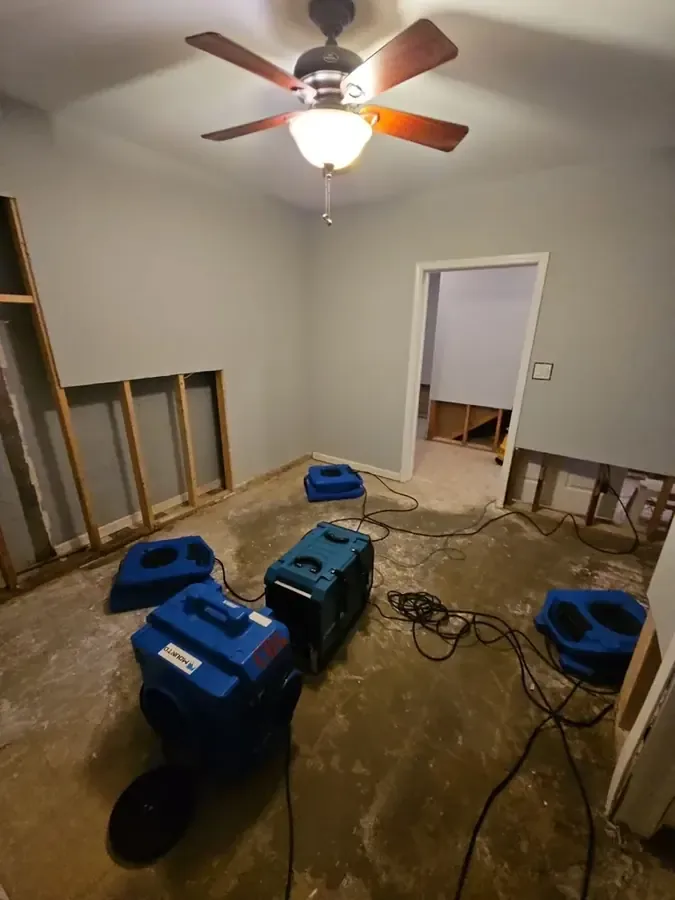
Material readings determine equipment placement and the end of the drying phase.
Service details ›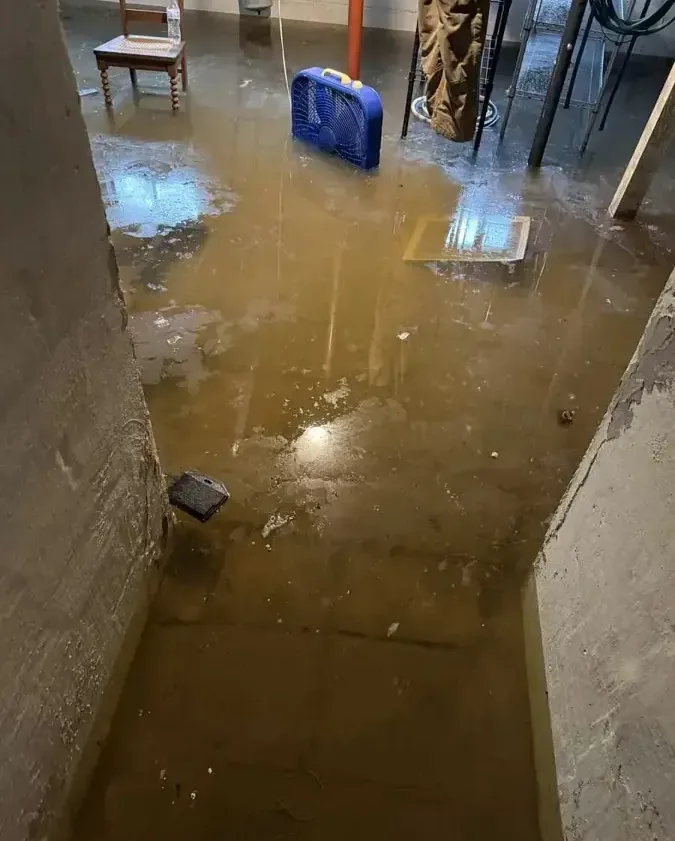
Storm and Flood Cleanup
Runoff brings a different cleaning problem from water released by a household pipe.
Service details ›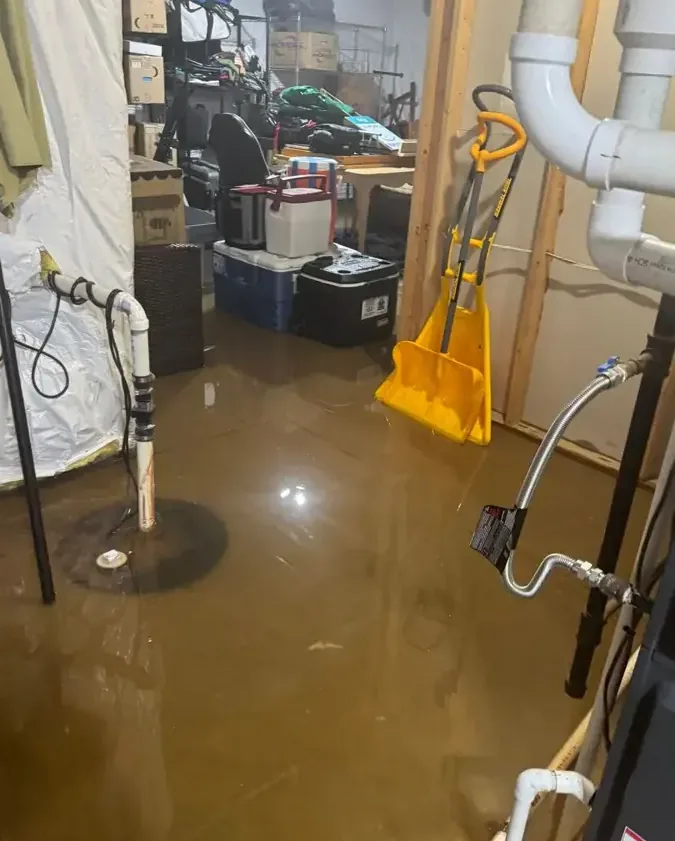
Basement Water Removal
Below-grade extraction starts with electrical clearance and the actual water entry route.
Service details ›Water Extraction and Removal questions
Can extraction start while water is still entering?
The active source needs attention alongside removal. Otherwise a cleared area can refill and continue wetting adjoining materials. A safely accessible supply shutoff may help with an indoor pipe release, while outside entry requires a different assessment. The removal plan should state how incoming water will be controlled during the work.
Why inspect a room without visible puddles?
Water can pass beneath a threshold or floor covering before it becomes visible on the surface. An adjacent room may therefore need readings even when it looks untouched. Checking the wet perimeter helps identify connected layers and avoids returning furnishings to an area that still contains moisture beneath its finish.
Does pumping replace cleaning after outside flooding?
Pumping removes accessible water, but outside flooding can leave sediment and contamination on surfaces and inside porous finishes. Those materials need evaluation after removal. Cleaning and decisions about disposal form a separate part of the scope, followed by drying of the structural materials that remain suitable to retain.
Can carpet remain after water has been extracted?
That depends on the water condition, backing, cushion and time the assembly stayed wet. The underside needs its own inspection even when the surface feels improved. The assessment should explain which layers are salvageable and whether access for cleaning or drying requires lifting or removing part of the floor covering.
What should be photographed before equipment arrives?
From a safe location, photograph the pooled water, nearby walls, furniture bases and the likely entry point. Include adjoining rooms when the spread reaches a doorway. Later photographs can show the exposed materials and removal work. Keeping the sequence together provides a clearer account than a single picture after extraction.
Is a household vacuum suitable for standing water?
An ordinary household vacuum should not be used for water pickup. Electrical hazards and potentially contaminated water also make improvised extraction unsafe. The removal method needs equipment selected for the conditions and a safe power arrangement. Occupants should keep clear until the wet area and access route have been assessed.
When does the job move from extraction to drying?
Drying begins after accessible water is removed and unsuitable wet materials are addressed. Some steps can overlap, but concealed moisture still needs measurement. A useful handoff identifies the layers that remain wet, the equipment approach and the checks needed before floor coverings or other finishes are placed over the assembly again.
Get beyond the visible pool
A clear removal scope connects accessible water pickup with the concealed layers that still need inspection, cleaning and measured drying.
(888) 480-6221Plan water removal access