Storm and Flood Cleanup in Brookline, MA
After rainwater crosses a doorway or lower opening, clearing the visible pool is only part of recovery. Brookline flood cleanup follows deposited sediment, affected porous finishes and moisture trapped inside the building assembly.
(888) 480-6221Discuss the flood entry points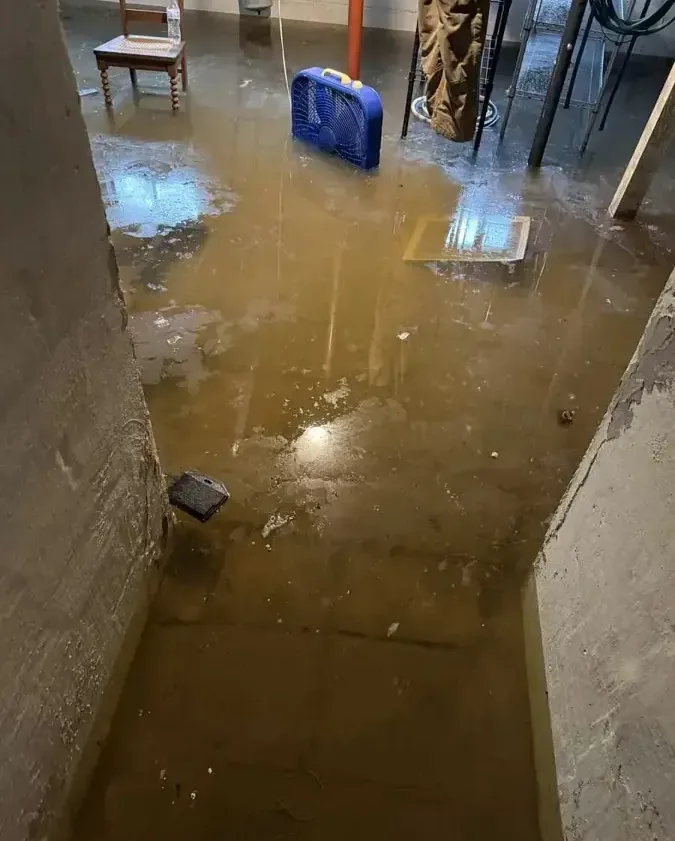
Outside water can leave a clear mark at a Brookline doorway while spreading much farther beneath interior finishes. Mud in a threshold, debris against a lower wall and damp contents help show the route. A storm cleanup assessment should connect those observations with the entry point and the layers contacted by water. Pumping alone cannot address sediment lodged beneath flooring or contamination absorbed into porous materials.
How storm and flood cleanup proceeds
Assess entry and hazards
Inspect the observed water route and determine whether the interior can be reached safely. Identify electrical concerns, unstable materials and ongoing inflow before choosing an extraction approach.
Recover water and debris
Remove accessible water and manage deposited material through a controlled route. Photograph affected contents and finishes before disposal so the record connects removal decisions with the flood contact.
Prepare retained surfaces
Clean suitable structural components and expose hidden wet layers as needed. Check recesses beneath flooring and along wall bases where sediment may remain after the main room has been cleared.
Monitor the interior assembly
Arrange drying around the retained materials and compare readings as conditions improve. Record unresolved entry problems separately so rebuilding does not conceal a continuing source of water intrusion.
River flooding and rainfall entry need separate attention
During October 1996, the Muddy River and Leverett Pond overflowed onto roads, stations and buildings after more than twelve inches of rainfall. Rainfall can also exceed the absorption capacity of ground and drainage systems. These mechanisms matter when documenting a loss: the inspection should describe how water entered the individual building instead of treating every wet lower room as the same type of event.
- Photograph visible entry openings, sediment patterns and the highest wet marks where safe access permits.
- Include doors, lower windows and adjoining rooms that may have carried water into concealed floor layers.
- Keep storm entry observations separate from evidence of an indoor plumbing release discovered during the same inspection.
Mapped high risk parcels concentrate near Leverett Pond and the Muddy River. Olmsted Park forms part of the Emerald Necklace, with the river joining the landscape of the Riverway. At each affected property, the cleanup boundary still follows the actual water contact. Sediment, soaked insulation and damaged floor coverings need their own assessment before the drying arrangement is selected.
Remove residue before closing up the room
Floodwater can deposit material inside joints and beneath contents. Wet porous finishes may need removal where effective cleaning is not possible. Retained hard surfaces and structural components require preparation before drying. The scope should show which materials are being discarded, which are being cleaned and how concealed wet areas will be accessed without carrying residue into rooms that stayed dry.
- Separate affected contents from untouched belongings and preserve a record before disposal.
- Check the backs of lower wall finishes where floodwater reached a cavity opening.
- Inspect flooring transitions and cabinet bases that may conceal damp sediment after surface cleanup.
For a property with a wet lower level, basement water removal can form part of the recovery. Source assessment should also consider whether outside water is still entering. A room that refills needs that ongoing condition addressed before a stable drying environment can be maintained.
Explain where outside water entered and whether it is still collecting indoors. Mention sediment, affected contents and any room that cannot be reached safely for inspection.
(888) 480-6221Assess the outside water lossWait for safe access before entering floodwater
Keep out of flooded rooms where electrical equipment, unstable surfaces or moving water create hazards. Do not operate appliances or attempt to reconnect power in a wet area. Outside floodwater should be treated cautiously because its contact history is unknown. Avoid walking contaminated material into clean rooms, and keep children and animals away from deposited debris. Deep water around a building or below grade needs professional assessment before pumping decisions. Photograph damage from a safe position and leave heavy debris handling and electrical evaluation to appropriate professionals.
Carry the entry history into the repair plan
Keep weather related observations, entry photographs and cleanup records together. Source control may require separate building or drainage work, while interior restoration addresses the materials already wet. The final inspection should revisit the original water path and document retained surfaces before replacement finishes hide them. Drying measurements and removal photographs make that handoff more useful than a description that simply says the floor was pumped out.
For general household precautions, see Ready.gov flood safety and the EPA household leak checks.
What does storm and flood cleanup cost in Brookline, MA?
Storm cleanup costs in Brookline depend on outside water contact, sediment and concealed damage. These ranges estimate interior restoration scopes; building repairs or drainage changes require their own assessment and written pricing.
Limited outside entry
$2,500 to $4,500
- Localized sediment handling
- Accessible wet finishes
- Focused surface cleaning
Several affected interiors
$4,500 to $8,000
- Multiple entry paths
- Broader material disposal
- Expanded drying area
Extensive flood exposure
$8,000 to $12,000+
- Concealed contaminated layers
- Complex contents handling
- Large structural scope
These ranges are estimates only. Water category, square footage, material class and the delay before drying affect the scope. The water damage cost calculator compares those variables before a property assessment.
What shapes the storm and flood cleanup plan
Entry evidence preserved
Photographs of openings, wet marks and sediment help explain how outside water reached the interior. Recording them early supports a scope that follows the actual contact path through the building.
Clean areas protected
Flood residue should not travel with equipment and belongings into untouched rooms. Access planning should identify where material can be removed and how unaffected circulation routes will remain separated.
Material handling specified
The estimate should distinguish porous finishes requiring disposal from retained surfaces needing cleaning. Specific decisions make the difference between a complete flood cleanup and surface water removal alone.
Drying conditions stabilized
Continued entry can undermine equipment already operating inside. The cleanup plan should address ongoing water, prepared structural surfaces and repeat readings before replacement finishes are scheduled for the affected room.
Storm and flood cleanup coverage in Brookline
Flood damage assessment includes interiors around Riverway, Olmsted Park and other town areas. Describe the observed entry opening and affected rooms; access and the actual water route determine the inspection needed at the property.
The same service nearby: storm and flood cleanup in Roslindale, Allston, Hyde Park.
Related water damage services in Brookline
Water Extraction and Removal
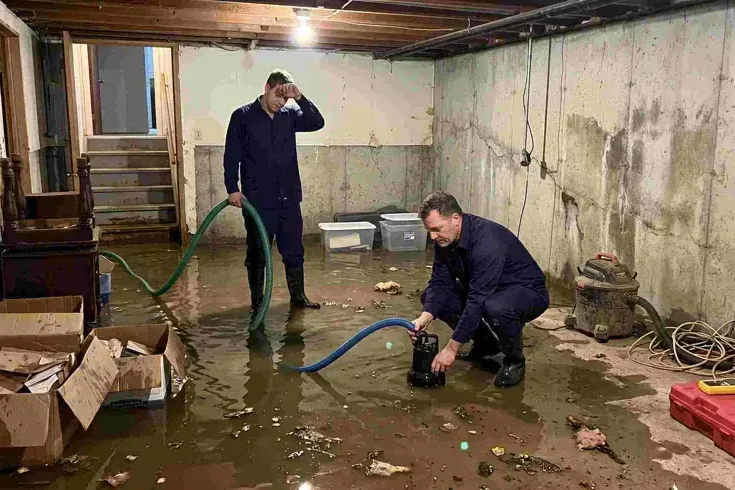
Pumps remove pooled water while extraction tools reach carpet, floor joints and low spots.
Service details ›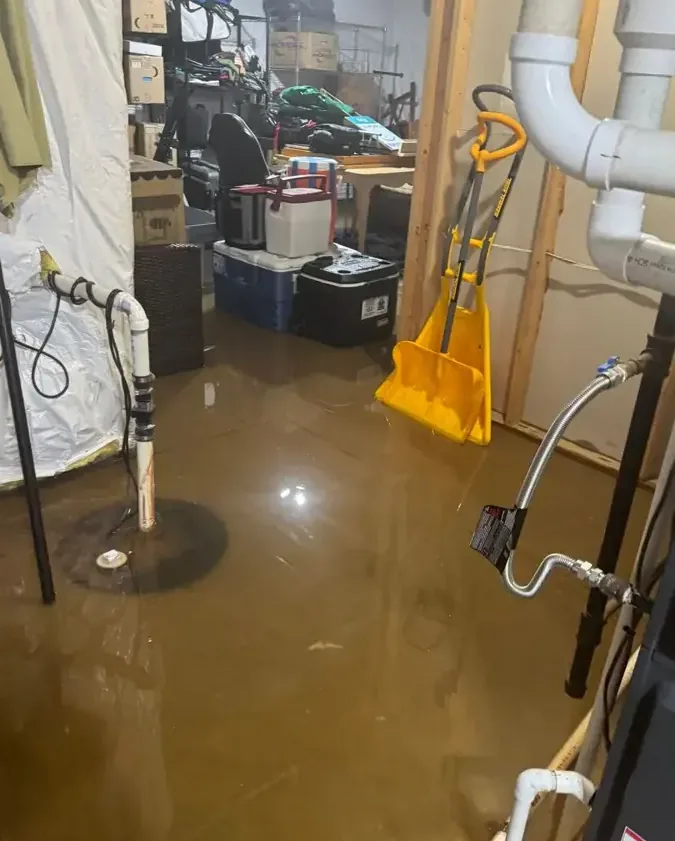
Basement Water Removal
Below-grade extraction starts with electrical clearance and the actual water entry route.
Service details ›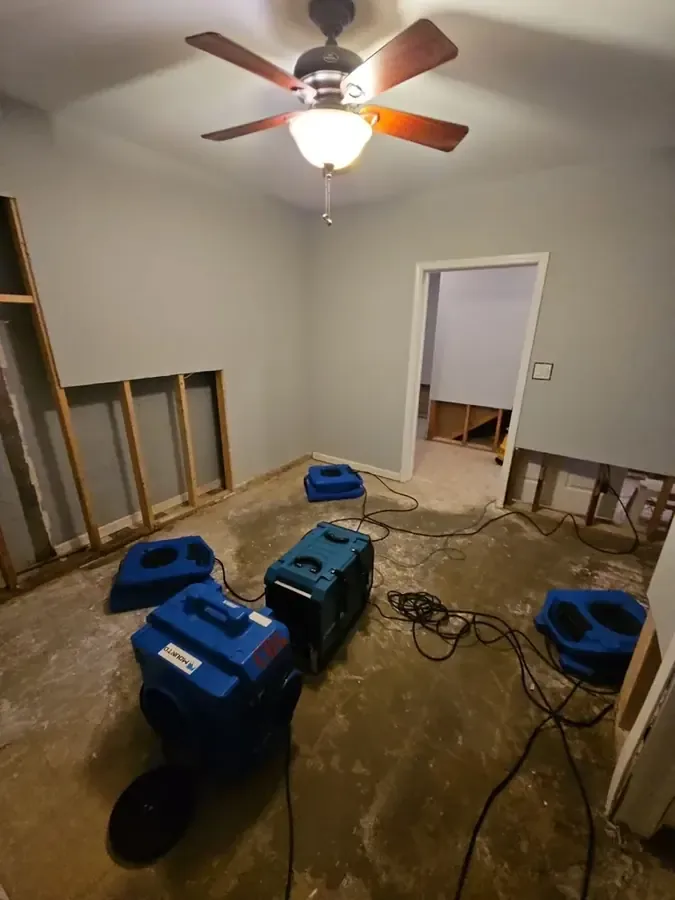
Structural Drying
Material readings determine equipment placement and the end of the drying phase.
Service details ›Storm and Flood Cleanup questions
Does rainfall entering a doorway need the same inspection as river water?
Both are outside water events, but the source and contact route should be documented individually. A doorway spill can carry soil and debris into porous finishes, while river flooding may affect a broader area. Cleanup decisions follow the actual water condition, materials and spread rather than assuming the visible depth describes the whole loss.
Can a room be dried before sediment is removed?
Sediment and unsuitable wet materials need attention before the retained assembly is ready for drying. Equipment cannot substitute for cleaning debris out of joints, cavities and affected surfaces. The work sequence should explain removal, preparation and moisture management so new finishes are not installed over a dirty or still wet layer.
What should be saved for the damage record?
Keep photographs of the entry points, wet marks, deposited debris and damaged contents where safe to obtain. Add notes about when the water appeared and whether it continued entering. Source repair proposals, removal photographs and drying records help connect the flood event with the specific work required inside the building.
Should a flooded lower room be pumped immediately?
Safe pumping depends on the building condition, electrical hazards, water depth and surrounding conditions. A professional assessment is appropriate before entering a deep or unstable flooded area. Occupants should avoid improvised pumping that requires crossing hazardous water or using electrical equipment in wet conditions simply to make the surface appear clear.
Can flood soaked belongings stay in the room during drying?
Contents need evaluation for contamination and damage. Some may require removal or separate handling so the building surfaces can be cleaned and inspected. Leaving stacks against wet walls can block access and conceal residue. The plan should identify which belongings can be retained and how they will be separated from clean items.
Does the restoration project eliminate future river flooding?
A particular loss needs its own entry assessment and recovery plan. The Muddy River restoration included sediment dredging, removal of invasive plants and daylighting buried sections. Property decisions should still address the actual openings and water paths observed at the building, with separate professional input for any proposed drainage or building changes.
When can flooring replacement be scheduled?
Replacement should follow disposal and cleaning decisions, source assessment and suitable moisture checks of the retained assembly. A cleared surface may still cover damp subfloor layers or residue at wall edges. The completion record should show those areas were addressed before installation limits access and hides the original water contact.
Recover the affected interior
Flood recovery joins careful removal with cleaning and material drying, while separate repair work addresses the openings that allowed water to enter.
(888) 480-6221Plan the flood cleanup sequence