Storm and Flood Cleanup Allston, MA
Outdoor water can leave sediment and soaked finishes behind after a room drains. A flood cleanup assessment follows the entry point, identifies contacted materials and separates debris removal from the drying work that follows.
(888) 480-6221Assess outside water damage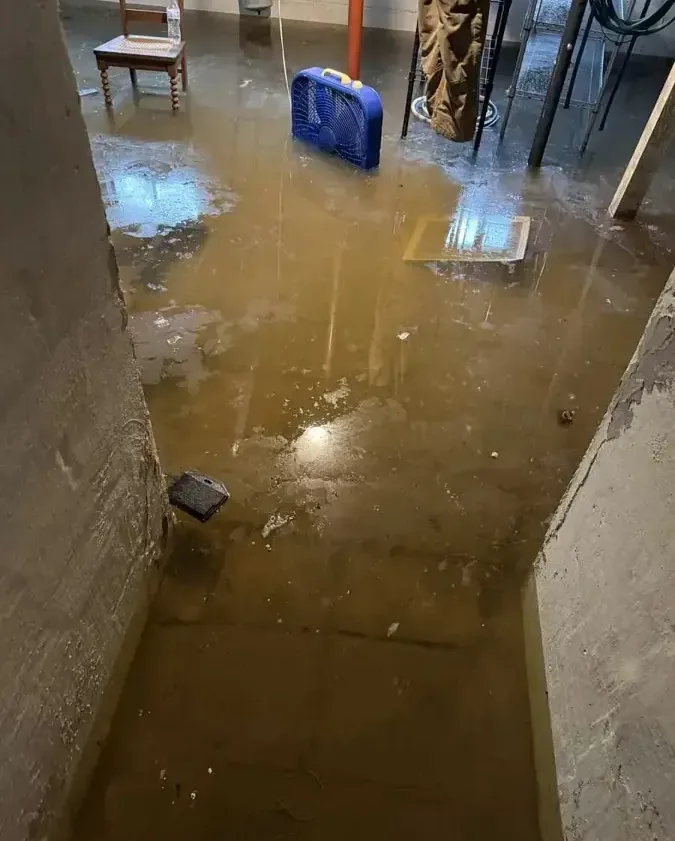
The Charles River borders Allston on the north and east, and Lower Allston lies north of the Massachusetts Turnpike toward the river. When outside water enters a particular building, the cleanup begins at that property's entry point. A threshold, lower opening or damaged exterior assembly can lead water into different interior layers, each requiring its own examination before the room is put back together.
How storm and flood cleanup proceeds
Establish safe access and entry history
The assessment considers the water route, current exterior conditions and utility concerns. The property contact supplies observations while the inspection records the affected rooms and any restricted areas requiring attention.
Extract water and handle debris
Accessible accumulation and sediment are removed using methods appropriate to the conditions. Contacted porous materials are evaluated and documented as the full interior exposure becomes visible during the work.
Clean and prepare retained surfaces
The remaining assemblies receive cleaning suited to their material and exposure. Concealed edges revealed by removal are inspected before the drying plan is finalized for the affected space.
Monitor drying before finish replacement
Equipment supports drying of the retained structure, and readings track its response. The project handoff identifies remaining entry repairs, drying observations and the separate work needed to replace finishes.
Identify the route before clearing the evidence
Water marks, sediment and wet contents help show where the water traveled. Photographs taken safely before cleanup preserve those clues. The inspection should distinguish the exterior entry problem from the interior damage so necessary building repairs can be coordinated with extraction. An open route for new water can interrupt drying even after the first accumulation has been removed.
- Record the lowest visible water marks and the rooms reached beyond the original opening.
- Check floor transitions and built-in storage where sediment can hide beneath a finished surface.
- Identify any continuing outdoor entry that needs separate attention before retained materials can dry.
Allston Square sits at Western Avenue and North Harvard Street. In an affected property around that area, the floor plan and use of the room matter as much as the point of entry. Stored goods, occupied lower rooms and interior partitions can each complicate access to wet surfaces and influence removal decisions.
Cleaning comes before an ordinary drying setup
Outside water can carry debris onto surfaces that previously needed only routine indoor cleaning. Porous finishes and contents require assessment based on their exposure. The plan should explain what will be removed, how remaining surfaces will be reached and when drying equipment can operate without disturbing untreated contamination or loose sediment.
- Evaluate absorbent flooring, backing and low wall materials individually rather than judging them by color alone.
- Separate affected belongings from protected dry contents before moving equipment through the property.
- Inspect newly exposed edges after removal to catch contact areas hidden beneath cabinets or partitions.
A cleaned room may still contain substantial absorbed moisture. Equipment placement should follow the exposed assemblies and their drying needs, with repeated checks at recorded locations. Those measurements help distinguish a surface ready for repair from one that only appears dry after the visible mud is gone.
Describe the outdoor entry point, the rooms reached and any sediment left behind. A property assessment can establish the safe sequence for removal, cleaning and drying.
(888) 480-6221Discuss stormwater entryStay outside uncertain flood conditions
Occupants should avoid entering floodwater, especially where electrical equipment, loose debris or unstable surfaces may be hidden. A dry-looking entrance does not make an affected lower room safe to enter. Qualified assessment may be needed before utilities are used or water is removed. Children and pets should remain away from the cleanup boundary, and belongings should not be retrieved through standing water. Any exterior repair involving a roof, unstable wall or damaged service connection belongs with the appropriate qualified trade before ordinary access resumes.
Make the handoff to repairs explicit
The completion record should connect the entry route, removed materials, cleaned surfaces and drying results. Exterior repairs and replacement interior finishes should have separate descriptions when they fall outside cleanup. That record gives the owner a practical sequence for restoring the room while keeping any remaining water-entry problem visible to the people responsible for fixing it.
For general household precautions, see Ready.gov flood safety and the EPA household leak checks.
What does storm and flood cleanup cost in Allston, MA?
Storm and flood cleanup in Allston depends on the interior exposure, debris and access. These estimates cover progressively larger cleanup scopes; correcting exterior entry points and rebuilding damaged finishes can require additional work.
Limited outside entry
$2,500 to $4,500
- Small interior footprint
- Accessible debris removal
- Focused surface cleaning
Several affected interiors
$4,500 to $8,000
- Multiple contacted rooms
- More porous finishes
- Broader drying arrangement
Extensive flood exposure
$8,000 to $12,000+
- Widespread material handling
- Complex concealed contact
- Substantial interior restoration
These ranges are estimates only. Water category, square footage, material class and the delay before drying affect the scope. The water damage cost calculator compares those variables before a property assessment.
What shapes the storm and flood cleanup plan
Entry-focused assessment
The first inspection traces how outside water reached the interior and records the surfaces it contacted. This establishes a useful cleanup boundary before debris or damaged finishes are disturbed.
Careful contents separation
Affected furnishings and stored items are evaluated apart from dry possessions. A handling plan preserves access to wet surfaces and prevents cleanup traffic from spreading debris into unaffected rooms.
Transparent removal scope
Porous finishes receive decisions based on exposure and condition. The owner can see why a material requires removal and which retained surfaces need cleaning before equipment is installed nearby.
Drying tied to the assembly
Measurements follow the layers left in place after cleaning. Progress records identify persistent moisture at hidden edges and help coordinate later replacement work with the actual condition of the structure.
Storm and flood cleanup coverage in Allston
Inspection planning covers Lower Allston, Western Avenue and North Harvard Street. Describe where outside water entered, which rooms it reached and whether safe building access has been restored after the event.
The same service nearby: storm and flood cleanup in Roslindale, Brookline, Hyde Park.
Related water damage services in Allston
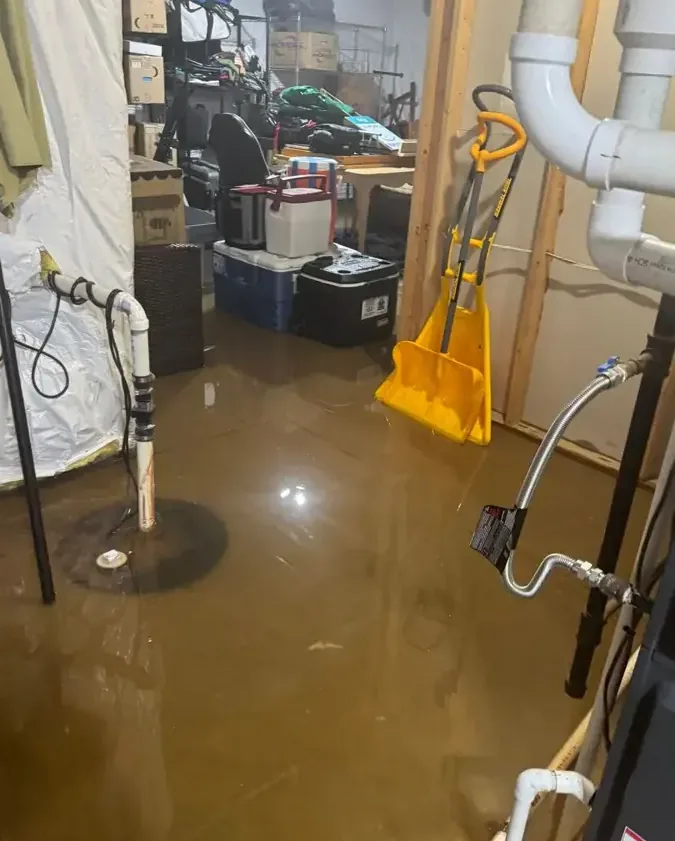
Basement Water Removal
Below-grade extraction starts with electrical clearance and the actual water entry route.
Service details ›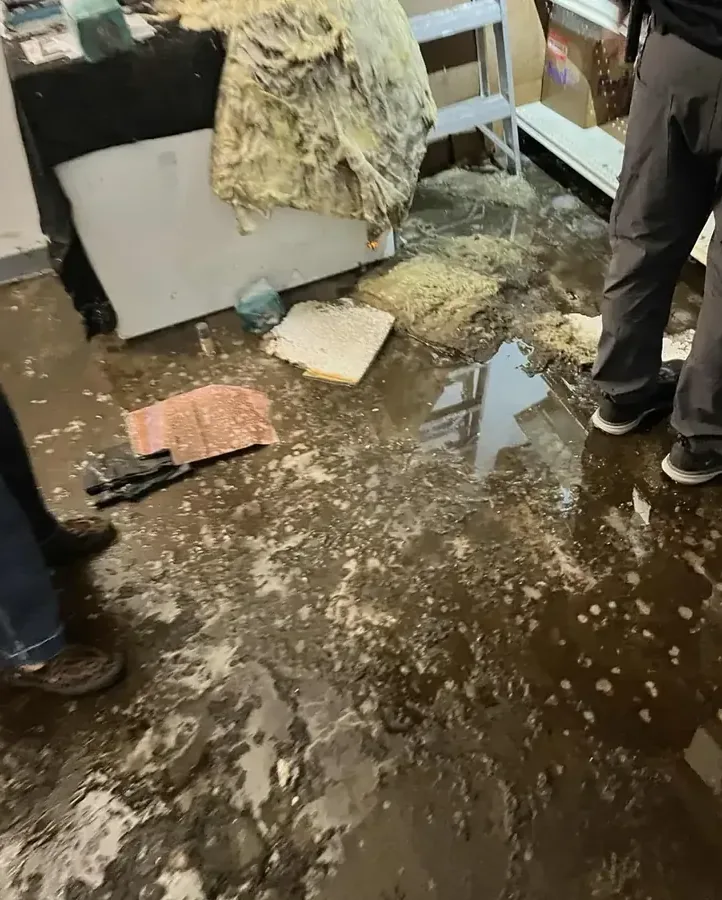
Sewage Backup Cleanup
Containment separates contaminated rooms while crews remove sewage-soaked porous finishes.
Service details ›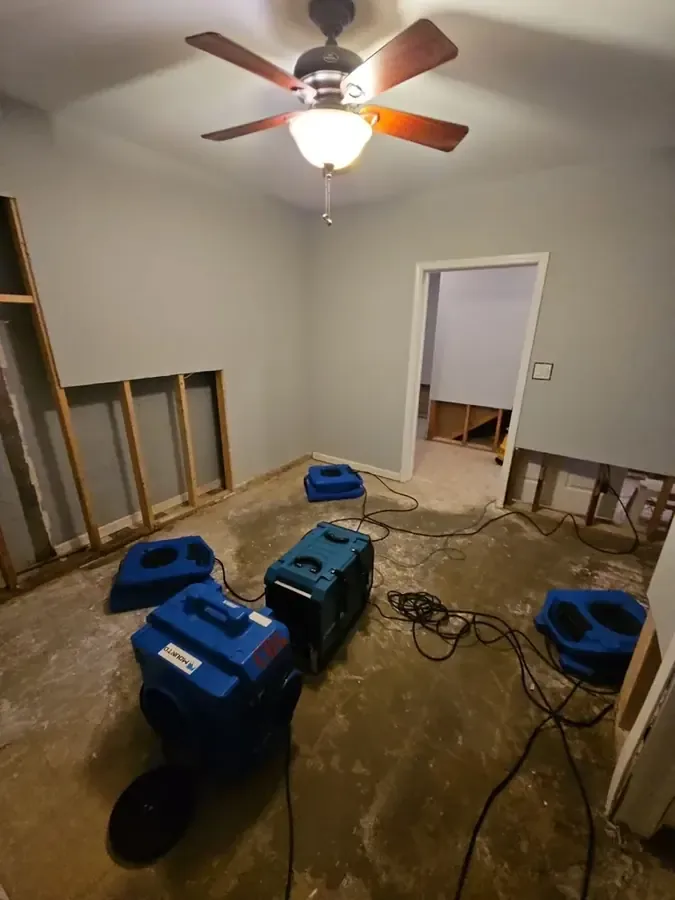
Structural Drying
Material readings determine equipment placement and the end of the drying phase.
Service details ›Storm and Flood Cleanup questions
What should be photographed after outside water enters?
Safe photographs can show the entry opening, water marks, sediment and affected belongings before cleanup changes the scene. The property contact should stay out of standing water and unstable areas. These images help explain the water path and support an itemized account of the surfaces and contents needing attention.
Does a nearby river determine the cleanup method?
The method depends on the water that entered the building, the materials it contacted and the conditions found during inspection. The actual entry route needs attention at the property. Cleaning, removal and drying decisions then follow that exposure and the construction of the affected interior rather than the neighborhood location.
Can fans be placed in a muddy room immediately?
Loose debris and untreated contamination need evaluation before air is moved across the space. Cleaning and material handling come first when the exposure calls for them. The drying arrangement should follow the prepared surfaces and safety assessment, so equipment supports recovery without spreading material from an untreated area.
Why can a wall need attention when water stayed shallow?
Water can wick into a porous wall base or pass through a gap behind trim even when the visible pool is shallow. Inspection of the lower assembly helps establish its exposure. Removing a damaged finish may be necessary to reach wet backing, insulation or framing concealed above the floor.
Who repairs the exterior opening that allowed entry?
The responsible building contact should coordinate the appropriate trade for the entry problem. That work may be separate from extraction, cleaning and drying inside. The restoration record should identify the continuing entry concern so the owner can arrange correction before new finishes are installed over the affected assembly.
Can belongings be sorted during the cleanup?
Sorting should follow an agreed handling plan that considers contamination, wet materials and safe access. Dry possessions can be protected separately, while affected items need documentation and evaluation. Moving everything into a clean room without assessment can spread debris and make both restoration access and the contents record harder to manage.
What indicates that the cleaned structure is ready for repairs?
Readings and material observations should show that the retained assembly reached its drying target. The water-entry issue also needs an appropriate repair plan. A clean appearance alone is insufficient for closing wet cavities, so the handoff should identify the measured condition and any remaining limitations before replacement finishes are scheduled.
Recover the interior after outside water intrusion
An organized scope makes the transition from debris handling to material drying and repair easier to follow.
(888) 480-6221Arrange flood damage assessment