Sewage Backup Cleanup in Roslindale, MA
Sewage enters the cleanup plan as Category 3 from the start. The restoration team isolates affected rooms in Roslindale, removes contaminated porous materials and cleans suitable remaining surfaces before structural drying.
(888) 480-6221Discuss contaminated room cleanup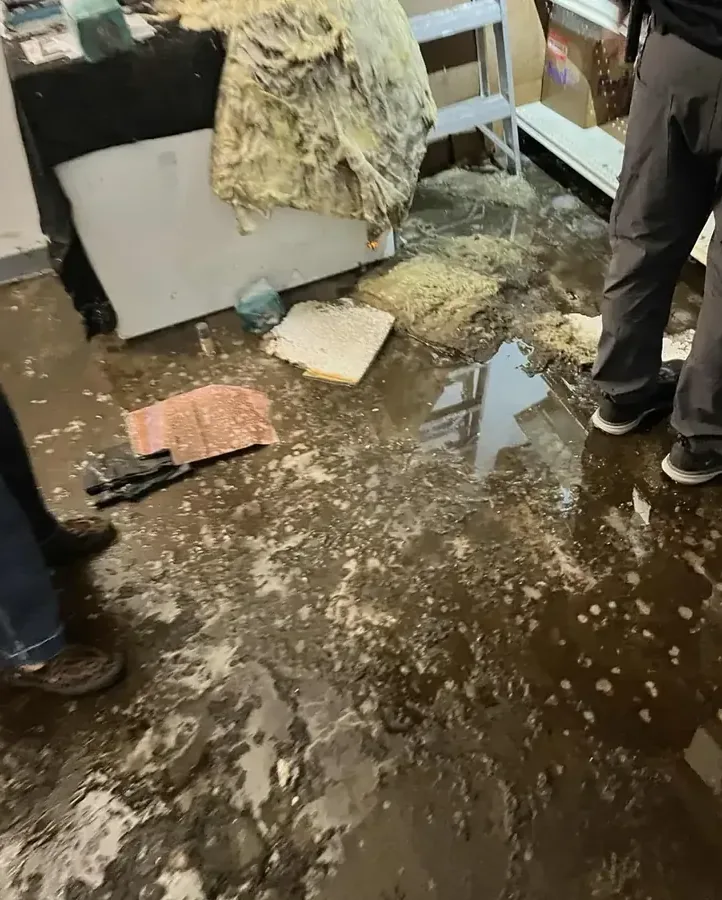
A toilet, tub or floor drain that returns sewage creates a contamination problem as well as a water problem. Roslindale sewage cleanup keeps occupants away from the affected area while the drainage source receives attention. In buildings near Roslindale Square, Canterbury Street and Cummins Highway, the inspection follows the actual backup path through bathrooms, hallways and lower rooms. A drain professional checks the affected fixtures and locates the blockage before repairs begin.
How sewage backup cleanup proceeds
Separate people from the loss
The initial assessment identifies contamination boundaries, wet electrical areas and a safe work route. The crew documents the backup while occupants remain outside the affected rooms.
Address the drainage source
A drainage professional investigates the backup. The cleanup team coordinates water removal around that source work and checks connected rooms so continuing discharge does not undo the first cleanup.
Remove and clean deliberately
Contaminated porous finishes come out under the agreed scope. The crew physically cleans suitable remaining surfaces and applies an appropriate EPA-registered product according to its label and dwell time.
Dry remaining structural materials
Once contamination controls and cleaning permit, the technician dries the retained structure. Repeat readings, removal photos and treatment records establish what work occurred and what remains for rebuilding.
Containment starts before contaminated water moves
The cleanup crew separates the work zone from clean rooms and plans a route for equipment and bagged debris. A drain professional investigates the obstruction or damaged drainage component. Repeated flushing or running other fixtures can add water while that source remains unresolved. The restoration assessment records where contamination reached, including beneath cabinets and through floor joints.
- Occupants keep children, pets and unnecessary foot traffic outside the affected rooms and avoid carrying wet items across clean flooring.
- The crew uses protective gloves, boots, eye protection and suitable respiratory protection for the assessed exposure and work method.
- Removal and cleaning follow a controlled sequence so equipment does not blow contamination into rooms that the backup did not reach.
- The contractor identifies cleaning and drying as separate milestones. Product application records, removed-material photographs and retained-structure measurements should remain distinguishable so a dry reading never substitutes for the contamination-control scope.
Boston Water and Sewer Commission provides the city's water and sewer services. The first drainage assessment locates the blockage and identifies the repair needed to stop further backup. The property owner coordinates the drainage or utility repair while the restoration team records contaminated rooms, removal boundaries and the cleaning work inside the building.
Why porous material needs a different decision
Sewage-soaked pad, insulation and other contaminated porous finishes do not become suitable simply because a fan dries them. The contractor identifies materials requiring removal and extends cuts above the waterline where contamination has wicked into the assembly. The assessment checks the back of wall finishes and the space below a floor when the backup can spread out of sight.
Suitable remaining surfaces receive physical cleaning before any product treatment. An EPA-registered antimicrobial must fit the surface and use case, and its label dwell time matters. The crew follows the product instructions rather than spraying a scent over residue. Drying begins after the contaminated material and soil have received appropriate attention.
- Record the extent of contact before cutting or bagging materials for disposal.
- Keep cleaning equipment and disposal traffic within the planned work route.
- Check structural surfaces again after removal exposes previously hidden contamination.
A sewage backup needs a controlled work boundary before drying. Describe the affected fixtures, returning water and any rooms that occupants cannot safely enter.
(888) 480-6221Arrange a sewage damage assessmentKeeping the household outside the exposure
A household should not enter sewage water to unplug an appliance, retrieve a rug or open a drain. The room may combine contamination, slippery surfaces and electrical hazards. The response team confirms safe access and keeps uncontrolled airflow off the affected materials. Bleach alone does not replace removal, physical cleaning or a product's required contact time. Residents should avoid mixing cleaners and should leave contaminated items in place until the contractor explains the handling plan. Anyone with direct exposure or health concerns should seek appropriate medical advice. Restoration work addresses the property; it does not determine whether an exposure is medically safe.
The federal flood precautions explain why contaminated water requires caution. EPA product-label information supports following the approved instructions for antimicrobial products.
Drying and recording the cleaned structure
After removal and cleaning, the drying team maps moisture in the remaining structure and chooses equipment for the material load. Daily readings document progress without confusing a dry surface with completion of the cleaning scope. The file includes source observations, containment photos, removed materials, product records and drying measurements. Backup coverage may require a specific policy provision, so the owner should ask the insurer about the cause and coverage directly.
What does sewage backup cleanup cost in Roslindale, MA?
Sewage backup cleanup commonly ranges from $2,000 to $10,000, with contamination extent and porous-material removal driving much of the cost. Drain repair, major rebuilding and damaged contents can add separate charges.
Contained bathroom area
$2,000 to $4,000
- Controlled removal
- Surface cleaning
- Initial drying setup
Several contaminated rooms
$4,000 to $7,000
- Larger containment
- Porous finish removal
- Treatment records
Extensive concealed spread
$7,000 to $10,000+
- Multiple assemblies
- Complex debris access
- Extended structural drying
These ranges are estimates only. Water category, square footage, material class and the delay before drying affect the scope. The water damage cost calculator compares those variables before a property assessment.
What shapes the sewage backup cleanup plan
Immediate Category 3 handling
Sewage receives a contamination scope from discovery. The crew does not downgrade the problem because the water looks clear or because the visible quantity seems small at first.
A controlled debris route
The removal plan accounts for occupied rooms and shared access. Bagging and movement follow the work boundary so debris does not turn an unaffected hallway into a second cleanup area.
Product instructions matter
The contractor chooses a treatment suited to the surface and exposure. Application, dilution and dwell time follow the label, with physical cleaning completed as part of the process.
Evidence before disposal
Photographs capture porous finishes before removal hides the contact pattern. The claim file then explains the cleanup decisions alongside the source diagnosis and the final structural drying records.
Sewage backup cleanup coverage in Roslindale
The service area includes ZIP 02131, Roslindale Square, Adams Park, Washington Street, Belgrade Avenue, Cummins Highway, Canterbury Street and homes near the Arnold Arboretum. Crews assess each building's access and affected floors before placing equipment.
Coverage also includes Brookline, Hyde Park, Allston, Norwood and Holbrook.
Related water damage services in Roslindale
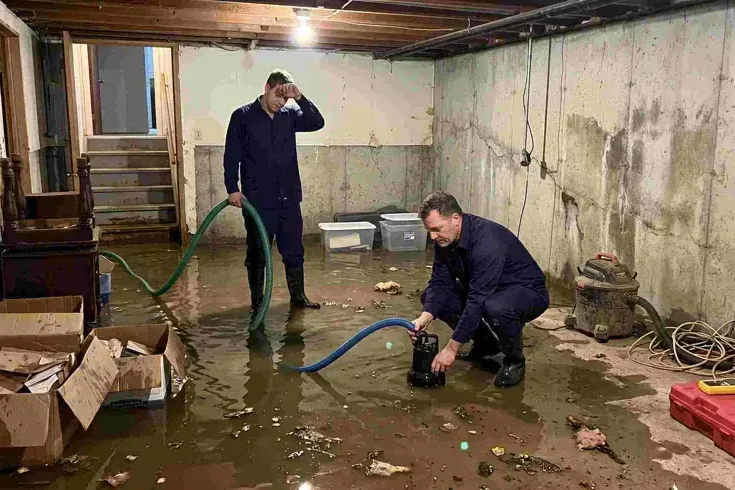
Water Extraction and Removal
Pumps remove pooled water while extraction tools reach carpet, floor joints and low spots.
Service details ›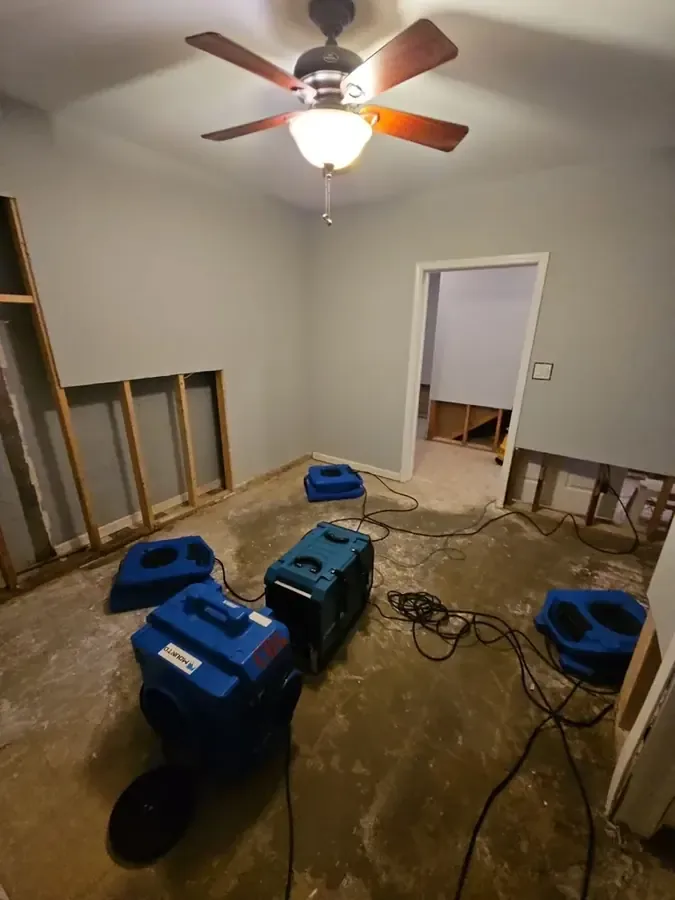
Structural Drying
Material readings determine equipment placement and the end of the drying phase.
Service details ›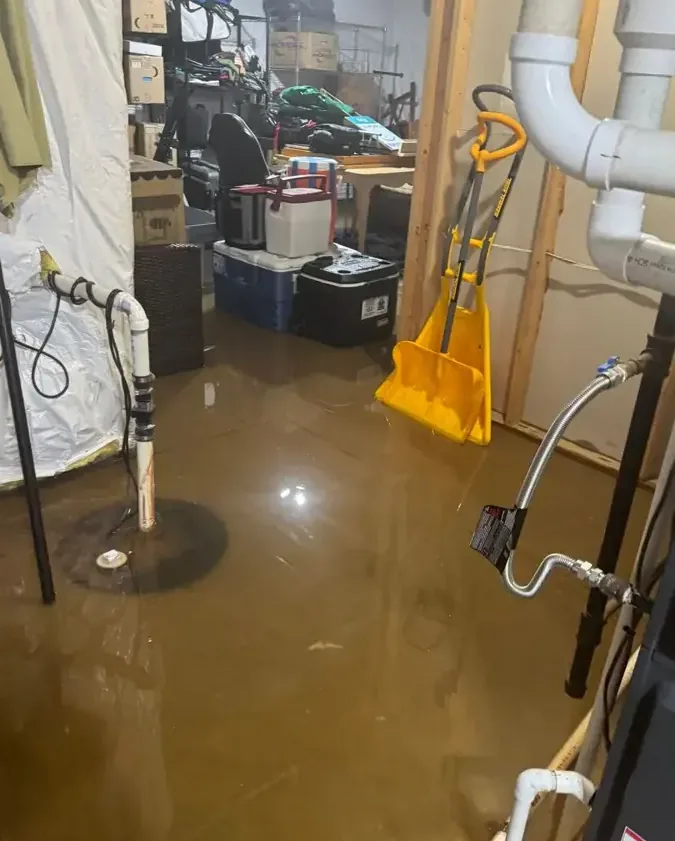
Basement Water Removal
Below-grade extraction starts with electrical clearance and the actual water entry route.
Service details ›Sewage Backup Cleanup questions
Is a sewage backup Category 3 even when it looks diluted?
Yes. Sewage receives Category 3 handling from the outset. The water source and affected porous finishes require a contamination assessment before retention decisions. The contractor assesses contact and migration, separates the affected space and selects removal and cleaning methods for the actual exposure rather than the color of the puddle.
Can the household run fans before the crew arrives?
Uncontrolled airflow can move contamination out of the affected area. Residents should keep clear and avoid switching on ordinary fans in the backup zone. The restoration team decides when and where air movement is appropriate after assessing the contamination, removal needs and safe power. Electrical hazards may also make entry unsafe even before cleanup starts.
Does every wet wall have to come out?
The contractor evaluates the material and contamination path. Sewage-contacted porous materials commonly require removal, with the cut extending above the visible waterline where wicking occurred. Suitable structural surfaces may remain for cleaning and drying. The scope should explain the boundary and distinguish a contaminated finish from a material that only needs a separate moisture assessment.
Does an antimicrobial replace physical cleaning?
No. A treatment product does not substitute for removing contaminated debris and cleaning the surface. The crew uses an EPA-registered antimicrobial appropriate to the job and follows its instructions, including dwell time. Completion checks include debris removal, surface cleaning and the specified product application. Records should identify the treatment and the surfaces to which the contractor applied it.
Who clears the blocked drain?
A qualified drainage or plumbing professional identifies and addresses the cause. The restoration contractor handles the affected building materials and cleanup scope. A public-system concern may also require utility involvement. The assessment should not assume responsibility from the location of the puddle; the actual obstruction or damaged component needs its own investigation and documentation.
What belongs in the sewage claim file?
The file should show the source observations, affected rooms, contamination boundaries, removed materials and cleaning method. Product records and subsequent drying logs add detail. The owner should ask the insurer whether the policy includes backup coverage and what limits apply. The restoration crew supplies evidence of work but cannot decide coverage or promise reimbursement.
When can the room return to normal use?
That depends on safe access, completion of the cleanup scope and the condition of the retained structure. Drying equipment may remain after contaminated material removal. The contractor explains which areas stay restricted and what repairs are still necessary. Completion requires review of removed materials, cleaned surfaces and remaining moisture after visible water and odor have cleared.
Roslindale sewage damage needs controlled cleanup
The cleanup team separates the work area, removes contaminated finishes and documents cleaning before drying the remaining structure.
(888) 480-6221Discuss the Category 3 scope