Water Heater Leak Cleanup in Roslindale, MA
A tank leak can keep flooring and wall bases wet after the heater stops running. The cleanup crew assesses water heater damage in Roslindale, extracts released water and checks the surrounding building materials.
(888) 480-6221Discuss the tank-water damage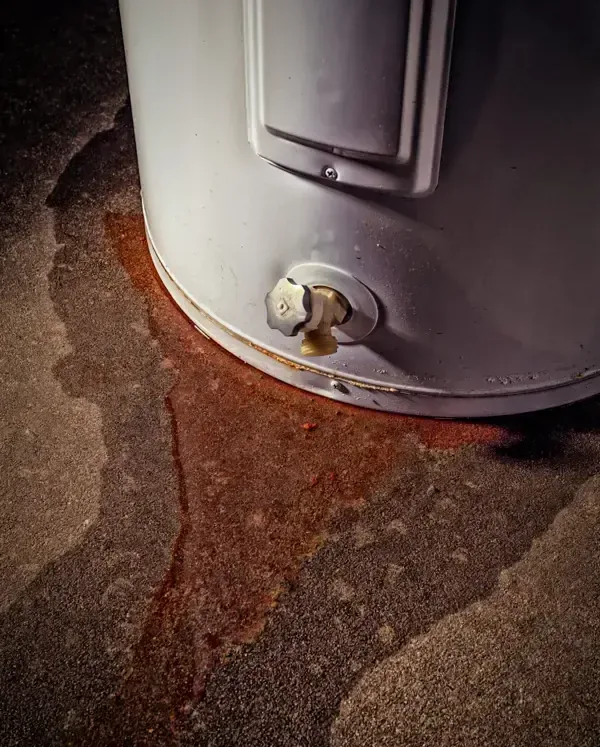
A heater leak may release a large volume quickly or feed a concealed wet area over time. The contractor records the property owner's observations and checks whether water came from the tank, a valve or a connection. Homes near Cummins Highway, Canterbury Street and Belgrade Avenue receive checks of the actual heater location and adjacent floor assembly. The inspection includes the heater's supporting platform, nearby partitions and the route into connected rooms.
How water heater leak cleanup proceeds
Establish heater safety
The responsible trade checks the supply and energy source. The restoration assessment identifies standing water and a safe equipment route without asking occupants to reach behind a wet tank.
Map the surrounding materials
The technician checks wall bases, floor coverings and any platform around the heater. The inspection also follows water toward nearby storage or rooms beyond the visible puddle.
Extract and create access
The crew removes accessible liquid and assesses wet coverings. Equipment then reaches the retained structure while the work plan preserves service access needed for heater repair or replacement.
Record the separate end points
The heater professional completes the appliance work. The drying team follows material readings to its own completion point and identifies any remaining trim, floor or wall repairs.
Separating heater work from interior cleanup
A plumbing or equipment professional controls the water and energy supplies and diagnoses the heater. The restoration team addresses the liquid and wet materials around it. That division matters when a replacement tank can be installed before the surrounding structure has dried. The work plan should preserve access to wall bases, flooring and concealed edges that still need measurement.
- Identify whether water remains active at the tank, relief discharge or a connection before treating extraction as source control.
- Inspect adjoining closets and rooms where water may pass beneath partitions or floor coverings.
- Record the condition of stored items and nearby finishes before moving them into clean areas.
- Before replacement equipment occupies the same footprint, the contractor should identify any wet platform or wall edge that still needs access. The new tank’s installation date is separate from the structure’s drying end point.
Roslindale's varied residential stock requires an individual access plan. A heater serving a multi-unit building may need coordination with a manager, while a small utility closet can restrict drying equipment placement. Neither circumstance changes the need to check the wet assembly beyond the footprint of the tank.
Finding water beyond the heater base
Liquid can collect under resilient flooring, behind baseboards or beneath a raised platform. The extraction crew removes accessible water and the technician checks those edges. A puddle that disappears after tank removal may still leave saturated material against the wall. The contractor explains whether a finish needs lifting for access, damage or contamination reasons.
Drying equipment manages exposed wet surfaces and room humidity. The technician tracks material trends instead of relying on heat from the replacement heater. If measurements remain elevated, the crew checks for another source or a sealed wet layer. The end point belongs to the building material, not the date the new appliance returns to service.
- Keep the heater repair record separate from the restoration drying log.
- Photograph concealed wet material when removal first exposes it.
- Protect service access and ventilation around equipment during the dry-out.
The heater repair and the wet floor need separate attention. Describe the tank area, adjoining rooms and whether the source still releases water.
(888) 480-6221Review the heater-loss cleanupHot water and energy supplies need qualified attention
Residents should keep clear of hot discharge, wet electrical components and any area where safe shutoff is uncertain. A water heater combines plumbing with an energy source, so the household should not improvise disconnection or relighting steps while water is present. The appropriate equipment professional establishes source safety. The restoration crew then plans extraction and equipment power around that assessment. Moving a tank or climbing behind it can also disturb connections and concealed water. The occupant should report the visible condition from a safe position and leave appliance handling to the responsible trade.
Energy Saver information covers household equipment planning. OSHA electrical safety information explains why wet energized equipment requires controlled access.
Recording a tank leak for the claim file
The contractor records the discovered source, affected rooms and material condition. Photos before tank removal can help explain the initial water distribution, while readings afterward show what remains wet. The insurer assesses the cause and policy. The scope should distinguish heater repair or replacement, restoration drying and rebuilding, without promising that the same coverage applies to each cost.
What does water heater leak cleanup cost in Roslindale, MA?
Water heater leak cleanup commonly ranges from $800 to $4,500 for affected interior materials. The water spread, floor layers and access drive the restoration cost; heater replacement and finish rebuilding are separate.
Small utility-area loss
$800 to $1,600
- Local extraction
- Wall-base readings
- Compact drying setup
Adjacent room spread
$1,600 to $3,000
- Floor layer assessment
- Selective access
- Daily monitoring
Concealed or broad wetting
$3,000 to $4,500+
- Multiple wet assemblies
- Complex equipment access
- Expanded documentation
These ranges are estimates only. Water category, square footage, material class and the delay before drying affect the scope. The water damage cost calculator compares those variables before a property assessment.
What shapes the water heater leak cleanup plan
A tank is not the whole loss
The inspection extends beyond the appliance footprint. Water beneath a nearby partition or covering can remain after a replacement heater makes the utility area look functional again.
Coordination with the repair trade
Drying access and heater installation can affect each other. The contractor clarifies the sequence so a new platform, covering or appliance does not seal wet material inside the assembly.
Attention to concealed edges
The technician checks the places liquid can collect around cabinets, platforms and wall bases. Those findings set the opening scope rather than a fixed assumption about every utility room.
Records without coverage promises
Source findings, removal photos and drying measurements support review of the event. The insurer decides how the policy treats the failed equipment and the resulting interior damage.
Water heater leak cleanup coverage in Roslindale
The service area includes ZIP 02131, Roslindale Square, Adams Park, Washington Street, Belgrade Avenue, Cummins Highway, Canterbury Street and homes near the Arnold Arboretum. Crews assess each building's access and affected floors before placing equipment.
Coverage also includes Brookline, Hyde Park, Allston, Norwood and Holbrook.
Related water damage services in Roslindale
Water Extraction and Removal
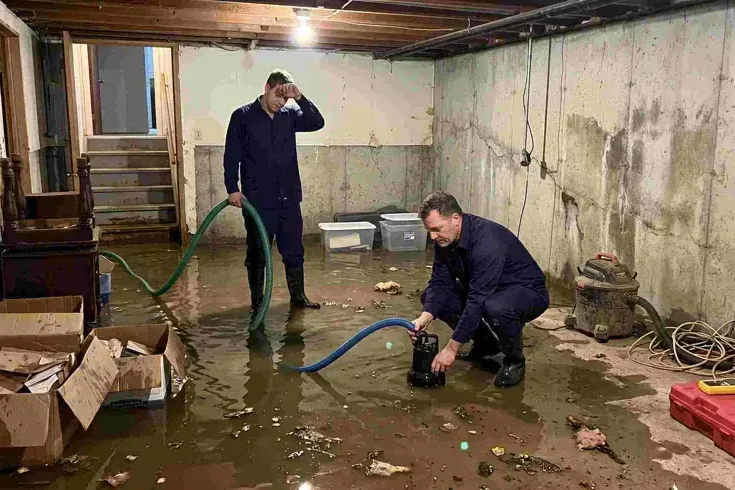
Pumps remove pooled water while extraction tools reach carpet, floor joints and low spots.
Service details ›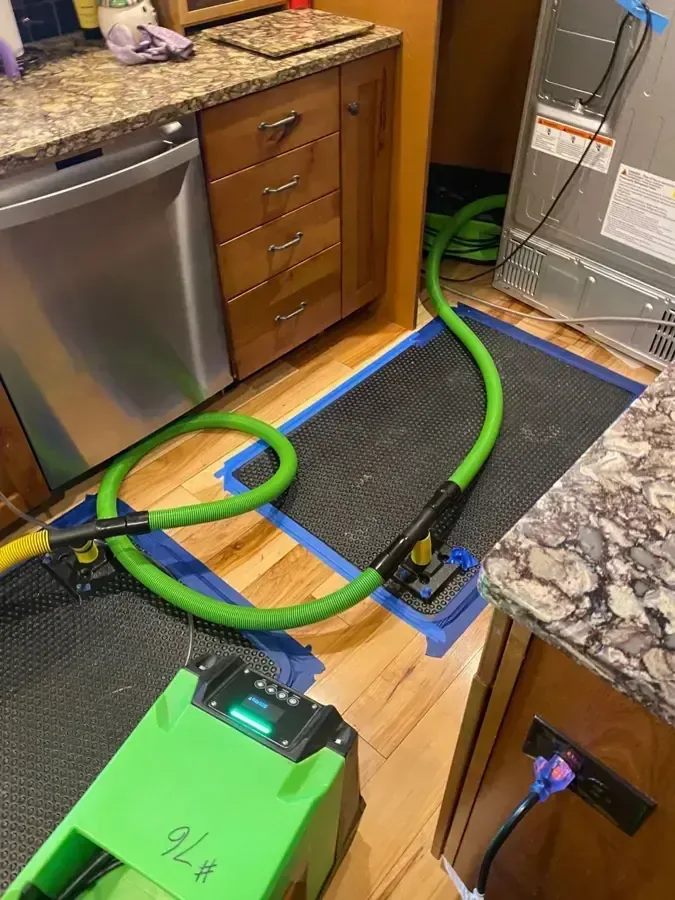
Appliance Leak Water Damage
Cabinet voids and flooring seams hold water long after an appliance stops leaking.
Service details ›
Structural Drying
Material readings determine equipment placement and the end of the drying phase.
Service details ›Water Heater Leak Cleanup questions
Does replacing the heater finish the water damage work?
No. Replacement addresses the equipment, while water may remain beneath flooring or inside nearby walls. The restoration technician checks those materials separately and follows their drying progress. After heater operation resumes, the surrounding building materials still need moisture checks. The contractor should identify any unfinished drying or repair scope before new coverings hide the affected surfaces again.
Can the household move the tank to reach the puddle?
Tank movement can disturb plumbing and energy connections and expose occupants to hot water or wet electrical components. The responsible equipment trade should manage the appliance. The restoration crew plans access around that work. Residents should describe the leak from a safe location and avoid entering a wet space to disconnect or relight equipment.
Why is the wall beside the heater being checked?
Water can move under the bottom of a partition and into concealed finish layers. A tank platform or closet edge may also hold liquid out of sight. The technician checks the surrounding assembly and compares suitable dry material. That evidence helps define whether drying access is necessary beyond the visible puddle at the heater base.
Does a slow leak need a different scope from a sudden tank failure?
The observed exposure and material condition matter. A prolonged leak may have reached hidden layers that need more investigation, while a sudden release may cover a wider floor. The contractor documents what is found rather than diagnosing duration from appearance alone. The insurer can then review the cause and policy separately from the physical cleanup decisions.
Can normal room heat dry the area after cleanup?
Comfort heat alone does not confirm drying inside floor layers or wall cavities. The drying team controls airflow and humidity for the wet material load and records progress. Access may be necessary where a covering blocks evaporation. Equipment remains based on measurements, while heater operation and ordinary room temperature are only part of the surrounding conditions.
What information should be saved before the old tank leaves?
Photos of the tank area, visible leakage and surrounding wet surfaces help preserve the initial condition. The owner should keep the repair professional’s findings and replacement paperwork. The restoration record adds moisture maps, removal decisions and drying logs. Those items explain separate parts of the event; none creates an automatic insurance coverage decision.
Can an active heater leak be reported after hours?
Emergency dispatch operates 24/7 for water damage. The first details should identify continuing leakage, affected rooms and any hot-water or electrical concerns. The household should avoid unsafe shutoff attempts and keep clear of the tank area. The response plan follows safe access and source conditions without a promised minute-by-minute arrival schedule.
Roslindale tank leaks can leave concealed moisture
The cleanup crew assesses the surrounding assembly and documents drying after the heater source receives qualified attention.
(888) 480-6221Arrange tank-water drying