Commercial Water Damage in Roslindale, MA
A business water loss affects materials, access and daily operations together. The restoration team assesses commercial water damage in Roslindale, separates affected zones and documents extraction and drying for the property manager.
(888) 480-6221Discuss the affected business space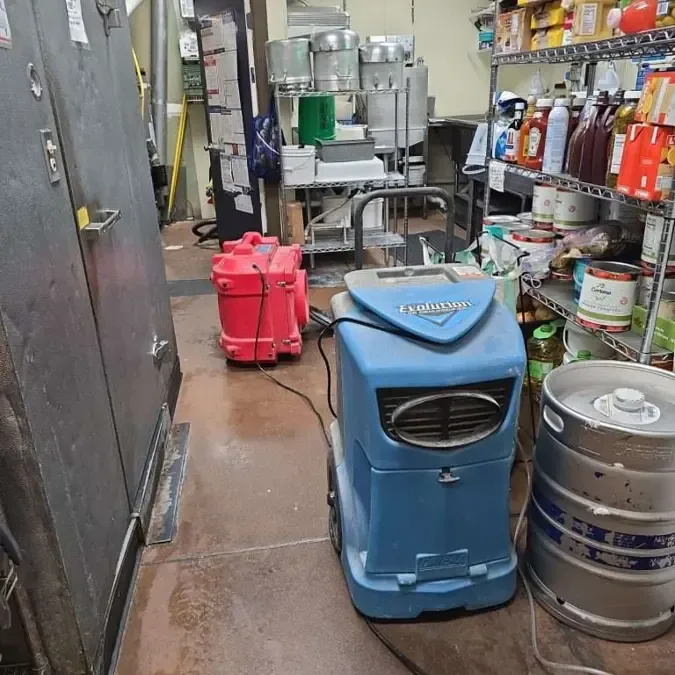
Roslindale Square contains shops and apartment buildings around Adams Park, while Washington Street and Belgrade Avenue identify important access points in the district. A commercial loss there can involve customer areas, storage and occupied space above or beside the business. The contractor inspects the actual premises and coordinates with authorized decision-makers. No named shop or landmark is presented as a customer or a completed restoration job.
How commercial water damage proceeds
Establish the decision-makers
The response team identifies the owner or manager responsible for access and approvals. The initial assessment records active water, affected operations and hazards before defining a work area.
Map damage and access needs
The technician checks building materials and connected spaces. The plan accounts for stock, fixtures and shared assemblies, marking any area that awaits permission or safe access for inspection.
Extract and dry in defined zones
The crew removes liquid and unsuitable materials, then documents equipment by work area. The arrangement preserves required routes and adapts to the inspected moisture load and power capacity.
Report progress and remaining work
Consistent area labels connect photographs, readings and scope changes. The contractor explains drying completion and outstanding repairs so the manager can coordinate the next stage with the responsible parties.
Defining the business loss before work spreads
The initial assessment identifies the source, water category and affected building materials. The manager helps locate critical access routes, stored stock and spaces that need separate authorization. The crew establishes work boundaries without promising that the business can remain open. Electrical safety, contamination and building conditions may limit occupancy regardless of operating priorities.
- Identify the person authorized to approve access, material removal and equipment placement in each affected part of the premises.
- Record stock and fixtures exposed to water before movement changes their condition or location.
- Keep exits and required circulation routes clear while planning hoses, cords and temporary containment.
- The manager should keep authorized scope changes with area-specific records. A newly exposed wet cavity can affect another tenant’s space, requiring coordinated access before the next removal or equipment adjustment proceeds.
A mixed-use building may require coordination with another occupant or the property owner before the team checks the ceiling above or below. The scope should identify that access need explicitly. Treating only the visible shop floor can miss water in a shared assembly and leave uncertainty about the drying boundary.
Extraction and drying by affected zone
The crew removes accessible liquid and assesses which finishes can remain. Contaminated porous material receives a different decision from a clean supply spill. The drying plan then divides the inspected area into practical zones with documented equipment and moisture readings. A zone boundary serves the work; it does not imply that an adjacent space is automatically safe for customers.
Business fixtures and stored goods can restrict access to wall bases or flooring. The contractor explains any movement needed for inspection and coordinates it with the manager. Daily logs record conditions and changes so the property can track progress without relying on a visual impression during a brief walkthrough.
- Label affected areas consistently across photos, measurements and the work scope.
- Distinguish building drying from specialist restoration or disposal of stock and equipment.
- Record access delays or changes that affect when a concealed assembly can be inspected.
A business loss needs clear access and work boundaries. Describe the affected rooms, active source, stored goods and the person authorized to approve the restoration scope.
(888) 480-6221Review the commercial lossOperating decisions follow safety and the work scope
The manager should keep staff and customers outside wet or restricted areas until electrical, contamination and overhead hazards receive attention. Equipment cords and hoses need a planned route rather than a path across public circulation. The restoration team explains its work boundary, but occupancy and business operation may also depend on the owner, relevant authorities and specialist findings. Reopening decisions require a review of the entire intended operating area and its access routes. Staff should avoid moving containment or unplugging equipment to recover floor space, and any operational change should be coordinated with the contractor before it affects the drying setup.
Ready.gov business preparedness information supports continuity planning. OSHA electrical safety information provides context for controlling wet work around powered equipment.
Records for owners, tenants and claim review
The file separates source findings, building material damage, contents observations and equipment use. It identifies who authorized work and which areas remain inaccessible or need repair. The insurer assesses coverage, including any business interruption terms, independently of the restoration schedule. The contractor provides observations and drying records without estimating a business’s lost income or promising reimbursement.
What does commercial water damage cost in Roslindale, MA?
Commercial water damage mitigation often ranges from $3,000 to $20,000 or more, depending on area, materials and operating constraints. Contents, specialist equipment work, rebuilding and business interruption are separate considerations.
Contained commercial room
$3,000 to $6,000
- Initial extraction
- Defined drying zone
- Material monitoring
Several rooms or stock areas
$6,000 to $12,000
- Multiple work zones
- Access coordination
- Expanded equipment records
Large or complex interior
$12,000 to $20,000+
- Extensive moisture mapping
- Complex removal scope
- Detailed progress reporting
These ranges are estimates only. Water category, square footage, material class and the delay before drying affect the scope. The water damage cost calculator compares those variables before a property assessment.
What shapes the commercial water damage plan
Authorization stays visible
Commercial properties may have separate tenant and owner interests. Clear approval and access records help the work proceed with a defined scope rather than assumptions about who controls each assembly.
Stock and structure are separate
Wet merchandise, powered equipment and building finishes need different assessments. The contractor records exposure and identifies where another specialist is needed instead of treating every item as ordinary structural drying.
Zones support practical monitoring
Area-specific logs show where equipment operates and which materials remain wet. The manager can review progress without confusing one dry corner with completion across the premises.
Operations need honest limits
A restoration plan can consider business access, but it cannot promise continued trading. Safety, contamination and other authorities may require restrictions that the equipment layout alone cannot resolve.
Commercial water damage coverage in Roslindale
The service area includes ZIP 02131, Roslindale Square, Adams Park, Washington Street, Belgrade Avenue, Cummins Highway, Canterbury Street and homes near the Arnold Arboretum. Crews assess each building's access and affected floors before placing equipment.
Coverage also includes Brookline, Hyde Park, Allston, Norwood and Holbrook.
Related water damage services in Roslindale
Water Extraction and Removal
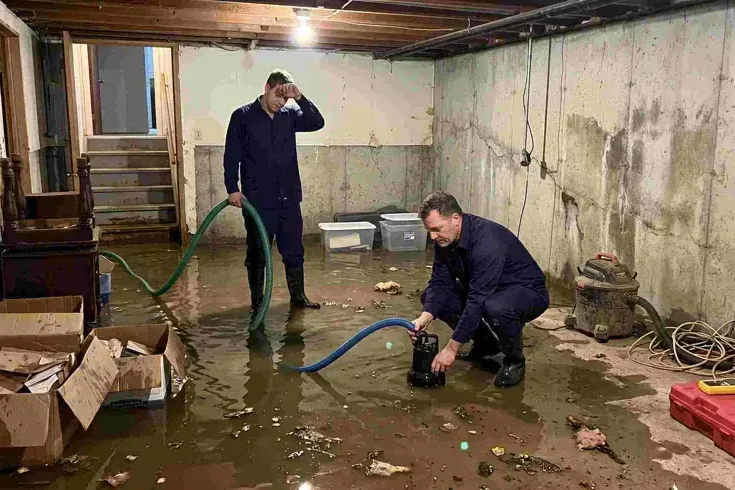
Pumps remove pooled water while extraction tools reach carpet, floor joints and low spots.
Service details ›
Structural Drying
Material readings determine equipment placement and the end of the drying phase.
Service details ›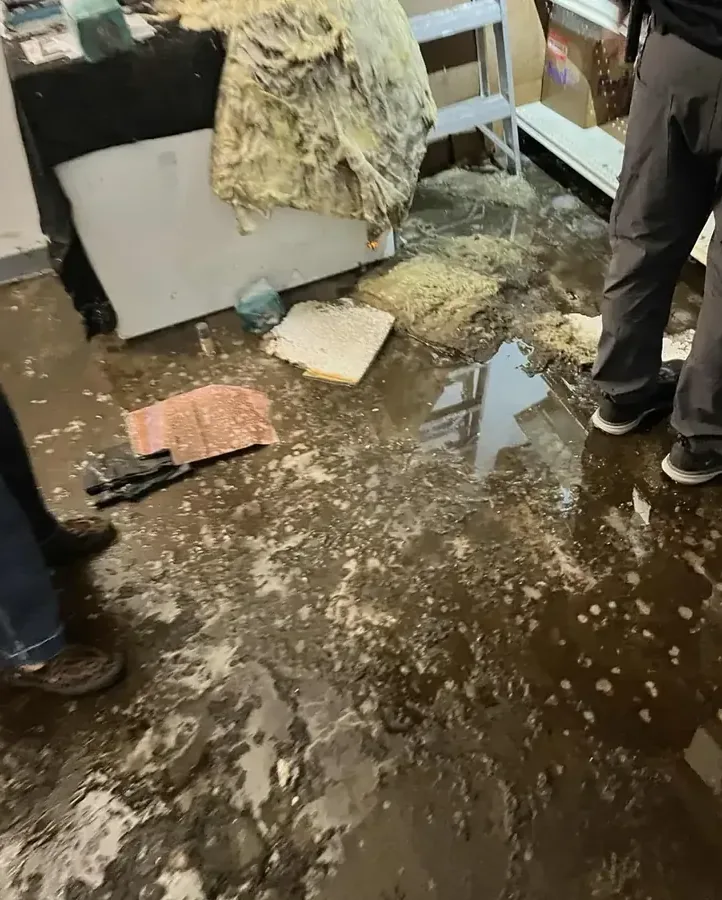
Sewage Backup Cleanup
Containment separates contaminated rooms while crews remove sewage-soaked porous finishes.
Service details ›Commercial Water Damage questions
Can the business remain open during restoration?
That depends on electrical safety, contamination, structural condition and the required work routes. The contractor organizes affected zones and identifies restrictions that the manager must consider before resuming occupancy or trading. The manager should coordinate with the owner and any relevant authority. Staff and customers must remain outside restricted areas even when another part of the premises looks dry.
Who needs to approve work in a leased property?
The tenant, owner and manager may control different parts of the premises. The contractor should identify the authorized decision-maker for access, removal and repair before work changes the building. Lease and insurance responsibilities need review by the relevant parties. The restoration team records approvals and physical conditions without deciding a contractual dispute between them.
How does the crew protect stock during extraction?
The assessment documents exposed goods and plans movement around clean routes where safe. The manager helps identify sensitive or valuable items. Building restoration does not automatically cover specialist contents work, and wet powered equipment needs appropriate attention. The scope should distinguish observed stock exposure from a conclusion that every item can be cleaned, dried or returned to use.
Why are readings organized by room or work zone?
Consistent labels connect the moisture map, photographs and equipment records. That makes changes easier to review and shows which materials remain wet. A single average can hide an inaccessible corner or dense assembly. The contractor reports progress for the monitored areas and identifies any zone that cannot yet receive a complete inspection.
Can staff move equipment to make room for customers?
Staff should coordinate changes with the drying contractor. Moving air movers, opening containment or disconnecting dehumidifiers can alter the planned environment and create cord or access hazards. The manager can discuss operational needs, but those needs must fit the safety and drying scope. The team records approved adjustments so later readings have useful context.
Does the restoration scope include business interruption losses?
The contractor documents physical damage and the work performed. Business interruption coverage and financial loss calculations belong to the policy review and relevant professional advice. The manager should ask the insurer what records are required. The drying schedule helps document the interruption period for the insurer to review under the applicable policy terms and limits.
What happens when hidden water is found after the first scope?
The crew documents the newly exposed area, explains why further access or drying is needed and obtains the appropriate authorization for changed work. Photos and readings should connect the addition to the inspected loss. Commercial fixtures and shared assemblies can conceal moisture, so the initial scope should clearly identify areas that were inaccessible during the first assessment.
Roslindale business water damage needs coordinated drying
The team documents affected zones, extraction and material readings while the manager coordinates safe access and remaining repairs.
(888) 480-6221Arrange business-interior assessment