Basement Water Removal in Roslindale, MA
Water on a basement floor can come from outside entry, a supply failure or a drain backup. The restoration team assesses the source in Roslindale before pumping, cleaning and drying affected below-grade materials.
(888) 480-6221Discuss the lower-level water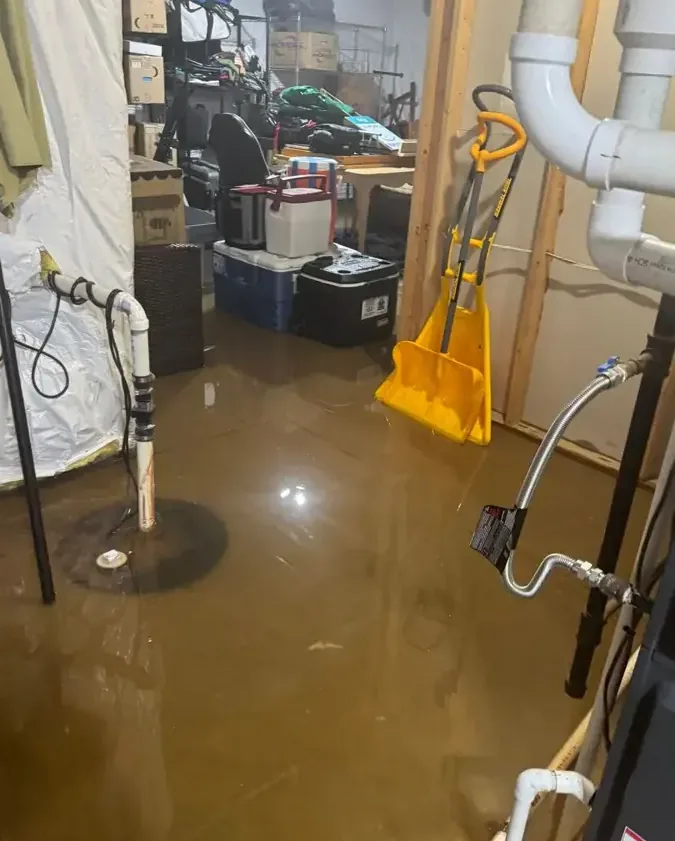
A basement floor collects water from different building systems, so the cleanup plan starts with the route of entry. At properties near Canterbury Street, Cliftmont Street and Washington Street, the crew checks the actual lower-level layout and source evidence. The documented Cliftmont Street main break is a reminder that water around a building need not originate inside it. The service does not assume that every local home has a basement or the same foundation construction.
How basement water removal proceeds
Establish a dry access route
The team checks electrical, structural and contamination concerns before entering the lower level. The owner reports active entry and the location of utility equipment from a safe position.
Determine the removal method
Depth, exterior conditions and discharge access inform pumping or extraction. The contractor identifies any specialist assessment needed before reducing water around a below-grade assembly.
Inspect after bulk removal
The crew checks the perimeter, stored contents and concealed finish layers. Cleaning and material retention decisions follow the source and contact, not merely the appearance of the cleared floor.
Monitor the remaining structure
Drying equipment addresses retained wall and floor materials after the cleanup stage. Repeated readings distinguish progress from continuing entry and support a clear record of remaining repair needs.
Identifying the source before choosing the cleanup
A supply leak, drain backup and outside runoff can leave similar-looking puddles but require different work. The contractor records entry points, residue and fixture observations. The appropriate plumbing, utility or building professional addresses the continuing source. The restoration crew evaluates the water and materials already inside, keeping contamination decisions separate from simple depth measurements.
- Note whether water enters through an opening, rises at a drain or appears near a supply appliance.
- Identify electrical panels, receptacles and equipment that make a wet access route unsafe.
- Record affected stored contents and finished wall or floor layers before extraction changes the scene.
- The removal record should identify exterior conditions considered before pumping and the discharge route used. Those details explain the assessed method without suggesting that a cleared floor permanently resolves the original source.
The owner may need to coordinate access through a separate apartment or shared utility area in a multi-family building. The scope should identify those arrangements rather than treating all below-grade space as one open room. A finished section and an unfinished storage section can also hold moisture differently even when the same event wets both.
Removing basement water and checking hidden edges
The pumping plan follows depth, access, contamination and structural conditions. The crew removes accessible water through a suitable discharge route and checks what remains under coverings or behind lower wall finishes. A concrete surface can look clear while adjoining wood or insulation stays wet. The technician maps those materials after the bulk water leaves.
Where outside water remains against the structure, the contractor considers pressure and safe removal conditions before rapid pumping. That decision may require specialist input. Once cleaning and necessary removal permit drying, air movers and dehumidifiers target the retained assembly. The technician monitors material progress and checks for renewed entry rather than treating each returning puddle as ordinary residual moisture.
- Separate porous material removal from cleaning of suitable retained surfaces.
- Check wall bases and room transitions after extraction exposes the perimeter.
- Document remaining source-control or drainage work outside the emergency removal scope.
Lower-level water needs safe access before pumping. Describe active entry, the affected rooms and whether electrical equipment sits near the wet area.
(888) 480-6221Review the basement water lossA wet basement is not a safe route to the panel
Residents should not enter water to switch a breaker, unplug an appliance or retrieve stored items. A shallow layer can still contact energized components, and contaminated water can leave unsafe residue. The restoration team assesses a safe route and coordinates qualified electrical attention. A weakened stair, loose finish or structural concern adds another reason to stay out. The household should describe conditions from a dry location and keep children and pets away from the access. Pumping equipment needs a planned power and discharge arrangement; an improvised setup should not create new hazards while trying to remove the visible water.
Ready.gov flood recovery precautions address re-entry and standing water. OSHA electrical safety material explains the need to manage energized equipment separately from water removal.
Tracking the lower-level dry-out
The record includes the source observations, initial water extent, removed materials and measurements of the retained floor and walls. It identifies inaccessible cavities and remaining repairs. The insurer evaluates the cause and policy, including distinctions among flooding, backup and sudden plumbing damage. The restoration team documents the work without promising coverage or describing pumping as a permanent defense against future entry.
What does basement water removal cost in Roslindale, MA?
Basement water removal and drying commonly range from $1,500 to $8,000. Depth, contamination, finished surfaces and access affect the total, while structural, drainage and plumbing repairs require separate scopes.
Limited accessible water
$1,500 to $3,000
- Pumping or extraction
- Perimeter inspection
- Initial drying setup
Finished lower-level damage
$3,000 to $5,500
- Floor and wall access
- Cleaning assessment
- Material monitoring
Deep or extensive spread
$5,500 to $8,000+
- Complex removal conditions
- Broader material scope
- Extended drying records
These ranges are estimates only. Water category, square footage, material class and the delay before drying affect the scope. The water damage cost calculator compares those variables before a property assessment.
What shapes the basement water removal plan
A source-specific scope
The contractor distinguishes outside entry, supply water and drain backup before selecting cleaning methods. That assessment prevents a contaminated loss from receiving only ordinary extraction and airflow.
Finished rooms need layer checks
Floor coverings and lower wall finishes can hide wet material. The technician checks those assemblies after the open floor clears and explains why selected access may still be necessary.
Pressure and power matter
Pumping is a building-safety decision as well as a removal task. Exterior water and wet utilities need assessment before the crew chooses equipment and the pace of removal.
A record of what remains
The completion notes identify drying results and separate drainage or plumbing work. The owner can then distinguish the current cleanup from repairs intended to address the source of entry.
Basement water removal coverage in Roslindale
The service area includes ZIP 02131, Roslindale Square, Adams Park, Washington Street, Belgrade Avenue, Cummins Highway, Canterbury Street and homes near the Arnold Arboretum. Crews assess each building's access and affected floors before placing equipment.
Coverage also includes Brookline, Hyde Park, Allston, Norwood and Holbrook.
Related water damage services in Roslindale
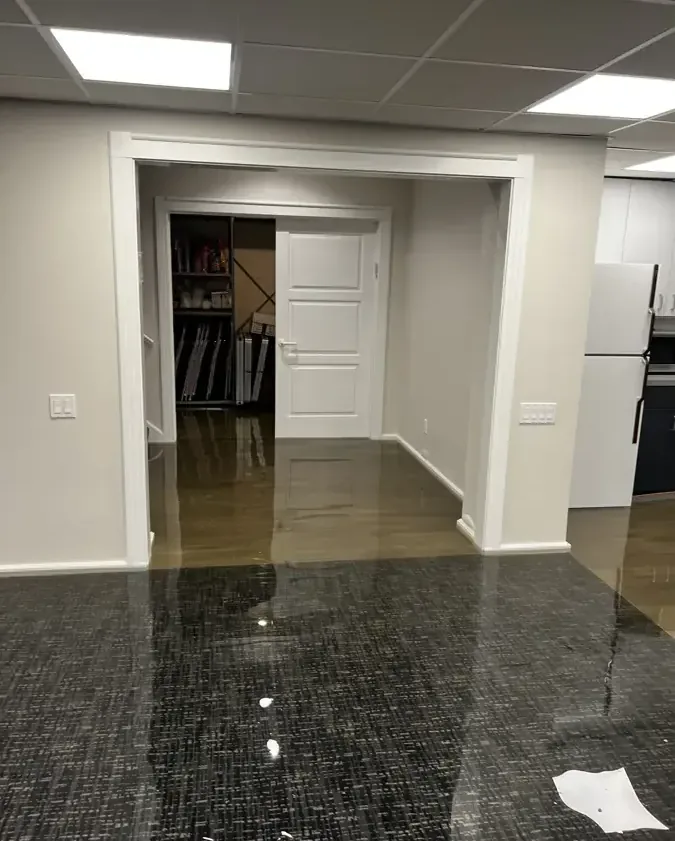
Sump Pump Failure Cleanup
Pump recovery and floor drying address separate parts of a rising-water problem.
Service details ›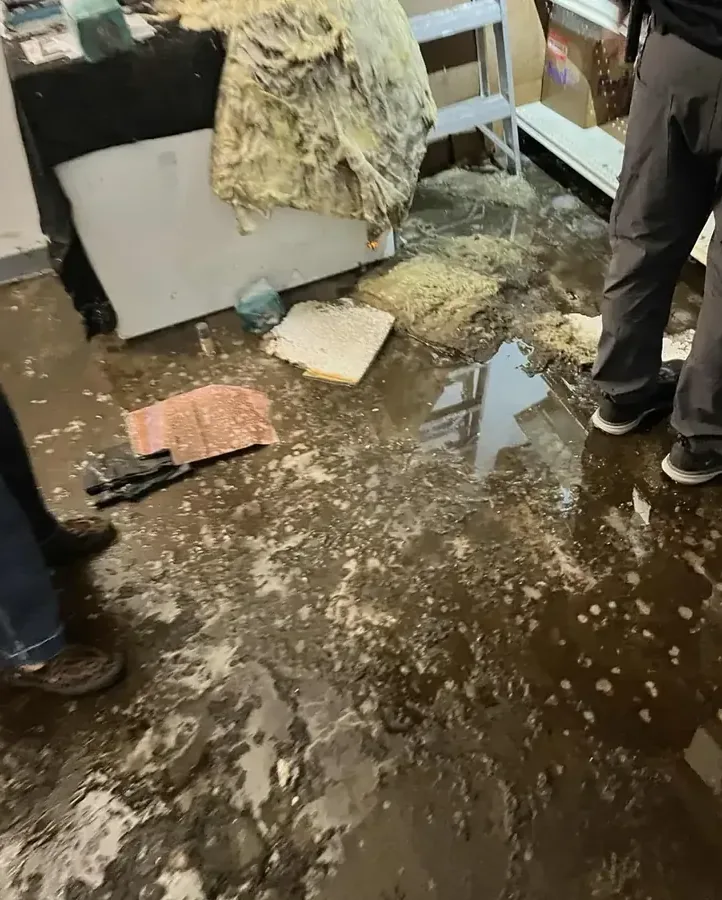
Sewage Backup Cleanup
Containment separates contaminated rooms while crews remove sewage-soaked porous finishes.
Service details ›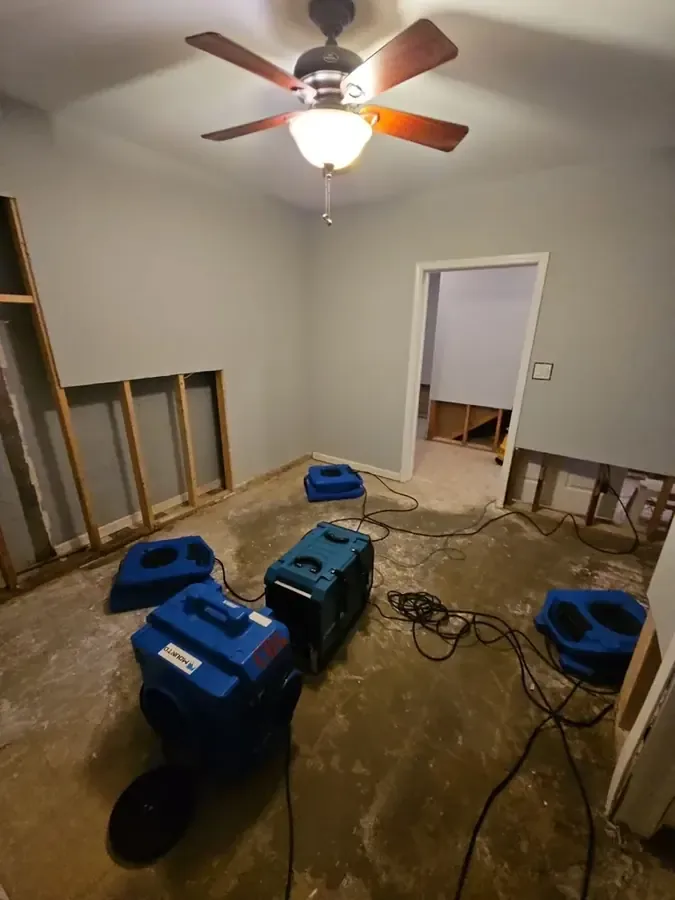
Structural Drying
Material readings determine equipment placement and the end of the drying phase.
Service details ›Basement Water Removal questions
Is it safe to walk through shallow basement water?
Even shallow basement water requires a safety assessment. Water can contact outlets, appliances or other energized components, and the source may introduce contamination. Residents should remain on a dry route and leave the assessment to the appropriate professionals. The restoration contractor also considers stairs, overhead finishes and structural conditions before setting an access plan for equipment and workers.
Can all basement water be pumped out immediately?
The contractor considers exterior water pressure, structural condition and a suitable discharge route before deciding how to remove it. Some situations need specialist input. The goal is safe removal, not simply the fastest drop in the visible level. The owner should avoid an improvised pumping setup that ignores wet electrical equipment or water remaining against the building.
How does the team tell runoff from a pipe leak?
The assessment considers where water enters, when it appears, residue and the status of plumbing fixtures or supplies. The relevant repair professional investigates the source. The cause investigation follows the entry route, checks active sources and records conditions at the affected property. The crew documents observations and keeps uncertain source questions separate from the confirmed wet materials.
Why are wall bottoms wet after the floor clears?
Porous finishes and the materials behind them can absorb water and retain it after pumping. The technician checks the perimeter, hidden cavities and floor layers. A clear concrete surface is only one observation. The contractor may need selected access for cleaning or drying and should explain that decision from the source, material condition and measured moisture.
Does a finished basement require different drying from storage space?
Finished walls, floor coverings and insulation create layers that can restrict access and evaporation. An unfinished area may expose more of the structure directly. The crew assesses both rather than assuming identical equipment or removal needs. Stored goods also require a separate condition record, especially when movement could spread contaminated water into clean rooms.
Will insurance cover the basement cleanup?
The policy and source determine coverage. Overland flooding, sewage backup and a sudden supply leak can receive different treatment. The owner should ask the insurer about the actual event and relevant limits. The restoration team provides source observations, photos and drying logs, but pumping or emergency work does not automatically establish that every cost is payable.
What happens if water returns during the drying period?
The contractor checks for continuing or renewed entry and updates the moisture map. The responsible plumbing, utility or drainage professional may need to revisit the source. The crew should not treat a fresh puddle as merely slow drying. Records distinguish the new observation from residual moisture so the next action addresses the reason the structure is wet again.
Roslindale basement cleanup starts with the source
The restoration crew removes water under assessed conditions and tracks the retained lower-level materials through drying.
(888) 480-6221Arrange lower-level assessment