Crawl Space Water Removal in Roslindale, MA
Water beneath a raised floor needs safe access and a clear source diagnosis. The restoration team handles crawl space water removal in Roslindale by checking pooled water, insulation and the underside of the floor.
(888) 480-6221Discuss the underfloor water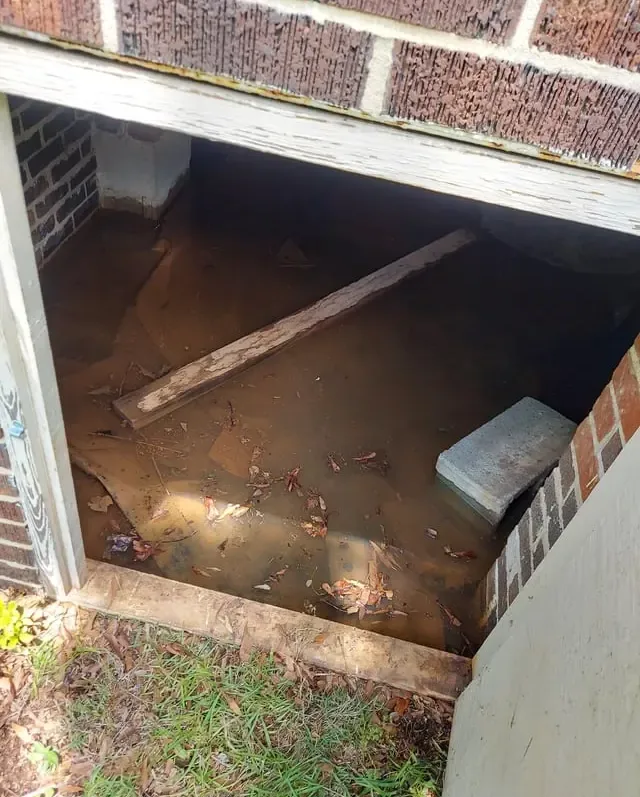
This service applies where the property actually has a crawl space; no townwide foundation assumption is necessary. Around Bussey Street, Belgrade Avenue and Cummins Highway, the contractor checks the available opening, utilities and condition beneath the floor before planning water removal. A low-access space can hide a plumbing release or outside entry while the rooms above show little visible change.
How crawl space water removal proceeds
Assess access before work
The contractor checks the opening, utilities, standing water and movement restrictions. The plan identifies conditions needing another specialist before workers or equipment enter beneath the floor.
Control the active source
The assessment separates plumbing leakage from outside water entry. The appropriate trade addresses continuing flow while the removal crew plans a suitable pumping and discharge arrangement.
Inspect the exposed assembly
After bulk removal, the team checks insulation, joists and subfloor surfaces. Contamination and condition determine necessary removal, and the record identifies areas that remain inaccessible.
Track underfloor drying
The technician manages air conditions and follows readings on retained materials. Any plateau triggers a review of remaining entry, ground moisture or blocked circulation before work is declared complete.
Determining whether entry and pumping are safe
The assessment considers restricted movement, standing water, wiring and the condition of the floor structure. Safe entry requires checking conditions beyond the opening, including utilities, standing water and the supporting structure. The restoration contractor determines suitable equipment and involves additional specialists when the hazard exceeds the proposed work. Source control also matters: repeated pumping does not repair a leaking pipe or prevent new runoff.
- Record where water collects and whether it continues to enter after fixtures stop using water.
- Check visible plumbing, insulation and floor supports from a safe position before deciding on the removal route.
- Plan equipment power, discharge and access without routing hoses through an unsafe or obstructed household path.
- Any inaccessible joist section should remain identified in the completion notes. The owner needs to know which materials were measured and which still require a safe opening or a separate structural assessment.
Roslindale's residential buildings vary, so the scope should describe the inspected space rather than assign a foundation type from a street name. The owner may need separate plumbing or drainage work while the restoration team handles the current moisture. Those tasks should not be confused with a promise of permanent waterproofing.
Checking insulation and the underside of flooring
Pooled water is only part of the loss. Insulation can hold moisture against framing, and the subfloor may absorb water from above or below. The crew assesses contamination and material condition before deciding what stays. Selected removal can expose wet joists and make the drying plan measurable instead of relying on a view through the access hatch.
The drying team controls humidity and airflow where conditions permit. Ground moisture, continuing entry and restricted circulation can prevent progress even when equipment runs continuously. Repeat readings on retained wood help distinguish a slowly drying assembly from a new water source. The contractor records inaccessible areas rather than claiming a complete inspection of space that could not be reached.
- Document wet insulation before disposal and identify the reason for removing it.
- Track the same joist and subfloor locations through the drying period.
- Keep drainage improvements, vapor-control work and structural repairs separate from emergency cleanup.
Water beneath the floor needs an access assessment before entry. Describe the opening, visible depth and whether plumbing or outside water may still feed the space.
(888) 480-6221Review the underfloor cleanupWhy household crawl-space entry is a poor first step
Residents should not crawl into standing water to investigate wiring, reconnect equipment or retrieve stored items. Restricted movement can make retreat difficult, and the space may contain contamination or damaged structural surfaces. The contractor evaluates entry conditions before assigning workers or placing equipment. The household can report sounds, odors and visible water from the access point without going beneath the building. A clear-looking puddle does not identify its source. Children and pets should remain away from the opening, and the work route should stay unobstructed while the team assesses pumping, cleaning and safe drying access.
OSHA confined-space information explains why access conditions need assessment. Ready.gov flood precautions address standing-water risks relevant to the initial safety decision.
Recording the underfloor condition
Photographs from safe inspection points, source observations and a map of checked framing make the scope easier to review. The record should distinguish inspected areas from inaccessible ones and note any remaining entry route. The insurer assesses the cause and policy. The drying contractor documents current restoration work without promising that pumping alone prevents another event.
What does crawl space water removal cost in Roslindale, MA?
Crawl space water removal and drying commonly range from $1,500 to $7,000. Access restrictions, contamination, insulation removal and the wet framing area affect the restoration scope; permanent drainage work is separate.
Accessible pooled water
$1,500 to $3,000
- Safe pumping access
- Initial framing checks
- Localized drying
Insulation and framing wetting
$3,000 to $5,000
- Selective material removal
- Underfloor air control
- Repeat wood readings
Restricted or extensive loss
$5,000 to $7,000+
- Difficult equipment access
- Broader cleaning scope
- Extended monitoring
These ranges are estimates only. Water category, square footage, material class and the delay before drying affect the scope. The water damage cost calculator compares those variables before a property assessment.
What shapes the crawl space water removal plan
Foundation facts come from inspection
The service applies to an actual crawl space, not every local home. The contractor records the construction and access found at the property before selecting a method.
Pumping is one stage
Removing the puddle does not dry insulation or repair the source. The work plan identifies the remaining material moisture and any drainage or plumbing task outside extraction.
A realistic access boundary
Limited access can leave part of a space unchecked. The contractor documents that limitation and the next action instead of treating a view through the opening as a full inspection.
Measurements on retained wood
Joist and subfloor readings support the drying decision. The building materials above the ground need repeat moisture readings to verify progress toward their drying goals.
Crawl space water removal coverage in Roslindale
The service area includes ZIP 02131, Roslindale Square, Adams Park, Washington Street, Belgrade Avenue, Cummins Highway, Canterbury Street and homes near the Arnold Arboretum. Crews assess each building's access and affected floors before placing equipment.
Coverage also includes Brookline, Hyde Park, Allston, Norwood and Holbrook.
Related water damage services in Roslindale
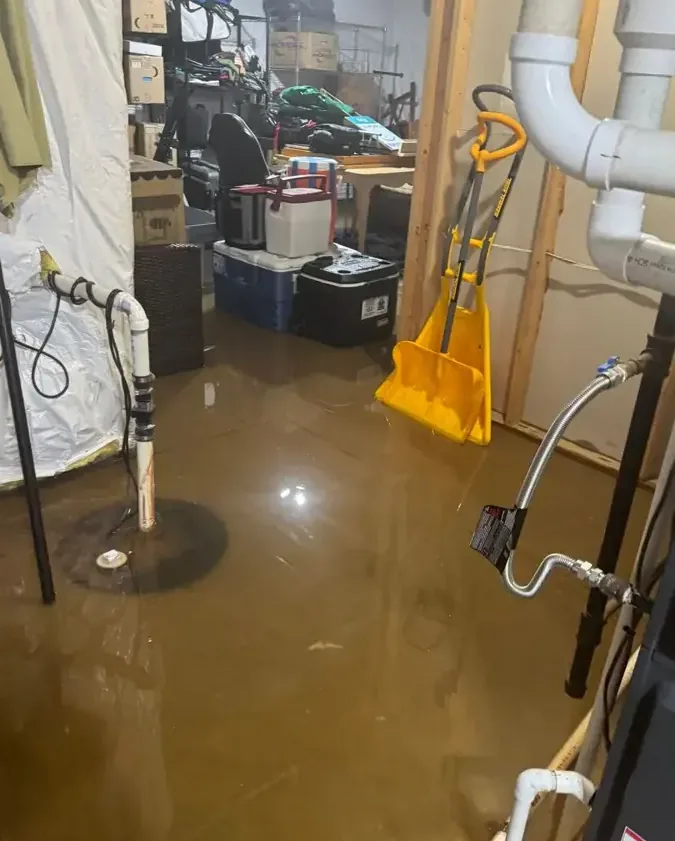
Basement Water Removal
Below-grade extraction starts with electrical clearance and the actual water entry route.
Service details ›
Structural Drying
Material readings determine equipment placement and the end of the drying phase.
Service details ›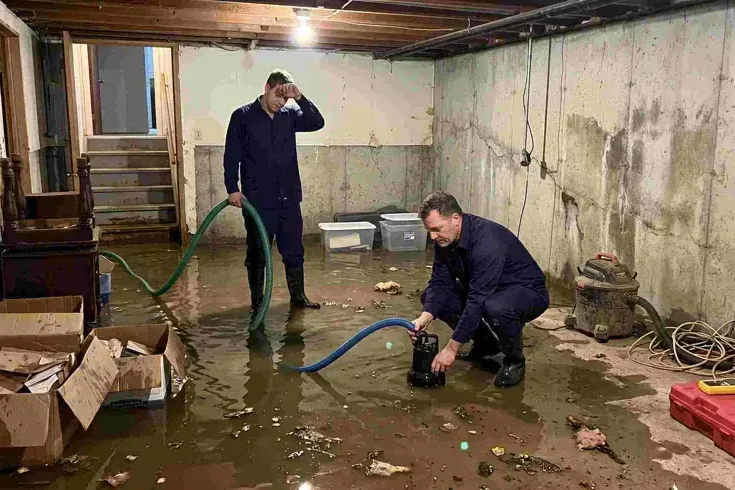
Water Extraction and Removal
Pumps remove pooled water while extraction tools reach carpet, floor joints and low spots.
Service details ›Crawl Space Water Removal questions
Does every home here need crawl space cleanup?
No. The service applies only when the inspected property has that underfloor space and a water problem within it. The inspection starts by identifying the foundation and the access available at the affected property. The contractor identifies the actual construction, access and source before proposing work. A basement or slab loss requires its own assessment rather than a renamed crawl-space procedure.
Can the owner inspect the water by crawling inside?
Standing water, restricted movement and utilities can make entry unsafe. The owner should report visible conditions from a safe position and leave the access assessment to the contractor. A narrow opening does not reveal every hazard inside. The team determines whether the proposed work can proceed safely or requires another specialist before workers enter.
Will pumping stop the moisture problem permanently?
Pumping removes the water currently present. A leaking supply, drainage issue or recurring outside entry needs separate source work. The restoration crew also checks moisture retained in insulation and framing after removal. The scope should identify those stages clearly and avoid presenting an emergency cleanup as a permanent waterproofing or drainage solution for the property.
What happens to insulation under the floor?
The contractor evaluates wetting, contamination and physical condition. Insulation that holds water against framing or cannot remain suitable may need removal to expose the structure for drying. The crew records that decision and the affected area before disposal. Replacement insulation belongs to the repair phase after the retained assembly reaches the appropriate condition.
How does the team check drying in a low space?
The technician records accessible joist and subfloor readings at repeat locations and monitors the air conditions supporting evaporation. The plan must account for limited circulation and continuing moisture sources. Any area that cannot be reached should remain identified in the record. A drying claim should not extend to uninspected framing without a method for verifying it.
Can the rooms above stay occupied?
That depends on the water source, contamination, structural condition and the work route. The contractor explains access restrictions and any effect on the occupied space. Equipment hoses, noise and safe electrical supply also need planning. Water below the floor requires inspection of the affected structure and any conditions that restrict use of the rooms above.
What evidence belongs with an underfloor claim?
Source findings, photographs, the inspected-area map and records of removed insulation help describe the loss. Daily readings document drying of the retained structure. The insurer decides coverage based on the policy and cause. The restoration scope should also list separate drainage or plumbing work and any access limitation that prevents a complete assessment at first.
Roslindale underfloor water needs a measured response
The team checks safe access, removes standing water and records moisture in retained joists and subfloor materials.
(888) 480-6221Arrange crawl-space assessment