Water Damage Restoration Brookline, MA
A soaked floor can conceal damage beneath cabinets and inside walls. Water damage restoration in Brookline starts by finding the entry point, removing accessible water and checking the materials underneath.
(888) 480-6221Discuss the wet rooms todayThe visible puddle is the starting point. Adjoining rooms and concealed layers also need a careful moisture inspection.
A clear plan for affected materials
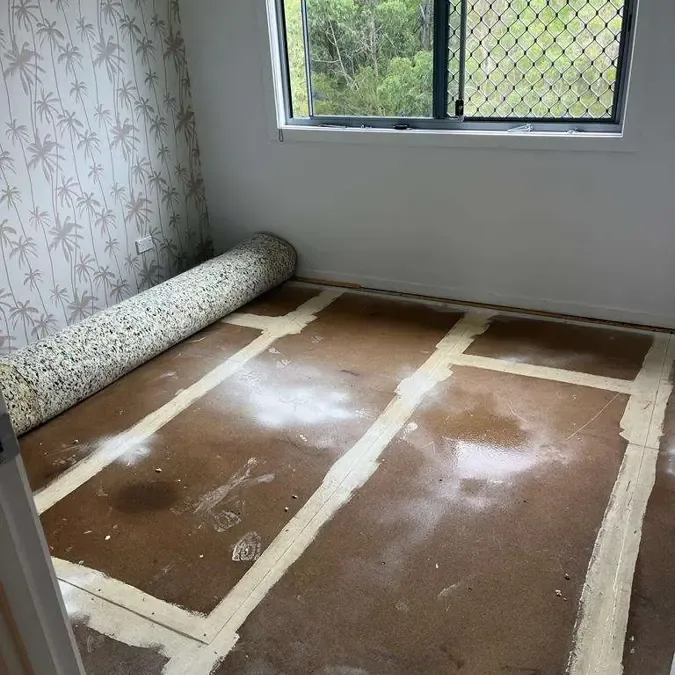
Drying decisions should follow the actual condition of wood, concrete and other assemblies. A surface that feels dry can still cover a damp layer, so measurements matter throughout the cleanup process.
Map affected surfaces
An initial inspection follows the water from its entry point into adjacent rooms and concealed spaces. Dry comparison areas help establish useful material targets.
Expose what needs access
Unsound finishes and trapped moisture may require selective opening. Removal decisions should account for water condition, salvageability and the ability to reach underlying materials.
Manage moisture movement
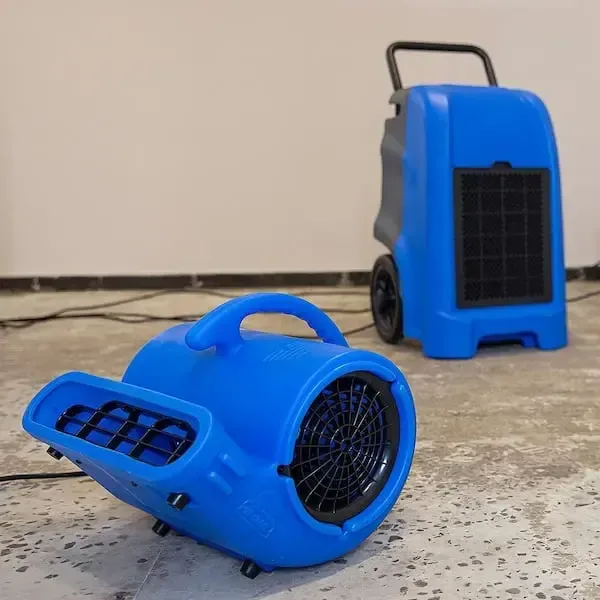
Air movement and dehumidification work together within the affected area. Equipment positioning should allow moisture to leave the assembly while keeping access routes usable.
Check before rebuilding
Repeat readings show whether the selected materials are approaching their targets. Unresolved wet areas need further inspection before finishes conceal the assembly again.
Water Damage Restoration Services in Brookline, MA
Different water sources call for different work. Select the affected area or failed fixture to understand containment, removal, drying and the checks that follow.
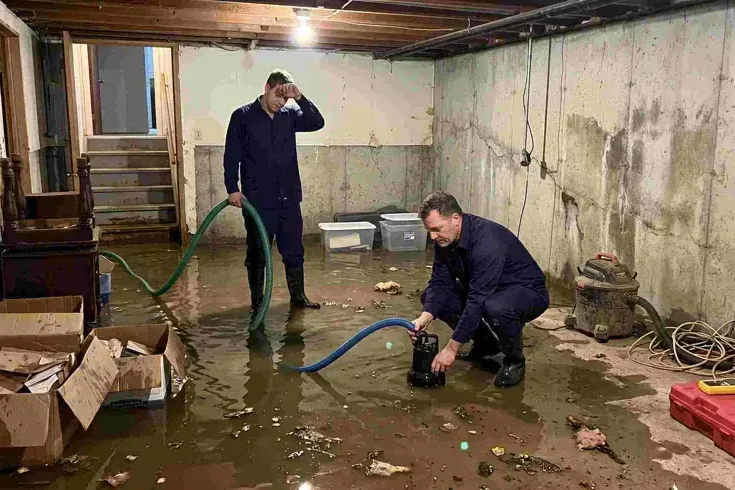
Water Extraction and Removal
Standing water is removed with equipment selected for the depth, access route and condition of the floor.
View service details ›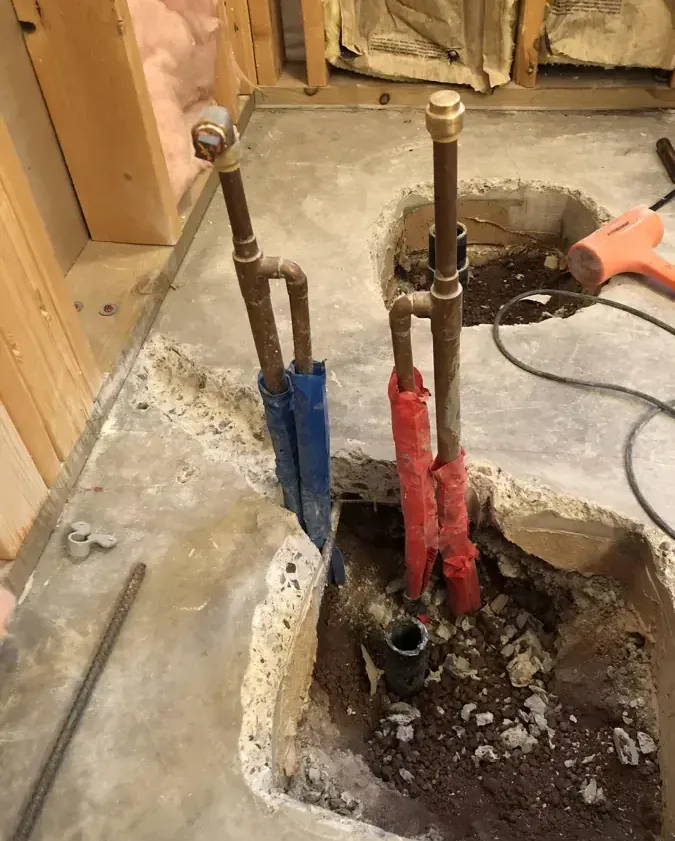
Slab Leak Water Damage
Moisture beneath a concrete floor needs source tracing before the opened area and neighboring finishes can dry.
View service details ›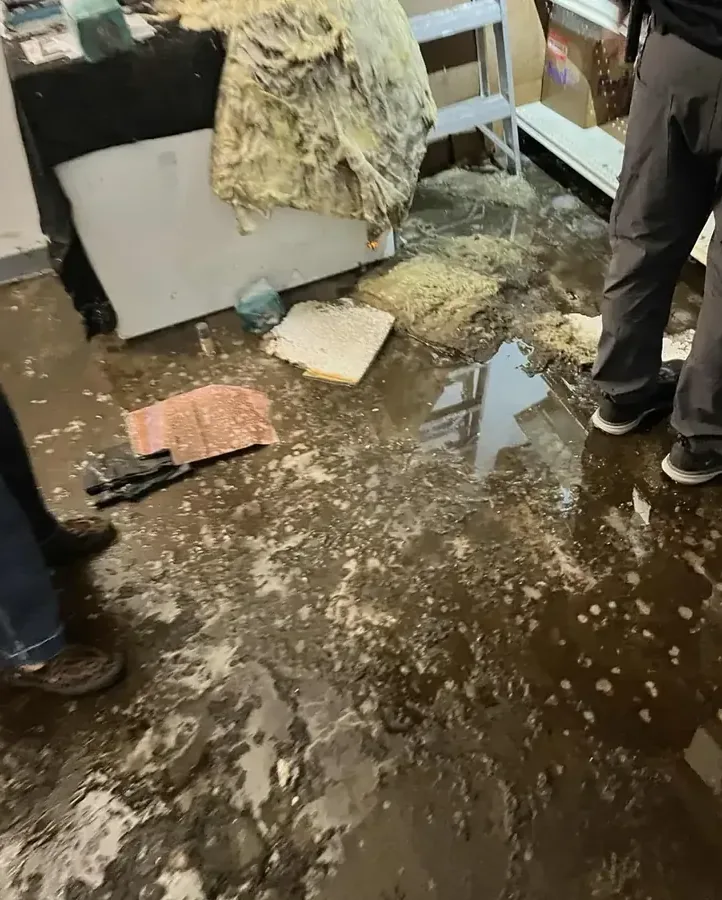
Sewage Backup Cleanup
Contaminated rooms require controlled access, removal of affected porous materials and cleaning before drying equipment is positioned.
View service details ›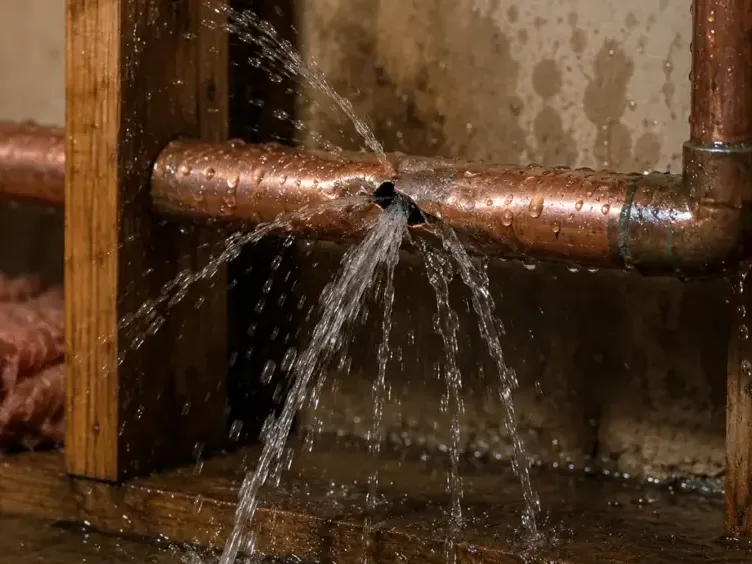
Burst Pipe Water Damage
A broken supply pipe can soak several rooms while the original spray remains hidden behind a wall.
View service details ›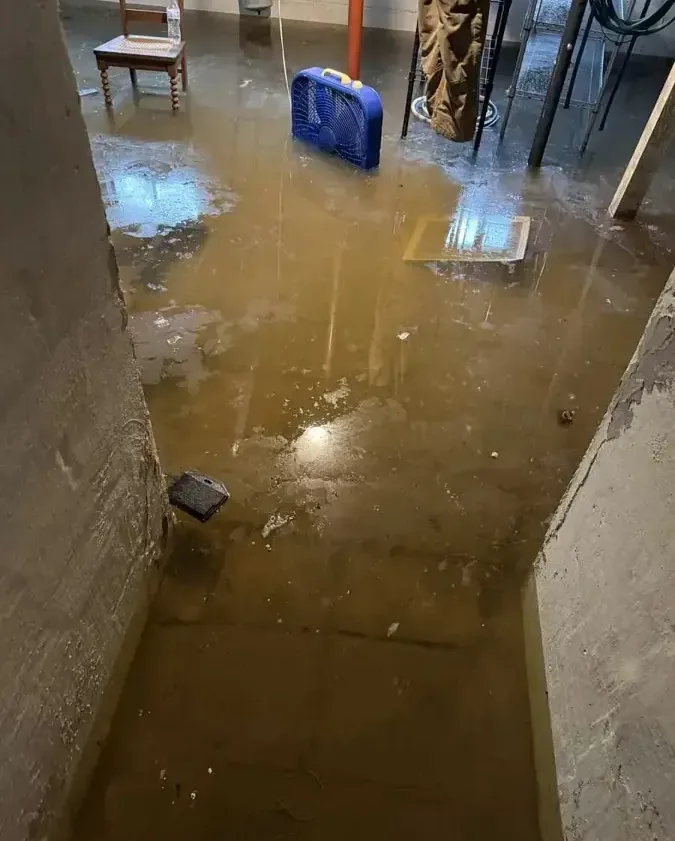
Storm and Flood Cleanup
Outside water leaves sediment and wet building layers that need assessment even after the weather has cleared.
View service details ›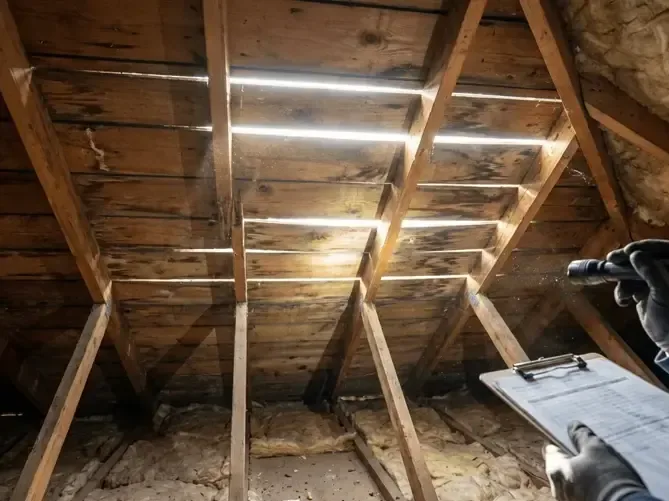
Roof Leak Water Damage
Rain entering overhead can travel along framing before staining an interior ceiling well away from the opening.
View service details ›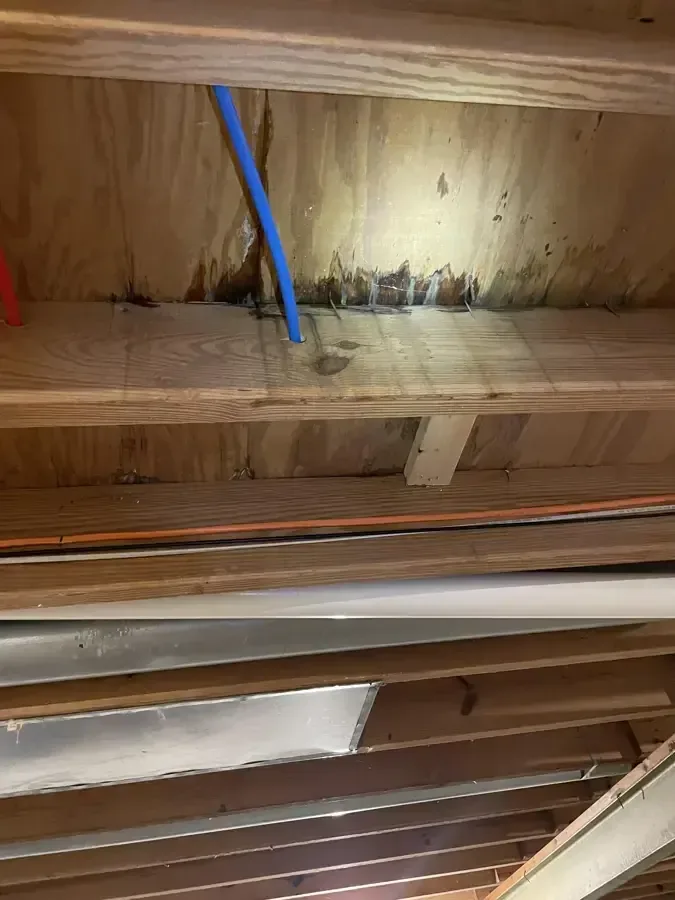
Ceiling Leak Water Damage
Drooping finishes need a safe inspection that connects the wet ceiling with the room or cavity above.
View service details ›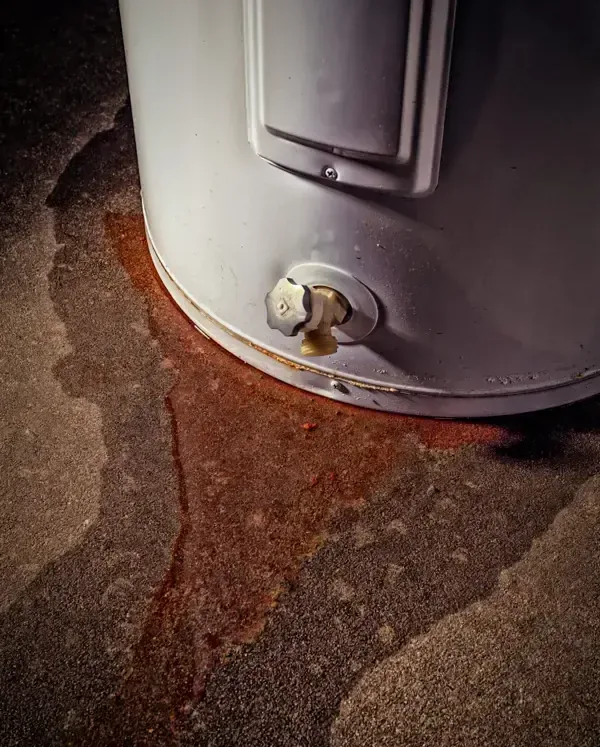
Water Heater Leak Cleanup
A leaking tank creates a drying job around its base, neighboring partitions and any affected floor covering.
View service details ›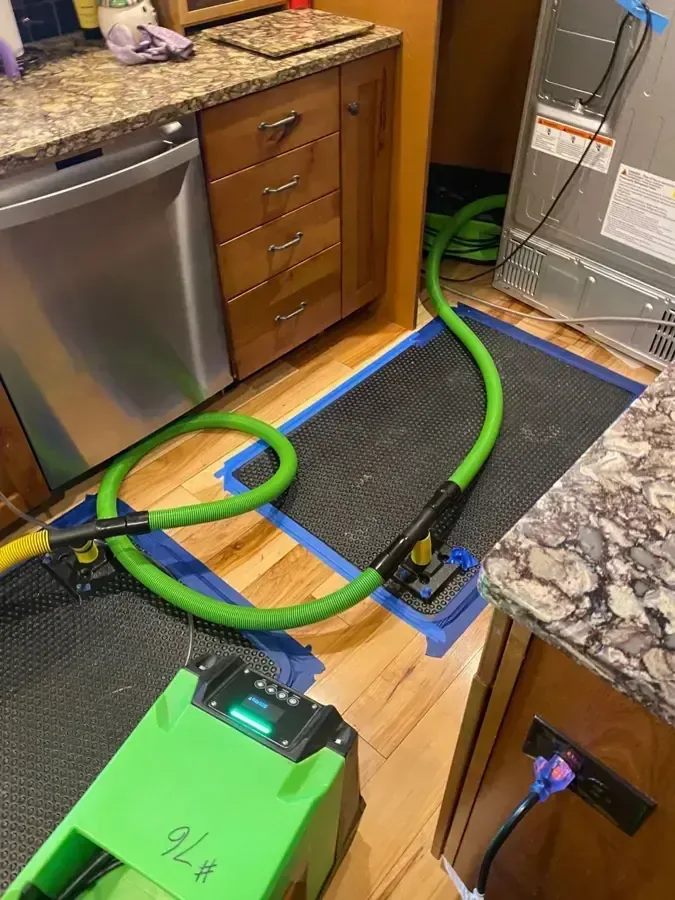
Appliance Leak Water Damage
Small appliance leaks can wet cabinet backs and flooring seams long before a puddle becomes easy to notice.
View service details ›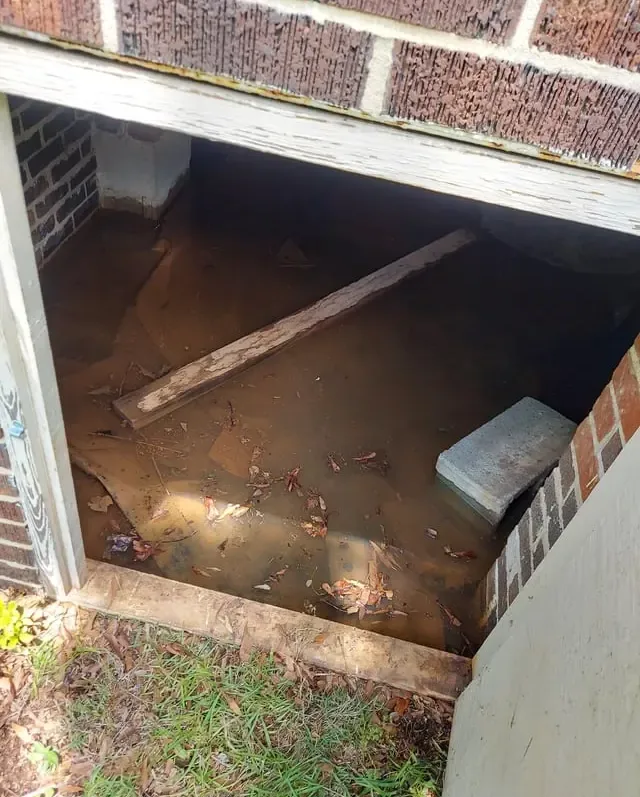
Crawl Space Water Removal
Where a crawl space exists, limited access changes how water, wet insulation and damp framing are handled.
View service details ›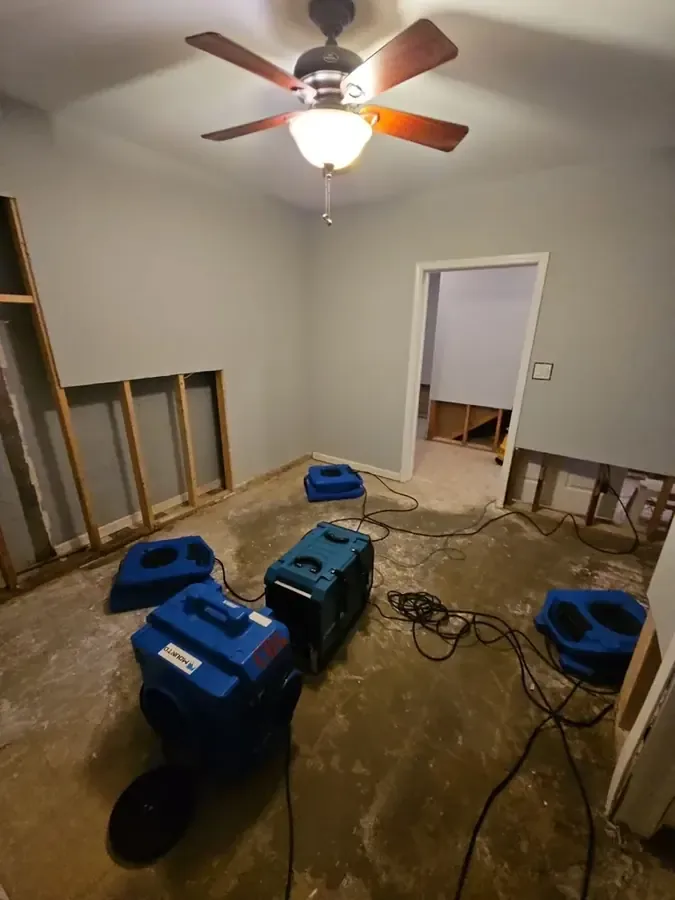
Structural Drying
Material readings help track moisture inside building assemblies after the standing water has already been removed.
View service details ›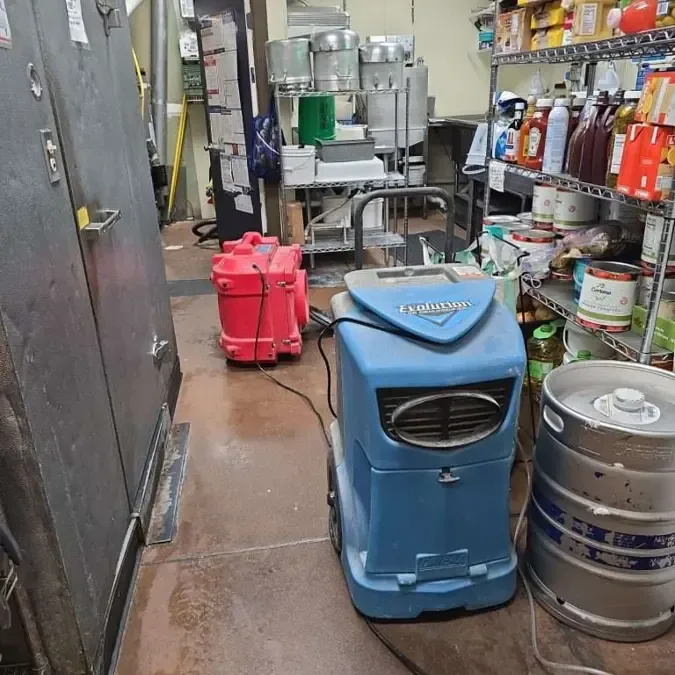
Commercial Water Damage
Retail cleanup planning separates affected stock and wet work areas from the routes needed by staff.
View service details ›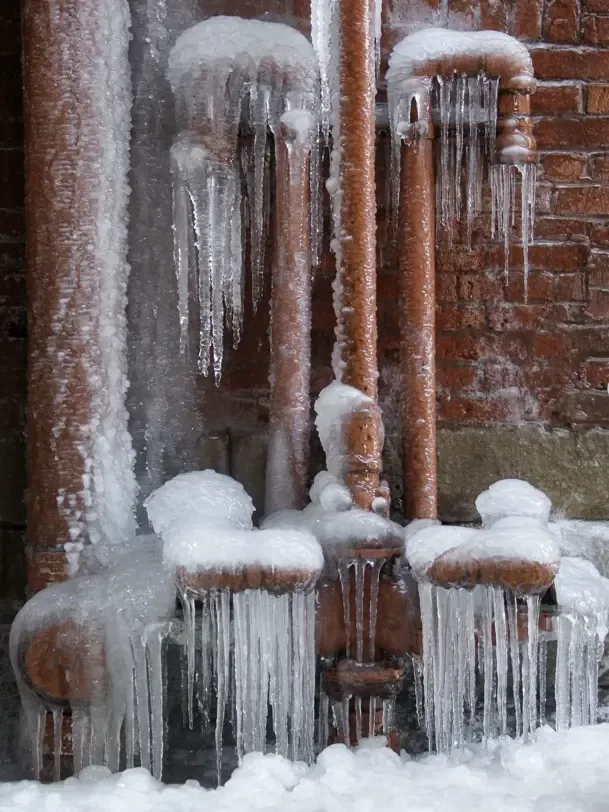
Frozen Pipe Water Damage
Thawing can reveal a split supply pipe and release water into insulation or a concealed wall cavity.
View service details ›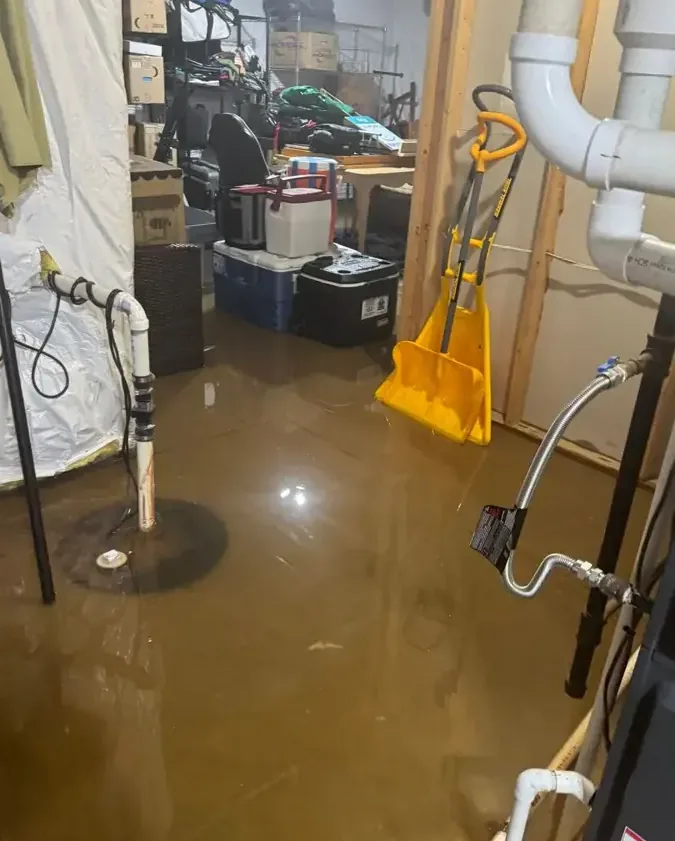
Basement Water Removal
An affected basement needs its water source identified before pumping, cleaning and decisions about finished lower walls.
View service details ›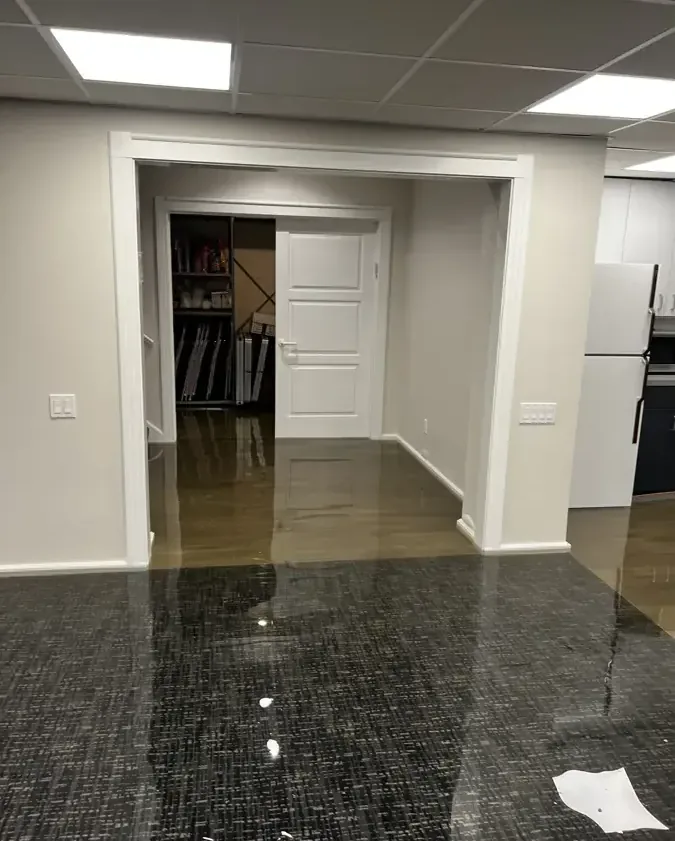
Sump Pump Failure Cleanup
Restoring pump operation addresses incoming water while separate cleanup work handles flooring and wall materials already soaked.
View service details ›Share the building access details
At a multiunit property, identify the affected floor and whether a building manager can provide access to neighboring rooms. Include any shared entrances that must stay clear.
For a detached home, explain where the water appeared and which spaces remain inaccessible. Mention a wet lower ceiling even when the original leak is upstairs.
A clear plan for affected materials
Useful restoration work connects the initial inspection with drying measurements, documented removal decisions and a defined handoff for repairs once wet materials have been addressed.
Rapid local response
Describe the active source and immediate hazards when arranging assistance. Access instructions and a clear account of the affected rooms help establish the first priorities for the visit.
IICRC S500 drying standard
A drying scope should consider water condition, material assemblies and moisture measurements. Equipment placement follows those findings, with progress checked before the affected area is closed for repairs.
Claim-ready documentation
Keep the cause investigation, room photographs and itemized cleanup records together. A readable record helps explain which materials were wet and why particular removal or drying work was necessary.
Local water experts
Large brick apartment buildings along streetcar routes require attention to connected spaces. Access arrangements should include neighboring units when the water path reaches a shared wall or ceiling.
The gear a real dry-out runs on
- Material specific goals
- Recorded moisture readings
- Equipment adjustments
Materials, equipment and access during interior cleanup
What does water damage restoration cost in Brookline, MA?
Water damage restoration costs in Brookline depend on the water source, affected layers and safe access. These planning ranges describe different cleanup scopes; an inspection is needed to price the actual rooms and materials.
Contained interior damage
$1,000 to $3,000
- Accessible wet area
- Limited finish removal
- Focused equipment placement
Several connected rooms
$3,000 to $6,000
- Broader moisture inspection
- Multiple drying zones
- Additional material handling
Extensive concealed wetting
$6,000 to $10,000+
- Complex cavity access
- Larger contaminated areas
- Detailed repair coordination
Pipe repairs, roof work and replacement finishes can involve separate estimates. Written scopes should distinguish water removal and drying from the work needed to repair the original cause.
Water cleanup across the town
Areas to mention when calling
Property ZIP details
Additional service areas
Review the wider service areaAll water damage categories covered in Brookline, MA
Supply water release
A freshly discovered supply leak still needs prompt assessment of contact surfaces and elapsed time. The material inspection determines what can be dried and retained.
Remove an indoor spillUsed appliance water
A dishwasher or washer discharge can carry soil into hidden floor layers. Cleanup planning considers the appliance cycle, affected finishes and the route beneath surrounding cabinets.
Inspect appliance water pathsSewage and outside flooding
Contaminated water requires separation from clean spaces and careful material removal. Cleaning comes before decisions about drying exposed structural surfaces and rebuilding the damaged room.
Plan contaminated room cleanupWater damage dried to the IICRC S500 standard
- Material specific goals
- Recorded moisture readings
- Equipment adjustments
Documentation for your insurance claim
An organized damage record connects the discovery, source repair and cleanup scope. Coverage decisions belong to the policy provider and depend on the individual loss.
- Photographs of each affected room before material removal
- Notes describing the source and discovery of water
- Lists of damaged belongings with supporting purchase records
- Plumbing or roof repair invoices identifying work completed
- Moisture records and an itemized invoice for cleanup
When paying for the work
A written estimate should identify affected rooms, anticipated removals and drying equipment. Ask how changes will be documented if opening a cavity reveals additional wet material.
Separate essential cleanup from optional finish upgrades. Keeping those decisions distinct makes it easier to compare the proposed work with the damage that actually occurred.
Practical first steps around a wet room
Stay outside unsafe areas
Keep people away from standing water near electrical equipment, a sagging ceiling or a visibly unstable floor. Arrange professional assessment before anyone enters.
Stop an accessible source
A safely reachable shutoff may limit an active supply leak. A plumber should handle a damaged pipe or fixture rather than an improvised repair.
Protect untouched belongings
Move dry items only along a safe route that avoids the wet area. Leave soaked contents in place when handling could spread contaminated water.
Record the visible damage
Photograph the water path, affected surfaces and damaged belongings from a safe position. Keep repair invoices and notes about when the problem was discovered.
Describe the whole spread
Include neighboring rooms, lower ceilings and inaccessible spaces when requesting cleanup. A small visible patch may connect to a larger area beneath the finish.
What can bring water indoors
Brookline includes urban districts, suburban areas and estates. Building layout and the source of a particular leak shape the cleanup, while nearby water features add another consideration for some properties.
River water entering buildings
Mapped high risk parcels concentrate around Leverett Pond and the Muddy River. At an affected building, inspection should identify entry openings, deposited sediment and the reach of wet materials.
Rain exceeding drainage capacity
Rainfall can exceed ground and drainage absorption. Water at a doorway or lower window needs its own source assessment, including the route taken across the floor after entry.
Water beyond private plumbing
A main break on Willard Road flooded two properties in October 2024. Source identification matters when the visible indoor water may have arrived from outside the private plumbing.
Shared building assemblies
Many apartment buildings predate the 1924 zoning change. A leak in a connected interior requires access planning and moisture checks beyond the room where the water first becomes visible.
Freezing weather and thawing
Average winter minimum temperatures fall below freezing. Exposed plumbing needs attention when a thaw reveals leakage, with wet insulation and neighboring finishes included in the damage inspection.
October 1996: After more than twelve inches of rain in October 1996, the Muddy River and Leverett Pond overflowed. Floodwater reached roads, stations and buildings during that storm.
Questions after water appears indoors
What should happen before wet flooring is removed?
The water source and condition should be assessed, followed by a map of affected materials. Flooring removal depends on contamination, damage and access to wet layers underneath. Photographs and measurements taken beforehand help explain the scope and preserve a clear record of the room.
Does a dry surface mean cleanup is complete?
A surface can dry while the backing, subfloor or wall cavity remains damp. Material readings provide a better basis for decisions than appearance alone. Completion should include checking the layers affected by the original water path and identifying any separate repairs still needed.
Can an upstairs leak affect a neighboring apartment?
Water may travel through shared framing or follow openings around pipes before appearing elsewhere. Building management should coordinate access when an adjoining unit is involved. The inspection needs to connect the visible damage with the source rather than stopping at the nearest stained ceiling.
How is river flooding different from a pipe leak?
Outside floodwater can carry sediment and contamination through entry points into the building. A supply leak starts within a plumbing system and requires a source repair. Both need material assessment, but water condition changes cleaning methods, removal decisions and protection of unaffected spaces.
Should belongings be moved before the inspection?
Dry belongings may be relocated along a safe path away from the affected room. Wet or contaminated items need more careful handling so water and residue are not spread into clean areas. Photographs of damaged contents should be taken before disposal whenever safe access allows.
Does the cleanup estimate include fixing the source?
Source repairs and interior restoration can be separate jobs. The written estimate should state whether plumbing, roofing or replacement finishes are included. A clear division helps coordinate the repair that stops incoming water with extraction, cleaning and drying of materials already affected.
What changes the amount of drying equipment needed?
The extent of wet materials, room layout and access to concealed layers all influence equipment selection. A closed cavity can need a different approach from an exposed floor. Progress readings should inform adjustments rather than leaving the original arrangement in place without checking results.
Can rooms remain occupied during water restoration?
That decision depends on safe access, water condition and the work area. Open ceilings, electrical hazards or contaminated materials can make an affected room unsuitable for use. A site assessment should establish boundaries and practical routes before occupants move through or beside the cleanup area.
What information helps when requesting water cleanup?
Provide the discovery time, likely source and a description of the wet rooms. Mention sagging finishes, standing water and any inaccessible spaces. For a shared building, identify a management contact who can coordinate entry to adjoining units and explain the arrangements for common entrances.
Make the next cleanup decision clearer
A focused inspection connects the water source with damaged materials and establishes what needs removal, cleaning and continued drying.
(888) 480-6221Discuss the cleanup scope