Slab Leak Water Damage in Brookline, MA
A damp concrete floor needs a source investigation before anyone assumes a buried pipe has failed. Brookline slab leak cleanup connects plumbing findings with the flooring and wall materials that absorbed the escaping water.
(888) 480-6221Discuss moisture beneath the floor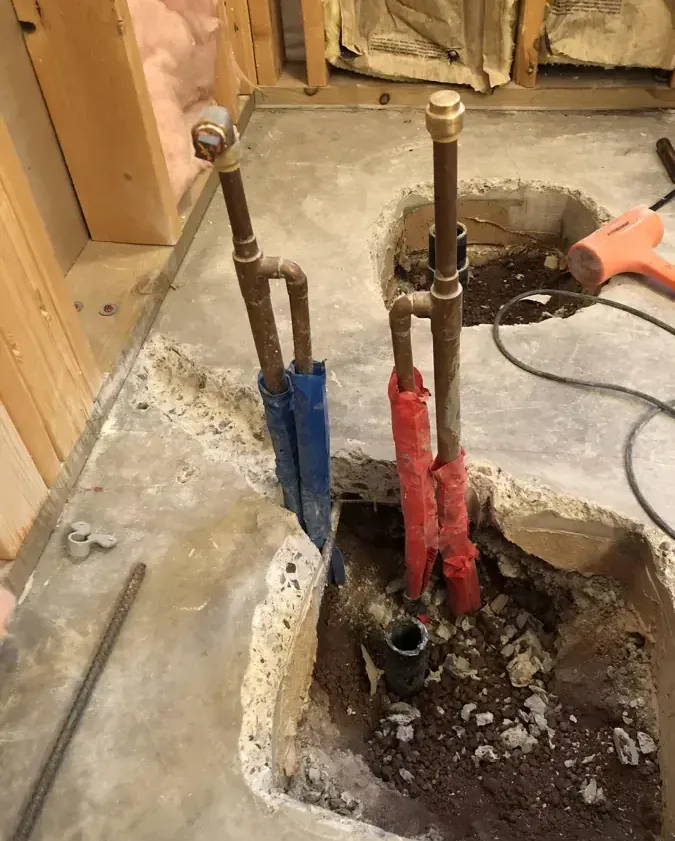
Darkened grout, lifting flooring or dampness along a wall can prompt concern about a pipe beneath concrete. Those symptoms deserve investigation, but the cleanup plan should begin with the water route rather than the name of the floor. A Brookline property may have water arriving from an internal supply, an adjacent room or an outside event. Finding that route determines which repair and drying steps belong together.
How slab leak water damage proceeds
Locate the release path
Review the discovery and source investigation, then inspect the concrete surface and adjoining walls. Mark moisture outside the plumbing access area so the cleanup boundary follows the water.
Expose affected floor layers
Remove unsuitable wet finishes as required and preserve photographs of the assembly. Coordinate that work with pipe access so the same area is not repeatedly disturbed without purpose.
Dry the retained materials
After source repair, address moisture held in the concrete and adjacent building components. Air conditions, surface access and material readings determine how the drying arrangement should be adjusted.
Prepare the floor handoff
Review the remaining material condition and document any repair requirements. Replacement finishes should follow suitable moisture checks and a clear record of the repaired water source beneath the floor.
Separate the floor symptom from the source
On October 9, 2024, a water main break flooded two Willard Road properties after a contractor drilling at a home struck the major main. The Massachusetts Water Resources Authority operated that damaged main. The event illustrates a practical distinction: water appearing inside a building can originate beyond the private underfloor plumbing. A plumber's findings should identify the actual damaged component before a concrete opening is planned.
- Record where moisture first appeared and whether it returns after the visible surface has been dried.
- Compare affected floor edges with nearby fixtures, wall penetrations and any known route of outside entry.
- Keep plumbing test results with the cleanup record so source repair and material drying address the same loss.
At a home in Fisher Hill or an interior near Boylston Street, the inspection should establish the existing floor assembly. Concrete may be exposed or covered by several finish layers. Knowing those layers helps determine how water reached the room and which materials block drying access. The findings should describe the actual property rather than assume a foundation arrangement.
Coordinate access with material recovery
An opening made for a pipe repair may reveal wet backing, adhesive or adjacent framing. Those observations belong in the restoration scope. Repairing the supply stops additional release, while moisture already held in concrete and neighboring finishes still requires attention. The work should distinguish the plumber's access area from the full wet perimeter, which may extend well beyond the excavation or removed floor section.
Where a covering traps moisture, selective removal can make the underlying surface available for inspection. Salvage decisions depend on the condition of the material and its ability to remain sound after drying. Water that reached the base of a partition may also require checking the wall cavity. Water extraction may be needed first if accessible pooling remains around the affected floor.
- Photograph exposed floor layers before debris is removed from the source repair opening.
- Check transitions into adjoining rooms for moisture beneath otherwise intact looking finishes.
- Identify the requirements of the replacement floor before deciding that the concrete is ready to cover.
Explain where the floor became damp and what the plumbing inspection found. Include any lifted coverings or moisture at nearby wall bases when arranging the cleanup assessment.
(888) 480-6221Review the wet floor assemblyDo not open the floor casually
Do not drill or break concrete to search for a leak without an appropriate assessment of the concealed services and structure. Keep occupants away from open floor sections, sharp debris and wet electrical equipment. A supply shutoff should be used only when it can be reached safely. Leave heavy floor removal and pipe access to the appropriate professionals. If the room contains standing water, avoid walking through it to reach a valve or appliance. Mark the affected area from a safe location and arrange access before moving stored items across it.
Document readiness for the next finish
A repaired pipe and a dry looking slab answer different questions. The repair record should explain what failed and what was corrected. The drying record should show the condition of the concrete and surrounding materials before new finishes are installed. Appropriate moisture testing depends on the assembly and proposed floor covering. Keeping those records together helps prevent a flooring decision from relying solely on the disappearance of the original stain or puddle.
For general household precautions, see Ready.gov flood safety and the EPA household leak checks.
What does slab leak water damage cost in Brookline, MA?
Slab leak cleanup in Brookline varies with the wet floor area, covering removal and access to retained materials. The following estimates concern water damage work; plumbing investigation, concrete access and replacement finishes may need separate pricing.
Limited floor area
$1,500 to $3,000
- Localized covering removal
- Exposed concrete checks
- Nearby wall inspection
Several wet layers
$3,000 to $5,500
- Backing and adhesive
- Broader surface access
- Extended material monitoring
Broad hidden spread
$5,500 to $7,500+
- Connected room damage
- Concealed wall wetting
- Complex floor handoff
These ranges are estimates only. Water category, square footage, material class and the delay before drying affect the scope. The water damage cost calculator compares those variables before a property assessment.
What shapes the slab leak water damage plan
A source led scope
The first assessment should connect the damp area with plumbing findings or a visible entry path. This keeps concrete access and interior cleanup focused on the actual problem.
Floor layers identified
Coverings, backing and adhesive can affect moisture access. Recording the assembly helps explain removal decisions and prevents a dry looking top layer from ending the inspection too soon.
Repair access coordinated
An underfloor pipe repair can require an opening that differs from the wet perimeter. Share the repair location with the cleanup team so surrounding materials also receive attention.
Reinstallation decisions supported
Drying records should address concrete and neighboring finishes before replacement flooring is scheduled. The proposed covering may require specific testing beyond the general inspection of a recently wet room.
Slab leak water damage coverage in Brookline
Floor moisture inspections can be arranged for properties in Aspinwall Hill, Buttonwood Village and Chestnut Hill. Explain whether the concrete is exposed or covered and whether water is still appearing after the supply is isolated.
The same service nearby: slab leak water damage in Roslindale, Allston, Hyde Park.
Related water damage services in Brookline
Water Extraction and Removal
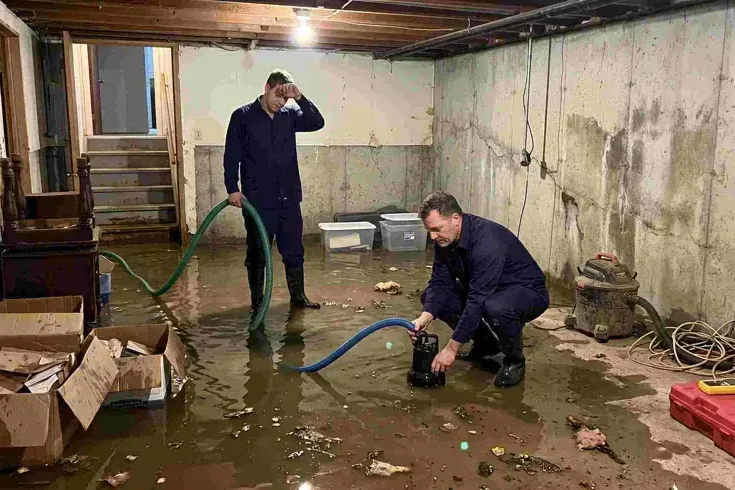
Pumps remove pooled water while extraction tools reach carpet, floor joints and low spots.
Service details ›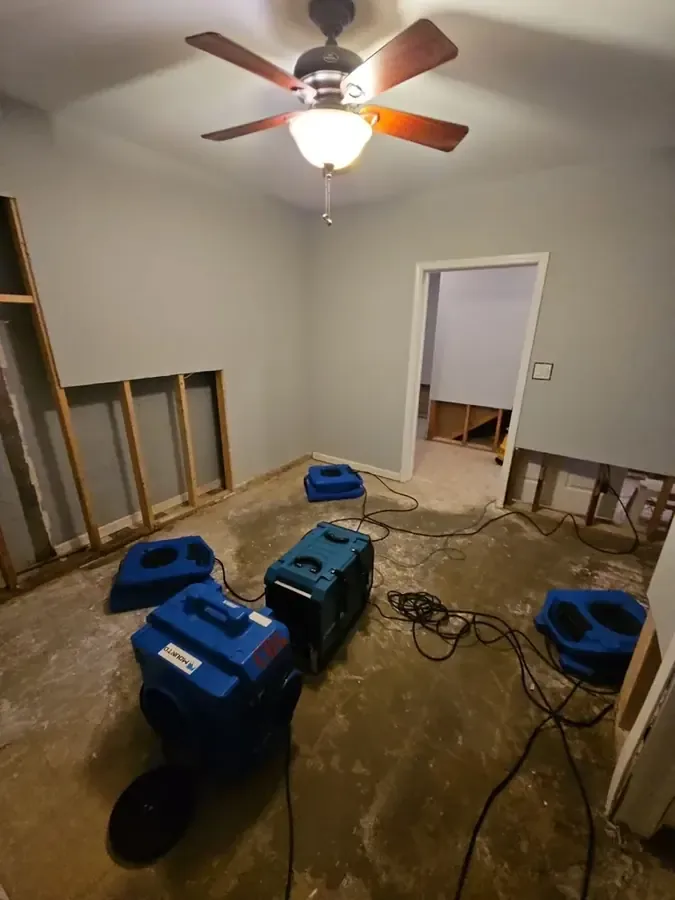
Structural Drying
Material readings determine equipment placement and the end of the drying phase.
Service details ›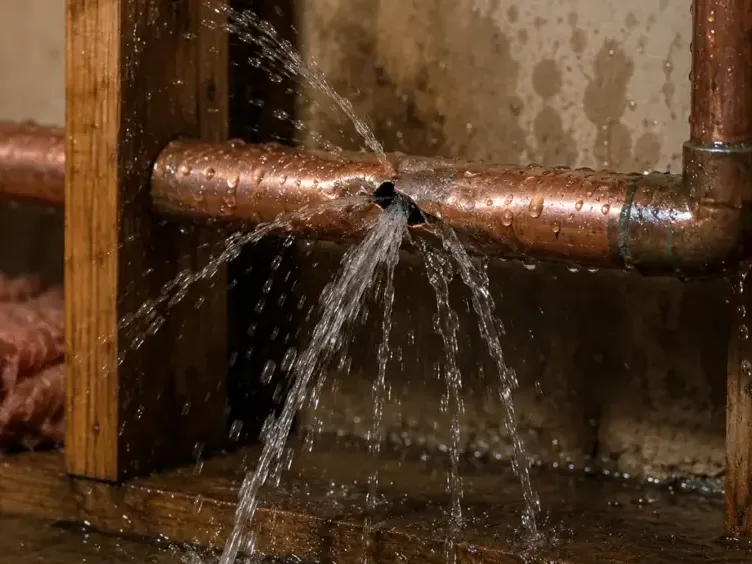
Burst Pipe Water Damage
A stopped supply leak still leaves wet wall cavities, insulation and floor layers to assess.
Service details ›Slab Leak Water Damage questions
Does a damp slab always mean a buried pipe broke?
Moisture at concrete needs a source investigation. Water may have traveled from a fixture, an adjoining space or an outside entry point. Plumbing findings and the visible water path should be considered together. The proposed cleanup should describe the damaged materials while the repair scope identifies the actual source of release.
Why can the wet area exceed the pipe repair opening?
Water can move beneath coverings and along floor edges before a leak is discovered. The opening needed to reach a pipe may therefore be smaller than the area requiring drying. Moisture checks should extend into neighboring finishes and wall bases instead of treating the repair opening as the boundary of the damage.
Can a floor covering be put back after the pipe is fixed?
The pipe repair stops the source, but retained moisture still needs evaluation. Concrete and adjacent materials should be checked for the requirements of the proposed covering. Reinstallation decisions also depend on the condition of the removed flooring. A repaired supply alone is not a substitute for assessing the assembly beneath a new finish.
Should a damp wall base be included in the floor job?
A wall base along the water path should be inspected. Moisture can reach the lower cavity or framing even when the upper finish looks intact. The scope should explain whether the wall needs access, removal or only monitoring. That decision should follow material condition and readings rather than the size of the visible stain.
Who handles opening concrete to reach the pipe?
Pipe location and access should be coordinated with the appropriate plumbing and construction professionals. The restoration scope addresses wet materials exposed by the release. Before work starts, the written plan should identify which contractor handles the opening, source repair and later reinstatement so those responsibilities do not remain unclear during cleanup.
What records help distinguish repair from restoration?
Keep the plumbing findings, photographs of the opened floor and invoices describing the repaired component. Add the moisture map and material removal record from the interior cleanup. Together, these show how the source repair relates to the damaged assembly while allowing separate charges for access, drying and replacement flooring to be understood.
Can drying continue with the concrete exposed?
Exposed concrete can allow inspection and moisture release, but the drying method still depends on the room and affected assembly. Surrounding wall bases and remaining coverings also need attention. Equipment should be monitored as conditions change, with suitable testing before any replacement finish conceals the surface and limits access again.
Connect the repair with interior recovery
A coordinated scope follows the water beyond the pipe opening and checks retained materials before the floor receives its replacement finish.
(888) 480-6221Discuss the underfloor damage