Slab Leak Water Damage Hyde Park, MA
A wet patch above concealed plumbing needs a source investigation before the floor is opened. Hyde Park slab leak cleanup addresses the damaged assembly after the leaking supply has been located and controlled.
(888) 480-6221Assess the damp floor assembly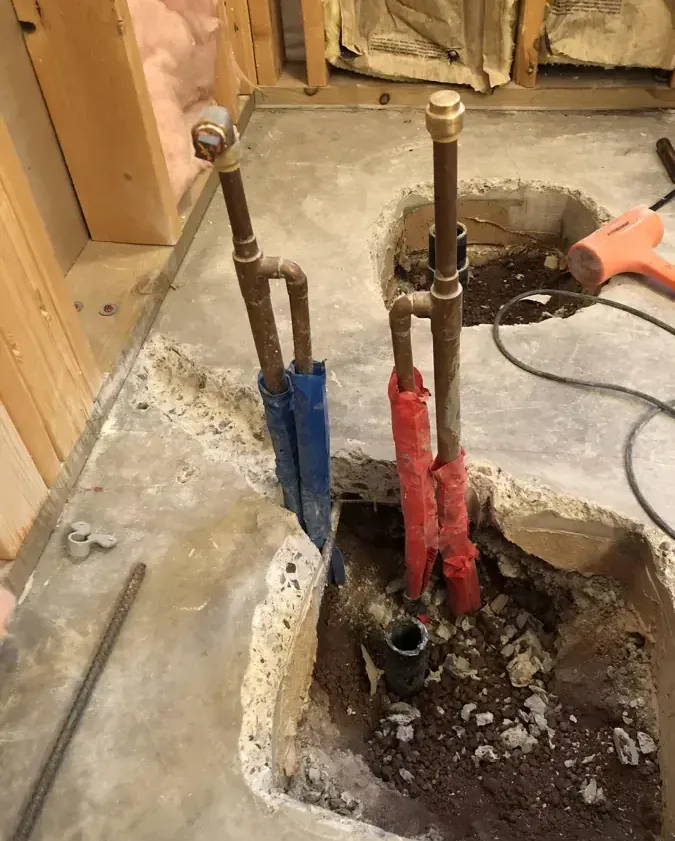
A floor that stays damp after surface cleaning deserves investigation below its finish. The problem may involve concealed supply plumbing, trapped water in an underlayer or spread from a nearby fixture. Slab leak water damage work in Hyde Park begins by distinguishing those paths. Repairing the plumbing stops new water, while restoration addresses the materials already affected. The two scopes need to meet at a clear handoff so fresh leakage does not undermine the drying effort.
How slab leak water damage proceeds
Trace the damp boundary
Inspection follows moisture across the floor and into nearby partitions, establishing where the affected assembly differs from dry reference areas before the repair opening is planned with the plumbing trade.
Expose the necessary section
Appropriate access allows the failed plumbing to be repaired and wet layers to be evaluated. Adjacent finishes and contents need protection while the opening and cleanup work are carried out.
Remove liquid and dry layers
Extraction addresses available water, followed by drying directed at retained floor components and nearby walls. Dense coverings or inaccessible spaces may require a revised approach as the assembly is evaluated.
Check before closing access
Material readings and the repair status are reviewed before finish work begins. The record should explain the completed drying scope and distinguish it from concrete patching or replacement flooring still required.
Read the floor before choosing an opening
Fairmount Hill has houses built in the late nineteenth and early twentieth centuries, including Italianate, Gothic Revival and Victorian styles. Those houses call for inspection of the actual floor assembly. Finish layers, previous alterations and access from adjoining spaces matter when selecting an opening. A moisture pattern can narrow the investigation, but a wet finish alone does not identify the exact concealed pipe location.
- Record whether dampness follows a wall edge, crosses a doorway or remains concentrated around a plumbing fixture.
- Compare affected floor materials with suitable dry areas to establish the extent of moisture beyond the visible mark.
- Document existing cracks, lifted edges and staining before access work changes the appearance of the room.
Properties along Fairmount Avenue may contain very different interior arrangements. An exposed utility area provides different access from a finished living room. The scope should describe the room that will be opened, how nearby contents will be protected and which surfaces require later repair. A broad demolition plan should not replace a careful source assessment.
Separate the pipe repair from wet material recovery
Once the source has been located, a plumbing professional addresses the failed section. Restoration then evaluates the surrounding floor and wall materials. Water can remain beneath an impermeable covering after the pipe is repaired, and a dry looking surface may conceal damp underlayment. Controlled removal, extraction and equipment placement need to work together rather than relying on a room fan to reach every layer.
Readville's historic warehouses and factory buildings add commercial interiors to the neighborhood's building mix. In a working space, floor access may affect stored materials and normal circulation. Dividing the damaged area into accessible sections can make inspection more manageable. The final plan should show what must remain closed and what conditions permit the next stage of work.
- Keep removed material descriptions with the photographs so later repair estimates reflect the original construction.
- Evaluate cabinet bases and wall bottoms where floor moisture has reached adjoining absorbent materials.
- Use the drying service when retained moisture remains after extraction and necessary access work.
Persistent dampness beneath a floor needs a defined source and a clear access plan. Describe the affected finish, nearby fixtures and whether the moisture continues returning.
(888) 480-6221Discuss concealed floor moistureMaintain a safe boundary around floor access
Occupants should stay out of an opened floor area and avoid probing a wet cavity. Concealed plumbing, electrical components and unstable edges require professional evaluation. Boston Water and Sewer Commission advises locating the water shutoff before a pipe emergency, making that information useful before access work begins. A shutoff should only be approached by a safe, dry route. Tools and powered equipment must remain away from uncontrolled water until suitable working conditions are established. Protective barriers should prevent children, pets and visitors from crossing the work area or stepping onto loosened finishes.
Rebuild after the remaining layers are assessed
The drying record should identify which layers were retained, where readings were taken and what remains inaccessible. Concrete, wood and adjacent wall materials respond differently, so completion depends on material condition rather than a single room humidity reading. When the source is repaired and the retained assembly reaches its drying goals, finish replacement can proceed with a clearer account of the loss. Photographs of the opened floor also help the repair trade understand concealed conditions before the surface is closed again.
For general household precautions, see Ready.gov flood safety and the EPA household leak checks.
What does slab leak water damage cost in Hyde Park, MA?
Slab leak water damage costs in Hyde Park vary with floor access, concealed spread and the number of wet layers. The ranges below concern restoration; plumbing detection, pipe repair and replacement finishes need clear estimate boundaries.
Limited floor area
$1,500 to $3,000
- Localized material exposure
- Accessible wet edges
- Focused drying arrangement
Several wet layers
$3,000 to $5,500
- Underlayment moisture assessment
- Adjacent wall checks
- Broader drying access
Broad hidden spread
$5,500 to $7,500+
- Multiple concealed areas
- Complex material separation
- Expanded moisture monitoring
These ranges are estimates only. Water category, square footage, material class and the delay before drying affect the scope. The water damage cost calculator compares those variables before a property assessment.
What shapes the slab leak water damage plan
A defined investigation area
The assessment maps floor moisture and adjacent wall exposure before selecting access. That record helps keep opening decisions tied to the observed spread and the construction found in the property.
Coordination around source repair
Plumbing correction and restoration require a clear sequence. The cleanup plan accounts for continued leakage, repair access and the point at which retained materials can begin drying without further wetting.
Respect for finish layers
A floor covering can conceal several affected components. Decisions about lifting, retaining or discarding each layer should reflect moisture, damage and contamination rather than the appearance of the top surface alone.
Documented readiness for repairs
The closing assessment records remaining material conditions and drying results. It also identifies any unresolved access or repair task so replacement finishes do not hide an incomplete portion of the loss.
Slab leak water damage coverage in Hyde Park
Slab related water damage assessment serves Hyde Park properties near Fairmount Avenue, River Street and Readville in 02136. The inspected floor construction and access to the leak shape the cleanup and drying scope.
The same service nearby: slab leak water damage in Roslindale, Brookline, Norwood.
Related water damage services in Hyde Park
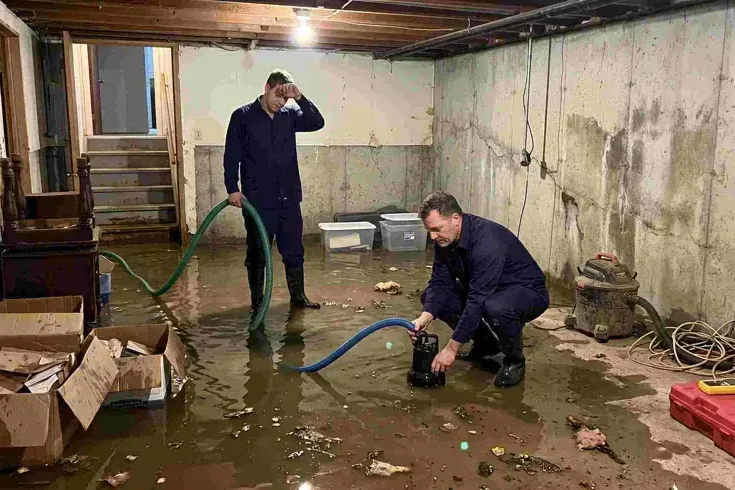
Water Extraction and Removal
Pumps remove pooled water while extraction tools reach carpet, floor joints and low spots.
Service details ›
Structural Drying
Material readings determine equipment placement and the end of the drying phase.
Service details ›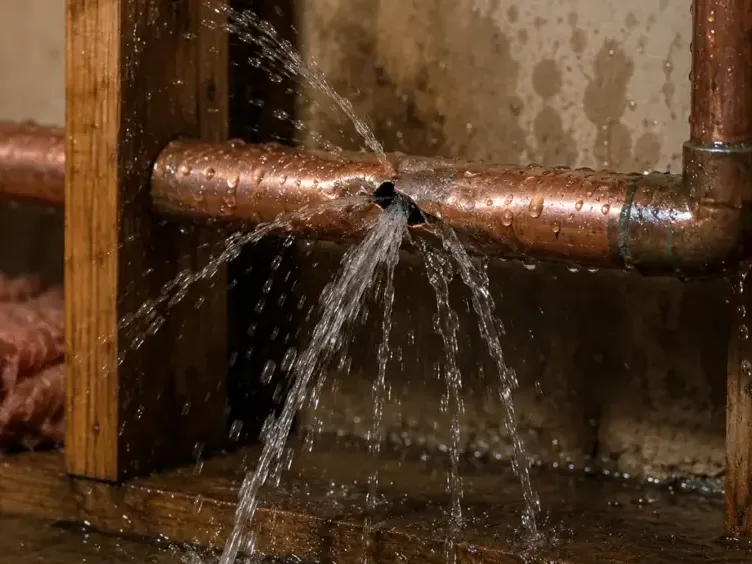
Burst Pipe Water Damage
A stopped supply leak still leaves wet wall cavities, insulation and floor layers to assess.
Service details ›Slab Leak Water Damage questions
Does a wet floor always mean a slab leak?
No. Water can travel from a fixture, appliance or nearby wall before appearing at floor level. The assessment needs to trace the source and moisture pattern rather than naming the cause from the stain alone. Plumbing investigation and inspection of adjacent spaces help establish whether concealed supply piping is actually involved.
Should the entire floor be removed to find the leak?
The access plan should follow the investigation and the condition of the assembly. A limited opening may provide useful access in some situations, while broader saturation or damaged layers can justify additional removal. The written scope should explain why each opening is needed and how retained materials will be checked afterward.
Can flooring stay in place during drying?
That depends on the covering, its condition and whether moisture can escape from the layers underneath. Dense finishes may trap water even when the room air is dry. Testing and selective inspection help determine whether the assembly can be treated in place or whether lifting a portion is necessary for effective access.
Who decides where the concealed pipe is opened?
The source investigation and plumbing repair requirements establish the repair access. Restoration assessment adds information about the water damaged materials around that location. Coordination helps prevent a repaired pipe from being covered before surrounding moisture is addressed, while also keeping the restoration scope distinct from the plumbing work itself and subsequent floor replacement.
Why inspect walls when the damage appears below the floor?
Water at floor level can reach wall plates, drywall edges and cabinet bases. Those materials may absorb moisture while the main puddle remains out of sight. Checking the adjoining surfaces establishes whether the loss extends beyond the repair opening and whether drying equipment needs to address more than the exposed floor section.
What should be photographed before the opening is closed?
Useful photographs show the access location, exposed layers, repaired source and remaining material condition. A record of moisture checks gives the images context. Keeping those details together helps explain the restoration work and allows a later finish contractor to understand the assembly that will be concealed again beneath the repaired floor surface.
When can a replacement covering be installed?
The leaking source must be corrected and the retained substrate must meet the drying and installation requirements relevant to the repair. Surface appearance alone is insufficient. The restoration record should identify completed checks, while the flooring installer assesses suitability for the proposed finish before adhesive, underlayment or other new materials cover the area.
Resolve the wet assembly before resurfacing
A coordinated inspection can connect the plumbing repair with extraction, material evaluation and the final drying checks needed before finish work.
(888) 480-6221Plan the floor assessment