Slab Leak Water Damage Norwood, MA
A damp patch that keeps returning deserves investigation beneath the finish. Cleanup coordinates the suspected pipe problem with floor access, moisture mapping and a drying plan for the layers that became wet.
(888) 480-6221Discuss recurring floor moisture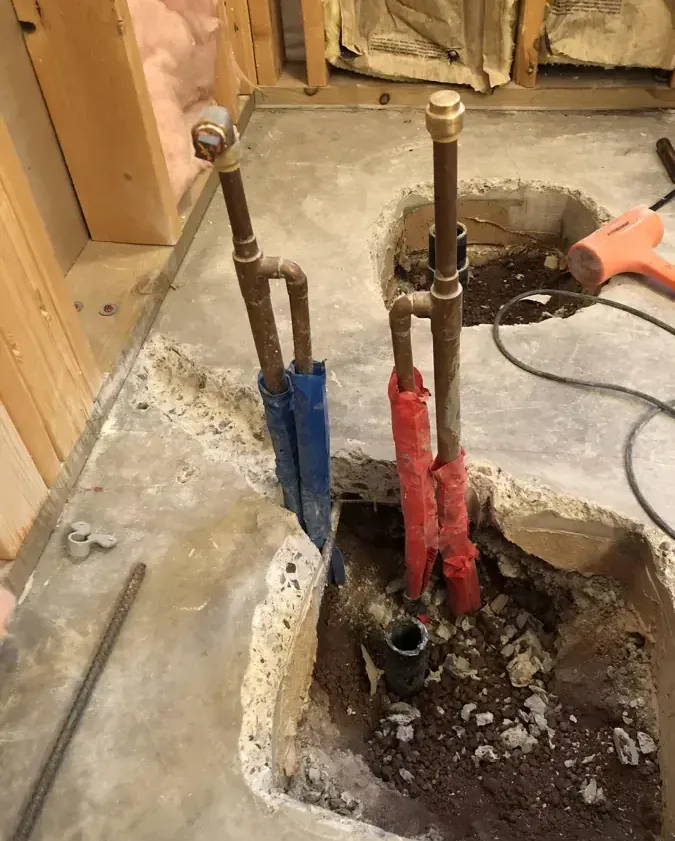
A lifted flooring edge or a persistently damp patch can be the first visible sign of water traveling out of sight. Slab leak water damage in Norwood needs a connected investigation: one part identifies and repairs the leaking pipe, while another traces the interior materials that absorbed the release. Opening a floor without that connection can leave the source unresolved or overlook wet layers outside the repair area. The affected assembly determines where the work goes next.
How slab leak water damage proceeds
Locate the affected assembly
The initial assessment maps visible changes and accessible moisture readings around the damp floor. Adjacent rooms and wall bases are included where the water path suggests a connected wet area.
Coordinate source correction
Pipe assessment and repair are arranged around the restoration findings. The scope distinguishes the plumbing work from removal of damaged finishes so each task has a clear role in the sequence.
Expose and dry retained layers
Necessary access allows wet materials to be examined and treated according to condition. Drying equipment is selected for the exposed assembly and adjusted as moisture moves out of the retained components.
Prepare the documented handoff
Comparable readings and material notes establish what changed during drying. Remaining substrate or finish requirements are identified so the next repair stage begins with an understandable record of the affected floor.
Trace the patch before choosing an opening
In a property near the Day House, the useful starting details would be the location of the wet patch, when it returns and whether adjacent rooms show similar changes. The inspection considers flooring transitions, cabinets and nearby walls. A moisture map can help define a suspected area, while pipe testing belongs with the professional addressing the plumbing. Neither task should be replaced by a guess based on the stain alone.
- Repeated darkening at flooring joints deserves inspection because a visible seam may be the exit point for water traveling underneath.
- Loose adhesive or a changing floor edge can lead the assessment toward layers that cannot be judged from the walking surface.
- Damp wall bases next to the floor may enlarge the restoration scope beyond the opening used to reach a damaged pipe.
The aim is a purposeful opening with a reason for its location and extent. Access needed for plumbing repair may expose only a small part of the wet assembly. The restoration assessment follows moisture beyond that opening and records retained finishes that still need testing. This separates repair access from the broader question of how much of the interior became wet.
Concrete, finishes and adhesives dry differently
A hard surface can conceal a wet bond layer, underlay or neighboring wood component. Drying decisions depend on the layers actually present. At a building on University Avenue, the condition of those materials would shape the work regardless of how the property is used. Flooring that blocks evaporation may need selective lifting, while sound exposed materials may be candidates for a controlled drying approach.
Once the pipe has been repaired, repeat readings help distinguish residual moisture from continuing water entry. Equipment works on the retained assembly rather than simply blowing across an intact finish. For a broader explanation of the monitoring stage, see drying concealed and exposed materials. Replacement flooring should follow appropriate readiness checks for the product and substrate, with those requirements coordinated during the repair handoff.
- Identify each retained layer and the route available for moisture to leave that material.
- Record changes at comparable locations so progress can be evaluated over successive visits.
- Separate plumbing access work from finish replacement when the estimate describes the complete loss.
Explain where the floor stays damp and whether a pipe repair has already occurred. The assessment can then connect the visible patch with the concealed layers needing attention.
(888) 480-6221Review the damp floorAvoid creating another hazard at floor level
Occupants should not cut, drill or break into a floor to search for a suspected pipe leak. Concealed utilities and an uncertain water path make exploratory demolition a poor first response. Wet electrical cords and floor outlets also require a protected area. A known accessible shutoff may help limit a release, but controls should never be reached by crossing unsafe water. Loose floor sections need to stay out of normal foot traffic until assessed. Photos taken from a stable dry surface can preserve the condition without disturbing the assembly or exposing hidden services.
Make the repair handoff specific
A South Norwood property with a completed pipe repair still needs a clear answer about its wet floor. The restoration record should identify the area opened, material removed, remaining moisture and the basis for moving into finish work. An owner can then discuss substrate preparation and replacement finishes with a defined starting point. The local restoration hub explains how source control, contents decisions and drying fit together when more than the floor was affected.
For general household precautions, see Ready.gov flood safety and the EPA household leak checks.
What does slab leak water damage cost in Norwood, MA?
Slab leak water damage estimates in Norwood reflect floor access, affected layers and the extent of concealed wetting. The ranges below address restoration planning; pipe work and replacement finishes should be identified separately in the scope.
Limited floor area
$1,500 to $3,000
- Focused finish access
- Localized moisture mapping
- Small drying setup
Several wet layers
$3,000 to $5,500
- Broader substrate exposure
- Adjacent material checks
- More involved monitoring
Broad hidden spread
$5,500 to $7,500+
- Connected floor areas
- Extensive access needs
- Complex material recovery
These ranges are estimates only. Water category, square footage, material class and the delay before drying affect the scope. The water damage cost calculator compares those variables before a property assessment.
What shapes the slab leak water damage plan
An opening with a purpose
Access decisions follow observed moisture and the pipe investigation. This helps limit unnecessary disturbance while ensuring the repair opening does not become the assumed boundary of all water damage.
Attention beneath the finish
The walking surface is only one part of the assembly. Underlay, adhesives and adjacent wall bases are considered when the inspection establishes how far the water traveled from the source.
Repair and drying coordination
A corrected pipe stops new water from entering, while restoration addresses moisture already retained. Keeping those tasks connected helps explain the work sequence and avoids an early finish replacement.
A usable floor record
Moisture notes identify locations and material conditions over time. The final record helps the owner understand which layers remained, which were removed and what information accompanies the subsequent flooring repair.
Slab leak water damage coverage in Norwood
Properties near University Avenue, the Day House and South Norwood can request assessment of recurring floor wetness. ZIP 02062 access details should include the affected level and any rooms connected by the damp flooring.
The same service nearby: slab leak water damage in Roslindale, Hyde Park, Brookline.
Related water damage services in Norwood
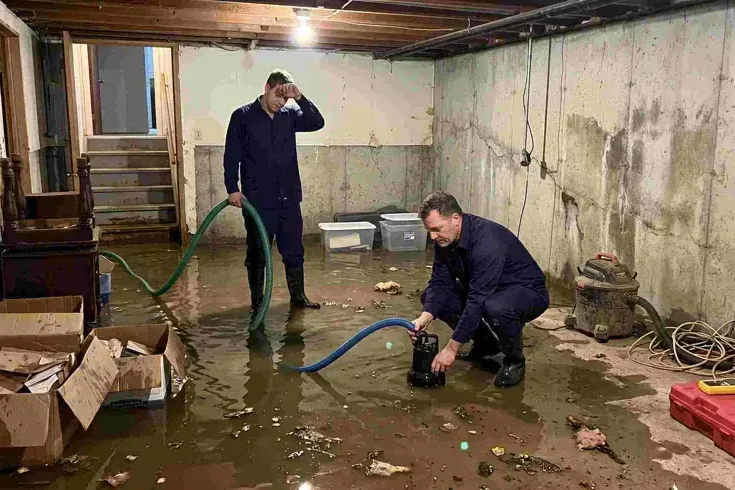
Water Extraction and Removal
Pumps remove pooled water while extraction tools reach carpet, floor joints and low spots.
Service details ›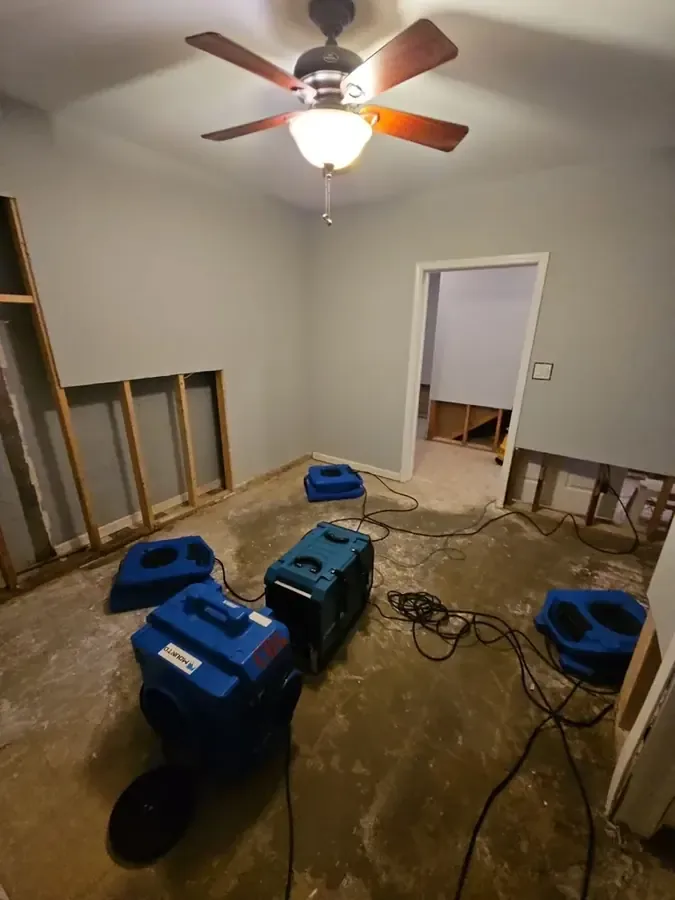
Structural Drying
Material readings determine equipment placement and the end of the drying phase.
Service details ›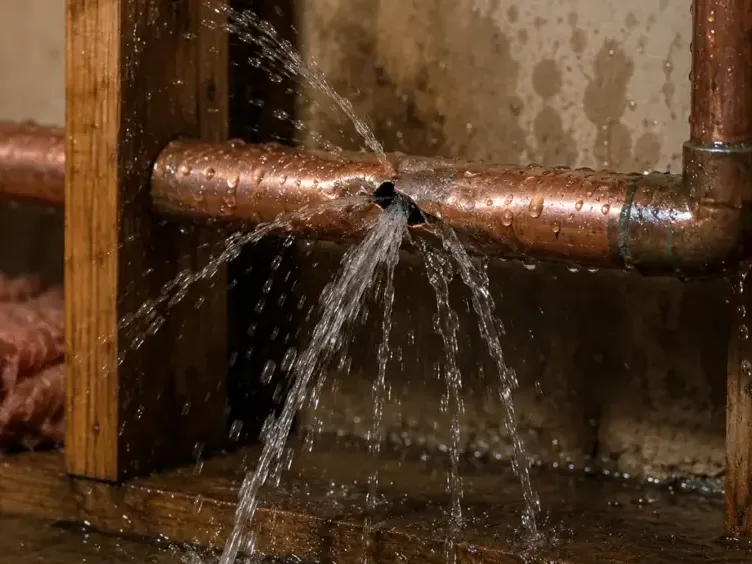
Burst Pipe Water Damage
A stopped supply leak still leaves wet wall cavities, insulation and floor layers to assess.
Service details ›Slab Leak Water Damage questions
Does a wet floor always mean a slab leak?
No. A floor can receive water from an appliance, nearby plumbing or another room. The source investigation should establish what is feeding the wet area before repair access is chosen. Restoration can map the damage, but the appearance of a damp patch alone is not a diagnosis of the plumbing beneath the surface.
Why check the wall beside the wet floor?
Water may travel along the edge of a floor and enter absorbent wall materials. A wall base can remain damp after the open surface clears. Checking it helps define the true restoration area and whether access is needed there. The plumbing repair location and the outer boundary of the water damage are often different questions.
Can the floor stay in place while drying?
That depends on the finish, its condition and the layers beneath it. An intact surface can restrict evaporation from a wet substrate. Some assemblies allow targeted drying, while others need selective removal for access. The decision should account for whether the material can be retained and whether moisture can actually leave the layer being treated.
Is the pipe repair included in the estimate?
The estimate should state that explicitly. Plumbing diagnosis and repair may be a separate service from interior removal and drying. An owner should know which work is authorized and how the two tasks connect. The restoration scope needs to address water already in the building even after a repair professional has stopped the leak.
Why take readings after the leak stops?
Stopping the source prevents additional wetting but leaves existing moisture behind. Readings show whether that moisture is moving out of the retained materials. They also help identify a location that is not responding as expected. A consistent record gives the drying plan a basis for adjustment instead of relying on the floor looking better.
When can replacement flooring be installed?
Installation follows drying and the readiness requirements of the replacement system. A flooring professional may need specific substrate checks before adhesives or finishes are applied. The cleanup record should identify the retained materials and their condition at handoff. Covering a damp substrate too early can trap moisture beneath an otherwise attractive new surface.
Should occupants lift a loose section themselves?
Loose flooring can hide wet edges, sharp fasteners and concealed utilities near a repair area. It is better to keep the damaged section out of foot traffic and let the assessment determine safe access. Photographs from dry ground can document the change without enlarging the opening or disturbing materials before their condition has been recorded.
Resolve the moisture beneath the finish
Arrange a floor damage assessment before new materials cover the affected substrate and hide its remaining condition.
(888) 480-6221Discuss the floor layers