Burst Pipe Water Damage Hyde Park, MA
Pressurized water can cross a room before its source is obvious. Hyde Park burst pipe restoration follows the release from the failed connection into wall cavities, floor edges and rooms below the break.
(888) 480-6221Discuss the pipe water spread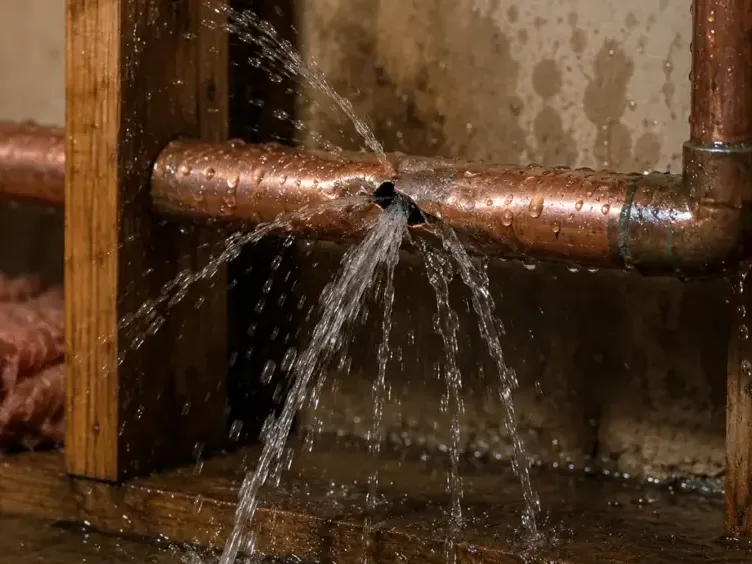
A broken supply pipe can wet areas well beyond the point where water first appears. Spray inside a partition may drain to the floor, run beneath a doorway and stain a ceiling below. Burst pipe cleanup in Hyde Park therefore starts with the failed plumbing and expands along the observed path. Closing a safe, accessible shutoff limits further release, but the materials already holding water still need inspection and a defined restoration plan.
How burst pipe water damage proceeds
Limit the active release
Safe source control comes first, followed by an inspection of electrical and overhead conditions. The reported pipe location and visible spread establish which rooms should remain closed while the assessment proceeds.
Remove the available water
Extraction addresses puddles and suitable wet floor coverings while contents are assessed. Water paths across thresholds and down into lower rooms are recorded so concealed spread remains part of the working scope.
Expose and treat retained moisture
Selective access makes wet components reachable where intact finishes obstruct drying. Equipment then addresses the remaining assembly, with material checks showing whether placement or the scope needs adjustment during the work.
Assess the completed assembly
The final assessment checks source status and drying results before closing the restoration phase. Documents should identify affected rooms, removed materials and the repair tasks still required to return the interior to use.
Map the release while its path remains visible
Water marks, swollen trim and wet contents help establish the loss boundary before extraction changes the scene. The assessment checks both sides of the affected wall and any room below it. A pipe repaired through a small opening can leave a larger area of wet insulation or framing beyond the plumber's access. That surrounding moisture belongs in the restoration scope.
- Photograph the failed location and visible water tracks before damaged finishes or belongings are moved.
- Inspect connected closets and room corners where water can collect out of immediate view.
- Check ceilings below an upper level release, keeping occupants away from any swollen or unstable area.
Fairmount Hill includes older houses in several architectural styles. In an affected house, wall construction and past alterations influence where water can travel. A property near Fairmount Avenue may have different access than another along River Street, so equipment and opening decisions follow the individual interior.
Coordinate repair with removal and drying
The plumbing repair stops the release; restoration removes available water and evaluates the wet assembly. Water trapped beneath a covering or behind insulation may need selective access before equipment can work effectively. Materials that have lost their integrity need assessment for removal. Retained framing and subfloors need measurements that show how drying is progressing rather than a judgment based solely on surface appearance.
Boston Water and Sewer Commission advises locating the shutoff before a pipe emergency. Its cold weather guidance also identifies open windows, air vents and drafts near water pipes as concerns. Those details are useful when reviewing how the failure occurred and what a plumbing professional should address after immediate source control. Cleanup should not leave the owner without a clear next step for the failed supply.
- Separate pipe repair charges from extraction, material removal and drying in the written work scope.
- Recheck adjoining finishes after water removal to find areas that stayed damp beneath trim.
- Arrange ceiling damage assessment when the release has reached a lower room.
A supply break can affect more than the room where it is found. Describe the pipe location, wet levels and whether the source has been stopped.
(888) 480-6221Map the pipe releaseKeep the shutoff approach safe
A shutoff is useful only when it can be reached without entering an unsafe area. Occupants should avoid standing water near electrical equipment, sagging ceilings and slippery stairs. Boston Water and Sewer Commission warns against touching wires or appliances with wet hands or feet. If reaching the valve requires crossing those hazards, appropriate professional assistance is needed. Wet electrical panels should not be handled by occupants. Children and pets belong outside the affected rooms, and portable belongings should be moved only when doing so does not require entering the water or passing beneath unstable finishes.
Carry the record through to repair readiness
The restoration record should connect the source location, affected rooms and retained materials. Moisture readings inform equipment changes and the decision to close access openings. Final checks establish which parts of the building are ready for finish repair. If a concealed pocket or continued leak remains, it needs a named next action. A clear handoff keeps the pipe repair, drying work and reconstruction connected throughout recovery.
For general household precautions, see Ready.gov flood safety and the EPA household leak checks.
What does burst pipe water damage cost in Hyde Park, MA?
Burst pipe restoration in Hyde Park reflects the number of affected rooms, concealed wetting and access needed for drying. Planning ranges below concern water damage work, with pipe repair and finish replacement identified separately.
One contained room
$1,000 to $2,500
- Limited floor extraction
- Accessible wall edges
- Focused equipment placement
Walls and adjoining rooms
$2,500 to $4,500
- Connected moisture paths
- Selective cavity access
- Expanded material monitoring
Multiple levels affected
$4,500 to $6,500+
- Upper floor exposure
- Lower ceiling assessment
- Broader interior drying
These ranges are estimates only. Water category, square footage, material class and the delay before drying affect the scope. The water damage cost calculator compares those variables before a property assessment.
What shapes the burst pipe water damage plan
Attention beyond the break
The inspection follows water into adjacent rooms and lower levels. That broader view prevents the plumbing repair opening from being mistaken for the entire area of damaged building material inside the property.
Practical source coordination
A suitable plumbing professional corrects the failed supply. Restoration planning accounts for that repair and checks that further water is controlled before equipment is expected to dry the surrounding assembly effectively.
Measured cavity decisions
Wet insulation, wall finishes and framing are evaluated together. The scope explains when access or removal is necessary so equipment can reach the moisture retained behind a surface that appears nearly dry.
Clear material records
Initial photographs and ongoing readings support an understandable account of the loss. They also help separate the work already completed from plumbing correction or replacement finishes that still require another trade's attention.
Burst pipe water damage coverage in Hyde Park
Burst pipe damage assessment serves Hyde Park, including homes near Fairmount Avenue, River Street and Fairmount Hill in 02136. The location of the failed pipe and affected levels sets the inspection priorities inside each property.
The same service nearby: burst pipe water damage in Roslindale, Brookline, Norwood.
Related water damage services in Hyde Park
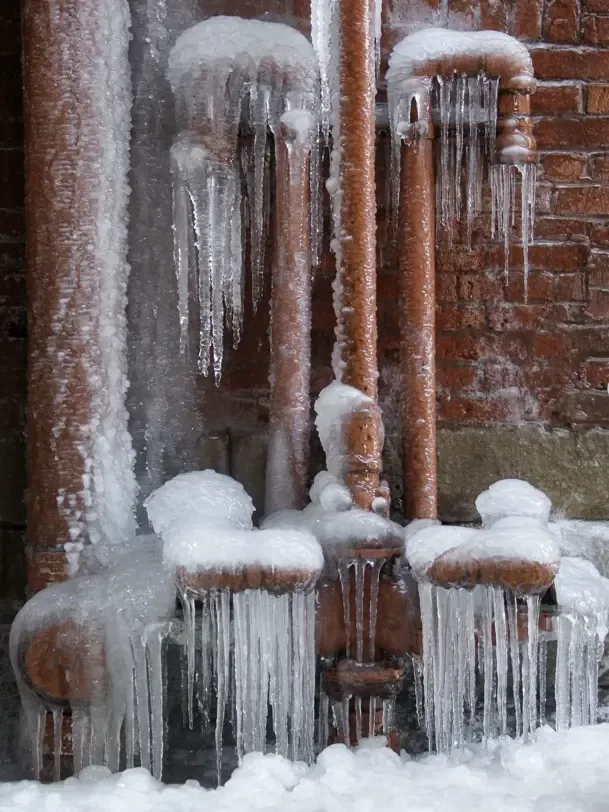
Frozen Pipe Water Damage
A thawed supply pipe needs leak control before trapped water spreads through finishes.
Service details ›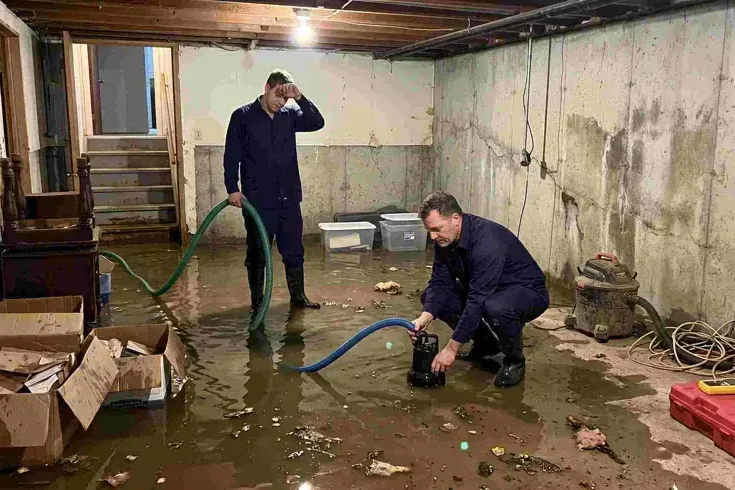
Water Extraction and Removal
Pumps remove pooled water while extraction tools reach carpet, floor joints and low spots.
Service details ›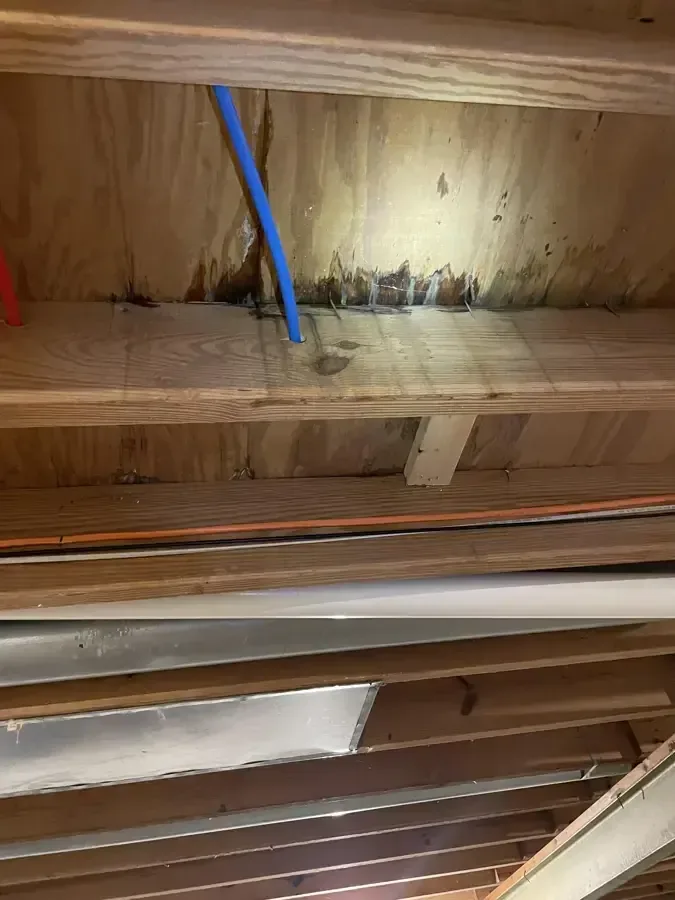
Ceiling Leak Water Damage
Overhead saturation calls for safe access and checks above the damaged finish.
Service details ›Burst Pipe Water Damage questions
What if the valve is inside the wet room?
Occupants should not cross water near electrical equipment or pass beneath unstable finishes to reach a valve. The safe route determines whether source control is an appropriate immediate action. If access is hazardous, professional assistance is needed to establish safe conditions and stop the release before anyone enters the affected space.
Does a repaired pipe mean the room can be closed?
The repair addresses new water entering the building. Existing moisture can remain in insulation, wall bases and floor layers after the supply is restored. Those materials need evaluation and drying checks before access openings are closed. The restoration record should distinguish the plumbing repair from the condition of the assembly around it.
Why can a distant room become wet from one break?
Pressurized spray can enter a wall cavity and drain along framing, floor edges or openings around building components. The first visible puddle may therefore be separate from the source. A room by room inspection follows staining and moisture readings through those connected spaces rather than limiting the scope to the pipe's immediate location.
Should all wet drywall be removed?
The decision depends on saturation, loss of strength, contamination and access to the cavity behind it. Some areas may be retained under an appropriate drying plan, while damaged sections need removal. The assessment should explain the material condition and why a particular opening or removal is needed before the finish repair stage begins.
Can belongings be dried with the building?
Some contents can be handled alongside the room, while others require separate evaluation or treatment. Material, stability and water exposure determine the approach. Keeping a contents record distinct from the building scope helps avoid confusion about which items were moved, treated or left for a specialist during the restoration of the interior.
What should a landlord or property manager record?
Useful notes include the discovery condition, source location, affected rooms and steps taken to control water. Photographs before removal and the restoration moisture record provide more detail. Keeping plumbing invoices separate from drying and finish work makes the sequence easier to understand for occupants, owners and any policy provider reviewing the loss.
How is readiness for reconstruction established?
Source control and appropriate material drying must be verified before replacement finishes cover the assembly. Final moisture checks provide evidence about retained framing and floor components. The handoff should also list any inaccessible area or outstanding plumbing task, allowing the repair contractor to begin with a clear description of what remains to be completed.
Give concealed moisture its own assessment
A coordinated scope connects the repaired supply with extraction, cavity access and the measurements needed before the interior is rebuilt.
(888) 480-6221Discuss the affected levels