Frozen Pipe Water Damage Hyde Park, MA
An icy pipe can stay quiet until thawing releases water through a split. Hyde Park frozen pipe restoration assesses the resulting wall and floor damage while a plumbing professional establishes safe control of the supply.
(888) 480-6221Assess the thaw related water release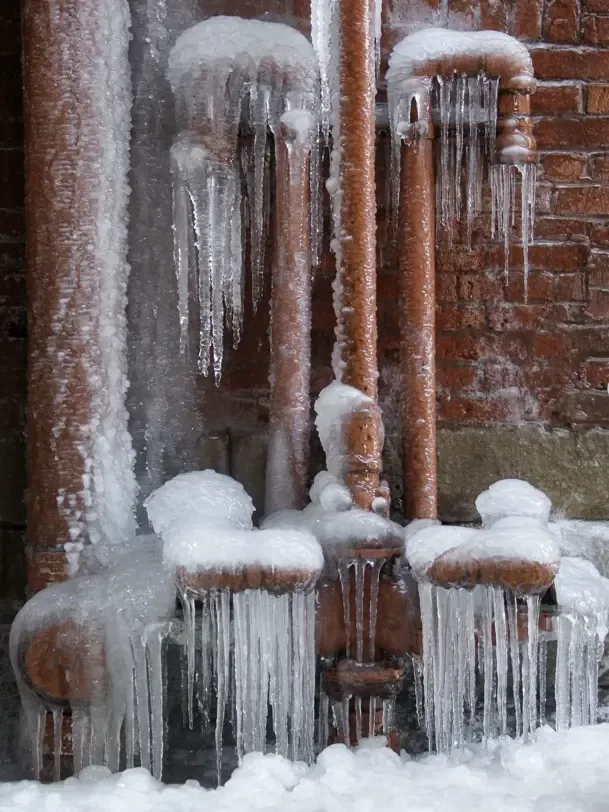
A frozen pipe can conceal a split until the ice that limited flow begins to thaw. The later release may wet an enclosed wall before water reaches the occupied room. Frozen pipe water damage restoration in Hyde Park responds to that interior spread. Boston Water and Sewer Commission warns that home water pipes may freeze in extremely cold temperatures, making the supply location and exposure useful details when the plumbing and restoration scopes are organized.
How frozen pipe water damage proceeds
Establish the supply condition
The frozen section, released water and hazards are recorded. Plumbing source control protects affected materials from renewed wetting during the drying work.
Trace and extract the release
Available water is removed while the inspection follows its path through wall bases, floors and lower rooms. Photographs and notes preserve the initial spread before openings or contents movement change the affected area.
Expose and dry retained layers
Wet insulation and damaged finishes are assessed for appropriate removal. Equipment then addresses retained framing and floors, with readings identifying concealed sections that need more access or adjustments to the drying arrangement during restoration.
Assess the repair boundary
Final material checks are considered alongside the pipe repair status. The closing record distinguishes completed drying from insulation replacement, finish reconstruction and any remaining plumbing exposure concern that requires attention before the cavity is closed again.
Treat thawing as a source control problem
The damaged pipe needs an appropriate professional assessment, especially when it sits behind a finish or in an unheated space. Water appearing after temperatures change should be traced to its actual source. A supply that seems quiet can still require repair before normal flow resumes. Restoration records the wet boundary and coordinates extraction without treating the temporary absence of dripping as proof that the problem has ended.
- Describe where the pipe is located and when water first appeared, without disturbing the frozen or damaged section.
- Inspect accessible rooms below the supply route for ceiling stains or liquid emerging around wall edges.
- Keep the source repair status clear before drying equipment is expected to produce lasting material recovery.
Fairmount Hill includes older houses in Italianate, Gothic Revival and Victorian styles. The plumbing route and nearby building layers need inspection within the affected house. A cavity altered during an earlier renovation can require different access from an exposed utility pipe. The drying plan should follow those conditions and the observed water path.
Check insulation and the adjoining assembly
Boston Water and Sewer Commission advises checking for open windows, air vents and drafts near water pipes, and recommends insulating pipes in unheated spaces. A plumbing assessment can consider those conditions after the immediate release is controlled. Inside the building, wet insulation may need assessment or removal before the surrounding framing becomes accessible for drying. Floor layers beneath the release also need material checks.
River Street is a main street, and Readville is a section of the neighborhood. In properties around these areas, a frozen supply loss may affect an occupied room or a storage space with very different access. The restoration scope should identify which materials can remain, which need removal and where concealed moisture requires another opening.
- Document saturated wall layers before removal so finish repairs can reflect the actual assembly.
- Check corners and closets reached by water even when they sit away from the failed pipe.
- Arrange burst pipe restoration around the broader supply release when several rooms are involved.
A thaw related leak needs source control and an interior moisture assessment. Describe the pipe location, affected rooms and any water appearing below the damaged section.
(888) 480-6221Assess the thaw damageNever use flame to investigate or thaw a pipe
Boston Water and Sewer Commission warns against using an open flame to thaw frozen pipes. Occupants should leave uncertain thawing and pipe repair work to the appropriate professional, particularly where water or electrical components are involved. A shutoff should be approached only through a safe, dry route. Wet ceilings and slippery lower rooms also need restricted access while the release is assessed. Children and pets should remain outside the work area. Useful preparation includes describing the pipe location and visible damage without pulling away finishes or applying improvised heat to a concealed supply.
Connect winter correction with drying completion
The pipe repair and exposure assessment address the source side of the loss. Material drying addresses the water already inside the building. Both need a clear record before the cavity is closed. Final checks should identify retained framing and floors that reached their drying goals, along with insulation or finish replacement still required. That handoff keeps winter plumbing correction connected to restoration of the room around the failed supply.
For general household precautions, see Ready.gov flood safety and the EPA household leak checks.
What does frozen pipe water damage cost in Hyde Park, MA?
Frozen pipe restoration in Hyde Park depends on thaw release spread, wet insulation and access to concealed materials. These estimated ranges describe interior cleanup and drying; plumbing repair and replacement finishes should be clearly separated in writing.
Contained thaw release
$1,200 to $2,500
- Localized floor exposure
- Accessible pipe surroundings
- Focused moisture assessment
Walls and insulation affected
$2,500 to $4,800
- Wet cavity access
- Insulation handling needs
- Expanded material drying
Several rooms or levels
$4,800 to $7,000+
- Connected interior spread
- Lower ceiling inspection
- Broader recovery coordination
These ranges are estimates only. Water category, square footage, material class and the delay before drying affect the scope. The water damage cost calculator compares those variables before a property assessment.
What shapes the frozen pipe water damage plan
Attention to a delayed release
Water appearing during a thaw can reach concealed rooms and cavities. The assessment follows that spread beyond the pipe location, even when the supply has temporarily stopped dripping into the occupied interior.
Safe plumbing coordination
Thawing and repair responsibilities belong with the appropriate trade. Restoration planning establishes the source status and safe access before extraction or drying equipment is arranged around the damaged supply and nearby building materials inside the property.
Inspection of wet insulation
Insulation around the affected cavity can hold moisture against framing and obstruct airflow. Its condition and access are evaluated before deciding what can remain, what needs removal and how the retained assembly can be dried effectively.
A practical closing record
The handoff separates corrected plumbing exposure from completed material drying. It documents retained components, removed layers and remaining replacement work so the owner can coordinate repairs without closing a wall around an unresolved wet pocket or damaged section.
Frozen pipe water damage coverage in Hyde Park
Frozen pipe cleanup serves Hyde Park properties near Fairmount Hill, River Street and Readville in 02136. The pipe location, unheated access areas and observed water spread establish the priorities for inspection and interior restoration.
The same service nearby: frozen pipe water damage in Roslindale, Brookline, Norwood.
Related water damage services in Hyde Park
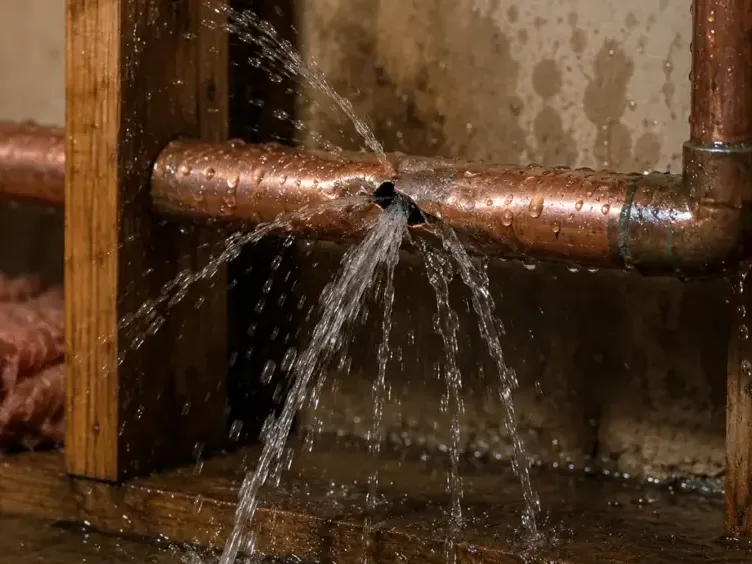
Burst Pipe Water Damage
A stopped supply leak still leaves wet wall cavities, insulation and floor layers to assess.
Service details ›
Structural Drying
Material readings determine equipment placement and the end of the drying phase.
Service details ›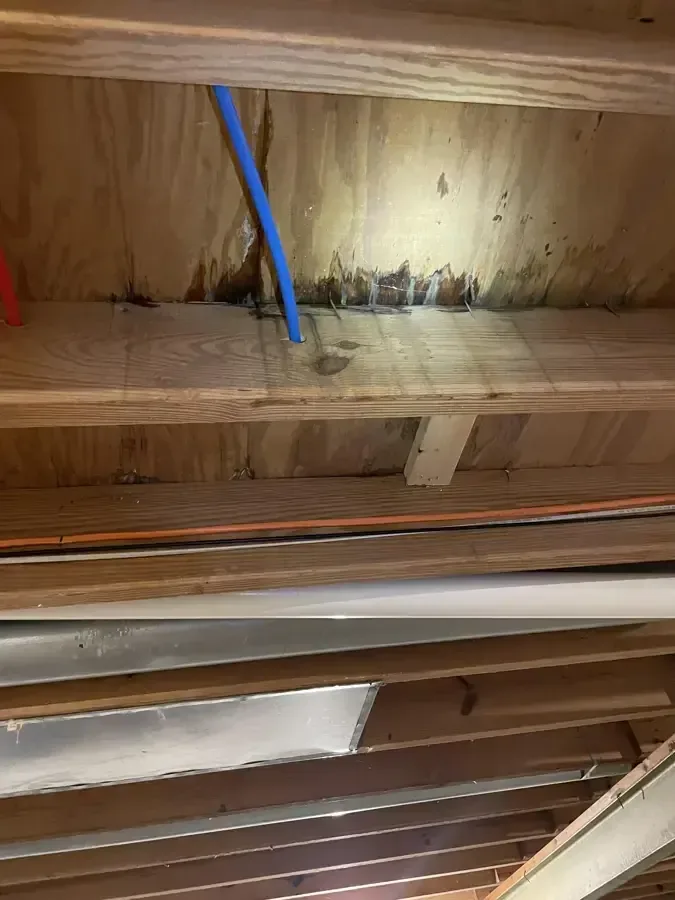
Ceiling Leak Water Damage
Overhead saturation calls for safe access and checks above the damaged finish.
Service details ›Frozen Pipe Water Damage questions
Why can water appear after a frozen pipe seemed stable?
Ice may temporarily limit water movement through a damaged section. As thawing occurs, a split can release water into the surrounding cavity or room. A quiet pipe still needs professional assessment before the supply returns to normal operation. Restoration should follow the resulting water path and coordinate with the professional correcting the supply so new wetting does not continue.
Is an open flame ever appropriate for thawing?
Boston Water and Sewer Commission specifically warns against using an open flame to thaw frozen pipes. Uncertain thawing work should be handled by the appropriate professional, especially near concealed building materials or electrical components. Occupants can help by identifying the pipe location and visible damage while remaining outside unsafe areas and avoiding improvised heating of the supply.
What should be checked around pipes in unheated spaces?
Boston Water and Sewer Commission recommends insulating pipes in unheated spaces and checking for open windows, air vents and drafts near water pipes. A suitable plumbing assessment can consider those conditions at the affected property. That source related assessment complements restoration, which addresses the water already released into walls, floors and other building materials during the event.
Does frozen pipe cleanup include insulation replacement?
The written scope should say whether replacement is included. Restoration may require assessment and removal of wet insulation to expose framing for drying, while installing new material can be a later repair task. Keeping those responsibilities separate helps the owner coordinate the work and prevents replacement insulation from concealing moisture before the underlying assembly has been checked.
Why inspect downstairs when the frozen section is upstairs?
Released water can move through floor openings and wall cavities before appearing in a lower room. The lower ceiling may show the first obvious damage even when the pipe sits above it. Inspection across affected levels establishes the full scope, including overhead stability and drying access rather than limiting treatment to the room containing the failed supply.
Can the room be dried before the pipe is repaired?
Removing accessible water may be useful while source work is organized, but continued release can undermine drying. The plan needs a clear account of supply control before equipment is expected to recover the surrounding materials. Plumbing correction and restoration can be coordinated in stages, with the written record showing what conditions must be established for lasting drying progress.
What determines when the wall can be closed again?
The supply fault needs correction, and retained framing, floors and other affected layers need appropriate drying verification. The assessment should also identify physically damaged components and any outstanding insulation work. Closing follows that combined assessment, with photographs and material readings preserving the condition of the cavity before replacement finishes cover the treated area and normal room use resumes.
Recover the cavity around the repaired pipe
Drying checks and a clear repair handoff help keep the remaining building work connected to the corrected supply.
(888) 480-6221Discuss frozen supply damage