Frozen Pipe Water Damage Norwood, MA
A split pipe may release its water only as the frozen section thaws. Cleanup must account for that changing source and the concealed walls or floors receiving water when flow returns through the damaged section.
(888) 480-6221Discuss a thaw related water release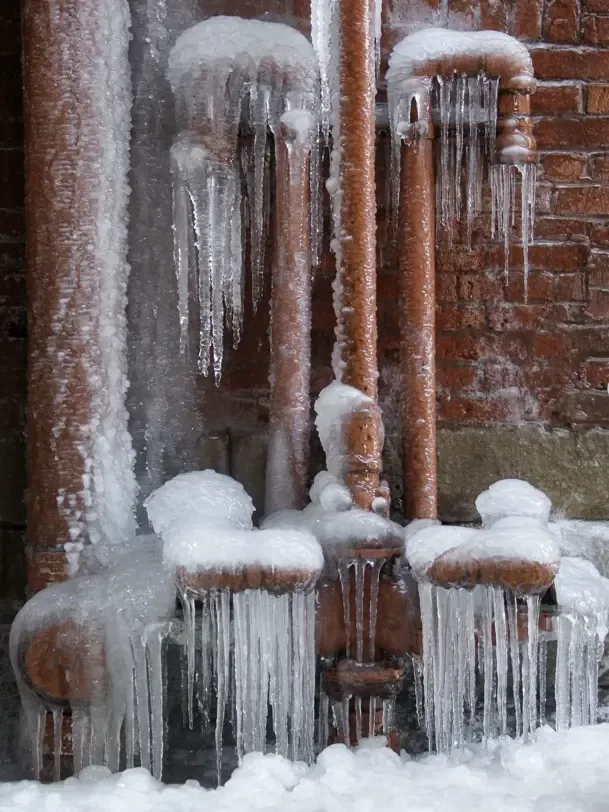
The damage from a frozen pipe can change after the initial discovery. A split that was partly blocked by ice may begin releasing more water as conditions change. Frozen pipe water damage in Norwood therefore needs a source aware cleanup plan as well as attention to the wet interior. The assessment records what has happened, whether flow is controlled and which connected materials may have received water before the release became visible.
How frozen pipe water damage proceeds
Assess thaw and source conditions
The observed sequence of freezing, flow change and water release is recorded. Safe source correction is coordinated with plumbing attention, while the initial inspection identifies the rooms and assemblies needing interior assessment.
Remove water and expose damage
Accessible liquid is extracted and affected contents are handled to clear inspection routes. Necessary openings reveal wet insulation, framing or flooring layers so material decisions can follow their actual condition and exposure.
Dry the retained assemblies
Suitable components receive a controlled drying setup with access to the wet layers. Repeat checks distinguish progress from poor response or renewed entry, allowing equipment and the work scope to be adjusted.
Explain the interior repair handoff
Completion notes identify materials removed, components treated and any remaining finish work. The owner can then coordinate insulation and surface replacement separately from the plumbing work that corrected the damaged pipe.
Keep the source status current during assessment
For a South Norwood property, the useful starting information includes where freezing was observed and where water later appeared. A plumbing professional addresses the damaged pipe and safe restoration of service. Interior cleanup follows the resulting water route. Changes in flow or new wet areas should be reported during that work because a quiet pipe at one moment may not describe its later condition.
- Describe any change from reduced flow to an active release so the source assessment can account for the sequence observed at the property.
- Check spaces connected to the damaged pipe location, including the room below and the opposite side of an affected wall cavity.
- Record newly appearing wet patches rather than assuming every change is simply old moisture moving through the same finish.
A repair opening may expose wet insulation around the pipe. The material can conceal the extent of the release and restrict the drying route to nearby framing. The restoration scope distinguishes what must be removed from what can remain, with each decision connected to condition and access. Source repair and interior treatment should be scheduled so the assembly is not closed before its moisture is understood.
Address the wet building after water flow is controlled
At a Washington Street building, water may have reached a finished room even when the failed section lies in a utility area. Extraction starts with accessible liquid, then the assessment follows absorbed moisture into flooring, wall bases and connected cavities. Contents that blocked the view need suitable handling so the newly exposed surfaces can be measured and treated rather than hidden again.
Heating a room does not by itself establish a complete drying process. The retained assembly needs controlled conditions and a path for moisture to leave. Equipment and access are adjusted according to its response. The burst pipe restoration page describes the wider release path, while structural drying explains the work remaining after visible water is removed.
- Use consistent measurement locations to follow the response of retained framing and floor layers.
- Keep damaged insulation and wet contents separate from clean materials awaiting reinstallation or storage.
- Identify source protection and future plumbing work as separate tasks from the immediate interior recovery.
Describe the observed thaw release and any newly wet areas. Source status and room changes help focus the assessment on damage still developing inside the building.
(888) 480-6221Review the thaw releaseAvoid improvised thawing or unsafe shutoff access
Open flames and improvised high heat methods should not be used on a frozen pipe. The damaged section and nearby materials need appropriate plumbing attention. Occupants should not cross standing water to reach a valve or electrical panel, and wet appliance controls should remain untouched. A changing release can create new hazards beneath ceilings or inside rooms that were previously accessible. The affected area should stay restricted when conditions are uncertain. Information from safe ground about the source, the timing of visible changes and the rooms involved is more useful than entering a hazardous cavity to investigate personally.
Separate repair completion from interior completion
For a University Avenue property, restoring water service and finishing interior drying are distinct milestones. The owner should receive documentation of the wet assemblies treated and the material condition at handoff. Any replacement insulation, wall finishes or flooring belongs in the remaining repair discussion. Keeping those tasks explicit avoids treating the end of a plumbing visit as proof that every connected room is ready to close.
For general household precautions, see Ready.gov flood safety and the EPA household leak checks.
What does frozen pipe water damage cost in Norwood, MA?
Frozen pipe cleanup estimates in Norwood depend on the thaw release, wet cavity materials and connected room exposure. Plumbing correction should be distinguished from extraction, selective removal and drying of the affected interior.
Contained thaw release
$1,200 to $2,500
- Localized water removal
- Accessible room surfaces
- Limited material handling
Walls and insulation affected
$2,500 to $4,800
- Wet cavity access
- Insulation removal decisions
- Targeted framing treatment
Several rooms or levels
$4,800 to $7,000+
- Connected floor exposure
- More extraction locations
- Expanded drying setup
These ranges are estimates only. Water category, square footage, material class and the delay before drying affect the scope. The water damage cost calculator compares those variables before a property assessment.
What shapes the frozen pipe water damage plan
A changing release understood
The assessment records how the pipe condition and visible water changed during thawing. That history helps coordinate source work with interior inspection and highlights new wet areas that may need separate attention.
Insulation included in the scope
Wet insulation around a failed pipe can hide spread and restrict drying access. Its condition is assessed alongside nearby framing so the restoration plan addresses the cavity as a connected assembly.
Connected spaces followed
The release can travel away from the frozen section through wall and floor openings. Inspection extends to relevant adjoining or lower rooms, using observed moisture to establish where the interior treatment should end.
Separate completion milestones
Pipe repair restores source control, while extraction and drying address the building exposure. The owner receives a clear account of both stages and the finish work remaining after retained materials have been treated.
Frozen pipe water damage coverage in Norwood
Frozen pipe damage assessment covers South Norwood and properties near Washington Street or University Avenue in 02062. Describe the observed release, shutoff status and affected rooms without entering unsafe water to inspect the pipe.
The same service nearby: frozen pipe water damage in Roslindale, Hyde Park, Brookline.
Related water damage services in Norwood
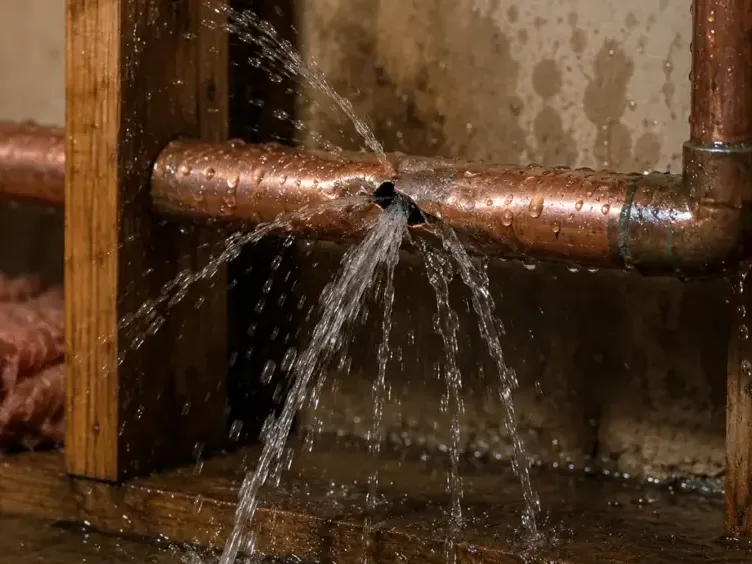
Burst Pipe Water Damage
A stopped supply leak still leaves wet wall cavities, insulation and floor layers to assess.
Service details ›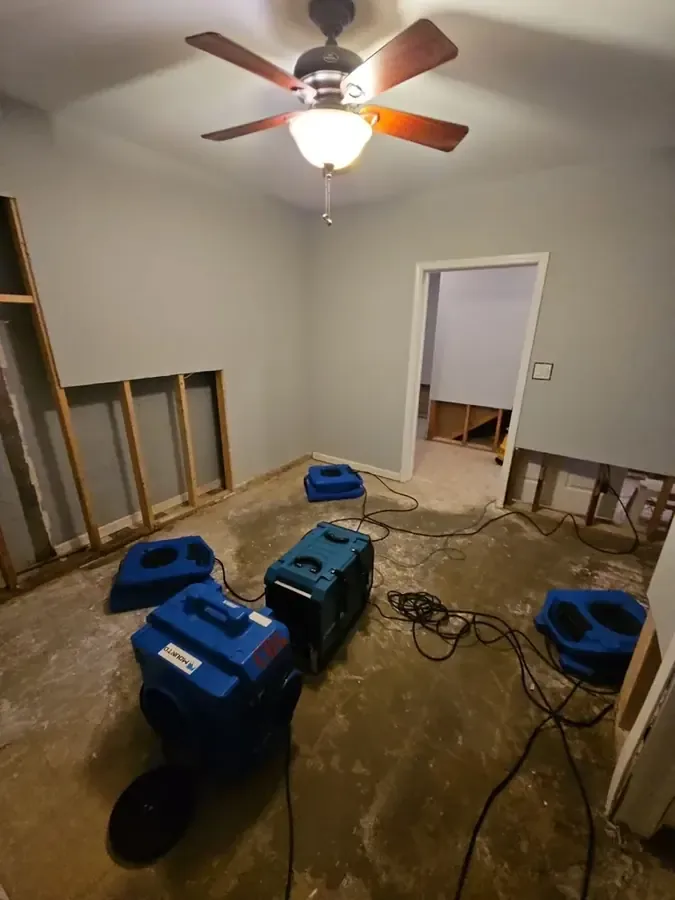
Structural Drying
Material readings determine equipment placement and the end of the drying phase.
Service details ›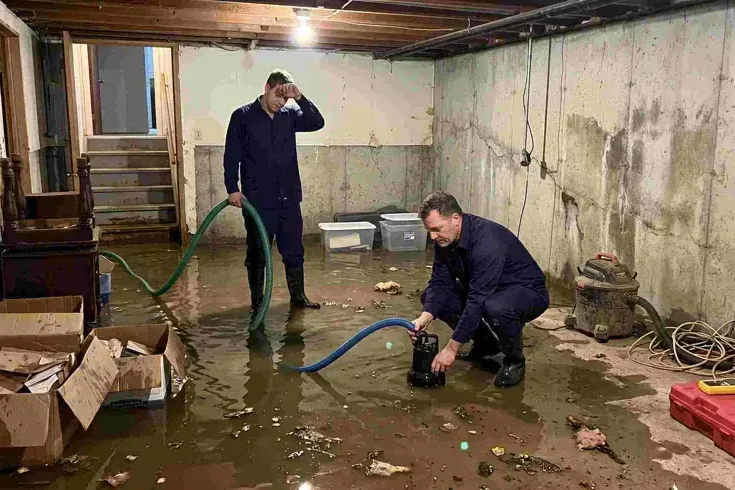
Water Extraction and Removal
Pumps remove pooled water while extraction tools reach carpet, floor joints and low spots.
Service details ›Frozen Pipe Water Damage questions
Why can the leak increase during thawing?
Ice may initially restrict water movement through a damaged section. As the condition changes, the release can become more apparent or reach new areas. A plumbing professional should address the pipe, while restoration tracks the interior spread. The assessment benefits from a description of the observed sequence so source changes are considered alongside the existing wet materials.
Should occupants try to thaw the pipe themselves?
Improvised heating, especially with an open flame, can create additional hazards around the pipe and nearby building materials. The appropriate plumbing response should establish safe source handling. Occupants can provide information about reduced flow or visible freezing from a safe position. Entering wet cavities or reaching electrical equipment through water is not an appropriate way to investigate the problem.
Does turning the water back on confirm repair completion?
Source testing and restoration of service belong with the plumbing work. Even when that work is complete, the surrounding interior may still contain wet insulation, wallboard or flooring. The cleanup scope should assess those materials separately. The owner needs an explanation of the remaining moisture work before repair openings are closed and finishes are replaced.
Why is insulation around the pipe assessed?
Insulation can absorb water, conceal the spread and block access to wet framing. Its condition affects whether it can remain and whether the retained assembly can dry effectively. Removal may be needed for treatment or because the material is unsuitable to keep. The scope should explain that decision and distinguish later replacement from the immediate cleanup work.
Can a warm room dry the wall cavity alone?
Room warmth is only one influence on moisture movement. A sealed wet cavity may still lack an effective evaporation route, and the surrounding air may need moisture control. Drying should follow the actual material response. Appropriate access, equipment and repeat readings help determine whether the retained components are improving before the finish is closed around them again.
What if a new stain appears after source repair?
A new visible change should be reported and assessed. It may involve water moving through an assembly, an overlooked wet location or a source condition needing another assessment. The inspection should establish the cause rather than assume it is harmless. Keeping location notes and photographs helps connect the new change with the ongoing restoration record and material checks.
What separates this cleanup from an ordinary pipe break?
The changing condition during thawing is a particular concern for source coordination and inspection. Once the release is controlled, the interior still needs the same careful attention to actual water travel and retained moisture. The plan accounts for wet cavities, contents and connected rooms, while plumbing repair and any future protection measures remain distinct from the immediate building restoration.
Recover the interior after the pipe repair
Plan extraction and material drying with a separate record of the remaining insulation, wall and floor repair needs.
(888) 480-6221Discuss freeze related cleanup