Burst Pipe Water Damage in Brookline, MA
A broken supply pipe can wet a wall cavity before water reaches the room. Brookline burst pipe cleanup follows that release through connected floors, insulation and finishes after the source is brought under control.
(888) 480-6221Assess the pipe damage spread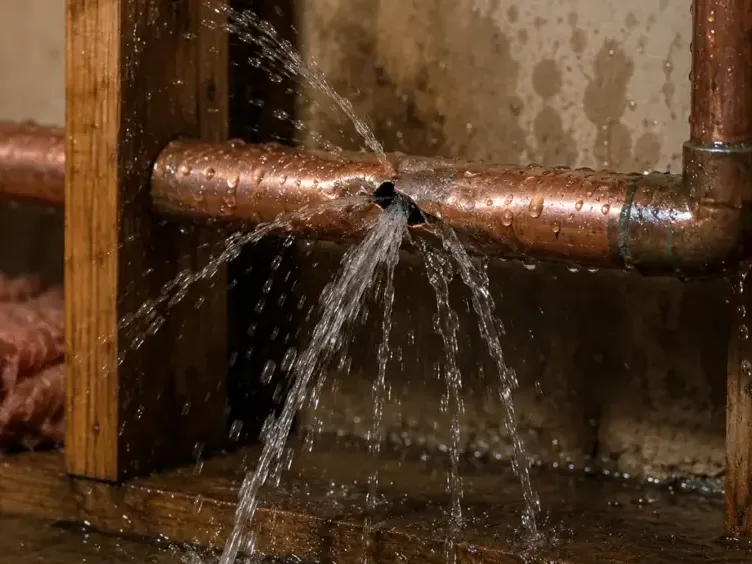
The loud spray of a broken pipe may be easy to locate, while the resulting damage is less obvious. Water can run along framing, enter insulation and appear at a ceiling below the original failure. Burst pipe cleanup in Brookline needs to follow that movement after the supply has been isolated. A successful plumbing repair stops new water, but the soaked building layers need a separate recovery plan.
How burst pipe water damage proceeds
Confirm source control
Assess the supply repair status and inspect the release area from a safe location. Establish whether more water can enter before arranging equipment and moving contents around the affected rooms.
Trace secondary wetting
Inspect adjoining spaces and the floor below where access permits. Identify wall cavities and insulation that need closer evaluation, then document the spread before selective removal changes the visible room.
Extract and prepare assemblies
Remove accessible water and address unsuitable finishes so retained framing and floor layers can dry. Coordinate openings with the plumbing repair while preserving access to the full wet perimeter.
Assess material recovery
Compare later readings with the initial findings and dry reference areas. Document retained surfaces and any remaining repair requirements before new insulation, wall finishes or flooring close the assembly again.
Follow the release through connected interiors
Large brick apartment buildings developed along the streetcar routes, and many apartment buildings predate the 1924 zoning change. Their connected rooms make access coordination important when a supply release crosses a shared ceiling. An affected property near Beacon Street may need inspection on more than the discovery floor. The building manager should help arrange access wherever the visible water path continues.
- Include lower ceilings and walls aligned with the source, even when the original room contains little standing water.
- Check closets and cabinet recesses where stored items may conceal wet finishes or delayed dripping.
- Record which rooms remain inaccessible so the moisture assessment has a clear follow up requirement.
At Beaconsfield or Aspinwall Hill properties, describe the room layout and source location when arranging the visit. The inspection should assess the actual assembly: wallboard, framing, insulation and flooring may each hold moisture differently. The first wet mark is useful for tracing the route, but it should not become an artificial boundary around the drying work.
Repair the pipe and expose the wet layers
A plumber's opening can give access to the failed component while leaving much of the wet cavity concealed. Restoration decisions should consider whether insulation is saturated, finishes have lost strength or water remains behind an apparently sound surface. Selective removal should be explained in terms of access and material condition. Broad demolition without a mapped reason is not a substitute for inspection.
Once accessible water is removed, air movement and dehumidification can address suitable retained materials. Readings should follow the assembly over time, including the area beside the repair and any lower level reached by the release. Ceiling leak cleanup may form part of the same loss when water collects above an occupied room.
- Preserve photographs of the failed pipe and the cavity before repair conceals the original condition.
- Distinguish damaged finishes from materials removed only to provide plumbing or drying access.
- Keep source repair charges separate from interior extraction, drying and later finish replacement.
Describe the failed pipe and any wet rooms below or beside it. A full account of the spread helps coordinate plumbing access with the interior damage assessment.
(888) 480-6221Discuss the burst pipe footprintAvoid entering the spray or a weakened room
A shutoff should be operated only from a safe, dry position. Do not cross standing water or reach past exposed wiring to stop a pipe release. Keep clear of bulging ceilings and soft flooring, and leave electrical isolation to an appropriate professional. Do not puncture a ceiling to drain it or pull wet insulation from an energized cavity. Occupants should leave the affected room accessible for assessment while keeping children and pets out. Photograph the visible damage only where that can be done without entering the hazard.
Keep the drying record tied to the original route
The final material checks should relate to the initial moisture map. If water reached a lower ceiling, the completion record should include that area rather than only the repaired wall. Unresolved readings need investigation before insulation and finishes return. Written findings also help coordinate the handoff to repair work, showing which surfaces were retained, what was removed and where access must remain open for continued drying.
For general household precautions, see Ready.gov flood safety and the EPA household leak checks.
What does burst pipe water damage cost in Brookline, MA?
Burst pipe cleanup in Brookline depends on the rooms, levels and concealed materials affected. These estimates cover water damage scopes; the pipe repair and replacement finishes should be clearly separated in the written proposal.
One contained room
$1,000 to $2,500
- Localized water pickup
- Single cavity assessment
- Limited finish handling
Walls and adjoining rooms
$2,500 to $4,500
- Connected room checks
- Wet insulation access
- Broader drying arrangement
Multiple levels affected
$4,500 to $6,500+
- Lower ceiling inspection
- Several work zones
- Extended material documentation
These ranges are estimates only. Water category, square footage, material class and the delay before drying affect the scope. The water damage cost calculator compares those variables before a property assessment.
What shapes the burst pipe water damage plan
Connected damage mapped
The release should be traced beyond the failed pipe into neighboring rooms and lower ceilings. A recorded wet perimeter gives the cleanup a practical boundary based on the actual spread.
Building access arranged
A shared property may need management involvement before adjacent units can be inspected. Entry arrangements should be settled early so an inaccessible ceiling does not remain outside the drying plan.
Removal reasons recorded
Wet finishes may need opening for condition, contamination or access. Explaining each decision separates necessary restoration work from the smaller opening used solely to reach the damaged supply pipe.
Progress checked in place
Repeat readings should cover the original water route, including concealed layers that remain. Equipment adjustments and the repair handoff should follow those findings rather than the appearance of the patched pipe.
Burst pipe water damage coverage in Brookline
Assessments cover Longwood, Beaconsfield and Aspinwall Hill interiors. Describe the pipe location, affected floor and any damage visible below it so arrangements can include connected rooms and shared building access where necessary.
The same service nearby: burst pipe water damage in Roslindale, Allston, Hyde Park.
Related water damage services in Brookline
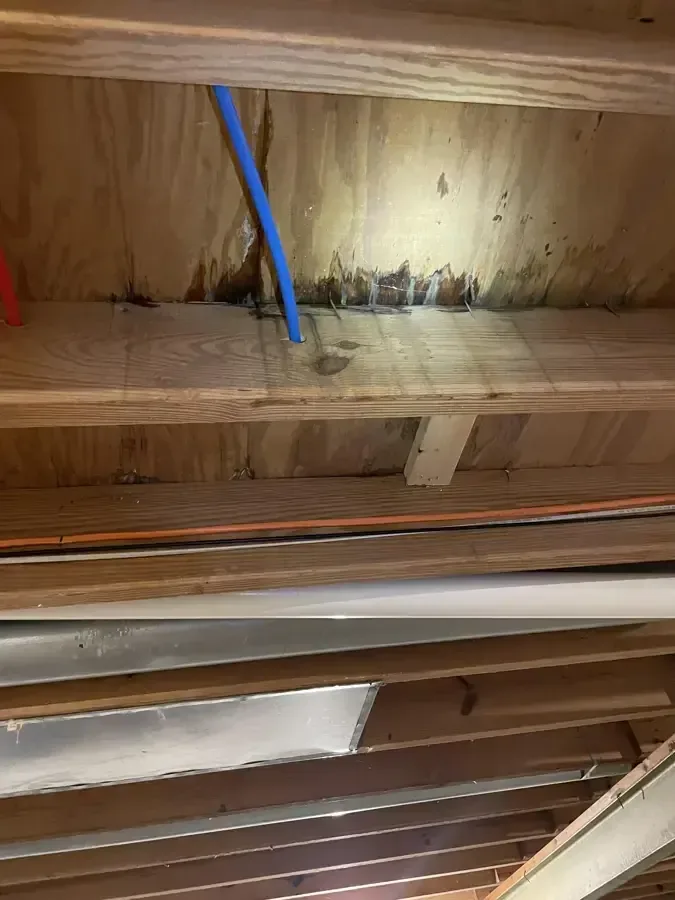
Ceiling Leak Water Damage
Overhead saturation calls for safe access and checks above the damaged finish.
Service details ›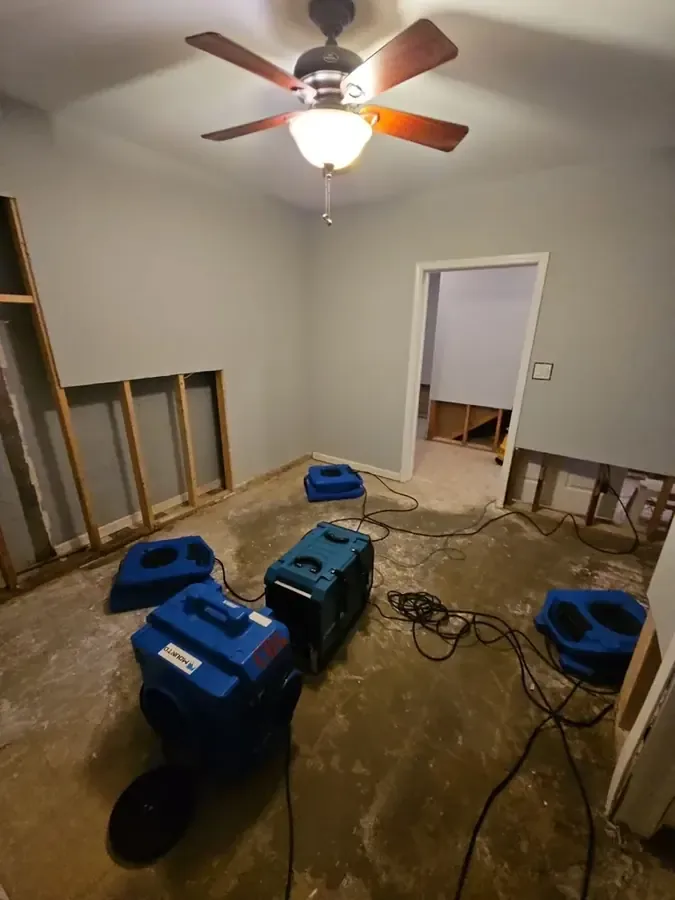
Structural Drying
Material readings determine equipment placement and the end of the drying phase.
Service details ›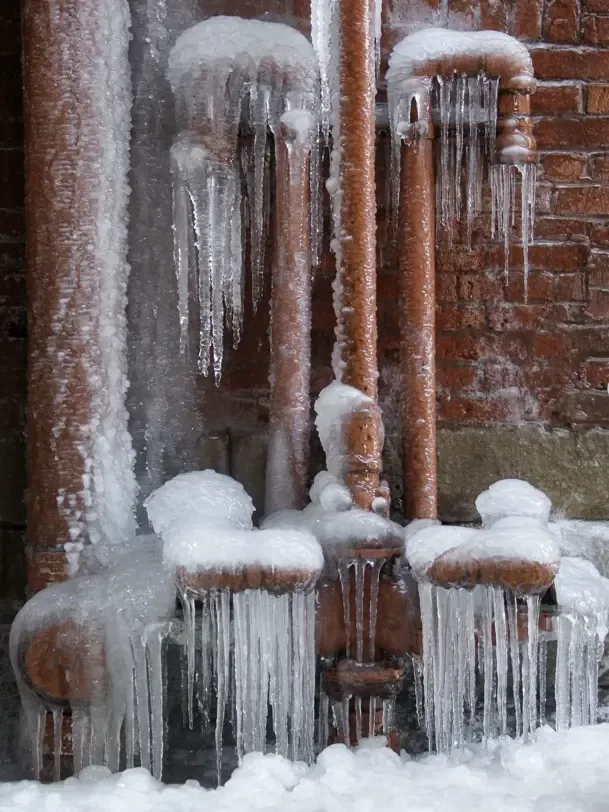
Frozen Pipe Water Damage
A thawed supply pipe needs leak control before trapped water spreads through finishes.
Service details ›Burst Pipe Water Damage questions
What should be done first when a supply pipe bursts?
A safely reachable shutoff can limit the release, but nobody should cross wet electrical areas to reach it. Arrange plumbing help and keep occupants away from unstable ceilings or floors. Once the source is controlled, the cleanup assessment should trace where the water traveled before deciding which rooms need extraction and drying.
Why check the room below a repaired pipe?
Water can descend through openings around plumbing and along building components before appearing at the ceiling below. The lower room may hold moisture even after the source room has been cleaned. Access to that area allows the inspection to connect the full water path and identify any weakened or wet overhead materials.
Can insulation dry inside a closed wall?
That depends on its condition, the amount of water and access to the assembly. Saturated or unsuitable insulation may require removal, and a sealed finish can obstruct inspection. The scope should explain the chosen approach and how retained materials will be measured before the cavity is closed for replacement finishes.
Does a small repair opening provide enough drying access?
An opening sized for a plumber to reach the pipe may not expose all the wet material. Moisture mapping can show whether adjoining wall sections, floor edges or lower ceilings also need attention. Additional access should follow specific findings rather than simply duplicating the size or location of the plumbing repair opening.
Should a ceiling stain be painted after the leak stops?
Painting should wait until the affected ceiling has been inspected for retained moisture and loss of strength. A stain can mark a wider wet assembly above the visible finish. Source repair, material drying and any necessary ceiling replacement should be completed in the proper sequence before cosmetic work hides the original evidence.
What belongs in the damage record?
Include the discovery time, source repair findings, photographs of the pipe and the rooms reached by water. Document openings and material removal before disposal. Drying readings should identify the locations checked so the later condition can be compared with the original spread, including any adjoining unit involved in the loss.
Can occupants stay in an unaffected room?
That depends on the safe separation of the work area, electrical condition and access routes. A site assessment should determine whether occupied rooms can remain clear of wet materials and equipment. Shared hallways, overhead instability or water near utilities may require a different arrangement until the affected area has been made suitable for use.
Trace every affected room
Source repair is the first milestone. The remaining work follows wet insulation, floor layers and ceilings until retained materials are ready for repairs.
(888) 480-6221Plan the connected room inspection