Burst Pipe Water Damage Allston, MA
A split supply pipe can wet a room from inside the wall outward. Once the supply is controlled, cleanup follows the released water through insulation, floor transitions and adjoining spaces that may still look intact.
(888) 480-6221Discuss damage from a pipe break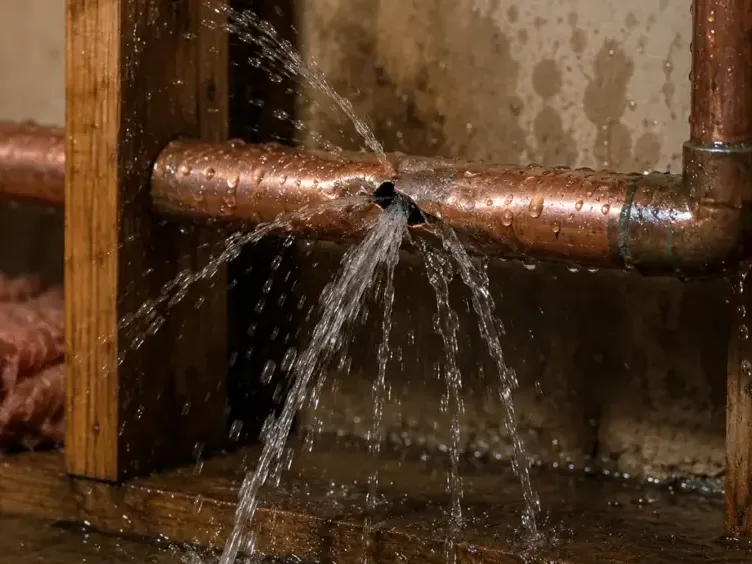
A pipe break often announces itself somewhere other than the break itself. Water can follow framing before emerging at a doorway or ceiling seam. In Allston, the inspection should start with the failed supply and continue along that path, including rooms that share the wet assembly. Fixing the pipe stops the release; it does not remove the moisture already inside the building.
How burst pipe water damage proceeds
Locate the release and affected rooms
The property contact's observations and plumbing findings establish the starting point. Inspectors map visible water and check nearby assemblies while any immediate safety restrictions remain in place around the loss.
Remove water and expose trapped areas
Accessible pools are extracted, and authorized openings reveal materials that cannot dry effectively while enclosed. Each new finding is documented and incorporated into the room-specific restoration scope before work expands.
Dry along the recorded water path
Air movement and dehumidification are arranged for the retained surfaces. Repeated material readings show progress in the original room and any adjoining spaces reached by the supply release.
Assess readiness for closing the assembly
The final checks address moisture, source status and remaining repair needs. The owner or manager receives a clear account of the surfaces ready for finish replacement and any outstanding limitations.
Organize the response around the shutoff
The responsible property contact should establish whether the water supply is off and whether a plumber has inspected the damaged component. That information sets the cleanup sequence. Extraction can then address accessible water while moisture checks identify absorbed water inside partitions and under floor coverings. Continuing inflow needs attention before a drying arrangement can hold stable conditions.
- Record the apparent break location and the first place water became visible inside the room.
- Check the opposite side of the affected wall and the floor below where access is available.
- Identify wet electrical fixtures or outlets without approaching them, and keep occupants out of those areas.
Commonwealth Avenue has brick apartment buildings. A pipe release in one unit may require coordination with management to inspect adjoining spaces and shared cavities. The inspection should document each affected surface rather than assuming that the unit containing the failed pipe contains the entire loss.
Build the scope around what the water reached
In Lower Allston, Victorian homes include single-family and multifamily properties. Their actual interior materials determine how a pipe loss is handled. Wet insulation can obstruct drying of framing, while a flooring transition can hold moisture beneath a finish. The restoration plan should describe where access is needed and why a particular material can or cannot remain.
Everett Street marks the westward extent described for Lower Allston. At an affected property in that area, the useful inspection details are the rooms involved, access to the pipe cavity and the construction visible after any opening. These observations turn a general report of a burst pipe into a specific removal and drying scope.
- Photograph the opened cavity before the plumber's repair is concealed by replacement wall material.
- Evaluate wet insulation independently from the framing that surrounds it and the finish covering it.
- Mark repeat measurement locations along the water path so drying changes can be compared reliably.
Describe the failed pipe, the supply status and the rooms showing water. Those details help organize a restoration assessment around the plumbing repair and the building's affected assemblies.
(888) 480-6221Discuss the pipe releaseKeep the inspection safe around pressure and electricity
An occupant should not reach into a spraying wall cavity or operate a wet electrical device. A safely accessible supply shutoff may stop the water, but reaching it must not require entering a hazardous area. Sagging ceiling material and loose finishes also need separation from people below. The plumber should handle the failed supply component, and qualified electrical help should assess affected wiring or equipment. Restoration access should be planned around those hazards, with permission from the owner or manager before openings are made in occupied rooms.
Prevent an early cosmetic repair from hiding moisture
A patched wall can look finished while retained wood or neighboring flooring remains wet. Drying should therefore have its own completion record after the pipe repair. Measurements and material observations explain whether an assembly is ready to close. The final scope should also identify replacement finishes, remaining access needs and any adjoining room that still requires attention before regular use resumes.
For general household precautions, see Ready.gov flood safety and the EPA household leak checks.
What does burst pipe water damage cost in Allston, MA?
Burst pipe cleanup in Allston varies with the release path. A contained room costs less to address than wet walls and several levels; these estimates separate restoration scope from the plumbing repair itself.
One contained room
$1,000 to $2,500
- Localized water removal
- Accessible wall edges
- Focused drying setup
Walls and adjoining rooms
$2,500 to $4,500
- More cavity access
- Multiple wet finishes
- Broader moisture monitoring
Multiple levels affected
$4,500 to $6,500+
- Ceiling and floor exposure
- Several drying locations
- More repair coordination
These ranges are estimates only. Water category, square footage, material class and the delay before drying affect the scope. The water damage cost calculator compares those variables before a property assessment.
What shapes the burst pipe water damage plan
Source status established early
The assessment starts with the supply condition and available plumbing findings. This keeps extraction and drying tied to a controlled release instead of working around water that continues entering the property.
Connected spaces inspected
A wet wall is checked as an assembly with adjacent rooms and the level below. Permission and access arrangements help ensure that hidden travel does not stop at a unit boundary.
Removal decisions explained
Material condition and drying access determine proposed openings. The owner receives a reason for each affected finish considered for removal, including insulation or floor layers concealed behind intact-looking surfaces.
Repair handoff made clear
The drying record identifies retained materials and remaining finish work. The plumber's repair and restoration work can then be reviewed together before the opened assembly is covered and decorated again.
Burst pipe water damage coverage in Allston
Property assessments include Commonwealth Avenue apartments, Lower Allston homes and interiors near Everett Street. Describe the suspected pipe location, affected levels and whether a plumber has already isolated or repaired the damaged supply.
The same service nearby: burst pipe water damage in Roslindale, Brookline, Hyde Park.
Related water damage services in Allston
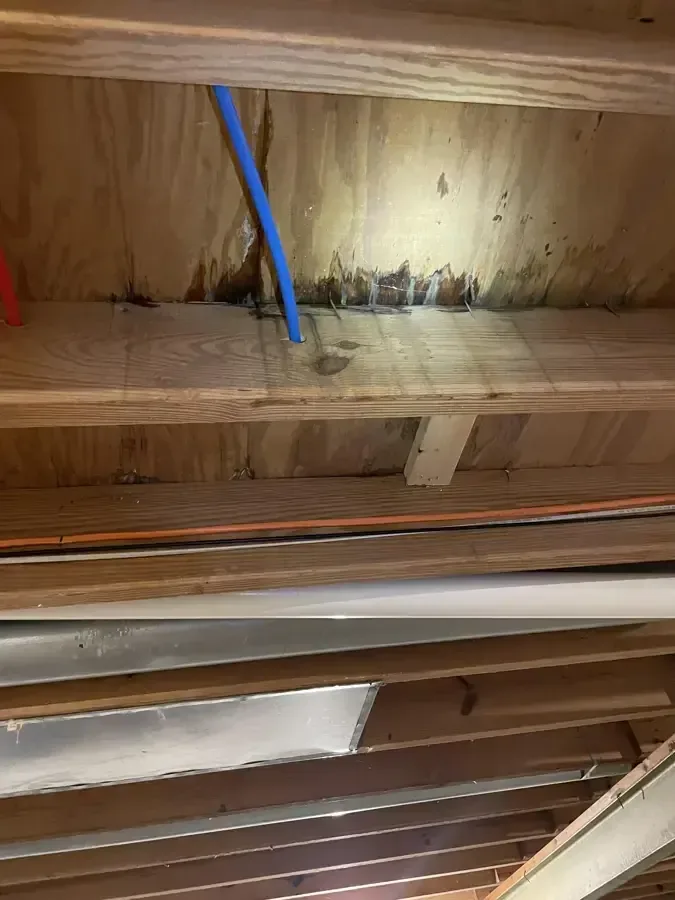
Ceiling Leak Water Damage
Overhead saturation calls for safe access and checks above the damaged finish.
Service details ›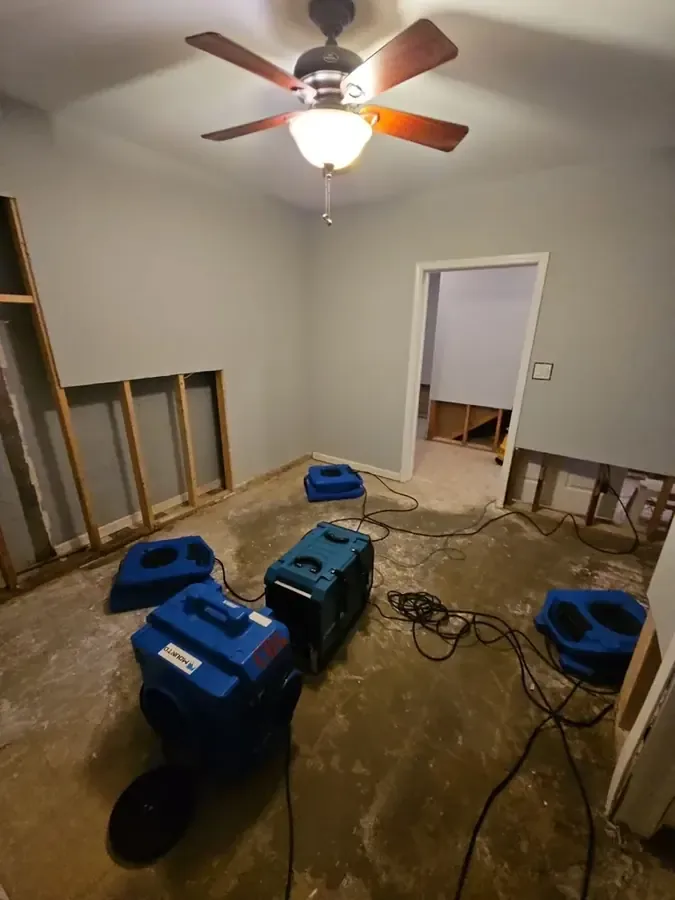
Structural Drying
Material readings determine equipment placement and the end of the drying phase.
Service details ›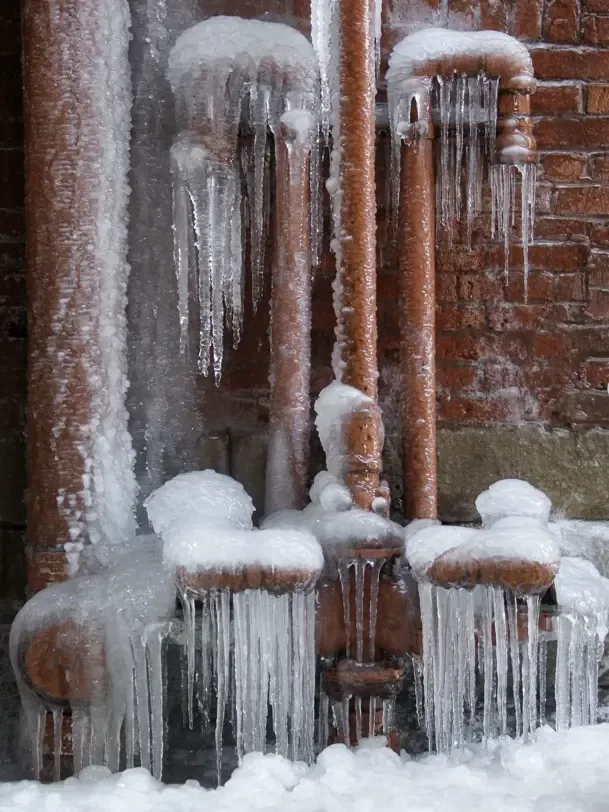
Frozen Pipe Water Damage
A thawed supply pipe needs leak control before trapped water spreads through finishes.
Service details ›Burst Pipe Water Damage questions
What matters most during the first report of a burst pipe?
The property contact should say whether the supply is still running, where water appears and which rooms or levels are affected. Electrical concerns and unsafe ceilings also matter. A clear description helps coordinate plumbing attention with the restoration inspection without requiring an occupant to enter a hazardous room.
Is the room ready for repair once the plumber finishes?
The plumbing repair controls the source, but absorbed water may remain in insulation, wall backing or flooring. Those materials require their own evaluation. Restoration should identify the wet boundary, provide drying access where needed and document the retained assembly before new finishes conceal the damaged area.
Can water from a wall break reach the floor below?
Water follows available gaps and surfaces, so the inspection should consider connected assemblies beneath the visible release. Access to another room or apartment may be needed. The actual path is established through observations and moisture checks, which help define cleanup beyond the place where the pipe was repaired.
Will every wall around the break need to be opened?
Openings should respond to measured wet areas, material condition and the need to reach trapped moisture. Some surfaces may remain, while others block drying or are too damaged to retain. The scope should identify the reason for each proposed opening and update that explanation if concealed spread is discovered.
Why can a floor remain wet after extraction?
Water may sit under a covering or wick into a wall base where surface tools cannot reach it. Extraction reduces accessible water but does not complete the drying of every layer. Follow-up measurements locate retained moisture and determine whether removal, additional access or targeted drying is needed.
Who coordinates access in a multifamily property?
The owner or manager usually needs to arrange entry and authorization for shared or adjoining spaces. Occupants should report visible damage and restrictions promptly. Clear communication allows the plumber and restoration team to inspect connected areas, document findings and avoid closing a cavity before neighboring wet materials have been assessed.
What should the final project record include?
The record should connect the source repair with the affected rooms, removed materials and drying observations. Photographs and repeat readings help explain the work performed. Any finish replacement outside the cleanup scope should be identified so the property contact can organize repairs with a clear view of what remains.
Follow the water beyond the break
A measured scope connects extraction, cavity access and drying so finish repairs can proceed in the appropriate order.
(888) 480-6221Arrange burst pipe cleanup