Ceiling Leak Water Damage Allston, MA
A changing ceiling stain calls for an inspection above the paint. Water may come from plumbing, an appliance or an exterior opening, and the damaged overhead assembly needs attention after that source is corrected.
(888) 480-6221Assess the leaking ceiling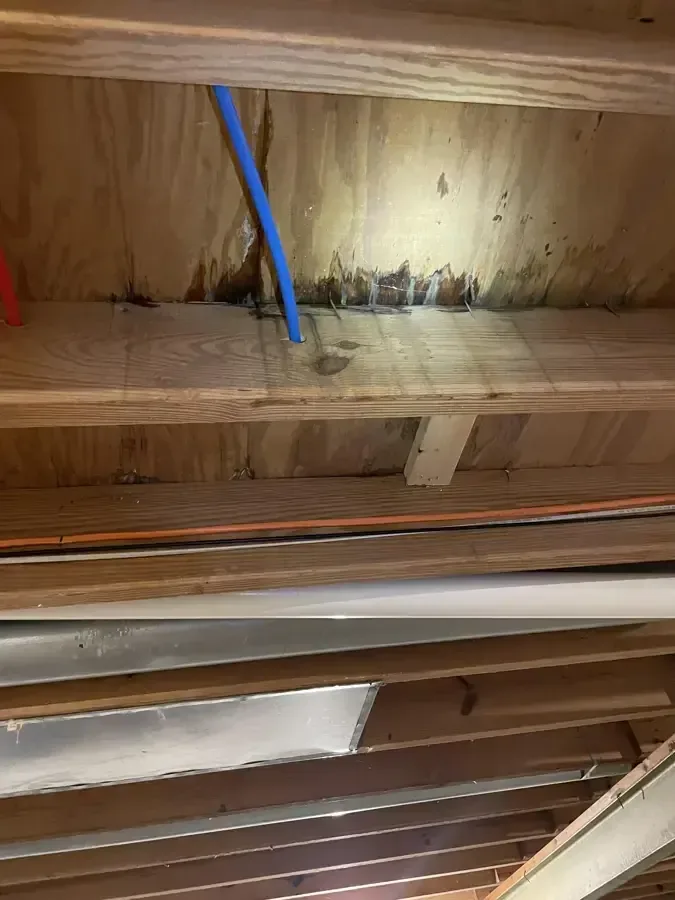
In the brick apartment buildings along Commonwealth Avenue, a ceiling leak can involve more than the room where the stain appears. Access to an upper unit or shared cavity may be needed to locate the source. Ceiling restoration in Allston starts by making the area below safe, then linking the visible damage with the wet materials above it.
How ceiling leak water damage proceeds
Restrict the area and record the pattern
The assessment notes sagging, staining and active dripping from a safe position. The property contact helps arrange access above the room while immediate electrical or structural concerns receive appropriate attention.
Identify the source and open safely
The responsible trade investigates the leak origin. Authorized removal of damaged finishes provides inspection access, and newly exposed materials are documented before the restoration scope is adjusted to their condition.
Dry joists and connected wall areas
Equipment is configured for the retained overhead assembly and adjoining wet surfaces. Monitoring points follow the water path through the cavity rather than stopping at the original visible ceiling stain.
Confirm the assembly's repair readiness
The final assessment compares repeated readings and checks source status. The handoff explains retained materials, inaccessible areas and replacement needs so the owner can coordinate the remaining ceiling and room repairs.
The source search belongs above the surface stain
A ceiling can receive water from a supply pipe, a drain, an appliance or an exterior leak. The inspection should record the pattern and active dripping while the responsible trade investigates the source. Management may need to coordinate the rooms involved. The overhead cavity still needs a material inspection after dripping stops.
- Describe whether dripping changes when a fixture or appliance in the room above is used.
- Inspect adjacent wall tops and ceiling seams where moisture can move away from the first stain.
- Record light fixtures or electrical fittings within the wet area without touching switches or exposed components.
Packard's Corner is at Commonwealth Avenue and Brighton Avenue. The apartment and commercial settings around these corridors can create access constraints during an overhead inspection. A clear plan identifies which space is affected, where the source investigation occurs and who can authorize openings or temporary restrictions in each part of the building.
Evaluate the ceiling as a layered assembly
The surface finish, backing, joists and insulation may have different conditions after the same leak. A softened face can conceal wet framing; a small stain can sit below a wider wet area above. Measurements and safe inspection access help determine what must be removed and which retained materials can be dried.
Controlled removal of unstable or damaged ceiling material provides access to surfaces that cannot be evaluated from below. The work area needs protection, and contents beneath it may require relocation. Once the cavity is visible, the scope can be adjusted to the actual wet boundary instead of assuming the original stain marked every affected edge.
- Keep photographs of the cavity after opening so concealed conditions remain part of the project record.
- Evaluate wet insulation separately from the joists and ceiling finish around it.
- Check the top of adjoining partitions before limiting drying to the horizontal ceiling area.
Report the stained room, any sagging material and the space directly above it. These details help organize safe access and the source investigation before ceiling restoration proceeds.
(888) 480-6221Discuss the overhead leakNever stand beneath a bulging wet ceiling
Wet ceiling board or plaster may lose support and fall. People should leave the space beneath sagging material and avoid puncturing it with a tool or container held overhead. Water near a light fixture creates another reason to restrict access until qualified electrical help evaluates the area. A resident should not use a ladder on a wet floor or reach into the cavity to identify a pipe. The building contact should arrange the source inspection and safe removal plan before anyone resumes ordinary use below the damaged surface.
Close the cavity only after the drying assessment
The ceiling repair should follow source correction and the assessment of retained materials. Repeat readings at joists, backing and adjacent surfaces help show whether drying has progressed sufficiently. The final record should identify any inaccessible wet section and the finish work still required. This gives the owner a clear basis for scheduling ceiling replacement without losing access to material that needs further attention.
For general household precautions, see Ready.gov flood safety and the EPA household leak checks.
What does ceiling leak water damage cost in Allston, MA?
Ceiling leak cleanup in Allston can involve a small wet patch or connected joists and walls. These estimated ranges reflect access and interior damage; repairing the source above and installing replacement finishes should be itemized separately.
Localized ceiling wetting
$900 to $1,800
- Small overhead area
- Limited access opening
- Focused drying checks
Joists and adjacent walls
$1,800 to $3,500
- Connected wet assemblies
- More finish removal
- Expanded moisture monitoring
Multiple rooms or levels
$3,500 to $5,500+
- Several overhead spaces
- Complex access planning
- Broader restoration scope
These ranges are estimates only. Water category, square footage, material class and the delay before drying affect the scope. The water damage cost calculator compares those variables before a property assessment.
What shapes the ceiling leak water damage plan
Safety centered on the occupied room
The area below the leak receives attention before work begins above it. Sagging finishes, wet fixtures and access conditions determine how the inspection can proceed without exposing occupants to falling material.
Coordination across the ceiling
Source findings and access permissions connect the room below with the space above. This helps management arrange a complete assessment when the leak crosses unit boundaries or shared building assemblies.
Selective overhead access
Proposed openings are linked to instability, damage or trapped moisture. The owner receives an explanation of what the opening will expose and how the remaining assembly will be evaluated afterward.
A documented closing decision
Readings and observations describe the cavity's condition before new ceiling material is installed. Any remaining wet area or separate source repair is kept visible in the final handoff to the property contact.
Ceiling leak water damage coverage in Allston
Inspection access can be coordinated for Commonwealth Avenue apartments and properties around Packard's Corner or Brighton Avenue. Report the room beneath the leak and whether the responsible contact can arrange entry to the space above.
The same service nearby: ceiling leak water damage in Roslindale, Brookline, Hyde Park.
Related water damage services in Allston
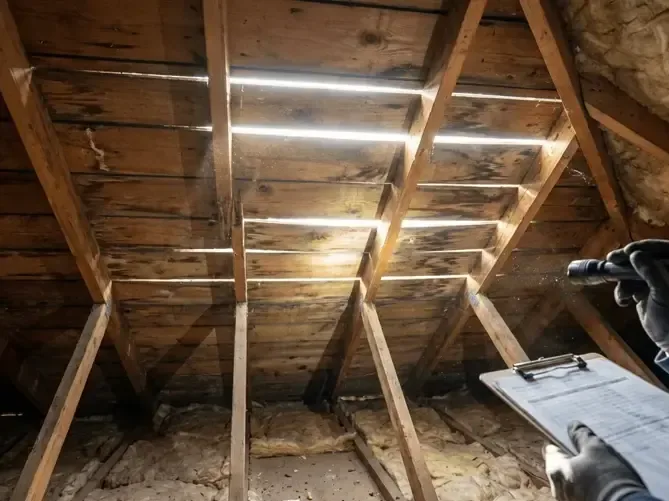
Roof Leak Water Damage
Attic inspection follows the rain path beyond the visible ceiling stain.
Service details ›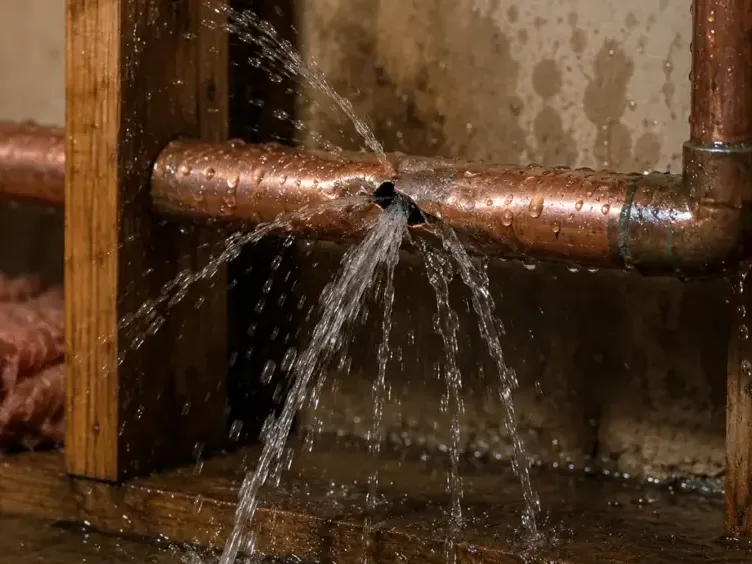
Burst Pipe Water Damage
A stopped supply leak still leaves wet wall cavities, insulation and floor layers to assess.
Service details ›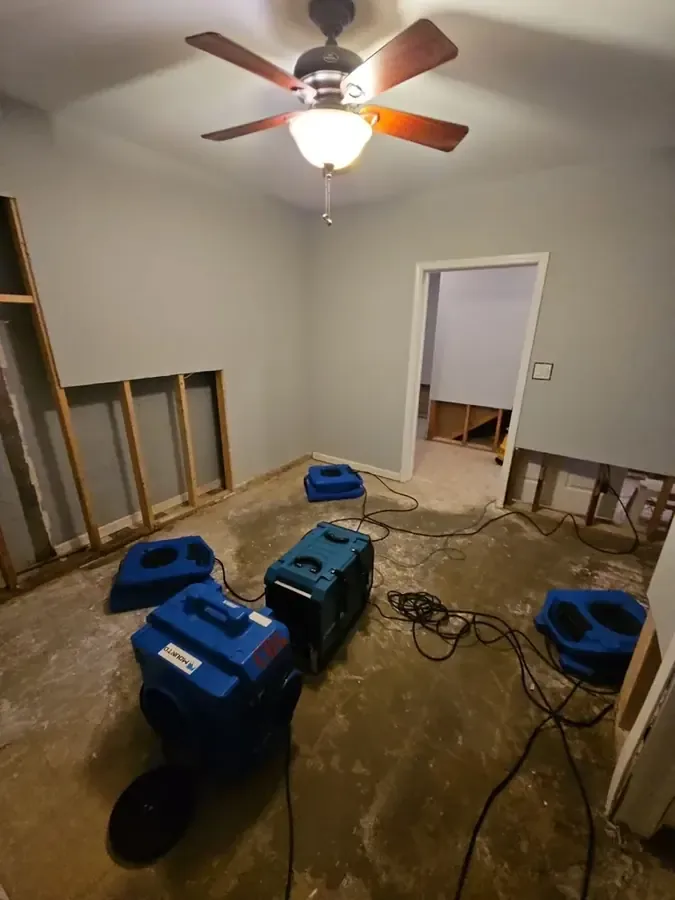
Structural Drying
Material readings determine equipment placement and the end of the drying phase.
Service details ›Ceiling Leak Water Damage questions
Should a container be placed under a bulging ceiling?
Nobody should stand beneath unstable wet material to position a container. A bulge can indicate water and weakened support above the finish. The room below should remain restricted while the responsible building contact arranges professional evaluation of the ceiling and any affected electrical equipment before cleanup access is established.
Can the leak be identified from the stain shape?
The stain offers a starting point, but the source investigation needs access and observations above the surface. Water can follow framing or seams before appearing below. Plumbing use, active dripping and inspection findings help connect the damaged area with the source that needs repair before the cavity is closed.
Why might an upper apartment need an inspection?
The source may be in that unit, or the water path may pass through its floor assembly. Management can coordinate entry and authorization so the source and resulting ceiling damage are evaluated together. Access to both sides helps establish a complete scope and prevents an isolated repair from missing connected wet material.
Does an opened ceiling mean all the joists need replacement?
Opening the finish allows the retained structure to be inspected. Material condition, damage and the drying assessment determine what work is needed; an opening alone does not dictate replacement of every component. The inspection record should explain the findings and identify any structural concern that requires a qualified specialist's evaluation.
How is moisture at the top of a wall addressed?
Water can leave the ceiling cavity and enter an adjoining partition. The inspection should check that transition and provide access where needed to reach trapped moisture. Drying arrangements then include the affected wall area, with repeated readings that help track its condition alongside the overhead assembly during the project.
Can paint cover the stain once dripping stops?
Painting should wait until the source is corrected, damaged finishes are addressed and retained materials have reached their drying target. The cavity requires its own moisture assessment after dripping stops. A recorded drying assessment helps determine when decorative repair can proceed without concealing material that still needs attention.
What information should the owner receive before reconstruction?
The owner should receive a description of the source status, removed finishes and remaining overhead materials. Moisture observations and photographs explain the drying work. Any inaccessible section or separate repair requirement should be identified so the next trade understands the condition of the cavity before replacement ceiling material is installed.
Resolve the wet cavity before refinishing
An inspection connects the visible stain with the source, affected layers and the drying work needed behind the ceiling.
(888) 480-6221Arrange ceiling damage assessment