Roof Leak Water Damage Allston, MA
A ceiling stain after rain can be the last visible point in a longer water path. Roof leak restoration examines the attic and interior layers so a repaired roof is followed by a properly dried room.
(888) 480-6221Discuss rain damage indoors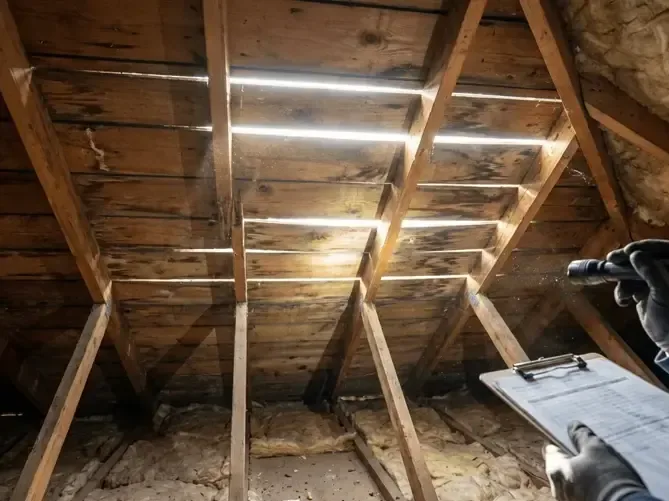
Victorian homes in Lower Allston include single-family and multifamily buildings, with many dating from the 1890s through the 1920s. A roof leak at an affected home requires attention to the present roof and interior assembly. Water may run along sheathing or framing before soaking insulation and reaching a ceiling, so the stain in the occupied room is only the starting point for inspection.
How roof leak water damage proceeds
Connect the stain with the cavity
The inspection begins in the affected room and extends into accessible overhead areas. Visible pathways and moisture observations establish the wet assembly while roofing findings help clarify the entry location.
Arrange source correction and safe access
Roof repair and any electrical concerns receive the appropriate qualified attention. Authorized interior openings are planned around unstable finishes and the need to inspect concealed wet insulation or framing.
Prepare and dry overhead materials
Damaged finishes are handled as needed to expose retained surfaces. Drying equipment and monitoring locations are selected to address the actual cavity and any adjoining wall area reached by water.
Assess the assembly before closing
Repeat checks evaluate remaining moisture and the condition of exposed materials. The owner receives the drying record and separate repair needs before new insulation, ceiling finishes or paint conceal the area.
Trace the overhead path without following the stain alone
Interior restoration should connect the visible mark to the accessible attic or roof cavity. The inspection records wet materials and the direction of travel, while a roofer addresses the exterior entry. A source repair can prevent more rain from entering but leaves absorbed water in the layers below. Those layers need a separate plan before paint or ceiling patching begins.
- Inspect the underside of accessible sheathing and framing around the suspected travel route.
- Check insulation for wet areas that can hide the upper surface of a damaged ceiling.
- Compare adjoining wall tops and ceiling edges where water may have moved away from the entry point.
Lower Allston extends westward to Everett Street and includes streets north of Cambridge Street. In a multifamily property, the building contact may need to arrange access through a different room or unit to reach the relevant overhead cavity. Planning that access keeps the inspection focused and avoids leaving an important wet section inaccessible behind an occupied space.
Decide which overhead materials can remain
Wet insulation, damaged plaster or softened ceiling board can limit effective drying of the structure behind them. The inspection should describe their condition and explain any proposed removal. Retained framing needs airflow and moisture control suited to the exposed assembly, while protected furnishings below should remain outside the work area.
An overhead leak may also affect a wall cavity where the water path changes direction. Measurements around the stain help define that possibility. The drying plan should follow the wet boundary established during inspection rather than ending at the edge of the visible discoloration or the roofer's repair location.
- Document removal areas before damaged ceiling material is taken down or insulation is discarded.
- Keep the roof repair status available when planning equipment operation during continuing wet weather.
- Recheck material moisture before closing the attic cavity or applying new decorative finishes below.
Describe the ceiling stain, visible sagging and any roofing work already completed. A focused interior assessment can identify wet layers beneath the roof and arrange the appropriate drying access.
(888) 480-6221Discuss the wet roof cavityKeep the space beneath damaged ceilings clear
A bulging or sagging ceiling can release wet material without warning. Occupants should stay out from beneath it and avoid puncturing the surface to drain water. Wet ceiling fixtures and wiring require qualified electrical assessment before use. Attic access can involve unstable footing and concealed hazards, so an occupant should not climb into a wet cavity to locate the leak. Exterior roof inspection and temporary weather protection belong with an appropriate roofing professional. Interior cleanup begins once access and the condition of the overhead assembly have been evaluated.
Finish with the ceiling's condition, not its color
A stain can remain after a material dries, and a painted surface can hide moisture that remains. Completion should therefore rely on readings and observations of retained layers. The handoff should distinguish roofing work, interior drying and finish replacement so the owner can schedule each task in order. That sequence supports a durable repair instead of a cosmetic patch over an unresolved wet assembly.
For general household precautions, see Ready.gov flood safety and the EPA household leak checks.
What does roof leak water damage cost in Allston, MA?
Roof leak water damage in Allston varies with the overhead area affected and the access needed. These interior cleanup estimates increase with attic spread and damaged rooms; roofing repairs should have their own scope.
Small interior wet area
$1,000 to $2,000
- Focused ceiling inspection
- Limited finish handling
- Small drying area
Attic and ceiling spread
$2,000 to $4,000
- Wet insulation access
- Broader overhead exposure
- More monitoring locations
Several rooms below
$4,000 to $6,000+
- Multiple affected ceilings
- Extended wall checks
- Complex interior access
These ranges are estimates only. Water category, square footage, material class and the delay before drying affect the scope. The water damage cost calculator compares those variables before a property assessment.
What shapes the roof leak water damage plan
An overhead inspection with context
The stained room and accessible cavity are considered together. Information about the rainfall entry and roofing work helps relate the interior water path to the source being repaired above the space.
Insulation considered independently
Insulation condition can affect access and drying of nearby wood. The scope explains whether wet material needs removal and how the exposed assembly will be evaluated before replacement is considered.
Protection beneath the work area
Room access and contents handling are arranged around overhead removal. The property contact receives a clear explanation of which areas should remain unused while damaged ceiling materials receive professional attention.
Drying records before decoration
Measured progress gives the owner a basis for scheduling ceiling replacement and painting. The final assessment identifies retained materials, unresolved moisture and any remaining work needed around the roof entry.
Roof leak water damage coverage in Allston
Assessments include Lower Allston homes, Everett Street properties and rooms near Cambridge Street. Mention the location of the stain, any attic access and whether a roofer has already inspected or repaired the entry point.
The same service nearby: roof leak water damage in Roslindale, Brookline, Hyde Park.
Related water damage services in Allston
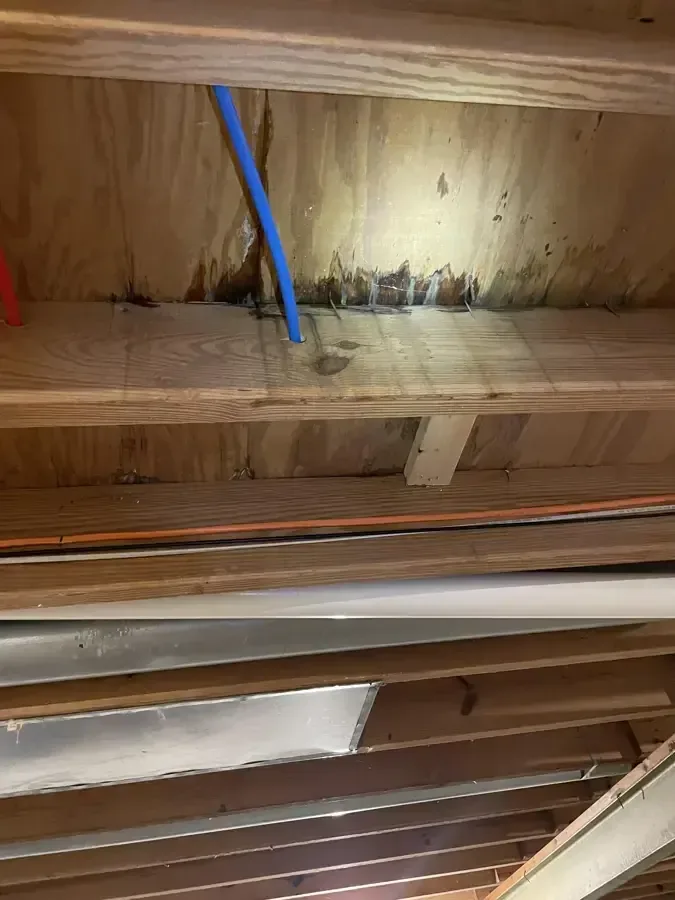
Ceiling Leak Water Damage
Overhead saturation calls for safe access and checks above the damaged finish.
Service details ›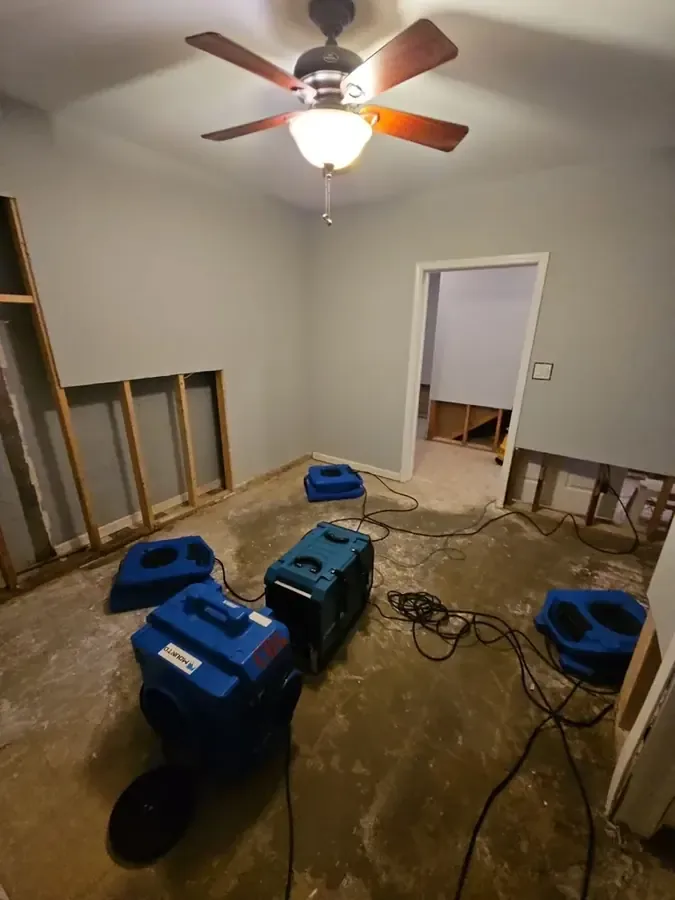
Structural Drying
Material readings determine equipment placement and the end of the drying phase.
Service details ›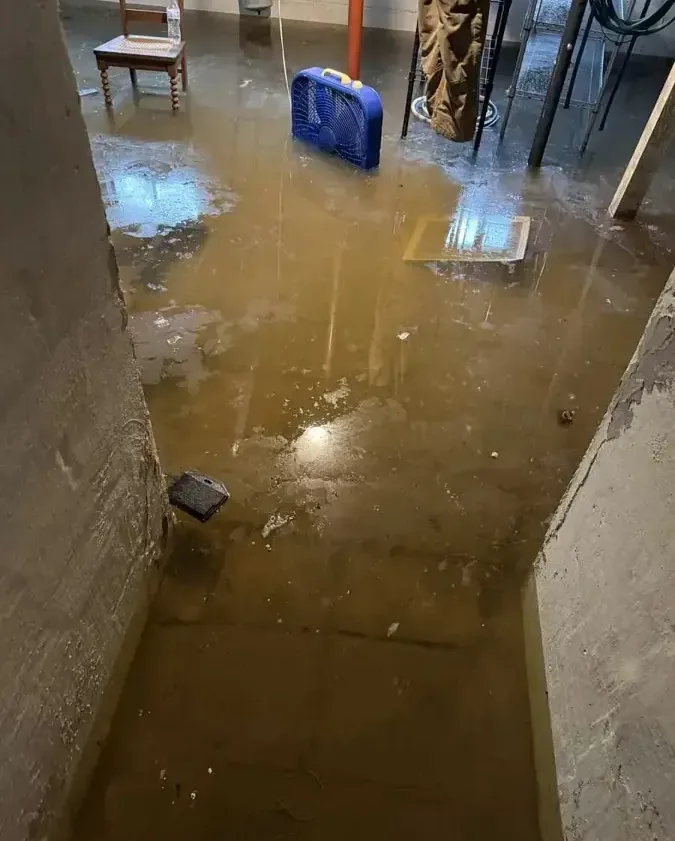
Storm and Flood Cleanup
Runoff brings a different cleaning problem from water released by a household pipe.
Service details ›Roof Leak Water Damage questions
Why is the ceiling stain away from the roof opening?
Water can travel along roof framing, sheathing or other surfaces before reaching an opening into the room below. The visible stain identifies a wet location, while the inspection follows the broader path. Both the roofer's findings and interior moisture observations help establish where repair and drying access are needed.
Does roof repair automatically dry the insulation?
Correcting the exterior opening prevents additional entry through that defect, but insulation may retain water after the repair. Its condition and location need examination. Material that obstructs drying or cannot remain should be addressed before the retained framing is dried and the overhead assembly is closed with replacement finishes.
Can a resident enter the attic to photograph the damage?
Wet cavities can contain unstable footing, damaged wiring and fragile ceiling surfaces. The occupant should stay in a safe area and provide photographs only from accessible dry positions. A qualified inspection can document the overhead damage and determine how access should be arranged without exposing residents to the wet assembly.
Will a dry-looking ceiling still need moisture checks?
Yes. The visible face may lose surface moisture while layers above it remain wet. Readings and inspection of accessible backing help determine the condition of the assembly. That information is useful before painting, adding insulation or covering an opening that currently allows the remaining wet material to be evaluated.
How does a shared building change the cleanup plan?
The affected ceiling and the relevant attic access may be in different occupied spaces. Management needs to coordinate entry, authorizations and communication with residents. The restoration scope should identify each affected area and any work restrictions so source repair and drying can proceed across the connected assembly without missing a concealed section.
Must every stained ceiling section be removed?
Removal depends on the material's condition, stability and the access required to dry what lies behind it. Some stained material may remain after evaluation, while softened or detached finishes require a different approach. The decision should be explained from the inspection findings rather than based only on the size of the discoloration.
What should be complete before repainting the room?
The roof entry needs correction, retained interior materials need a documented drying endpoint and damaged finishes need appropriate repair. Paint comes after those decisions. The final restoration notes should identify any unresolved cavity moisture or separate roofing work so a cosmetic finish does not hide a problem that still requires attention.
Bring the overhead assembly into the repair plan
Measured drying connects the exterior roof repair with a sound sequence for replacing damaged interior finishes.
(888) 480-6221Arrange overhead moisture inspection