Roof Leak Water Damage in Brookline, MA
A roof drip can follow framing before reaching the room below. Brookline roof leak restoration examines that overhead path, coordinates source repair and checks insulation and ceiling materials that remain wet after the rainfall stops.
(888) 480-6221Assess the rain damaged interior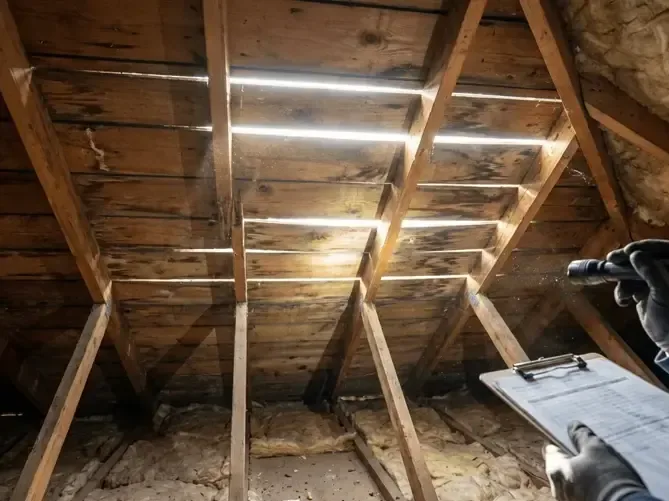
A stain that darkens during rainfall may be the end of a water path rather than the point directly beneath a roof opening. In a Brookline home, rain can track along a framing member, wet insulation and reach a ceiling joint before the first drip appears indoors. Interior cleanup should connect those layers with the roof assessment so the visible stain does not become the entire scope of repair.
How roof leak water damage proceeds
Assess rain related observations
Document the timing and location of interior dripping, then coordinate with the roof assessment. Establish safe access to the overhead assembly and mark the rooms requiring contents protection.
Inspect concealed overhead layers
Evaluate insulation, framing and ceiling condition along the observed route. Record moisture and instability before selective opening, with attention to corners where water can turn into adjoining partitions.
Prepare and dry the interior
Remove unsuitable wet finishes and arrange drying for retained structural materials after source control. Keep inspection access available so the assembly can be checked while moisture leaves it.
Confirm readiness for ceiling repairs
Assess progress readings and the roof repair status before closing the affected space. Document any remaining damp area or renewed entry that needs attention before cosmetic restoration begins.
Trace rain before treating the ceiling
The southern part of town includes suburban districts and estates, while the northern part has an urban character. Those different settings still require inspection of the individual building. At a property in Fisher Hill or near Larz Anderson Park, useful observations include when dripping starts, whether it stops between rain events and which ceiling edges change color. A roof professional should identify the opening or failed component outside.
- Record the interior stain pattern and any dripping that follows rainfall, without entering an unsafe attic.
- Include wet insulation and framing visible from a safe access point in the inspection record.
- Distinguish the roof repair location from the lower area where water eventually reaches the room.
Roof work and interior drying can require separate access arrangements. A repair that prevents more rain from entering does not remove water already held above the ceiling. The restoration scope should name the affected layers and explain whether access is needed from below, through an existing attic opening or through another appropriate route established during inspection.
Inspect the space between the stain and the roof
Wet insulation can hide the condition of sheathing or ceiling materials. Where the assembly remains closed, a dry looking painted surface may conceal moisture above it. Decisions about removal should follow material condition and the ability to dry retained components. In South Brookline interiors, as elsewhere in town, no roof style or insulation arrangement should be assumed before the actual space is inspected.
Lower rooms may need contents protection while overhead access is created. The opening should be managed so debris and water remain within the work area. If moisture reaches wall corners or a floor below, the scope expands to those surfaces. Ceiling leak restoration provides related work when overhead finishes lose strength or conceal a broader wet cavity.
- Check framing connections where water may turn away from the visible roof entry.
- Evaluate insulation separately from the structural wood around it rather than treating both as one material.
- Keep photographs of the overhead assembly before replacement ceiling finishes limit access again.
Describe the rain pattern, ceiling stains and any accessible overhead space. These details help connect the roof assessment with the interior materials that need attention beneath it.
(888) 480-6221Discuss the overhead rain pathDo not climb or puncture to investigate
Occupants should stay off wet roofs and out of attic areas without safe flooring or lighting. A sagging ceiling can release water and damaged material unexpectedly, so keep the room below clear. Do not push through the ceiling with a tool to drain it, and avoid touching wet light fixtures. Electrical assessment and overhead opening belong to appropriate professionals. If dripping continues, keep people and belongings away from the affected spot where safe to do so. Record observations from a stable location rather than entering the concealed space.
Close the loop between weather and material readings
The repair handoff should include the identified entry point, roof work completed and condition of the interior assembly. Repeat moisture checks help determine whether drying is progressing after source control. Any renewed wetting needs investigation before the ceiling is rebuilt. Cosmetic stain treatment comes after the damaged materials have been assessed and the retained layers are ready for their replacement finish.
For general household precautions, see Ready.gov flood safety and the EPA household leak checks.
What does roof leak water damage cost in Brookline, MA?
Roof leak interior cleanup in Brookline varies with attic access, wet insulation and the rooms below. These ranges describe restoration work; exterior roof repairs and replacement decorative finishes may require separate estimates.
Small interior wet area
$1,000 to $2,000
- Limited overhead inspection
- Localized finish damage
- Accessible drying area
Attic and ceiling spread
$2,000 to $4,000
- Wet insulation handling
- Exposed framing checks
- Ceiling access work
Several rooms below
$4,000 to $6,000+
- Multiple interior zones
- Broader contents protection
- Connected wall assessment
These ranges are estimates only. Water category, square footage, material class and the delay before drying affect the scope. The water damage cost calculator compares those variables before a property assessment.
What shapes the roof leak water damage plan
The drip history matters
Notes about rainfall and changes in ceiling staining help connect the interior inspection with the roof assessment. Record what was observed without climbing into an unsafe space to investigate.
Overhead access is planned
A usable attic opening or controlled ceiling opening may be needed to see the wet layers. Access decisions should consider stability, wiring and protection of the occupied room beneath the work.
Different materials get separate decisions
Insulation, wood and ceiling finishes respond differently to wetting. The restoration scope should explain which materials can remain, which require removal and how retained components will be checked during drying.
Source work stays connected
The roof repair and interior recovery records should reference the same water path. That connection helps identify renewed entry before new ceiling finishes conceal materials that still require monitoring or further work.
Roof leak water damage coverage in Brookline
Roof related interior assessments cover Fisher Hill, South Brookline and properties near Larz Anderson Park. Explain whether an attic is accessible and which rooms show stains so the inspection can follow the overhead water route.
The same service nearby: roof leak water damage in Roslindale, Allston, Hyde Park.
Related water damage services in Brookline
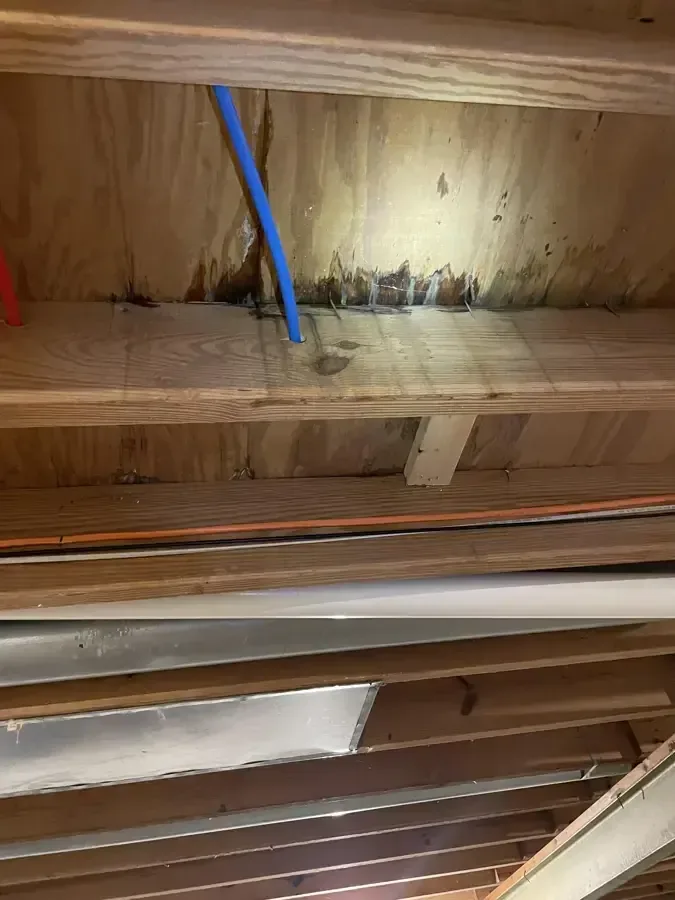
Ceiling Leak Water Damage
Overhead saturation calls for safe access and checks above the damaged finish.
Service details ›
Structural Drying
Material readings determine equipment placement and the end of the drying phase.
Service details ›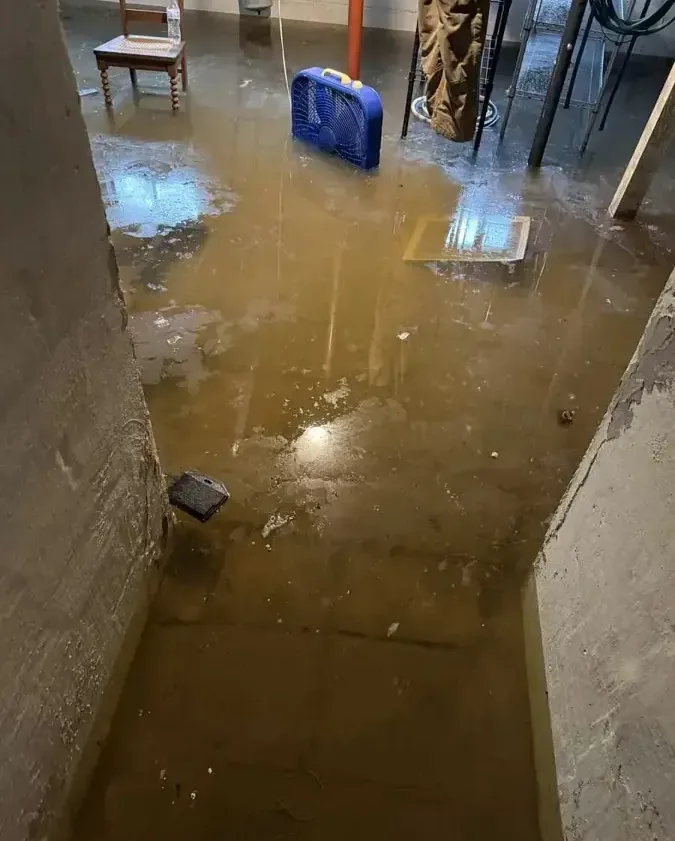
Storm and Flood Cleanup
Runoff brings a different cleaning problem from water released by a household pipe.
Service details ›Roof Leak Water Damage questions
Why is the roof opening not directly above the stain?
Rain can travel along framing, sheathing joints or other concealed surfaces before reaching an opening in the ceiling below. The visible stain may therefore sit away from the exterior entry point. Coordinating the roof inspection with interior moisture findings helps trace the actual route and avoids limiting repairs to the most obvious damaged spot.
Can a roof repair finish the interior cleanup too?
Roof repair stops additional entry when the cause has been correctly addressed. Insulation, framing and ceiling finishes already soaked still require evaluation. The restoration scope should identify those materials and their drying or removal needs. Separate records for the exterior repair and interior work make it easier to see whether both parts were completed.
Should wet insulation remain above a ceiling?
Its condition and the ability to inspect and dry the assembly need assessment. Some wet insulation requires removal, especially where it conceals moisture or loses useful condition. The decision should be specific to the installed material and water exposure, with attention to the structural surfaces that become accessible once unsuitable insulation is removed.
Is a sagging ceiling safe if the dripping stops?
A sagging finish may remain weakened or hold water even after the visible drip ends. Keep occupants away from the area below and arrange professional assessment. Do not puncture the surface or move directly beneath it to inspect. The safe opening plan should account for trapped water, falling material and nearby electrical fixtures.
Can painting cover a dry looking rain stain?
Painting should follow source repair and evaluation of the overhead materials. A dry looking face can conceal moisture on the back of the ceiling or in insulation above it. The cleanup record should show that those layers were addressed before cosmetic work begins, including any finish that lost strength and needs replacement rather than coating.
What details help the first assessment?
Describe which rooms show stains, when they changed and whether the dripping follows rainfall. Mention any accessible attic opening and visible wet insulation without entering a hazardous area. Photographs from a safe position can help connect the interior symptom with the roof inspection and identify rooms that need protection before overhead work.
How is recurring wetting handled during drying?
A new increase in moisture or renewed dripping needs source reassessment. Equipment cannot compensate for rain continuing to enter through an unresolved opening. The repair and restoration teams should compare the changed readings with weather observations and inspect the affected route before closing the ceiling or treating the original interior stain as fully resolved.
Restore the layers beneath the roof
A complete interior scope addresses insulation, framing and ceiling condition after source repair, with measurements before the room receives new finishes.
(888) 480-6221Plan the rain damage inspection