Slab Leak Water Damage Allston, MA
A damp patch that returns through flooring needs a source investigation before repairs begin. Cleanup focuses on affected coverings, concrete moisture and adjacent wall bases after the plumbing problem is located and controlled.
(888) 480-6221Discuss moisture beneath the floor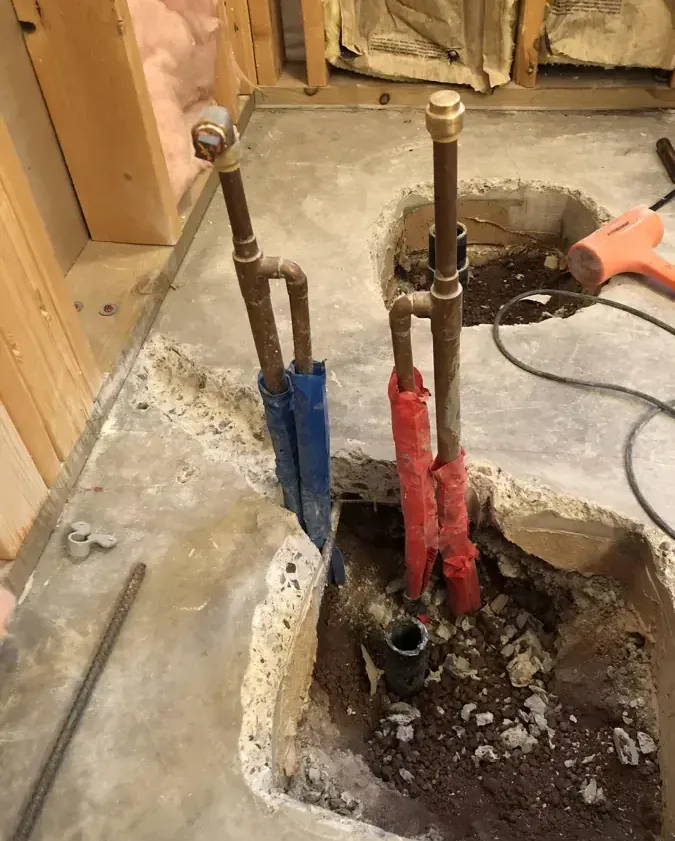
Repeated dampness at the same floor joint deserves a closer look than another towel. In Allston, brick apartments along Commonwealth Avenue and Victorian homes in Lower Allston offer different settings for that investigation. At either property, the cleanup scope begins with the actual floor assembly and a diagnosis of the source. Water appearing over concrete can affect adhesive, coverings and nearby partitions before a leak becomes visible.
How slab leak water damage proceeds
Trace the persistent dampness
The initial visit records the recurring wet area and checks adjacent surfaces. Plumbing findings and visible material conditions help define where further inspection or controlled access is necessary.
Expose only the needed assembly
Authorized openings provide access to damaged layers and the wet boundary. Removed materials and newly visible conditions are documented so the scope can be updated with a clear explanation.
Dry the retained layers
Equipment is arranged around the exposed floor and adjoining materials that can remain. Measurements are taken at comparable locations to evaluate the progress of each affected assembly.
Assess the repair sequence
The property contact receives the drying observations and any remaining limitations. Floor replacement can then be coordinated with the source repair and the condition of the underlying material.
Separate the pipe problem from the wet floor
Locating and repairing a failed pipe is a plumbing task. Restoration addresses the materials damaged by the released water. Keeping those scopes distinct helps the property contact understand why stopping the leak may leave more work below the floor finish. A repair opening may also reveal water farther along a joint or against a partition than the original damp spot suggested.
- Record which surface first became damp and whether the patch returns after the supply is shut off.
- Check nearby cabinet bases and interior wall edges for water movement beyond the apparent center of damage.
- Identify the floor covering and any accessible underlayment before proposing removal of a larger finished area.
The Massachusetts Turnpike lies south of the area of Lower Allston extending toward the Charles River. Location helps identify the property, while the inspection determines the building's construction. A technician should establish whether concrete is present beneath the affected floor and how the wet surface connects to adjoining rooms before selecting a drying approach.
Moisture can remain between layers
A finish may look intact while water has reached adhesive or a backing layer. Inspection considers bonding, distortion and the ability to expose and dry the materials. Dense concrete and wood-based coverings respond differently to drying conditions, so one surface reading cannot describe the entire assembly. The plan should distinguish salvageable material from finishes that cannot remain in place.
Selective removal can provide access without automatically opening every part of a room. Once an assembly is exposed, measurements help define its wet boundary and the equipment arrangement. Removal decisions should be documented with the condition found, especially in occupied properties where access and replacement work require coordination with the owner or building manager.
- Keep records of the exposed floor before plumbing access is closed or new material covers the repair.
- Compare readings at repeatable points instead of relying only on color changes in the surface.
- Explain any remaining wet edge beneath a wall or built-in fixture before agreeing on finish replacement.
Describe the recurring damp patch and any plumbing findings already available. An assessment can identify the affected floor layers and explain what access is needed for cleanup.
(888) 480-6221Discuss the damp floorAvoid unsafe exploratory openings
Occupants should not drill into a damp floor or cut through concrete to search for a suspected pipe. Concealed utilities and nearby electrical components need qualified assessment before opening an assembly. Wet finishes can also become slippery or loose underfoot. Keep traffic away from an unstable area and leave connected equipment untouched if water has reached it. A plumber should address isolation and leak location, while the restoration inspection evaluates water-damaged materials. The building contact should arrange access and authorization before any destructive investigation begins inside a shared or occupied space.
Close the project in the right order
The source repair, drying results and finish replacement should form a clear sequence. Replacing flooring too early can trap moisture or obscure continuing dampness. Completion records should show the repaired source status, retained materials and measurements used to support the drying endpoint. Any remaining work beneath a partition or cabinet should be described explicitly so the owner can coordinate it before the room is restored to regular use.
For general household precautions, see Ready.gov flood safety and the EPA household leak checks.
What does slab leak water damage cost in Allston, MA?
Slab leak water damage in Allston can range from a limited floor opening to several wet layers. These cleanup estimates vary with access, damaged finishes and hidden spread; plumbing diagnosis and repair should be described separately.
Limited floor area
$1,500 to $3,000
- Focused surface removal
- Accessible damp layers
- Localized drying setup
Several wet layers
$3,000 to $5,500
- Underlayment needs inspection
- More material handling
- Extended drying access
Broad hidden spread
$5,500 to $7,500+
- Several affected assemblies
- Concealed edge moisture
- Complex replacement coordination
These ranges are estimates only. Water category, square footage, material class and the delay before drying affect the scope. The water damage cost calculator compares those variables before a property assessment.
What shapes the slab leak water damage plan
Diagnosis before demolition
A recurring wet patch receives a focused source assessment. Information from the plumber helps direct restoration work toward affected materials instead of broad, unexplained floor removal around the room.
Layer-by-layer evaluation
Coverings, backing and concrete receive separate consideration. Each layer's condition and accessibility influence whether it can remain during drying or needs removal to reach the wet material below.
Clear responsibility boundaries
The work description distinguishes plumbing repair, restoration access and replacement finishes. This separation helps the owner compare costs and coordinate the trades responsible for each part of the project.
Documented readiness for flooring
Repeat readings and material observations support the drying endpoint. The record identifies any unresolved moisture before adhesive, underlayment or a new finished floor conceals the assembly again.
Slab leak water damage coverage in Allston
Arrange an assessment around Commonwealth Avenue, Lower Allston or Cambridge Street by describing the affected flooring and building access. Mention any completed plumbing diagnosis and whether the same area becomes damp again after wiping.
The same service nearby: slab leak water damage in Roslindale, Brookline, Hyde Park.
Related water damage services in Allston
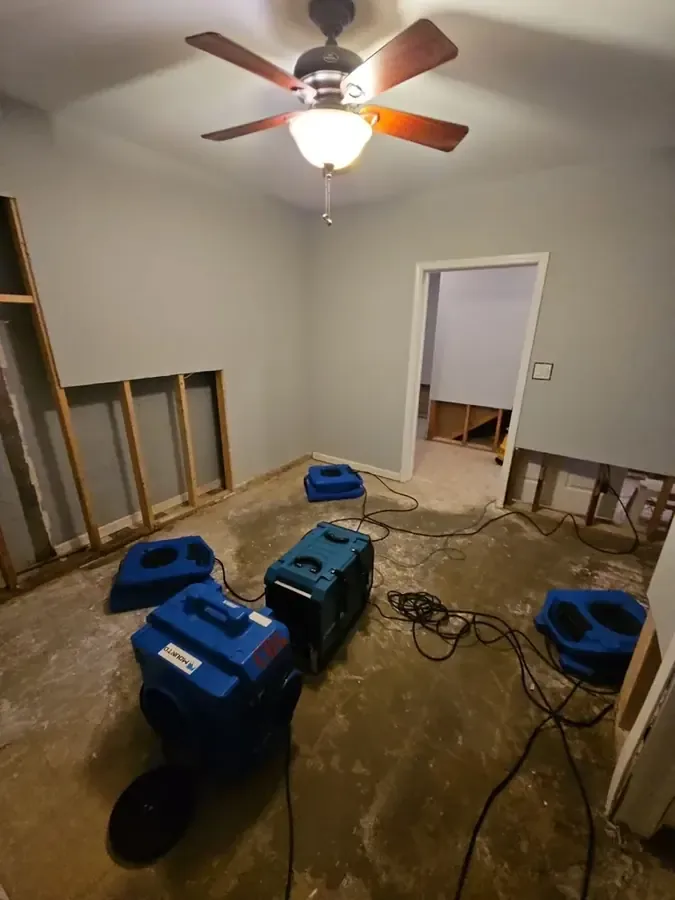
Structural Drying
Material readings determine equipment placement and the end of the drying phase.
Service details ›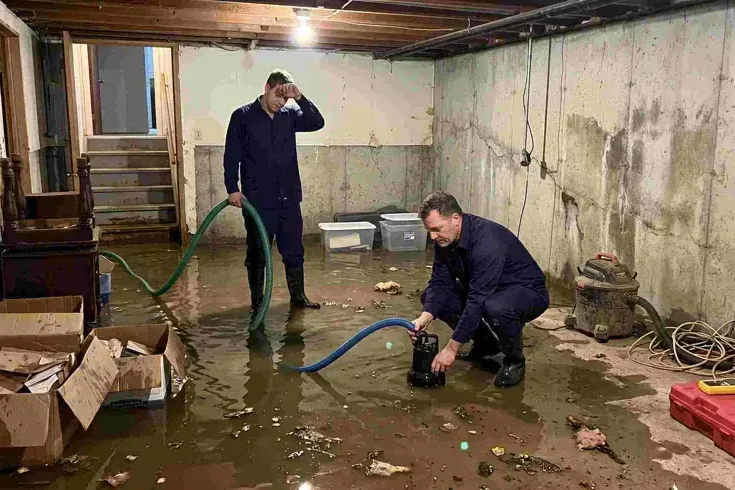
Water Extraction and Removal
Pumps remove pooled water while extraction tools reach carpet, floor joints and low spots.
Service details ›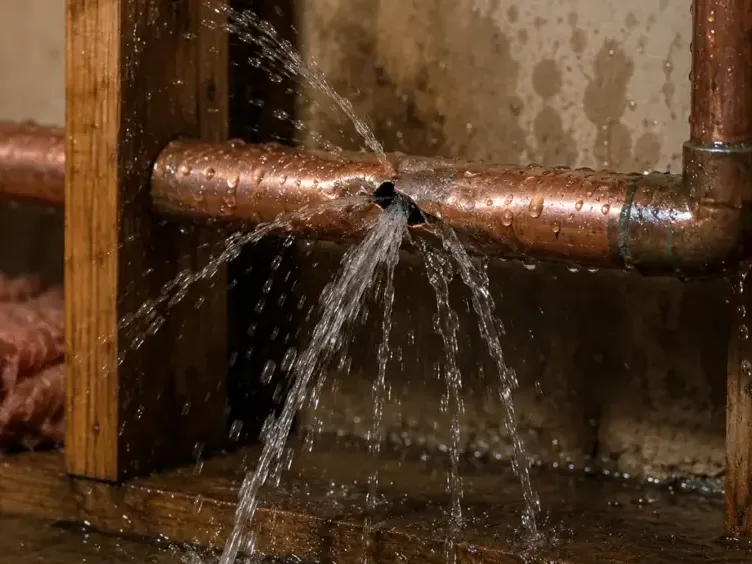
Burst Pipe Water Damage
A stopped supply leak still leaves wet wall cavities, insulation and floor layers to assess.
Service details ›Slab Leak Water Damage questions
Does a warm or damp floor identify a slab leak?
A changed floor condition is a reason to investigate, but diagnosis requires inspection of the plumbing and building assembly. The property contact should record where the change appears and whether it persists. Restoration decisions follow the located source and actual wet materials rather than assuming every damp floor has the same cause.
Who opens the floor for a plumbing repair?
The source-repair plan should identify which trade performs the opening and how access is authorized. Restoration may need additional access to wet coverings or adjacent materials. These tasks should be coordinated so repair work does not conceal moisture and cleanup work does not interfere with the plumber's investigation.
Why can flooring need removal after the leak stops?
Water can remain between the finish and the concrete even when the pipe is repaired. A covering that restricts evaporation may also hide damaged backing or adhesive. Its condition and the ability to dry the underlying layer determine whether it can stay. The reason for removal should be recorded.
Can the entire concrete floor be evaluated from one reading?
A single measurement represents only its location and method. An inspection compares several relevant points, adjoining materials and the observed water path. Repeat measurements help track changes over time. Dense surfaces and layered assemblies require an approach suited to their construction rather than a single universal reading for the room.
Will a small repair opening reveal all of the damage?
An opening can provide useful access, but water may have traveled beneath a neighboring finish or toward a wall base. The wet boundary should be checked around the repair area. Additional access is considered when measurements and material condition indicate concealed spread that the original opening cannot address.
What should an apartment resident report to management?
The report should describe the damp area, when it was first noticed and whether adjoining rooms show changes. Safe photographs of lifted flooring or stained bases can help explain the issue. Management can arrange access, plumbing diagnosis and authorization for restoration without asking the occupant to remove finishes independently.
When can replacement flooring be scheduled?
Scheduling should follow source correction and a documented assessment of the remaining moisture. The replacement system may have its own substrate requirements, which need coordination with the flooring installer. Drying records help that discussion and identify areas that still need attention before a new covering hides the floor assembly.
Resolve moisture before covering the slab
A clear repair sequence protects the drying work and helps organize replacement finishes around the condition of the retained assembly.
(888) 480-6221Arrange floor moisture assessment