Water Extraction and Removal Allston, MA
A puddle spreading across a room needs more than towels. Extraction removes accessible water while an inspection identifies the flooring, partitions and contents that absorbed moisture beyond the visible edge.
(888) 480-6221Arrange standing water removal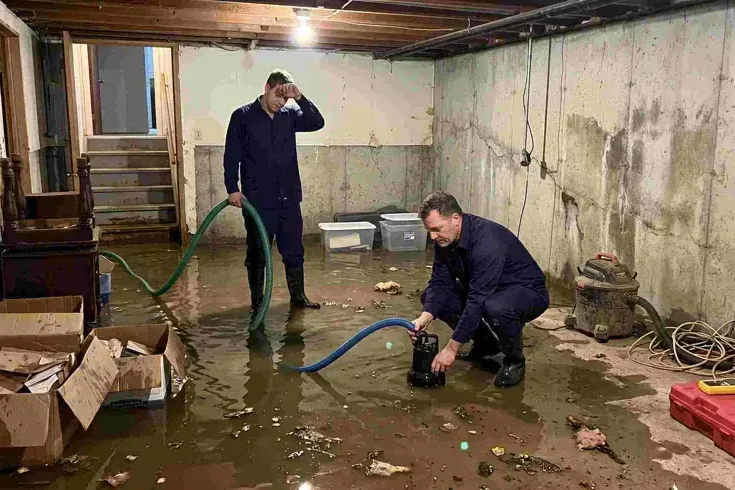
The December 8, 2017 water main break at Brighton Avenue and Linden Street flooded basement apartments in Allston. That incident illustrates how water entering an occupied room can reach far more than the open floor. Extraction planning starts with the water's current location, its source and safe access, then follows the path into thresholds, low partitions and the spaces beneath belongings.
How water extraction and removal proceeds
Assess entry and safety
The inspection establishes whether the water source remains active and whether electrical or structural concerns restrict access. The affected rooms are mapped before removal equipment is positioned.
Extract the accessible water
Pumping or surface extraction removes the visible accumulation using methods suited to the depth and room layout. Saturated coverings receive a separate assessment during this stage.
Investigate absorbed moisture
Floor edges and adjoining walls are checked after the pool is cleared. Any proposed material removal is explained using the water exposure and condition found during inspection.
Prepare retained materials for drying
Equipment and monitoring locations are selected around the surfaces that remain. The handoff records wet areas, access limitations and the next measurements needed to evaluate drying progress.
Start at the deepest accessible collection point
A pump may address a substantial pool, while extraction tools handle shallower water and soaked surface materials. The choice depends on the room and the water conditions. An inspection also checks whether water continues entering; removing a pool while the source remains active can leave the same floor wet again. Source control and extraction need to work together.
- Inspect doorways and transitions where flooring changes height and water can collect beneath a covering.
- Evaluate carpet and padding separately because removing surface water does not remove everything absorbed below.
- Check furniture bases, storage containers and cabinet edges that can conceal wet flooring during the first walk-through.
Brick apartments along Commonwealth Avenue create a different access situation from a detached residence. Equipment placement must account for the affected unit, the route through the building and any shared space. A water path that reaches another apartment calls for coordination with the building contact, including permission to inspect the adjoining assembly.
Follow the water beyond the open floor
Water can wick upward into a wall base or remain between flooring layers after the exposed surface is cleared. Moisture mapping gives the extraction work a useful boundary. Readings around the room help identify whether additional access is needed, and photographs preserve the original condition before furnishings or finishes are moved.
Lower Allston includes single-family and multifamily Victorian homes. In an affected home, the actual floor construction determines the next decision: some retained surfaces can be extracted and dried, while damaged or contaminated layers need removal. Building age alone does not choose that method. Inspection of the assembly and the water source does.
- Compare the wet perimeter with adjoining dry surfaces before deciding how far the affected area extends.
- Record trapped water beneath removable coverings and explain any proposed opening before work proceeds.
- Keep extracted-water handling separate from clean storage areas and the route used by occupants.
Explain where the water has collected, whether the source continues and which rooms remain accessible. Those details help shape the first extraction assessment at the property.
(888) 480-6221Discuss pooled interior waterKeep occupants clear during removal
Standing water can hide electrical hazards, unstable flooring and objects underfoot. Occupants should stay on dry ground and keep children and pets away from the affected room. A switch, outlet or appliance touched by water needs qualified assessment before use. Nobody should enter the water to unplug equipment or retrieve a possession. If the source appears to be wastewater, access should remain restricted until the cleanup method is established. Pumps and hoses also need a clear work route so extraction does not create a trip hazard through occupied space.
Finish removal with a drying handoff
The extraction record should identify what was removed, which materials remain wet and where readings need follow-up. This helps the drying stage target retained layers instead of treating the whole building alike. Once standing water is gone, controlled air movement and dehumidification can address the remaining moisture where appropriate. Replacement flooring should wait until the underlying assembly has reached its drying target and any continuing source has been corrected.
For general household precautions, see Ready.gov flood safety and the EPA household leak checks.
What does water extraction and removal cost in Allston, MA?
Water extraction in Allston may involve an accessible spill or several saturated rooms. These estimated ranges reflect water volume, access and handling needs; concealed moisture and subsequent drying can expand the overall project scope.
Small accessible spill
$500 to $1,200
- Shallow floor water
- Open equipment access
- Localized extraction work
Several wet rooms
$1,200 to $2,500
- Multiple room surfaces
- Broader removal area
- More contents handling
Deep or difficult water
$2,500 to $3,500+
- Deeper interior accumulation
- Restricted work access
- Complex water handling
These ranges are estimates only. Water category, square footage, material class and the delay before drying affect the scope. The water damage cost calculator compares those variables before a property assessment.
What shapes the water extraction and removal plan
Room-specific removal plan
The location and depth of water determine the tools and access needed. A clear initial scope explains which rooms need extraction and where additional investigation may be necessary.
Attention to hidden edges
Thresholds and partition bases receive inspection even when the center of a room appears clear. These small transitions can hold water that open-floor extraction leaves behind.
Separate contents decisions
Wet belongings are documented and evaluated by material and exposure. The handling plan keeps retained items from blocking access to flooring that still requires moisture checks.
Useful progress records
Photographs and readings connect the removal work to the next drying stage. The property contact can see which areas were addressed and which assemblies remain under evaluation.
Water extraction and removal coverage in Allston
Service arrangements include Packard's Corner, Harvard Avenue and Cambridge Street. Provide the affected floor, entrance details and building contact so the inspection can account for equipment access and occupied rooms.
The same service nearby: water extraction and removal in Roslindale, Brookline, Hyde Park.
Related water damage services in Allston
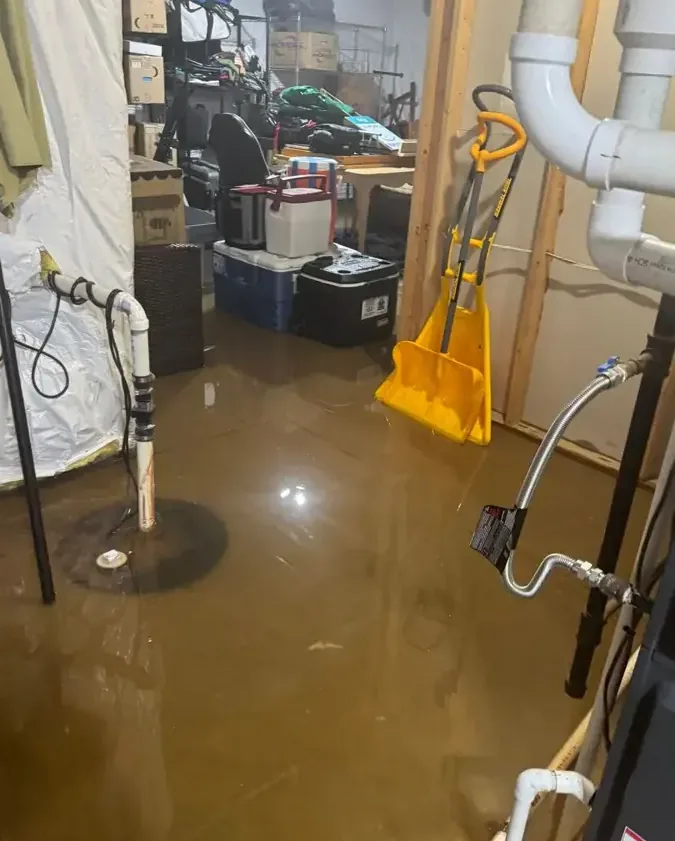
Basement Water Removal
Below-grade extraction starts with electrical clearance and the actual water entry route.
Service details ›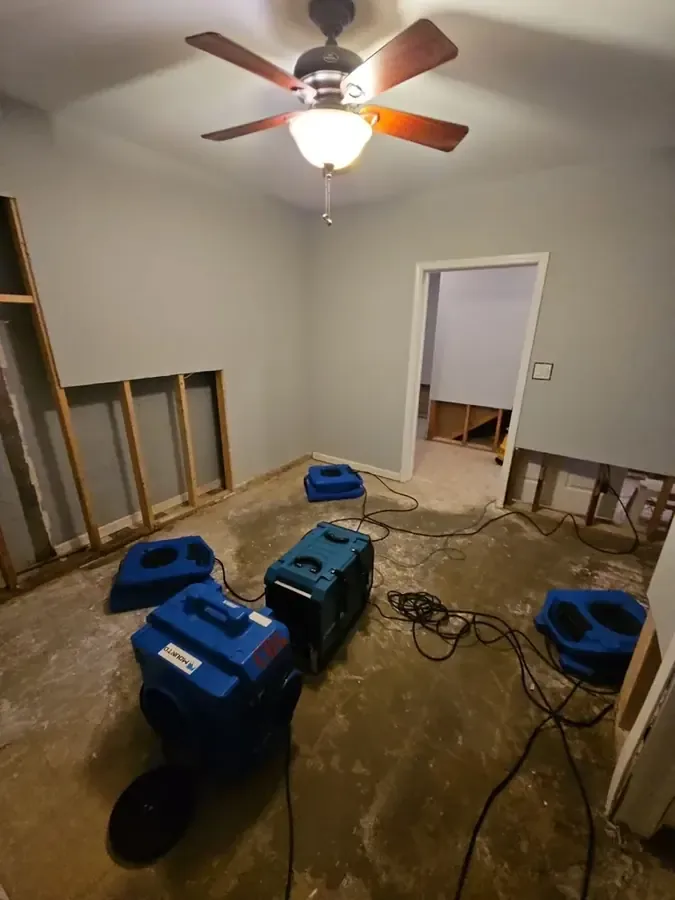
Structural Drying
Material readings determine equipment placement and the end of the drying phase.
Service details ›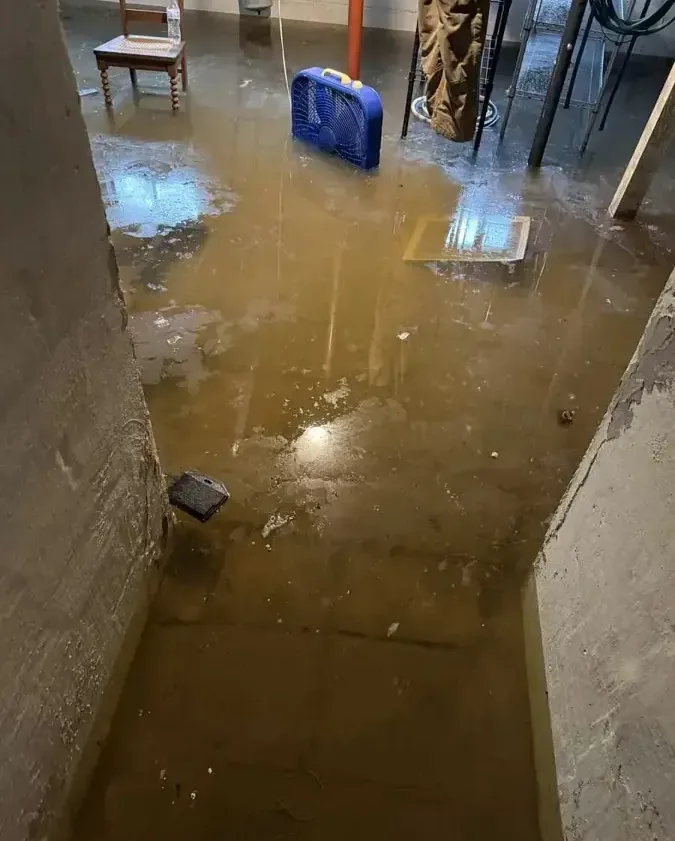
Storm and Flood Cleanup
Runoff brings a different cleaning problem from water released by a household pipe.
Service details ›Water Extraction and Removal questions
Can a wet vacuum handle the entire loss?
A small visible spill and a room with absorbed water require different decisions. Household equipment may leave moisture beneath coverings or inside walls, and electrical conditions may make its use unsafe. The inspection should identify the full wet area and water source before deciding what removal and drying methods are appropriate.
Does clear water mean the floor can simply be dried?
The inspection follows the water path and identifies the surfaces and materials it contacted. Its source, time in the building and contact with materials influence cleanup decisions. Even clear water can soak padding or enter an enclosed cavity. Those layers require inspection before the retained assembly can receive an effective drying plan.
What changes when water reaches a neighboring apartment?
The scope must include the shared pathway and affected spaces beyond the original room. Management may need to arrange entry to another unit and authorize openings in common assemblies. Documenting each affected area helps keep source repair, extraction and subsequent material drying coordinated across the building.
Should carpet be removed before extraction starts?
Carpet condition, contamination and the underlying assembly determine the order of work. Some situations allow initial extraction before material evaluation; others call for removal of affected porous finishes. Padding must be considered separately. The decision should be explained before lifting or discarding flooring that belongs to the property.
Why are readings needed after the puddle disappears?
Water beneath a floor covering is not visible from above, and a wall base may remain wet after the room looks tidy. Readings help establish where absorbed moisture persists. They also provide the starting point for drying, allowing later checks to show whether the retained materials are improving.
Can extraction proceed while a pipe is still leaking?
Source control is central to the plan because continuing inflow can undo removal work. A plumber or responsible utility may need to address the failed component. The restoration assessment coordinates the water damage work with that repair and determines whether safe temporary removal is useful while the source is controlled.
What information helps prepare for an extraction inspection?
The property contact should describe the room, affected floor level and whether the water is still spreading. Building access, visible electrical concerns and the apparent source also matter. Safe photographs can show the initial condition. Nobody needs to enter standing water to gather measurements or move wet equipment.
Clear the water and inspect what remains
Removal is the starting point for a measured drying plan that follows moisture into the affected materials.
(888) 480-6221Request extraction assessment